
Key Takeaways
- Coverage for a night guard for bruxism often depends on whether it is classified as preventive or medically necessary
- Policy limits and exclusions under dental insurance frequently restrict appliance-based treatments
- Documentation gaps and diagnosis criteria can lead to rejected claims, even when treatment is justified
Introduction
A night guard for bruxism is commonly prescribed to reduce tooth wear and manage jaw strain caused by grinding. Despite its clinical use, patients are often surprised when claims are rejected under dental insurance in Singapore. The issue is not always the treatment itself, but how insurers categorise, assess, and document the need for it. Knowing the reasons behind non-coverage helps patients set realistic expectations and avoid unexpected costs.
1. Preventive Classification Instead of Medical Necessity
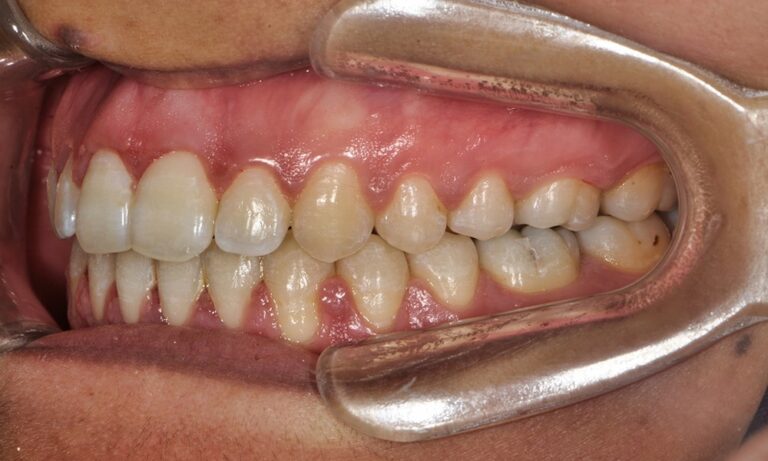
One of the main reasons a night guard for bruxism is not covered is its classification as a preventive device rather than a medically necessary treatment. Insurance providers typically distinguish between procedures that treat an existing condition and those intended to prevent future damage. Night guards often fall into the latter category, especially when there is no documented structural damage such as enamel loss, fractures, or temporomandibular joint complications.
Under many dental insurance plans, preventive care is limited to routine services such as scaling, polishing, or basic examinations. Appliances designed to reduce risk may not qualify unless there is clear clinical evidence that damage has already occurred. Even when bruxism is diagnosed, insurers may still view the night guard as a protective measure rather than a required intervention, leading to non-reimbursement.
2. Policy Limits and Appliance Exclusions
Another reason relates to policy structure. Many dental insurance plans include specific exclusions for dental appliances, which can cover items such as retainers, aligners, and night guards. These exclusions are often written into the policy terms to control costs, as appliances can vary widely in price and frequency of replacement.
Even when appliances are not fully excluded, coverage may be capped under annual limits or sub-limits for prosthetic or adjunct treatments. A night guard for bruxism may fall under these capped categories, meaning the reimbursement is partial or unavailable once limits are reached. Some policies also impose waiting periods for non-routine treatments, so claims made shortly after policy activation may not be eligible.
In addition, insurers may differentiate between custom-made and over-the-counter devices. Custom night guards, which involve dental impressions and laboratory fabrication, are more likely to be flagged as higher-cost items. If the policy does not explicitly include such appliances, claims are commonly declined.
3. Documentation and Diagnostic Requirements
Claims for a night guard for bruxism can also be rejected due to insufficient documentation or failure to meet diagnostic criteria. Insurance providers rely on clinical records to justify the need for treatment. If the submission lacks detailed notes, supporting images, or a clear diagnosis, the claim may not meet approval standards.
For example, insurers may require evidence such as tooth wear patterns, reports of jaw pain, or a formal diagnosis of bruxism linked to functional impairment. However, without these, the night guard may be viewed as optional. Documentation standards, in the context of dental insurance, can be strict, particularly for treatments that fall outside routine care.
There is also variation in how bruxism is assessed. Some cases are self-reported, while others are confirmed through clinical observation or sleep studies. If the insurer considers the diagnosis insufficiently substantiated, the claim may not proceed. This situation creates a gap between clinical recommendations and insurance approval, even when the dentist has advised the appliance.
Conclusion
A night guard for bruxism is not always covered due to how insurers define necessity, structure policy limits, and evaluate supporting documentation. These factors combine to determine whether a claim is approved or declined. Patients considering treatment should review their policy terms, clarify coverage categories, and ensure that proper clinical documentation is prepared. This approach reduces uncertainty and allows for informed decisions about managing bruxism-related risks.
Visit Happy Teeth Family Dental to speak to a dental provider who understands how dental insurance works.