

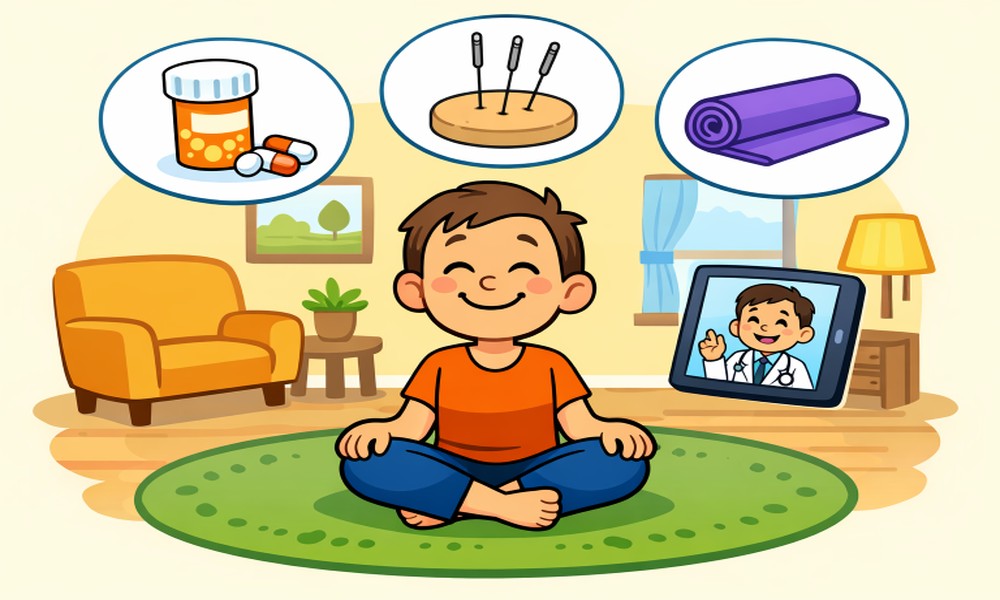
Chronic pain can disrupt daily life, persist for months or years, and often resists simple solutions. While medications and physical therapy offer some relief, seeking diverse solutions is essential for many living with long-term pain. Today, a range of novel and integrative therapies-from cutting-edge medical treatments to mind-body interventions-allow individuals to customize their care and address pain from multiple angles. For those looking for non-invasive ways to manage symptoms between office visits, consider Non-surgical at-home pain care, which offers several solutions available in the comfort of your home.
Innovative approaches are reshaping what’s possible in chronic pain management, moving far beyond traditional treatments alone. These methods empower patients to partner with their care teams, strengthening both body and mind. Identifying the strategy that meets your specific needs can help restore functionality, lessen discomfort, and improve overall quality of life.
Comprehensive pain relief is best achieved by blending established medical care with new options and supportive therapies. This ensures care is not limited by geography or specialized clinical access. With tools like virtual programs and digital monitoring, many therapies can now be accessed remotely, making them more inclusive of different lifestyles. Modern research underscores the value of both emotional wellness and individualized care planning for sustained results.
The evolution of chronic pain treatment also highlights the importance of interdisciplinary techniques that bridge gaps between conventional practices and emerging science. These approaches not only alleviate symptoms but target root causes to support deeper healing. For further advances in immune system health relating to pain and inflammation, see Redefining chronic immune management for insights on integrative care models.
Table of Contents
- Whole Health Approach
- Ketamine Infusion Therapy
- Emotional Processing Therapy
- Scrambler Therapy
- Acupuncture
- Mindfulness and Exercise
- Patient-Centered Care
- Conclusion
Whole Health Approach
The Whole Health model embraces a personalized, interdisciplinary strategy that revolves around the individual’s personal wellness goals. Practitioners like F8 Wellness exemplify this model by utilizing a comprehensive, drug-free approach to treating the whole person, both brain and body. This model integrates non-drug therapies, group education, and wellness coaching, addressing physical, emotional, and social factors, often complemented by supportive options like Dona® chronic joint support. In studies involving nearly 800 veterans, the Whole Health approach significantly reduced daily pain interference compared to standard medical care or even cognitive behavioral therapy. Notably, these effects were achieved primarily via telehealth services, making Whole Health accessible to patients no matter their location. For more on this model’s outcomes, see VA Research News Briefs.
Ketamine Infusion Therapy
Low-dose ketamine infusions represent a breakthrough for chronic pain syndromes that are unresponsive to traditional medications. Research from the Cleveland Clinic reveals that ketamine infusions deliver significant pain reduction and improve quality of life for people with complex regional pain syndrome, neuropathic pain, and other persistent conditions. These infusions showed high rates of patient adherence and minimal side effects, making them a viable option for those seeking alternatives to opioid therapy. For more background on ketamine’s safe use in pain management, view the Cleveland Clinic’s patient resource.
Emotional Processing Therapy
The way our brains process emotions can either amplify or relieve chronic pain. Emotional processing therapies help retrain these automatic responses, targeting the psychological aspects that contribute to pain persistence. A study by the University of New South Wales and Neuroscience Research Australia demonstrated that focusing on emotional regulation reduced pain intensity while improving overall life satisfaction. Patients experienced lasting benefits as the therapy addressed the brain’s pain-emotion network, not just physical symptoms. See ScienceDaily for details on this innovative research.
Scrambler Therapy
Scrambler therapy is a novel, non-invasive technique that uses electrical stimulation to confuse pain pathways and “scramble” chronic pain signals sent to the brain. Johns Hopkins Medicine’s review of clinical results found that 80% to 90% of patients receiving scrambler therapy experienced significant, lasting reduction in their chronic pain, even when other treatments had failed. Compared to more familiar technologies like TENS units, scrambler therapy targets nerve communications more specifically, making it a promising evolution in neurostimulation. Read more at the Johns Hopkins Medicine Newsroom.
Acupuncture
Acupuncture’s ancient principles are increasingly supported by modern evidence, particularly for chronic low back pain in older adults. When added to standard medical care, acupuncture can boost both pain reduction and mobility. The National Institutes of Health highlights acupuncture as a safe, well-tolerated choice that is especially effective for musculoskeletal conditions and may decrease the need for pain medications. More information on clinical outcomes and broader benefits of acupuncture is available at NIH Research Matters.
Mindfulness and Exercise
Mindfulness-based programs, such as mindfulness-based stress reduction and cognitive behavioral therapy, have proven benefits in chronic pain management. By cultivating greater awareness and acceptance, these practices help people navigate pain triggers and reduce symptom severity. Combining mindfulness with gentle movement-as in yoga or tai chi-yields even better results for conditions like arthritis or fibromyalgia. Incorporating these activities can improve flexibility, decrease fatigue, and promote overall resilience. UCLA Health discusses several promising options in their article on alternative chronic pain treatments.
Patient-Centered Care
Modern pain management must be personalized, blending medical best practices with the individual needs, values, and life context of the patient. Patient-centered care ensures that each management plan considers physical, emotional, and even cultural dimensions, promoting approaches that foster trust and long-term collaboration. Recent expert panels stress that such individualized planning delivers better adherence, improved satisfaction, and reduces the risk of over-reliance on prescription medications. For perspective on trends in this approach, explore Mayo Clinic’s patient-centered philosophy.
Conclusion
Successfully managing chronic pain is rarely accomplished with one single approach. Instead, integrating advanced therapies like ketamine infusions and scrambler therapy with holistic models, emotional processing, and mindful movement provides a path to both immediate symptom relief and lasting resilience. Each strategy is designed to address unique aspects of the chronic pain experience. By consulting with healthcare providers to build a comprehensive, well-coordinated plan, individuals have the best chance to reclaim comfort, functionality, and control in their daily lives.

Comments are closed.