

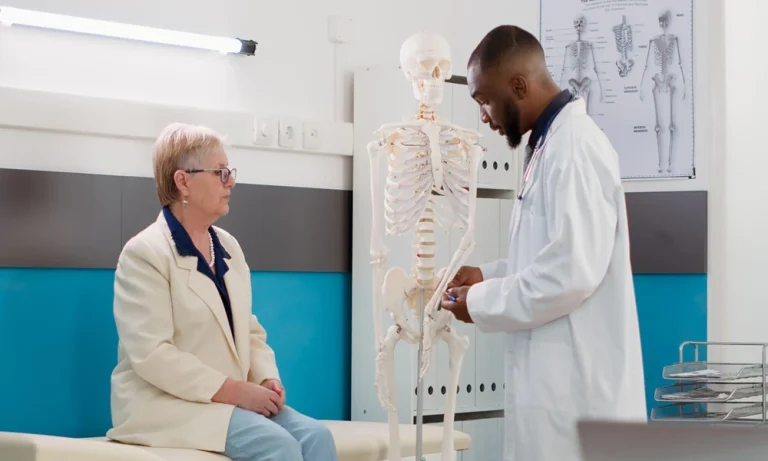
Back pain, neck stiffness, or radiating leg discomfort can disrupt daily routines, sleep patterns, and physical mobility. While temporary muscle strains often resolve with rest or basic physical therapy, lingering spinal discomfort leads many individuals to seek specialised medical evaluations. Consulting a backbone specialist allows patients to determine the underlying cause of their symptoms and explore suitable management strategies.
Walking into an initial orthopaedic consultation without preparation can make absorbing clinical information and diagnostic options challenging. Organising medical records and documenting pain history before the visit helps facilitate an efficient discussion with the doctor.
Organising Diagnostic History and Medical Records
A practitioner requires a full view of previous spine assessments to evaluate structural issues. Arriving with organised medical documentation prevents unnecessary duplicate testing and provides clear clinical context.
Gather all previous physical radiology reports, digital scan discs (such as MRI, CT, or X-ray scans), and clinical summaries from general practitioners or physiotherapists prior to the appointment.
| Document Type | What to Bring | Clinical Value for Your Specialist |
| Diagnostic Imaging Discs | MRI, CT scans, and X-ray DICOM files | Shows structural disc herniation, nerve compression, or bone alignment |
| Written Radiology Reports | Official radiology findings and summaries | Provides technical interpretations of structural spinal changes |
| Past Treatment Summaries | Records of physiotherapy or steroid injections | Documents how the back condition responded to prior conservative care |
| Medication List | Full list of current daily prescriptions | Prevents drug interactions and outlines past pain management approaches |
Presenting a clear clinical history enables the physician to assess structural issues and outline a diagnostic plan tailored to the case.
Tracking Pain Patterns, Triggers, and Daily Limitations
Describing spinal pain accurately can prove difficult during a consultation. Simply stating that the back hurts provides limited information for a clinical diagnosis.
Maintaining a simple symptom diary for one to two weeks leading up to the visit helps clarify the condition. Note whether the pain feels sharp, dull, burning, or presents as numbness radiating into the limbs. Record specific daily triggers, such as sitting at an office desk, bending, or walking set distances.
In addition, explain how spinal discomfort affects daily activities. Sharing specific examples-such as difficulty lifting objects or waking up during the night-helps a backbone specialist evaluate the functional impact of the condition.
Preparing Questions About Conservative and Surgical Options
A consultation serves as an opportunity to ask questions and clarify treatment pathways. Preparing a written list of questions ensures that all health concerns receive attention during the appointment.
Inquire first about non-surgical, conservative management paths, such as physical therapy, lifestyle modifications, or targeted injections. If the physician recommends surgical intervention, ask for an explanation of the specific structural objectives of the proposed procedure.
If surgical options come under consideration, discuss the surgical approaches and ask the physician to outline specific minimally invasive spine surgery risks, such as nerve irritation, infection, or persistent pain. Understanding potential minimally invasive spine surgery risks alongside expected recovery timelines helps patients make informed healthcare choices.
Communicating with Your Backbone Specialist
Direct communication with the physician forms an important part of spine care. During the physical examination, provide clear feedback when the doctor tests reflexes, muscle strength, or range of motion.
Ask for clarification if the physician uses complex medical terminology or anatomical terms. A backbone specialist can review digital X-rays or MRI scans on screen, helping patients understand their specific spinal anatomy.
Active participation during the visit ensures that the final management plan aligns with individual activity goals, work requirements, and health priorities.
Next Steps for Your Spine Health
Preparing for a spine consultation helps structure the appointment and clarifies available options. By gathering diagnostic records, tracking symptom patterns, and asking specific questions about procedures, patients take a structured approach to their care.
Review your medical records, prepare your questions, and consult a medical professional to evaluate your spinal health.
Frequently Asked Questions
What should I wear to my first backbone specialist appointment?
Wear loose, comfortable clothing that allows for movement, as the specialist will assess physical mobility, posture, and reflexes during the examination.
How long does an initial spine consultation typically last?
An initial consultation usually lasts between 30 and 45 minutes, allowing time for physical examinations, image reviews, and discussion.
Will I need a new MRI scan during my first visit?
If you bring recent, clear MRI scan discs taken within the past six months, the specialist can often evaluate those images without ordering new scans immediately.
To schedule an evaluation for back pain, contact Achieve Spine & Orthopaedic Centre for clinical assessments, non-surgical therapies, and surgical options.