

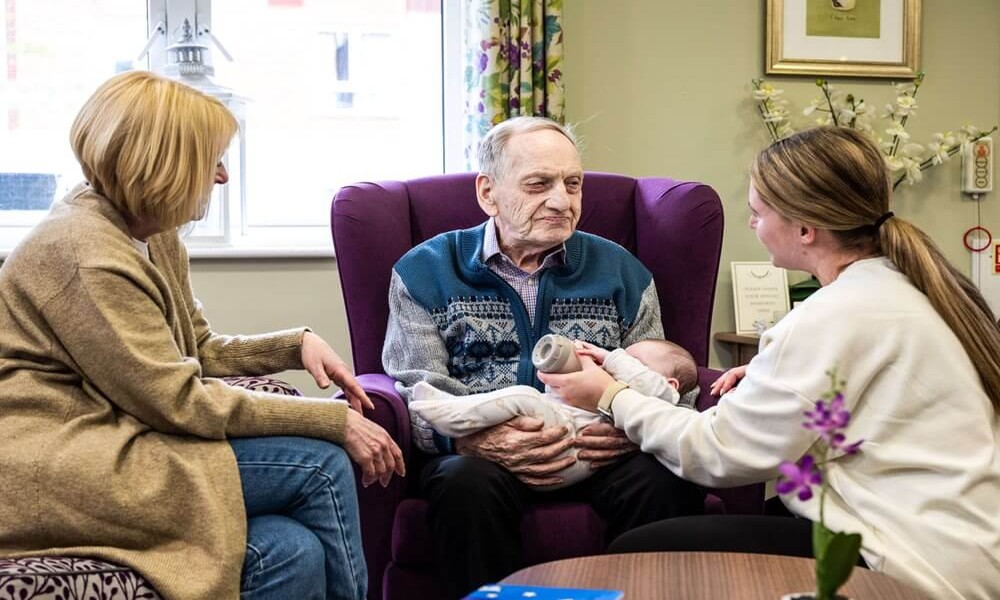
Navigating life with a cognitive condition presents unique challenges for individuals and their loved ones across the United Kingdom. A specialised form of assistance, designed specifically for these challenges, offers a vital lifeline. This person-centred approach focuses on delivering compassionate, tailored help within the comforting and familiar surroundings of one’s own residence.
Millions of people in the UK live with various forms of cognitive decline. Each person’s experience is different, requiring a nuanced response that honours their dignity, preferences, and history. The right kind of specialised assistance aims to promote a better quality of life and daily wellbeing.
Remaining in a known environment provides immense psychological comfort and a sense of security. It allows for continuity of routine and personal history, which is especially valuable during times of change. This continuity benefits both the individual and their family network.
This form of personalised assistance encompasses a wide spectrum of help. It can include aid with daily tasks, personal routines, and managing household affairs. Equally important is the provision of companionship, emotional reassurance, and activities designed to engage the mind.
The core objective is to foster as much independence as possible while enhancing overall wellbeing. For families, it brings significant peace of mind, knowing a loved one receives expert, responsive attention that adapts over time.
This article will explore key aspects of managing life with cognitive change at home. It will cover understanding the condition, developing effective plans, creating safe living spaces, and finding trusted providers of high-quality assistance.
Key Takeaways
- Specialised, person-centred assistance is available for individuals in the UK living with cognitive change.
- Receiving help in one’s own familiar surroundings offers comfort, security, and continuity.
- This form of support is tailored to individual needs, preferences, and dignity.
- A comprehensive range of assistance is offered, from practical daily help to emotional and cognitive engagement.
- The primary goals are to maintain independence, enhance wellbeing, and provide families with reassurance.
- Effective plans and a safe home environment are crucial components of quality assistance.
- Finding a trusted, responsive provider is a key step in accessing this vital resource.
Understanding Dementia and Its Impact
Understanding dementia begins with recognising it as a syndrome, not a single disease. It is an umbrella term for a range of progressive neurological conditions that affect brain function. Each type presents unique challenges that impact daily life over time.
The brain consists of billions of neurones, or nerve cells, that communicate through chemical signals. When dementia develops, these neurones become damaged. This disrupts message transmission and affects all bodily functions.
Key types include:
- Alzheimer’s disease, the most common form
- Vascular dementia, caused by reduced blood flow
- Lewy body dementia, characterised by protein deposits
- Frontotemporal dementia, affecting personality
- Mixed dementia, a combination of types
While memory is primarily affected, thinking, reasoning, communication, mood, and behaviour can also change. The ability to perform everyday tasks often declines.
Symptoms vary significantly between individuals and progress at different rates. Understanding the specific type and its impact on the person is essential. It allows for tailored strategies that address unique needs.
Though these conditions are progressive and currently incurable, appropriate assistance can significantly improve quality of life. It can slow symptom progression and help individuals maintain dignity and independence.
Comprehensive Dementia Home Care Support Services
The cornerstone of quality assistance for cognitive change is a plan built around the person’s unique circumstances. This form of provision is condition-led, designed specifically for the individual’s diagnosis and lifestyle.
Defining the Care Needs
A thorough evaluation is the first step. It considers the type and stage of the neurological condition, existing signs, and daily capabilities. Personal preferences and safety are central to this assessment.
Needs span several key areas. These include personal routines, meal preparation, and managing medicines. Household tasks, cognitive engagement, and emotional reassurance are also vital.
| Aspect of Need | Early Stage Focus | Later Stage Focus |
|---|---|---|
| Personal Care | Prompting and supervision | Hands-on assistance |
| Medication | Reminders and organising | Full administration |
| Daily Activities | Encouraging independence | Completing tasks for the person |
| Safety & Mobility | Minimising home hazards | Constant supervision and fall prevention |
| Companionship | Social engagement and conversation | Providing calm, reassuring presence |
Adapting to Changing Symptoms
As the situation progresses, requirements evolve. This progression means the assistance provided must be responsive and flexible.
Professional helpers continuously monitor and adjust strategies. They recognise subtle changes and implement new approaches. This maintains comfort and dignity at each stage.
Flexibility in provision is essential. Whether someone requires a few weekly visits or constant attendance, services can scale appropriately. This ensures continuity without unnecessary disruption.
Developing Person-Centred Care Plans
Person-centred planning shifts the focus from standard procedures to the individual’s unique life story. This approach creates a comprehensive document that guides all future assistance. It ensures help is tailored, not templated.
Developing an effective plan begins by understanding the person beyond their diagnosis. Their background, values, relationships, and daily joys are central. This deep knowledge shapes every aspect of the assistance provided.
| Component | Description | Primary Benefit |
|---|---|---|
| Personal Profile | Details life history, preferences, routines, and aspirations. | Ensures assistance respects the individual’s identity and dignity. |
| Goal Setting | Focuses on maintaining independence and continuing valued activities. | Promotes abilities and enhances overall wellbeing. |
| Coordination | Names a lead professional to oversee different types of help. | Guarantees seamless communication between all parties involved. |
The plan should involve the individual, where possible, and their family. This collaboration ensures everyone understands the approach. Regular reviews, at least yearly, are essential.
This process adapts the plan to reflect evolving needs. It maintains the quality of provision over time. A living document like this is vital for responsive, effective assistance.
Tailored In-Home Support for Loved Ones
Flexibility in provision allows assistance to adapt to an individual’s established daily rhythm. For many with mild-to-moderate dementia, staying in their own residence is a realistic and positive goal. Adequate, personalised help makes this possible.
This approach is built around existing routines. It fits into a person’s life, rather than asking them to conform to an institutional timetable. This respect for personal rhythm reduces distress and promotes calm.
| Type of Visit | Typical Duration | Primary Focus |
|---|---|---|
| Brief Visit | 30 mins – 1 hour | Medication prompts, meal preparation, safety check. |
| Companionship Call | 2 – 4 hours | Social engagement, shared activities, light housekeeping. |
| Extended Day Support | 6+ hours | Full personal care, outings, holistic daily management. |
| Overnight Stay | 10 – 12 hours | Night-time reassurance, safety, preparation for the next day. |
Professional helpers work alongside family members. They provide expert assistance that relieves pressure. This collaboration prevents burnout and ensures a loved one receives consistent, skilled attention.
The emotional benefits are profound. Remaining in a familiar space maintains connections to neighbours, pets, and cherished possessions. These links to personal history are vital for a person’s identity and overall wellbeing.
Role of Experienced Carers in Dementia Support
Skilled professionals form the essential foundation for high-quality support for individuals with neurological changes. Their specialist knowledge and compassionate approach directly improve daily wellbeing. They make a genuine difference in the lives of those they assist.
Training and Expertise
Professional carers undergo rigorous preparation. This covers understanding various conditions, recognising symptoms, and using effective communication techniques. Training emphasises person-centred principles, safeguarding, and promoting dignity.
Expertise extends beyond basic tasks. These carers learn to manage complex behaviours and support communication difficulties. They implement cognitive activities and adapt approaches as needs evolve.
A key component for carers is expert mobility training. This ensures safe assistance with movement, preventing falls while encouraging physical activity. It helps maintain independence within a person‘s capabilities.
Effective helpers possess personal qualities like patience and empathy. These traits enable them to build trusting relationships. Flexibility and genuine warmth are equally important.
Ongoing professional development keeps skills current. Helpers learn new therapeutic approaches. This enhances the quality of provision for each individual.
Specialist dementia nurses, such as Admiral Nurses from Dementia UK, provide additional guidance. They support families and carers with complex situations. This ensures access to the highest standard of care.
| Competency Area | Key Skills | Benefit to Individual |
|---|---|---|
| Communication | Adapted techniques, active listening | Reduces frustration, promotes understanding |
| Behaviour Support | De-escalation, positive engagement | Manages distress, maintains calm |
| Mobility & Safety | Fall prevention, safe transfer techniques | Enhances security, encourages activity |
| Cognitive Engagement | Stimulation activities, memory prompts | Supports mental function, provides enjoyment |
Creating a Dementia-Friendly Home Environment
A well-adapted residence can significantly improve daily life for someone experiencing cognitive changes. Thoughtful adjustments to the living space enhance safety, reduce confusion, and support independence. Crucially, they maintain the familiar, comfortable atmosphere that provides essential security and orientation.
Fall Prevention and Safe Mobility
Practical modifications are key. Improving lighting reduces shadows and glare. Using contrasting colours helps identify objects and edges. Removing clutter, securing rugs, and installing grab rails prevent trips. Clear pathways must be maintained throughout the home.
Professional carers conduct thorough safety assessments. They identify and eliminate hazards like loose carpets or poor lighting. Keeping everyday items within easy reach minimises risky reaching or bending. These strategies are fundamental for fall prevention.
Safe mobility support balances security with confidence. Assistance is given to help the individual move around their home independently. Mobility aids are used when necessary, and regular activity is encouraged to maintain strength.
Comfort Through Familiar Surroundings
Recognising their own environment provides profound comfort. Personal possessions, routines, and known layouts help maintain orientation. This reduces anxiety and supports cognitive function through memory cues.
Additional adaptations foster this familiarity. Clear signage on doors aids navigation. Memory aids like large clocks provide reference. Reducing noise levels and keeping furniture placement consistent avoids disorientation.
The environment is continuously monitored. As needs change, ongoing adjustments ensure the home remains safe, navigable, and supportive. This proactive approach sustains wellbeing throughout the progression of the condition.
Strategies to Enhance Independence and Companionship
Two fundamental pillars for improving daily life are the preservation of personal autonomy and the provision of sincere companionship. These elements work together to maintain dignity and bring meaningful engagement to each day.
Enhancing independence involves enabling individuals to continue doing what they can for themselves. Helpers offer gentle prompting rather than taking over tasks completely. Effective strategies include breaking activities into simple steps and using visual cues as reminders.
Maintaining consistent routines provides reassuring structure. Celebrating small achievements builds confidence and self-worth. This approach respects the person’s capabilities while providing necessary assistance.
True companionship forms a vital component of holistic assistance. Carers offer genuine friendship through conversation and shared activities. They combat loneliness by providing emotional presence and cognitive stimulation.
Effective companions practice active listening and validate feelings. They engage in reminiscence about past experiences at the person’s own pace. This creates a warm, trusting relationship where the individual feels valued.
Shared pursuits like preparing meals together or enjoying music foster both independence and companionship. Helpers balance encouraging autonomy with ensuring safety. They know when to step in while always respecting personal choices.
Family Involvement and Community Support
Professional assistance actively fosters existing relationships and encourages participation in community life, combating isolation. This collaborative approach ensures loved ones remain central to a person’s world.
Benefits of Social Engagement
Helpers work with the family, not instead of them. They facilitate visits and gatherings. This maintains vital emotional bonds.
Connections extend to friends, neighbours, and local groups. Attending community events or a faith group provides routine. These activities bring joy and purpose.
| Social Connection Type | Primary Benefit | Example Activity |
|---|---|---|
| Family & Close Friends | Provides comfort, continuity, and a sense of belonging. | Hosting a weekly tea for grandchildren. |
| Local Community Groups | Reduces isolation and offers cognitive stimulation. | Joining a dementia-friendly singing group. |
| Faith or Interest Clubs | Maintains personal identity and shared values. | Attending a familiar religious service. |
| Neighbourly Contact | Creates informal, low-pressure social moments. | A short chat while gardening. |
This support also aids the family. It offers guidance during challenging times. Sustained engagement is a key factor for enhanced wellbeing for one living with dementia.
Integrating Medical and Holistic Approaches
A truly effective strategy for managing a neurological condition combines clinical oversight with practices that nourish the whole person. This integrated model addresses both physical health and overall wellbeing.
It ensures medication is managed and health is monitored. At the same time, it actively promotes mental and emotional wellness.
Cognitive Exercises and Creative Therapies
Stimulating the mind is a core holistic practice. Tailored activities like puzzles, word games, and reading can engage cognitive function.
Reminiscence work, discussing past events with photos, also exercises memory. These tasks are adapted to an individual’s interests and abilities.
Creative therapies provide profound emotional help. Listening to favourite music or engaging in simple art can spark joy and connection.
These moments reduce agitation and foster a sense of purpose. They are vital for emotional balance.
Nutrition and Daily Wellness
What we eat directly impacts brain health. A poor diet can worsen confusion and make someone more susceptible to illness.
Professional care includes preparing balanced meals and ensuring good hydration. Assistance with eating is provided when needed.
Gentle movement is equally important for the body. The NHS recommends simple exercises like chest stretches and ankle rotations.
These activities maintain mobility and improve circulation. They also boost mood significantly.
| Wellness Component | Example Activities | Primary Benefit |
|---|---|---|
| Cognitive Stimulation | Puzzles, reading, discussion | Supports mental function and slows decline |
| Creative Engagement | Music listening, simple crafts | Evokes positive emotions and reduces anxiety |
| Physical Health | Gentle stretches, short walks | Maintains mobility and improves overall health |
| Nutritional Support | Balanced meals, hydration monitoring | Fuels the body and can reduce confusion |
A cohesive daily routine weaves these elements together. Regular sleep, fresh air, and social interaction are also key.
Coordinating this approach between family, carers, and health professionals ensures seamless, comprehensive support. This holistic focus is central to enhancing quality of life for a person living with dementia.
Guidance on Navigating Care Assessments and Financial Support
Many families find the assessment and funding landscape daunting when arranging for a loved one’s wellbeing. Understanding the available processes is crucial to secure appropriate assistance without undue financial strain.
The first step is a needs assessment conducted by local council social services. This evaluation determines what daily help a person requires, such as with washing or meal preparation. It should ideally be a face-to-face meeting at the individual’s residence, with a family member present to provide insight.
If the assessment identifies required help, a financial assessment follows. This means test calculates personal contribution towards care costs based on income and savings. Some people may qualify for fully funded support.
Family members providing substantial help may be eligible for Carer’s Allowance. They can also request a carer’s assessment from their local council. This identifies their own needs and can access respite services.
For individuals whose primary needs are health-related, NHS continuing healthcare may provide fully funded care. This is assessed separately by NHS staff and is not means-tested.
Specialist dementia advisors and support teams offer invaluable guidance through these processes. They help families understand entitlements and complete necessary applications.
Flexible Visiting and Live-In Dementia Care Options
From brief visits to constant companionship, the spectrum of available help adapts to individual requirements. Families can select a model that aligns with a loved one‘s current stage and daily rhythm.
This flexibility allows arrangements to evolve as needs change over times. It provides reassurance that appropriate assistance is always in place.
Customising Care Schedules
Visiting dementia care offers tailored support during scheduled periods. A carer might come for a short 30-minute call or longer visits throughout the day.
Schedules target specific needs. Morning assistance with personal routines, lunchtime meal preparation, or evening help with bedtime are common. This targeted support lets the individual maintain independence between visits.
Ensuring Continuous Support
Live-in care provides a comprehensive solution. A dedicated helper resides in the home, offering 24/7 presence.
This ensures immediate assistance during vulnerable times, like overnight. It delivers security through a consistent one-to-one relationship.
Partnering with Trusted Providers
Choosing a reliable provider is crucial for quality dementia care. Firms like Knightsbridge Care Services Ltd employ experienced professionals.
They understand the condition’s complexities. Families gain peace of mind knowing their loved one receives compassionate, person-centred assistance at home.
How Technology Enhances In-Home Dementia Care
Modern devices offer new avenues for safety and connection for those managing neurological changes at home. These tools promote independence and provide families with significant reassurance.
Safety is a primary focus. Motion sensors can detect falls or unusual inactivity. Door alarms alert helpers if a person wanders. Automatic lighting prevents trips during the night.
GPS trackers offer security for outdoor walks. These technologies create a safer living environment without being intrusive.
Memory and cognitive support come from smart devices. Automated pill dispensers give clear reminders. Digital calendars display the day and time in large, clear fonts.
Voice-activated assistants can answer questions and set prompts. Tablet apps provide gentle brain exercises designed for cognitive engagement.
Staying connected is easier with simplified tech. Dedicated video call devices let families chat face-to-face. Digital photo frames cycle through familiar, comforting images.
Remote monitoring systems give peace of mind. Smart home sensors track daily activity patterns. Wearable devices can monitor vital signs and alert to concerns.
Entertainment technology also plays a key role. Music streaming services access favourite songs from the past. Reminiscence apps use photos and videos to spark joyful memory.
Skilled helpers integrate these tools in a thoughtful way. They ensure devices are user-friendly and enhance routines. The human connection remains at the very heart of all care.
Trusted Providers in Dementia Home Care
Independent regulatory oversight offers a vital benchmark for families evaluating potential sources of help. Choosing a provider is one of the most significant decisions relatives will make.
It requires careful thought about experience, reputation, and compliance. The quality of the team who will assist a loved one is paramount.
Expertise from Leaders in the Field
Reputable firms are registered with bodies like the Care Quality Commission (CQC). Positive inspection reports from these independent assessments provide real confidence.
They confirm a provider’s safety, effectiveness, and overall standard. This offers immense peace of mind during a challenging time.
Trusted providers employ fully vetted, high-calibre professionals. Comprehensive background checks and relevant qualifications are standard.
Leaders like Knightsbridge Care Services Ltd bring years of specialised expertise. They understand different conditions and deliver person-centred dementia care.
Continuous training is guaranteed for all staff. This ensures helpers stay current with best practices and new therapeutic approaches.
A knowledgeable support team is always available to answer questions. They guide families through options and maintain clear communication.
Trust is demonstrated through transparent policies and regular plan reviews. Positive testimonials and a consistent record of high-quality services meet family expectations. This comprehensive approach defines reliable dementia care.
The Expertise Behind Quality Home Dementia Services
Expertise in this field is not merely theoretical. It is forged through years of dedicated practice and continuous learning.
This deep knowledge stems from direct experience with diverse neurological conditions. Professionals collaborate with health specialists and stay informed on best practices.
Personalised Stories and Client Testimonials
Real-world impact is best understood through client stories. These accounts reveal the difference compassionate, skilled provision makes.
Andrew’s experience is a powerful example. He shares his perspective on the assistance his mother receives.
“Very friendly, helpful and experienced. They are a lifeline for my Mum who has Alzheimer’s. I would recommend them with no reservations to anyone seeking care for those in need.”
This feedback highlights reliability and the genuine relationships built. It shows how quality of life can be maintained for a loved one.
Providers like Knightsbridge Care use such insights to improve. They celebrate successes and learn from every challenge.
| Element of Expertise | How It’s Developed | Benefit to Families |
|---|---|---|
| Specialised Knowledge | Ongoing training and direct case experience | Confidence in safe, effective support |
| Personalised Approach | Listening to life stories and individual goals | Plans that honour a person’s unique identity |
| Compassionate Delivery | Selecting professionals with empathy and patience | Peace of mind and emotional reassurance |
This comprehensive approach ensures each one receives truly individualised attention. It transforms daily life despite the challenges of their condition.
Prioritising Quality of Life and Daily Activities
A diagnosis does not erase a person’s identity or their capacity for joy and purpose in daily life. Prioritising quality of life means recognising individuals remain whole people with interests and emotions.
They retain the right to experience meaning beyond basic needs. This perspective is central to compassionate care.
Facilitating Hobbies, Outings and Social Engagement
Facilitating hobbies is essential for wellbeing. A dementia diagnosis does not eliminate enjoyment of cherished activities.
People may just need help to continue. Skilled helpers support gardening, cooking, crafts, and attending religious services.
They assist with visits to family and friends. Trips to the shops or a local café provide pleasant outings.
Carers can accompany a loved one to the seaside or a National Trust property. These excursions offer stimulation and connection.
Enhancing Independence Through Trusted Support
Enhancing independence means enabling people to live on their own terms. It involves making choices and maintaining autonomy.
Trusted sources like Knightsbridge Care provide assistance that supports rather than restricts. This approach helps a loved one pursue personal interests.
Daily routines provide structure and purpose. Reading the newspaper, tending a garden, or sharing tea at familiar times all contribute.
Helpers balance support with encouragement. They celebrate abilities and create opportunities for meaningful engagement every single day.
Preparing for Future Care Needs and Transitions
Transitions in later life, though challenging, can be managed more smoothly with thoughtful preparation and open dialogue.
While helping a loved one stay at home is ideal, honest conversations about progression are vital. Dementia is a progressive condition.
Symptoms and needs typically worsen gradually. There may come a time when even comprehensive assistance at home is no longer sufficient.
The decision about a potential move to a care home is emotionally difficult for families. It may become the most appropriate option for wellbeing.
Families remain crucially involved after any transition. They continue to visit, participate in decisions, and provide emotional connection.
Local councils conduct new assessments if residential care is considered. A needs assessment confirms the requirement.
A financial assessment determines contributions towards care home fees. Trial periods in facilities can sometimes be arranged.
This helps the individual and loved one adjust gradually. It assesses whether the environment is suitable.
| Aspect of Transition | Process Involved | Key Benefit |
|---|---|---|
| Needs Confirmation | Local council assessment | Formally identifies requirement for residential care |
| Financial Planning | Means-testing assessment | Clarifies personal contribution towards care home costs |
| Environment Trial | Short-term stay arrangement | Allows gradual adjustment and suitability check |
| Quality Assurance | CQC inspection reports | Provides independent information on safety and standards |
The Care Quality Commission inspects all residential and nursing homes. Their reports help one choose appropriate facilities.
This ensures a loved one receives good support in a regulated environment, even if dementia progresses.
Conclusion
Choosing the right path for a family member facing cognitive changes is a profound decision that shapes their daily experience. Compassionate assistance within a familiar setting provides a cornerstone for wellbeing during these challenging times.
Effective dementia care is built on person-centred plans that respect each individual‘s history and preferences. It adapts over the years as needs evolve, always aiming to uphold dignity.
This holistic approach goes beyond basic tasks. It includes companionship, mental engagement, and helping a loved one pursue meaningful activities. This sustains their quality of life and sense of self.
Professional helpers bring essential expertise and reliability. They offer families significant peace of mind, knowing their loved one is in capable hands. This support makes a positive way forward possible.
Ultimately, securing the right home care is an investment in a person’s overall wellbeing. It enables them to live as fully as possible, surrounded by comfort and connection.

Comments are closed.