

Understanding the Global and National Burden of Chronic Illness
Many of us, or someone we know, are living with a chronic condition. In the United States alone, three out of four adults have at least one chronic condition, and more than half manage two or more. These long-lasting health issues present a significant challenge.
As of June 2026, chronic conditions like heart disease, cancer, and diabetes are the leading causes of illness, disability, and death in the nation. They also drive an estimated $5.3 trillion in annual healthcare costs. This growing health trend affects all age groups, from 60% of younger adults to over 90% of those aged 65 and older.
Navigating life with a chronic condition requires specialized care and support. This extensive guide will explore what chronic conditions are, their risk factors, and how social determinants of health play a role. We will then delve into what high-quality chronic care looks like, including the specific aims that guide it. Understanding financial support, such as Medicare and private insurance programs, is also crucial. For many, living well with these conditions means finding effective strategies to manage ongoing symptoms, such as persistent discomfort. Managing chronic pain effectively is a crucial part of comprehensive care that can greatly improve daily life. Finally, we will offer practical steps for individuals, caregivers, and health systems to prevent, manage, and live well with these conditions.
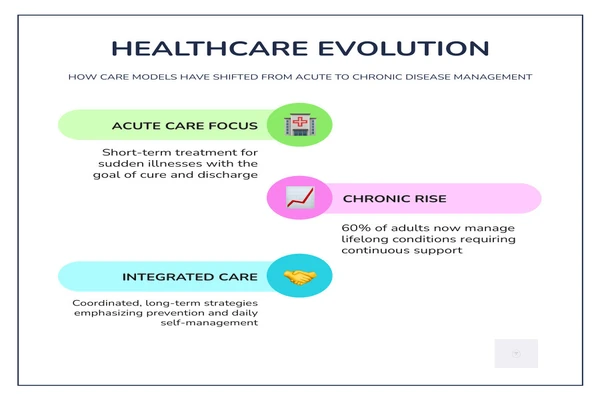
A chronic condition is generally defined as a medical condition that lasts for a year or longer, often requiring ongoing medical attention or significantly limiting daily activities. Unlike acute illnesses, which are typically short-lived and curable, chronic conditions are often lifelong and focus shifts to management rather than eradication. In the U.S., the prevalence is striking: approximately 60% of adults have at least one chronic disease, and about 40% have two or more. This burden is particularly heavy among older adults, with over 90% of those aged 65 and above managing at least one chronic condition. Even among younger adults (18-34), 60% have at least one chronic condition, highlighting the widespread nature of this health challenge. Globally, chronic diseases account for a substantial portion of deaths, underscoring their universal impact.
Several factors contribute to the development of chronic conditions, some of which are preventable. Major risk factors include:
- Tobacco Use: Smoking is a leading cause of preventable death and disease, contributing to over 480,000 deaths annually in the U.S. and affecting over 16 million Americans with smoking-related illnesses.
- Poor Nutrition and Physical Inactivity: Diets high in processed foods and a sedentary lifestyle contribute to obesity, heart disease, diabetes, and certain cancers. Only about 1 in 10 adults consumes the recommended amounts of fruits and vegetables.
- Excessive Alcohol Use: Long-term heavy drinking can lead to liver disease, heart problems, and increased cancer risk.
However, not all risk factors are within an individual’s control. Age, genetics, and family history also play significant roles. For a deeper dive into understanding persistent discomfort, our chronic widespread pain complete guide offers valuable insights into its causes and management.
Preventable vs. Non-Preventable Risk Factors for Chronic Conditions
Risk Factor Category Examples Preventable? Lifestyle Tobacco use, poor diet, physical inactivity, excessive alcohol consumption Yes Environmental Exposure to pollutants, unsafe living conditions Partially Biological High blood pressure, high cholesterol, obesity Partially Genetic/Inherent Family history, age, inherited predispositions No Social Socioeconomic status, education, access to care Partially Beyond individual choices, social determinants of health (SDOH) profoundly influence who is most affected by chronic diseases. These are the non-medical factors that influence health outcomes. They include:
- Socioeconomic Status: Lower income often correlates with reduced access to nutritious food, safe housing, and quality healthcare.
- Education: Lower educational attainment can limit health literacy and access to health-promoting jobs.
- Access to Healthcare: Geographic barriers, lack of insurance, or insufficient providers in a community can prevent timely diagnosis and ongoing management.
- Environment: Living in areas with high pollution, limited green spaces, or unsafe conditions can exacerbate chronic conditions.
These disparities mean that certain populations, often those marginalized by systemic inequities, bear a disproportionate burden of chronic illness. Understanding these factors is crucial for developing equitable and effective chronic condition care strategies. For practical advice on managing daily life with these conditions, the CDC offers a comprehensive guide on Living with a Chronic Condition.
The Core Pillars of High-Quality Chronic Condition Care
High-quality chronic care is not merely about treating symptoms; it’s about a comprehensive, patient-centered approach that aims to improve overall well-being and health outcomes over the long term. This care is guided by several key aims:
- Effectiveness: Ensuring that interventions and treatments are evidence-based and achieve desired health outcomes, such as better disease control, reduced complications, and improved quality of life.
- Safety: Minimizing risks, errors, and adverse events associated with care delivery. This includes careful medication management and appropriate use of procedures.
- Equity: Providing care that does not vary in quality because of personal characteristics such as gender, ethnicity, geographic location, or socioeconomic status. All individuals should have equal access to high-quality care.
- Continuity: Ensuring seamless and coordinated care across different providers, settings, and time. This is especially vital for chronic conditions, which require ongoing management.
- Patient-Centeredness: Tailoring care to the individual’s preferences, needs, and values, and ensuring that patient values guide all clinical decisions.
- Efficiency: Maximizing the benefits of available resources while avoiding waste.
These aims are critical for addressing the unique challenges posed by chronic conditions. Unlike acute care, where the focus is often on a single episode of illness, chronic care involves a continuous journey of prevention, diagnosis, follow-up, complication management, rehabilitation, and sometimes palliative care. The patient is largely in charge of their own health on a day-to-day basis, making self-management and continuous support paramount. Our approach to integrated pain care exemplifies how these pillars are put into practice, combining various modalities to support patients holistically.
Research highlights the importance of these specific aims. A scoping review and Delphi survey on the Quality of care for chronic conditions emphasized that existing quality frameworks need to be contextualized for chronic care, often requiring an additional aim like “continuity” to reflect the ongoing nature of these conditions. The Effectiveness of chronic care models further demonstrates that combining elements like self-management support, delivery system design, and clinical information systems can significantly improve both healthcare practices and patient outcomes.
The Role of Interdisciplinary Teams in Patient Support
Effective chronic condition care often relies on a multidisciplinary team approach. Instead of a single physician bearing the entire burden, a team of healthcare professionals collaborates to provide comprehensive support. This team might include doctors, nurses, pharmacists, dietitians, social workers, physical therapists, and mental health specialists.
Key aspects of this collaborative model include:
- Care Coordination: Ensuring that all aspects of a patient’s care are harmonized. This means clear communication between team members, avoiding redundant tests, and streamlining appointments.
- Communication: Open and regular dialogue among team members and with the patient and their caregivers is essential. This helps ensure everyone is aligned on treatment goals and care plans.
- Shared Decision-Making: Patients are empowered to be active participants in their care. The team provides information, discusses options, and respects the patient’s preferences and values in developing a personalized care plan.
This integrated approach is championed in models like the Patient’s Medical Home, where family physicians lead interprofessional teams to manage chronic diseases. The Best Advice: Chronic Care Management guide highlights how such teams can improve outcomes by promoting self-management, using electronic medical records for targeted care, and even organizing group visits for patients with similar conditions. Such comprehensive strategies are vital for evidence-based pain management, ensuring that all available resources are leveraged for patient benefit.

Advanced Interventions and Chronic Condition Care
As our understanding of chronic conditions evolves, so do the interventions available to manage them. Beyond traditional medication and lifestyle modifications, advanced treatments are playing an increasingly important role, particularly in conditions involving persistent symptoms like chronic pain.
These advanced interventions include:
- Neuromodulation: Techniques such as spinal cord stimulation, peripheral nerve stimulation, and dorsal root ganglion stimulation use electrical impulses to alter nerve activity and reduce pain signals. These can be particularly effective for neuropathic pain or conditions unresponsive to other treatments.
- Targeted Therapies: These involve delivering medication or other treatments directly to the affected area, minimizing systemic side effects. Examples include localized injections, radiofrequency ablation, and specific biologic therapies that target inflammatory pathways.
- Minimally Invasive Procedures: Advancements in medical technology allow for procedures that are less invasive, leading to quicker recovery times and reduced risks compared to traditional surgery. For individuals seeking relief from severe or persistent discomfort, exploring options like Chronic condition minimally invasive surgery can offer significant benefits, often with less downtime.
- Regenerative Medicine: Emerging therapies like platelet-rich plasma (PRP) and stem cell treatments aim to repair damaged tissues and promote natural healing, offering new hope for conditions like osteoarthritis and certain musculoskeletal injuries.
These interventions are often part of a broader care plan, tailored to the individual’s specific condition, symptoms, and overall health goals. They aim to improve clinical outcomes, reduce reliance on long-term medication (especially opioids), and enhance the patient’s quality of life.
Furthermore, chronic conditions can sometimes be intertwined with other complex health challenges, including addiction. For those navigating such dual diagnoses, specialized support is paramount. Resources for Addiction chronic condition care are crucial, providing integrated approaches that address both the chronic health issue and the substance use disorder, ensuring a holistic path to recovery and improved well-being.
Systemic and Financial Support for Long-Term Management
Navigating the financial landscape of chronic condition care can be daunting. Fortunately, various programs and insurers offer support for ongoing management.
- Medicare: For eligible beneficiaries, Medicare Part B (Medical Insurance) plays a significant role in covering chronic care management (CCM) services. These services are designed for individuals with two or more serious chronic conditions expected to last at least a year. CCM typically includes a comprehensive care plan, 24/7 urgent care access, care transition support, and regular medication reviews. After meeting the Part B deductible, patients generally pay a 20% coinsurance for these monthly services.
- Private Insurers: Most private health insurance plans also offer coverage for chronic condition management, though the specifics can vary widely. This often includes coverage for specialist visits, diagnostic tests, medications, and sometimes care coordination services. It’s essential for individuals to understand their specific plan benefits, deductibles, copayments, and out-of-pocket maximums.
- Supplemental Programs (e.g., Humana’s Chronic Condition Care Assistance): Some insurers, like Humana, offer supplemental benefits designed to assist members with specific chronic conditions. As of June 2026, Humana’s Chronic Condition Care Assistance provides support for members diagnosed with conditions such as diabetes mellitus, cardiovascular disorders, chronic lung disorders, or chronic heart failure. These benefits might cover non-traditional items or services that aid in daily living and condition management, such as portable AC units, humidifiers, or even specific clothing items, often with quantity limits. It’s crucial for members to review the exclusions and limitations list for their specific plan year and speak with their care manager to ensure covered items align with their healthcare goals.
Navigating Insurance and Medicare for Chronic Condition Care
Understanding the intricacies of insurance and Medicare is vital for effective chronic condition management. Here’s what individuals need to know:
- Coinsurance and Deductibles: Most plans, including Medicare Part B, require patients to pay a deductible before coverage kicks in. After that, coinsurance (a percentage of the cost) is typically applied. For chronic care management services under Medicare Part B, this is often 20% of the Medicare-approved amount.
- Coverage Limitations: While comprehensive, coverage may have limitations. For instance, specific items or services might be excluded, or there might be annual quantity limits on certain benefits, as seen with some supplemental programs.
- Care Plans: Central to Medicare’s CCM is a comprehensive care plan. This document outlines health problems, goals, medications, and providers, ensuring a coordinated approach to care. Patients must typically agree to receive these monthly services.
- Communication with Providers: Always ask your healthcare provider if they offer chronic care management services and what the estimated costs will be, especially before receiving new services. This proactive approach helps avoid unexpected bills.

For clinicians, understanding how to engage patients and improve adherence is key to successful chronic care. The Amboss guide on Managing chronic conditions provides valuable insights into patient-centered communication and strategies for improving treatment adherence, emphasizing that patients who are knowledgeable and confident in managing their condition achieve better health outcomes.
Regarding payment for services, we accept most insurance plans. Check with our office manager to see if your plan is accepted.
Practical Strategies for Daily Living and Self-Management
Living with a chronic condition extends far beyond clinical visits. Daily choices and self-management strategies play a profound role in maintaining health, preventing complications, and improving quality of life. Empowering individuals to take an active role in their care is a cornerstone of modern chronic condition management.
- Self-Management Education (SME): These programs equip individuals with the knowledge and skills to manage their conditions effectively. SME can cover topics like medication adherence, symptom monitoring, healthy eating, physical activity, stress reduction, and problem-solving. Learning to track health indicators at home and understanding when to contact a doctor are crucial skills fostered by SME. For older adults, resources like the Eldercare Locator can help find local programs.
- Physical Activity: Regular physical activity is beneficial for almost all chronic conditions, improving cardiovascular health, managing weight, boosting mood, and reducing pain. Federal guidelines recommend at least 150 minutes of moderate-intensity aerobic activity per week, plus two days of muscle-strengthening activities. Even if these guidelines can’t be met initially, any activity is better than none, and working with a doctor to set realistic goals is important.
- Nutrition: A healthy eating plan is fundamental. Emphasizing fruits, vegetables, whole grains, and lean proteins while limiting added sugars, unhealthy fats, and processed foods can significantly impact disease progression and overall well-being. For example, in some cases, Type 2 diabetes can be managed or even reversed with proper diet and exercise. Our article on finding the perfect balance between wellness and pain management highlights how diet and exercise are integral to managing chronic pain and improving overall health.
- Caregiver Support: Caregivers play an invaluable role in chronic condition management. Providing them with education, resources, and support networks is essential to prevent burnout and ensure the best possible care for their loved ones. This includes helping caregivers understand the condition, manage medications, assist with daily tasks, and advocate for the patient’s needs.
- Mental Health Management: Chronic conditions often come with a significant emotional toll, leading to depression, anxiety, or stress. Integrating mental health support, such as counseling, support groups, or mindfulness practices, is critical for holistic well-being.
These practical steps, when consistently applied, can dramatically improve the daily lives of those living with chronic conditions, fostering greater independence and resilience.
Frequently Asked Questions About Chronic Disease Management
We often encounter common questions regarding the nature and management of chronic conditions. Here are some of the most frequently asked:
What is the difference between acute and chronic care?
The primary difference lies in duration and treatment goals. Acute care addresses sudden, severe illnesses or injuries that are expected to resolve within a relatively short period (typically less than three months). The goal is often cure or rapid recovery. Examples include treating a broken bone, a sudden infection, or an appendectomy.
Chronic care, on the other hand, focuses on conditions that last a year or longer, are often incurable, and require ongoing management. The treatment goals shift from cure to managing symptoms, slowing disease progression, preventing complications, and improving the patient’s quality of life. This involves continuous monitoring, medication adherence, lifestyle adjustments, and regular check-ups.
How do social determinants of health impact chronic disease outcomes?
Social determinants of health (SDOH) are the conditions in the environments where people are born, live, learn, work, play, worship, and age that affect a wide range of health, functioning, and quality-of-life outcomes and risks. They significantly impact chronic disease outcomes by influencing:
- Access to Care: Limited access to healthcare facilities, specialists, or affordable medications due to geographic barriers, lack of transportation, or insufficient insurance coverage can lead to delayed diagnosis and inadequate management.
- Environment: Living in neighborhoods with poor air quality, unsafe housing, or limited access to healthy food options (food deserts) can exacerbate chronic conditions like asthma, heart disease, and diabetes.
- Income Disparities: Lower income often restricts access to nutritious food, safe environments, and opportunities for physical activity. Financial stress can also negatively impact mental health, further complicating chronic disease management.
- Education and Health Literacy: Lower educational attainment can correlate with reduced understanding of health information, making it harder for individuals to navigate complex healthcare systems or adhere to treatment plans.
Addressing these systemic factors is crucial for achieving health equity and improving chronic disease outcomes across all populations.
Can lifestyle changes reverse certain chronic conditions?
While many chronic conditions are not fully “curable” in the traditional sense, significant lifestyle changes can, in some cases, lead to disease remission or even “reversal” for certain conditions, particularly Type 2 diabetes and some forms of heart disease.
- Diet: Adopting a balanced, whole-food diet, low in processed items, sugars, and unhealthy fats, can dramatically improve blood sugar control in Type 2 diabetes, reduce cholesterol levels, and lower blood pressure.
- Exercise: Regular physical activity helps with weight management, improves insulin sensitivity, strengthens the cardiovascular system, and reduces inflammation.
- Weight Management: Losing excess weight is often a critical factor. For Type 2 diabetes, significant weight loss can normalize blood sugar levels to the point where medication is no longer needed.
“Reversal” often means achieving remission where symptoms are controlled without medication, but the underlying predisposition to the condition may still exist. These changes require sustained effort and should always be undertaken in consultation with healthcare providers.
Conclusion
Living with a chronic condition is a journey that demands resilience, informed decision-making, and a robust support system. As we’ve explored, understanding what defines these conditions, identifying their risk factors, and recognizing the profound impact of social determinants of health are foundational steps toward effective management. High-quality chronic care is a multifaceted endeavor, guided by principles of effectiveness, safety, equity, continuity, and patient-centeredness, often delivered by dedicated interdisciplinary teams.
The landscape of chronic care is continuously evolving, with systemic supports like Medicare and specialized private insurance programs offering crucial financial assistance, alongside advanced medical interventions. However, the most powerful tools often lie in the hands of individuals: practical strategies for daily living, including self-management education, consistent physical activity, and mindful nutrition. By embracing proactive management and patient advocacy, individuals can navigate the challenges of chronic conditions, striving for long-term wellness and an improved quality of life. For those in Arizona seeking comprehensive support and advanced treatment options to manage persistent discomfort, exploring specialized services for chronic pain relief AZ can be a vital step towards a more comfortable future.