

Category

Health

Category

Most athletes often seek the expertise of physiotherapists to enhance their performance and address injuries. However, the role of a physiotherapist extends far beyond the realm of sports. 

You may wonder how physiotherapy Birmingham professionals can assist you or the general adult population. Although the value of physiotherapy may seem less apparent in everyday life, it has substantial benefits. Let’s explore why you should consider consulting a physiotherapist and how they can enhance your well-being regardless of your athletic pursuits.

Benefits and Reasons to See a Physiotherapist

Prevent Injuries

Physiotherapists are not just for athletes; they specialize in preventing injuries through posture and movement adjustments. Most adults often turn to them for injury rehabilitation, whether from

  • The gym
  • New fitness routine
  • Work-related issues like back pain

 A physio Birmingham assesses your history, current status, and goals before conducting a physical evaluation to identify weaknesses. They will also create a personalized plan to help you achieve your goals and prevent future injuries. Seeking a physio’s early guidance can save you money, severe pain, and work-related absences.

Help you Heal from Complex Surgical Procedures

Physiotherapists offer a lesser-known service related to post-surgery recovery. Following a surgical procedure, inactivity and the inability to exercise can lead to muscle weakness and a decline in physical fitness, making it challenging to resume regular activities. Physiotherapists are crucial in guiding individuals through post-surgical rehabilitation programs, facilitating a safe and efficient recovery by helping them rebuild muscle strength and regain their fitness levels.

Manage a Disease

In certain medical situations, disease management primarily involves medication as the recommended approach. Conditions like Type II diabetes, heart disease, and osteoarthritis often fall into this category, with no straightforward “cure.” However, a physiotherapist can design a tailored exercise regimen based on a comprehensive assessment to manage the condition. 

This is valuable because effective physiotherapy may even lead to a reduction in the medications prescribed by doctors. If you’re dealing with a disease management plan, consulting with your physician about incorporating a qualified physiotherapist into your care is advisable.

To Help Recover from a Knee or Hip Replacement Procedure

If there’s one compelling reason to consider seeking physiotherapy sutton coldfield services. Their vital role is in aiding you after hip or knee replacement surgery. In these situations, physiotherapists offer two crucial services. 

First, they can provide pre-operative rehabilitation, involving exercise for a month or two before surgery to facilitate a faster recovery. Second, post-operative rehabilitation is essential for restoring joint function to near-normal levels without the associated pain. If you have a hip or knee surgery planned or are contemplating one, seeking the guidance of a physiotherapist is highly advisable.

Winding Up

The role of a physiotherapist extends far beyond the athletes’ world. Their expertise can significantly benefit the general adult population in various ways. Physiotherapists help prevent injuries, aid in post-surgical recovery, manage chronic diseases, and offer critical support for individuals undergoing knee or hip replacement surgery. Their personalized care and guidance enhance physical well-being, leading to a better quality of life and reduced reliance on medication. Consulting a physiotherapist can be a wise choice for anyone looking to optimize their health.
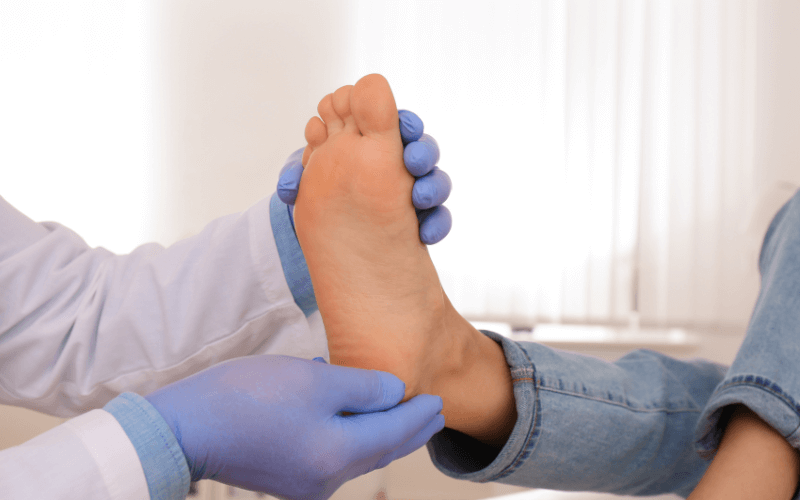



Your doctor has undoubtedly warned you about the increased risk of diabetic foot problems, including ulcers and Charcot Foot (characterized by weakness and deformity), if you have been diagnosed. Attending diabetic foot exams, when a Maryville, IL foot and ankle doctor will conduct crucial tests to check for diabetes-related foot concerns, is therefore vital.

Feet and High Blood Sugar: A Clinical Perspective

It is natural to be curious about the connection between diabetes and the foot complications known as diabetic foot. Diabetes begins when the body is unable to control blood sugar levels. Since the relationship is not immediately apparent, let us dive into the various types of diabetes to understand the problem better.

  • Type 1 diabetics, typically diagnosed as children, suffer from an inadequate supply of insulin because their immune system wrongly suppresses pancreatic synthesis of the hormone. 
  • Type 2 diabetics, who are more likely to be overweight, differ in that they can secrete insulin. However, they either produce insufficient amounts or develop immunity to its effects. This means that their cells are also starved for glucose. 

Diagnostic Procedures for Neurological and Vascular Disorders

Diabetics should check their feet daily because of the increased risk of foot complications. Keep an eye out for symptoms, including a change in skin tone or the form of your feet, fatigue, hair loss, tingling or numbness, cuts, or pus. Additionally, it is recommended that you have a diabetic foot evaluation annually.

  • Doppler Test

The ultrasound examines the effects of sound waves reflecting off of red blood cells. A podiatrist uses a probe to listen to the top of your foot and then uses a speaker to amplify and analyze the results. More vital sounds, like a beating drum, imply better circulation, whereas softer ones indicate the opposite.

  • Tuning Fork Test

During evaluations of diabetic feet, a tuning fork is utilized to listen for signs of nerve damage. The podiatrist will tap the base of the tuning fork on the palm of their hand before placing it on your big toe and striking it against your feet. You close your eyes and let the podiatrist know when you are no longer feeling the vibration, or the podiatrist may turn it down to see if you notice the difference. Nerve injury makes it hard to feel vibrations or notice their absence.

  • Monofilament Test

This evaluation looks at nerves in the foot that are not in the toes or the sole. The monofilament is a thin, plastic rod that can be used in place of wire. As you close your eyes, your podiatrist gently presses the monofilament against your skin to determine whether or not you feel it.

THC gummies, or tetrahydrocannabinol-infused gummies, have gained immense popularity in recent years as a discreet and convenient way to consume cannabis. These colorful, bite-sized treats offer a range of benefits for both recreational and medicinal users. If you’re considering trying THC gummies, Visit official website of elevate it’s essential to understand what they are, how they work, and their potential advantages.

1. Precise Dosage Control:

One of the primary benefits of THC gummies is their precise dosage control. Unlike smoking or vaping, gummies come in standardized doses, making it easier for users to regulate their intake. This means you can accurately measure how much THC you’re consuming, helping you achieve the desired effects while minimizing the risk of overindulgence.

2. Discreet and Portable:

Visit official website of elevate and THC gummies are a discreet way to enjoy the benefits of cannabis. They resemble ordinary gummy candies, making them inconspicuous and easy to carry. This discretion is particularly beneficial for individuals who want to consume cannabis without drawing attention to themselves or for those who prefer not to smoke.

3. Longer-lasting Effects:

Compared to smoking or vaping, THC gummies provide longer-lasting effects. When ingested, the THC is metabolized in the liver and converted into a more potent compound, which is then released gradually into the bloodstream. This results in a smoother, more sustained high, making it a preferable option for people seeking a prolonged experience.

4. Reduced Health Risks:

THC gummies do not involve inhaling smoke or harmful chemicals, reducing the associated health risks. Smoking cannabis can irritate the lungs, potentially causing respiratory issues over time. Gummies offer a safer alternative for those who want to enjoy the benefits of THC without compromising their respiratory health.

5. Medicinal Potential:

THC gummies are not limited to recreational use; they also have significant medicinal potential. Many patients use THC gummies to manage various medical conditions, such as chronic pain, insomnia, anxiety, and nausea. The controlled dosing and prolonged effects make them a valuable option for those seeking long-term relief.

6. Versatility:

THC gummies come in a variety of flavors, shapes, and concentrations, catering to different preferences and needs. Whether you prefer a fruity flavor or a specific THC-to-CBD ratio, there is likely a gummy product that suits your preferences.

7. Accessibility:

As cannabis legalization continues to spread, THC gummies are becoming more accessible to a broader audience. Many states have legalized both medical and recreational cannabis, making it easier for consumers to purchase THC gummies legally.

Gums are supporting soft tissues that surround your teeth, providing anchorage. They are properly scalloped, providing an aesthetic appearance to your smile. Any discrepancy in the shape of your gum line can be displeasing due to exposure of your tooth roots.

Our renowned dentist in Salina, Kansas, and the team are dedicated to providing you with quality dental treatment to enhance your gums. They help to restore and accentuate the beauty of your smile. 

Gum recession explained 

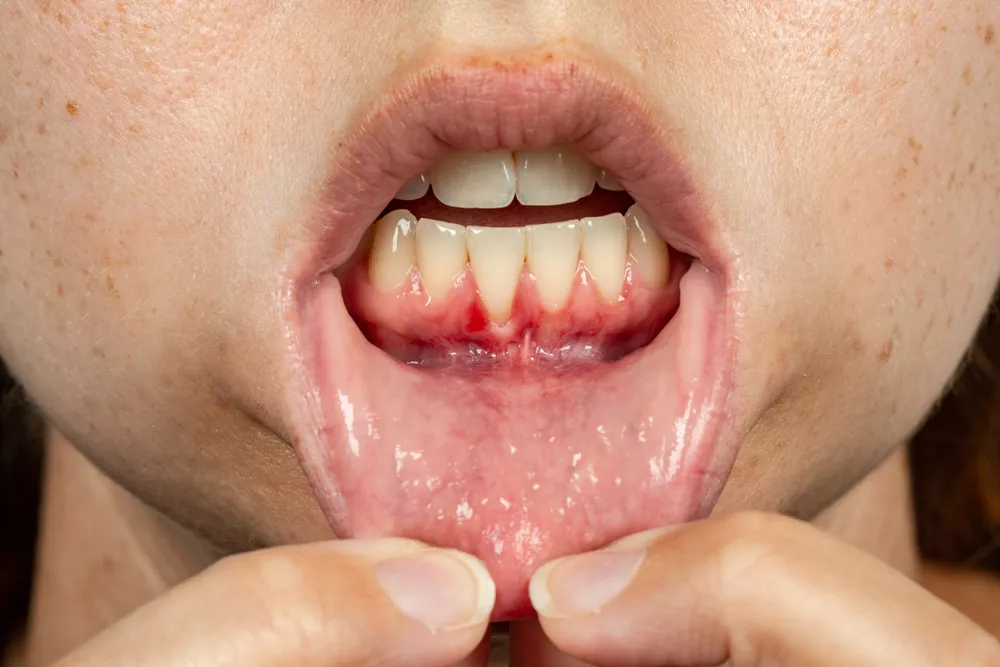
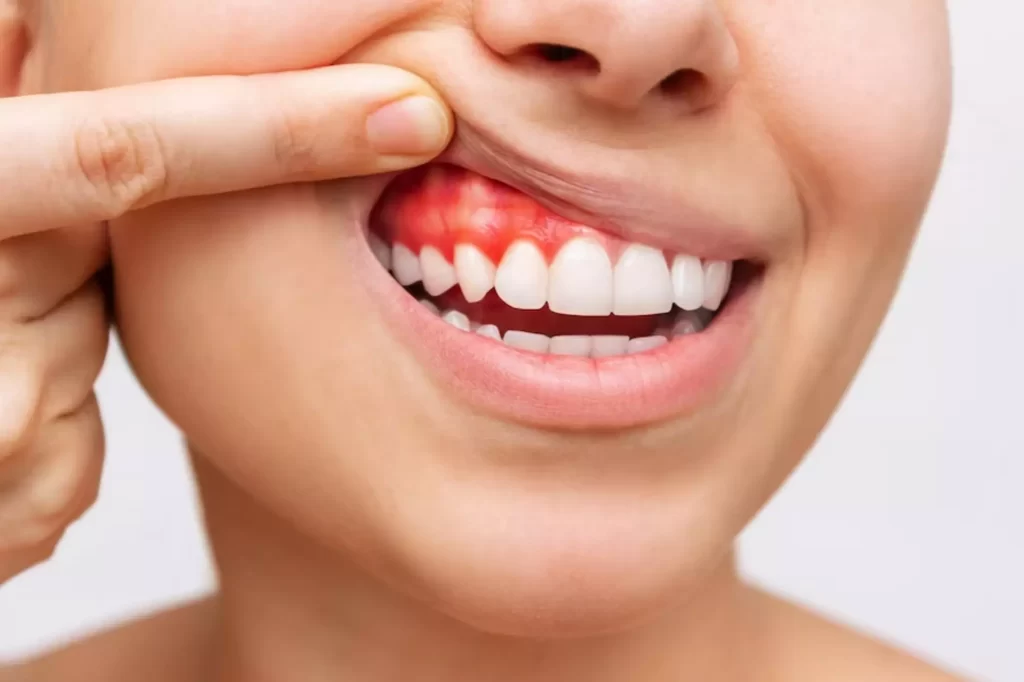
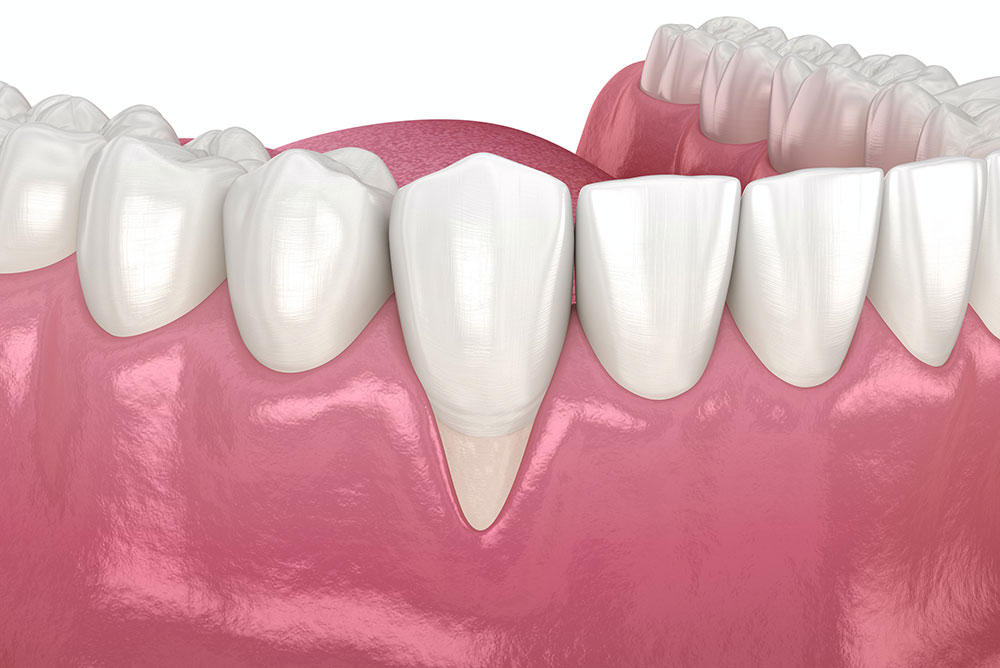
Gum recession is a clinical term for receding gums. The margins of the gum tissue encircling the teeth wear away or pull back, exposing the tooth roots. This leads to a deep space between the gums and the tooth surface, known as a gingival pocket. These pockets favor an increased accumulation of plaque and bacterial colonization. 

If not treated promptly, the bacterial infection can spread and can damage the underlying bone, eventually leading to tooth loss. 

Potential causes that contribute to gum recession

There are several factors that cause your gums to recede, such as:

  • Genetic predisposition
    • If a member of your family suffers from gum recession, it is passed down through generations.
  • Periodontal disease 
    • Bacterial infiltration can erode the gums, leading them to detach and recede from the tooth surface, exposing the roots.
  • Aggressive tooth brushing 
    • Using a hard-bristled toothbrush with extreme force can damage the gums.
  • Poor oral care
    • Inadequate brushing, flossing, or rinsing with an antibacterial mouthwash favors excess plaque buildup.
  • Hormonal changes
    • Women are prone to hormonal fluctuations during pregnancy or menopause, which leads to the hardening of plaque into calculus.
  • Tobacco use 
    • Tobacco can release harmful toxins that irritate the gingival lining.
  • Bruxism
    • Excess clenching or grinding of the teeth can exert too much force on the teeth, causing gums to recede. 
  • Malalignment
    • Crooked, crowded, and malaligned teeth can favor plaque accumulation and make brushing and flossing challenging.

Clinical features associated with gum recession

The most striking feature of gum recession is the exposure of tooth roots. Other warning signs include: 

  • Pain near the gum line
  • Extreme sensitivity to hot and cold
  • Discomfort while brushing and flossing your teeth
  • Teeth appear longer than usual
  • Gingival bleeding 
  • Halitosis (bad breath)

Managing gum recession

Treatment usually depends on the cause of the condition. The options include:

Conservative approach

  • Topical antibiotics to treat infection 
  • Scaling and root planing to eliminate plaque and calculus
  • Dental bonding to camouflage the area of recession for cosmetic purposes
  • Orthodontics for crooked teeth

Surgical intervention 

  • Gum grafting helps to replace your missing gum tissue 

Failure to detect the cause of gum recession and manage it on time can be catastrophic to your oral health, leading to several complications. 

Dental implants offer a lasting solution for individuals with missing teeth. These synthetic tooth roots restore function and aesthetics and provide long-term oral health benefits. However, dental implantation is not without risks. One potential hitch is implant rejection, which can have serious consequences if left untreated. 

In this post, let’s explore the rejection symptoms of dental implants in Knoxville and why it is important to visit the Dental Implant Center promptly if any of these symptoms arise.

Understanding Dental Implant Rejection

Dental implants are typically made from biocompatible materials, such as titanium, which minimizes the risk of rejection. However, rejection can still occur due to various factors, including –

  • Patient’s characteristics
  • Surgical techniques
  • Post-operative care.

Symptoms of Dental Implant Rejection

  1. Persistent Pain and Discomfort: While some discomfort and mild pain are common after dental implant surgery, these symptoms should gradually subside as the healing progresses. It may be a sign of rejection if you experience persistent or worsening pain at the implant site.
  2. Swelling and Redness: Swelling and redness around the implant site are typical in the first few days after surgery. However, if these symptoms continue over time, it indicates an inflammatory response related to implant rejection.
  3. Increased Sensitivity: Dental implants function like natural teeth, but while eating, there is an increased sensitivity to hot or cold temperatures, as well as pressure, which is a warning sign of implant rejection.
  4. Mobility of the Implant: A stable dental implant should not move or feel loose. If you notice any mobility or a shaky sensation when touching the implant, it may be a sign that it is not properly integrating with your jawbone.
  5. Gum Recession: Healthy gums should securely surround the implant, keeping it protected and stable. Observing gum recession or a gap forming between the implant and the gumline could indicate a problem with the implant.
  6. Pus or Oozing: The presence of pus, discharge, or a foul odor around the implant site is a clear sign of infection, leading to implant rejection if not treated promptly.
  7. Changes in Bite or Speech: Dental implants should seamlessly integrate into your mouth, allowing for normal chewing and speech. If you experience changes in your bite or speech patterns, it may suggest an issue with the implant.

Why Prompt Action is Crucial

Ignoring the symptoms of dental implant rejection can have serious consequences for oral health. If implant rejection is left untreated, it may lead to –

  • Infection
  • Bone loss
  • Loss of the implant
  • Damage to the neighboring teeth and surrounding tissues

Early intervention is a must to address implant rejection and prevent further complications. Therefore, book an appointment with your dentist in Knoxville as soon as possible. 

In the world of medical aesthetics, the pursuit of timeless beauty often leads individuals to explore innovative treatments. Ultherapy, also known as 超聲刀 (Ulthera) in Hong Kong, has emerged as a revolutionary non-invasive procedure that promises to lift, tighten, and rejuvenate the skin. In this article, we will delve into the fascinating world of Ultherapy, its benefits, and why it’s become a sought-after treatment at Retens 醫學美容中心 in Hong Kong.

I. Understanding Ultherapy

Ultherapy is a cutting-edge, non-surgical treatment that utilizes ultrasound technology to lift and tighten sagging skin. It is an FDA-approved procedure that has gained immense popularity for its ability to deliver remarkable results without the need for invasive surgery or downtime.

How Ultherapy Works

Ultherapy employs focused ultrasound energy to stimulate collagen production deep within the skin’s layers. This precise energy targets the foundational tissues, promoting natural collagen growth over time. As collagen production increases, the skin gradually becomes firmer, tighter, and more youthful in appearance.

Target Areas for Ultherapy

Ultherapy is suitable for various areas of the face and neck, including:

  • Brow
  • Jawline
  • Neck
  • Chin

Décolletage (chest area)

The procedure is versatile and can be customized to address specific areas of concern.

II. The Benefits of Ultherapy

The popularity of Ultherapy can be attributed to its numerous benefits, making it a preferred choice among those seeking non-surgical skin rejuvenation.

Non-Invasive: Ultherapy is entirely non-surgical, meaning no incisions or anesthesia are required. This reduces the risks associated with invasive procedures and eliminates the need for extended downtime.

Natural-Looking Results: Unlike some surgical facelifts that can result in a dramatic change in appearance, Ultherapy delivers subtle, natural-looking improvements. Patients look refreshed without appearing overdone.

Gradual Improvement: Results from Ultherapy develop gradually over several months as collagen production increases. This creates a more natural transition into a younger-looking appearance.

Minimal Downtime: Most patients can resume their daily activities immediately after the procedure. Some may experience mild redness or swelling, but these side effects typically resolve quickly.

Long-Lasting Effects: While individual results may vary, the benefits of Ultherapy can last for up to a year or more. Some clients opt for maintenance treatments to prolong their youthful appearance.

III. Ultherapy at Retens 醫學美容中心

Retens 醫學美容中心, a renowned medical aesthetics center in Hong Kong, has become a trusted destination for Ultherapy treatments. Let’s explore why Retens is the preferred choice for Ultherapy enthusiasts.

Experienced Practitioners

Retens boasts a team of highly trained and experienced medical professionals who specialize in Ultherapy. Their expertise ensures that each treatment is tailored to the unique needs and goals of the client, providing optimal results.

State-of-the-Art Equipment

Retens is equipped with state-of-the-art Ultherapy machines, ensuring the highest level of precision and effectiveness during treatments. Cutting-edge technology is at the core of their commitment to delivering the best possible outcomes.

Personalized Consultations

Before undergoing Ultherapy, clients at Retens receive personalized consultations to assess their skin condition and discuss their desired results. This collaborative approach ensures that the treatment plan aligns with the client’s expectations.

Safety and Comfort

Client safety and comfort are paramount at Retens. The center prioritizes the well-being of clients throughout the Ultherapy procedure, ensuring they have a positive and stress-free experience.

IV. The Popularity of 超聲刀 (Ulthera) in Hong Kong

In Hong Kong, the demand for non-surgical beauty treatments has witnessed a significant surge in recent years. The city’s residents are increasingly turning to innovative procedures like 超聲刀 (Ulthera) to combat the effects of aging and environmental factors.

Youthful Confidence: Hong Kong’s fast-paced lifestyle and emphasis on personal appearance have fueled the desire to look and feel youthful. 超聲刀 (Ulthera) offers a non-invasive solution to achieve a more youthful appearance without the need for surgery.

Convenience: The minimal downtime associated with Ultherapy appeals to individuals with busy schedules, as they can undergo the treatment without a lengthy recovery period.

Subtle Enhancements: Hong Kong residents appreciate the subtle and natural-looking results that Ultherapy provides, allowing them to maintain their unique facial features.

Skin Health Awareness: With a growing awareness of the importance of skin health, many individuals in Hong Kong are turning to preventive measures like Ultherapy to maintain their skin’s vitality.

Conclusion

Ultherapy, known as 超聲刀 (Ulthera) in Hong Kong, represents a transformative advancement in non-invasive medical aesthetics. It offers individuals the opportunity to regain their youthful appearance without resorting to surgical procedures. Retens 醫學美容中心, with its commitment to excellence and client-centric approach, stands as a trusted destination for those seeking the benefits of Ultherapy.

As Hong Kong’s beauty industry continues to evolve, 超聲刀 (Ulthera) is poised to remain a frontrunner in the quest for ageless beauty. With its remarkable benefits, personalized treatments, and the expertise of establishments like Retens, individuals in Hong Kong can confidently embrace the journey towards a more youthful and radiant self.

Gums are soft tissues that surround your teeth and support them. They are properly scalloped, providing an aesthetic appearance to your smile. Any recession in your gum line can be displeasing and exposes your tooth roots and makes them susceptible to infections. 

The family dentist in Pacific Beach, San Diego, is dedicated to providing you and your family the quality dental care that you deserve. The services provided help to restore and accentuate the beauty of your smile. 

What is gum recession?

Gum recession is a common dental problem in which the margin of the gum tissue that surrounds the teeth wears away or pulls back, exposing the tooth roots. As a result, there is a pocket or a gap that forms between the gums and the teeth, which pave the way for bacterial colonization. 

If left untreated, the supporting tissue and the bone structure of the teeth can be severely damaged, eventually leading to tooth loss. 

What are the common causes of gum recession?

There are a number of factors that cause your gums to recede, including:

  • Genetic predisposition
    • If any member of your family suffers from gum recession. 
  • Periodontal disease 
    • This is the main cause of gum recession.
    • Bacterial infiltration can erode the gums, leading them to detach and recede from the tooth surface, exposing the roots.
  • Aggressive tooth brushing 
    • Using a hard-bristled toothbrush with extreme force can damage the gums.
  • Poor dental care
    • Inadequate brushing, flossing, and rinsing with antibacterial mouthwash favors excess buildup of plaque. 
  • Hormonal changes
    • This is indicative in women since fluctuations in female hormones during pregnancy or menopause can easily convert plaque into calculus.
  • Tobacco use 
    • Tobacco use can irritate the gingival lining of the mouth.
  • Bruxism
    • Excess clenching or grinding of the teeth can exert too much force on the teeth, causing gums to recede. 
  • Malalignment
    • Crooked and malaligned teeth can favor plaque accumulation and make brushing and flossing difficult.

What are the symptoms associated with gum recession?

The most apparent symptom of gum recession is tooth root exposure. Other warning signs include: 

  • Pain or discomfort near the gum line
  • Extreme sensitivity to hot and cold
  • Sensitivity while brushing and flossing your teeth
  • Longer-looking teeth
  • Gingival bleeding 
  • Halitosis (bad breath)

How is gum recession treated?

Gum recession treatment largely depends on the cause of the condition. The options are as follows:

Non-surgical approach

  • Topical antibiotics to treat infection 
  • Scaling and root planing to eliminate plaque and calculus
  • Dental bonding to camouflage the area of recession for cosmetic purposes
  • Orthodontics for crooked teeth

Surgical intervention 

  • Gum graft surgery helps to replace your missing gum tissue 

Gum recession must be treated since, if left untreated, it can wreak havoc on your oral health.

As with any skill or craft, the journey to mastery begins with a single step. For those interested in mastering the art and science of CPR, that initial step might be filled with curiosity, apprehension, and an eagerness to make a difference. No matter your starting point, cprcertificationnow.com is dedicated to guiding every beginner on their transformative journey to becoming a CPR professional.

Introduction and Immersion

The world of CPR can initially seem overwhelming to a novice. From understanding basic terminologies to getting a grasp on the fundamental techniques, this phase is all about laying a solid foundation:

  • Understanding the Basics: Introduction to the significance of CPR, its history, and its impact on saving lives.
  • Hands-on Practice: Begin with simple techniques, understanding the importance of chest compressions, and the basics of rescue breathing.
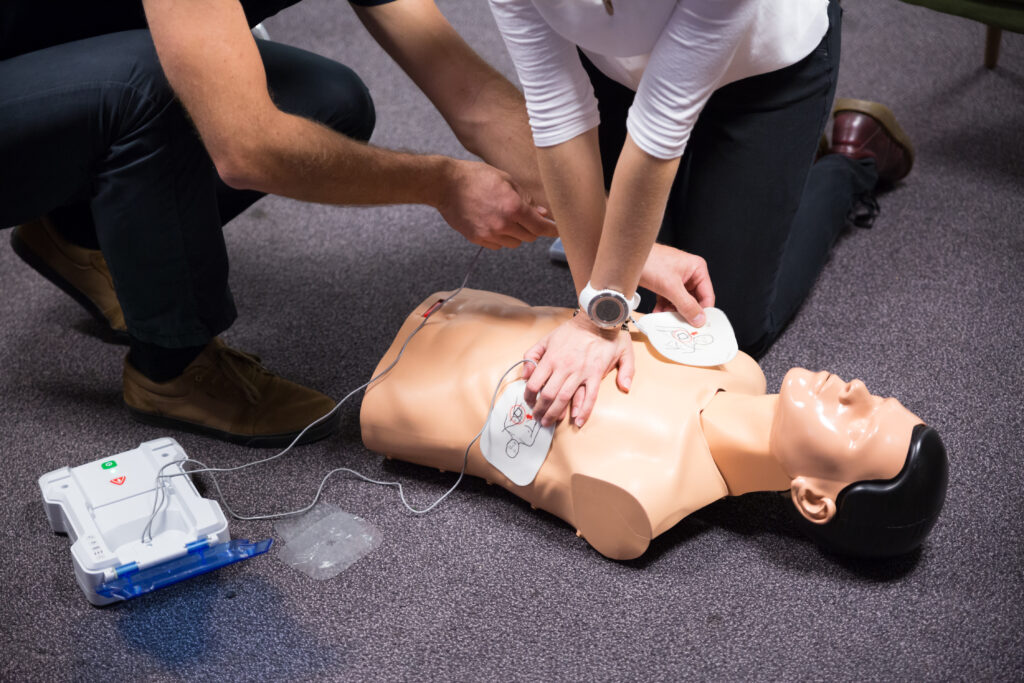
  • Familiarity with Equipment: Getting introduced to tools like Automated External Defibrillators (AEDs) and face shields.

Deepening Knowledge and Refining Technique

As you progress, CPR Certification Now ensures that you delve deeper into the intricacies of CPR:

  • Advanced Scenarios: Tackling different situations, from drowning incidents to electric shock cases, tailoring your response for each.
  • Specialized Techniques: Learning variations in techniques for infants, children, and adults, recognizing the nuances of each.
  • The Science Behind the Process: A deeper dive into the physiology of CPR, understanding how and why it works.

Mastering the Intangibles

Beyond the technical aspects, becoming a CPR pro requires mastering the softer, often intangible aspects of emergency response:

  • Building Confidence: Overcoming the initial apprehensions and hesitations that often come with executing CPR in real-life scenarios.
  • Effective Communication: Learning to direct bystanders, comfort distressed individuals, and relay accurate information to medical professionals when they arrive.
  • Emotional Resilience: Navigating the emotional toll of emergency situations, ensuring personal well-being while being a pillar of support for others.

Continuous Learning and Community Engagement

Even after reaching a professional level, the learning never stops:

  • Staying Updated: Engaging in refresher courses and keeping abreast with the latest techniques and recommendations in the field.
  • Community Engagement: Participating in community awareness programs, organizing CPR workshops, and becoming advocates for widespread CPR training.
  • Specializations and Certifications: Delving into specialized areas like aquatic rescue, high-altitude CPR, or becoming a certified CPR instructor.

A Lifelong Commitment to Saving Lives

Transitioning from a novice to a CPR pro is not just about mastering a skill—it’s about embracing a commitment to making a difference in the world. With the guidance and expertise offered by cprcertificationnow.com, every trainee is assured a comprehensive, enriching, and transformative learning experience. Whether you’re just starting or are on the path to mastery, your journey in saving lives is both valuable and revered.

Your throat and nose will be affected by the common cold. Even while it usually isn’t harmful, it might not feel that way. Viruses or germs bring on the common cold. Adults often have two or three colds per year. Colds may occur more frequently in all kinds of human beings.

In 7 to 10 days, most people recover from a typical cold. Smokers may experience longer-lasting symptoms and may need chest cold treatment. Most of the time, a common cold doesn’t require medical attention. Consult a medical professional if your symptoms don’t improve or worsen. Upper respiratory tract infections affect the nose and throat and are brought on by microorganisms.

Falsifying your illness

It might not seem a massive concern if your nose is blocked and you have a headache. You might even believe you can perform your duties without difficulties. However, the truth is that doing so would make your illness worse, lengthen its duration, and make recovery more complex. Recognize the warning indicators that your body provides you. Stop, assess your situation, and start recovering sooner.

Letting Your Germs Spread

The duration between exposure to the cold virus and feeling unwell typically takes two to three days, but it can take up to a week. Even while you might feel good, you could be developing a cold. When you start to feel unwell, it is crucial to make an effort to keep your germs to yourself. Always cover your mouth and nose when you cough or sneeze, and wash your hands frequently to prevent the spread of contagious colds. If not, your cold may spread throughout the house or office and come back to haunt you, making you feel like you’ll never be able to get better.

Utilizing Antibiotics for a Cold

Antibiotics are required to treat bacterial infections. Conversely, viruses don’t respond to antibiotics; taking them when you don’t need them risks developing resistance. This implies that the antibiotic you require may not work as well as it should the next time you get an illness. Conclusion: Avoid using antibiotics to treat the common cold. Just continue using over-the-counter cold medications.

Over-Reliance on Cold Treatments

You might feel better if you use some over-the-counter cold remedies. For instance, nasal decongestant sprays or drops can aid in treating a stuffy nose brought on by a typical cold. However, taking too many cold medications may have the opposite effect and exacerbate your symptoms. If you use a decongestant in spray or drop form for longer than three to four days straight, your nasal membranes will swell even more. Never exceed the recommended dosage listed on the packaging label; if you have any questions, speak to your doctor. Chest cold is also a common condition but a painful one, so in that case, you can undergo chest cold treatment.

Bottom Line:

The important thing you need to have in your mind is that you should never take the common cold lightly. You need to follow proper chest cold remedies to cope with the cold. Also, if your cold persists for over ten days, you must visit a doctor and get appropriate medication.


Viagra, a widely prescribed drug, addresses erectile dysfunction (ED). Its advertisements are commonly seen on TV, newsfeeds, and radio.

Generic Viagra can be purchased online from DEU-Apotheke from their website deu-apotheke.com.

If you receive a prescription for Viagra or its generic counterpart, you might have a few questions. You could wonder about the difference between a brand and a generic version and their potential side effects. Knowing a few basic Viagra information can enhance your experience significantly.

What dosage is needed?

Typically, patients are advised to take 50 mg of Viagra as needed, around 1 hour before engaging in sexual activity. The flexibility exists to consume it anywhere between 30 minutes and 4 hours before the act. 

One dose per day is sufficient, and depending on how well it works and how well it is tolerated, the dosage can range from 25 mg to a maximum of 100 mg.

In what doses is it available?

Viagra comes as tablets in 3 different dosages:

  • 25 mg
  • 50 mg
  • 100 mg

The usual Viagra dose is 50 mg orally and should be taken an hour before sexual activity. Based on your response, you can take it between 30 minutes to 4 hours before. Your dose might vary, but ensure not to exceed once-daily consumption.

Beware of counterfeited Viagra

Viagra’s popularity brings out a very important and concerning issue of counterfeit versions, prompting Pfizer to establish its security force, Pfizer Global Security. 

This dedicated team collaborates with law enforcement, pharmacies, and wholesalers to enhance vigilance against unregulated drugs, particularly counterfeit Viagra. 

This initiative’s significance stems from a 2011 Pfizer Global Security study unveiling that nearly 80% of online Viagra purchases were fake. These counterfeits often had less sildenafil than indicated, but more alarmingly, hazardous additives occasionally surfaced. 

Instances of tablets laced with substances like the following ingredients were found:

  • Blue printer ink
  • Amphetamines
  • Road paint. 

These ingredients are unfit for human consumption. The concerted efforts of Pfizer Global Security aim to curtail the spread of counterfeit drugs, ensuring the safety and efficacy of genuine medications in the market.

Can Viagra cause side effects?

While renowned for treating ED, Viagra carries potential side effects. Being informed about these possible reactions is crucial to ensure a well-rounded understanding of the medication. A few possible Viagra side effects are:

  • Dizziness
  • Flushing (skin redness)
  • Headache 
  • Upset stomach
  • Vision changes.

Viagra might lead to erections lasting over 4 hours. If this ever occurs, seek urgent medical help. Without treatment, prolonged erection can harm the penis permanently. Additionally, consult your healthcare provider or pharmacist for any side effects that are:

  • Persistent
  • Bothersome
  • Worsening.

Final word

If you are more interested in learning about Generic Viagra, then dig further into the details of this alternative to the brand-name medication. Discover how it works, its effectiveness, and potential benefits. 

Uncover insights about its safety, usage, and availability. Whether you are curious about cost savings or considering options for treating erectile dysfunction, explore the world of Generic Viagra to make informed decisions.