

Author

Sheri gill

Browsing

Governments often maintain strong institutional knowledge but may lack specialized expertise for emerging challenges or transformational initiatives. Advisory services bridge these capability gaps through teams with diverse experience across jurisdictions and sectors. This external perspective provides several distinct advantages:

  • Access to specialized technical skills that would be inefficient to maintain permanently
  • Cross-sectoral insights from advisors who work across public, private, and nonprofit domains
  • International perspectives that identify innovative approaches from global best practices
  • Independent viewpoints that can challenge entrenched institutional thinking
  • Flexible capacity that can be deployed rapidly as priorities shift

Rather than replacing internal capacity, effective advisory relationships complement public service expertise with specialized knowledge that enhances government capabilities during critical initiatives.

Evidence-based decision support

Quality advisory services strengthen governance through rigorous analytical approaches that enhance decision-making processes. These methodologies help governments move beyond intuition-based decisions toward evidence-driven approaches that improve outcomes and build public trust. Key analytical contributions include:

  • Comprehensive situation analysis incorporating quantitative and qualitative methodologies
  • Scenario planning that anticipates policy outcomes across different variables
  • Benchmarking against comparable jurisdictions to establish realistic performance targets
  • Impact assessments that evaluate potential consequences across diverse stakeholder groups
  • Cost-benefit analyses that enhance resource allocation decisions

These frameworks provide decision-makers with structured approaches to complex problems while creating transparent documentation of how conclusions were reached, which is essential for accountability in democratic systems.

Facilitating institutional learning

Advisory partnerships create structured knowledge transfer that builds lasting institutional capacity. Beyond delivering specific recommendations, effective advisors design collaborative processes that embed new capabilities within government operations. This knowledge transfer typically occurs through:

  • Joint working teams that pair advisors with public servants throughout projects
  • Capability-building workshops that develop specific technical skills
  • Documentation of methodologies that enable future application
  • Mentoring relationships that accelerate professional development
  • Communities of practice that sustain learning beyond formal engagements

The most valuable advisory relationships prioritize this capability development alongside immediate deliverables, creating a sustainable impact that persists after the formal engagement concludes.

Managing complex stakeholders

Major policy initiatives require navigating diverse stakeholder interests across public, private, and civil society sectors. Advisory services contribute valuable capabilities in stakeholder engagement and consensus-building through:

  • Structured stakeholder mapping and analysis techniques
  • Design and facilitation of multi-stakeholder dialogues
  • Independent mediation between competing interests
  • Public awareness and support communication strategies
  • Implementation roadmaps that maintain momentum across political cycles

This facilitation role helps governments develop more inclusive policies while building the coalitions necessary for successful implementation across complex stakeholder landscapes.

Implementation support

The role of advisory services often bridges the gap between policy formulation and implementation. This implementation support includes:

  • Detailed operational planning that translates high-level strategy into actionable steps
  • Change management methodologies that address resistance and build organizational adoption
  • Project management disciplines that maintain momentum and accountability
  • Risk identification and mitigation strategies
  • Performance measurement frameworks that track progress and enable course corrections

These implementation capabilities help governments overcome the execution challenges that frequently undermine otherwise sound policy initiatives.

Advisors frequently introduce innovative approaches that help governments adopt emerging technologies and service models. This innovation acceleration includes identifying appropriate digital solutions, designing user-centred services, and establishing governance frameworks for new technologies. Successfully managing Artificial Intelligence government initiatives involves establishing governance frameworks that promote accountability and efficiency.

Body sculpting has surged in popularity in recent years, promising quick and effective ways to contour the body without invasive surgery. From non-invasive methods like CoolSculpting and laser lipolysis to more intensive options like liposuction or body contouring surgery, the appeal of achieving your dream body has attracted many. But what is the actual cost of body sculpting beyond just the price tag? When evaluating these procedures, let’s dive into the financial, physical, and psychological factors.

Financial Investment

How much is body sculpting? Body sculpting treatments come with a wide range of costs, mainly depending on the method chosen and the number of sessions required:

  1. Non-Invasive Options: Treatments like CoolSculpting or laser fat removal can cost between $600 and $2,000 per session. Since these methods typically require multiple sessions for noticeable results, the total cost can easily climb into the thousands.
  2. Surgical Procedures: Liposuction or tummy tucks often cost $3,000 to $10,000 or more, depending on their complexity and the surgeon’s expertise. Additional costs for anesthesia, post-operative care, and follow-up visits can further inflate the price.
  3. Maintenance: Even after the initial treatment, maintaining results may require periodic follow-ups or additional sessions, especially for non-invasive procedures where results fade over time.

Physical Costs: Risks and Recovery

Everybody sculpting method carries some level of physical cost:

  1. Non-Invasive Risks: While non-surgical treatments have minimal downtime, some patients report side effects like swelling, numbness, or uneven results. These side effects are generally temporary but can still disrupt daily life.
  2. Surgical Risks: Invasive procedures involve more significant risks, including infection, scarring, blood clots, or complications from anesthesia. Recovery times can last weeks or months, with discomfort and limited mobility in the interim.
  3. Realistic Expectations: Body sculpting does not replace a healthy lifestyle. For instance, fat can return if weight is regained, and procedures cannot address issues like loose skin from significant weight loss unless specifically designed.

Psychological Costs: Body Image and Self-Esteem

While many people report increased confidence after body sculpting, it’s not always a guaranteed boost to self-esteem:

  1. Unrealistic Expectations: Marketing around body sculpting can sometimes set unattainable standards. Patients who expect perfection may feel disappointed, even if the procedure is a technical success.
  2. Body Image Pressure: Body sculpting should be a personal decision rather than influenced by societal pressure. External factors like media representation or peer comparison can push individuals to undergo treatments they may later regret.
  3. Mental Health and Support: Consulting with a therapist or counselor before undergoing body sculpting can help ensure the decision is aligned with personal goals and not impulsive or emotionally driven.

Weighing Value Against Results

Ultimately, the value of body sculpting lies in its ability to align results with personal expectations. Those who experience the most satisfaction often:

  • Conduct thorough research on methods and providers.
  • Set realistic expectations about results and maintenance.
  • Balance the financial, physical, and psychological costs against their personal goals.

Is it worth it? That depends entirely on the individual, their goals, and their preparedness for the journey. While body sculpting can enhance confidence, it’s essential to approach it with a clear understanding of the associated costs, both tangible and intangible.

Conclusion

Body sculpting can boost confidence but comes with financial, physical, and psychological costs. Thorough research, realistic expectations, and a balanced perspective are key to ensuring satisfaction. Ultimately, its value depends on aligning personal goals with achievable results, making it a profoundly individual decision that should be approached thoughtfully.

A gummy smile, or gingival display, is a condition in which the individual appears to have too much gum tissue when he or she smiles. This is due to multiple reasons like hereditary, growth of gum tissue over teeth, and position of the upper lip. Like many individuals with gummy smiles, people become self-conscious as it reduces one’s self-esteem and confidence levels.

Fixing this problem is possible using several methods, and one of the most common ones is the dentistry solution called veneers which basically involves placing a thin layer of material over the protruding part of the gums to give one a beautiful smile.

Gummy smiles can be a serious issue for those people, and becoming more important for children who have just started to focus on their appearance. In cases where the gums are particularly prominent, see a dental practitioner at the local dentistry for children. The dentist diagnoses the problem and offers proper solution. At dental office in Aurora Epic Dentistry for Kids carry professional dentists capable to assess your child’s smile and advise you on the next step to take to fix the gummy smile.

  • Dental contouring: It is a useful remedy for transforming a gummy smile. It essentially works towards flattening the gum line. Unlike some other procedures, dental contouring is relatively quick and doesn’t cause any discomfort. At the same time patients tend to have a much cleaner looking gum line.
  • Gum grafting: The dentist takes a piece of tissue equivalent to the gum from a different part of the mouth and put over the roots of the teeth that are visible. It can also help to develop the harmony between the gum line creating more beautiful shape and appearance to smile.
  • Orthodontic treatment: It gradually repositions the teeth including tooth alignment using braces or clear aligners and reduces the situation where excess gum tissue shows.
  • Botox: Botox paralyses the upper lip muscles that pull the upper lip up high which contributes to formation of gummy smile.

Lifestyle changes

There is however some general lifestyle changes, home treatment practices that can help in correcting a gummy smile apart from dental surgery operations. A proper dental hygiene involves brushing and flossing at least twice in a day. It is healthy for the gum and the teeth thus preventing swollen gum tissues. Brush gently with a soft bran toothbrush to minimize gum receding, which is one of the major causes of a gummy smile.

Nutrition

Also consume nutritious food helps to improve oral health and enhance the appearance of the gums. There are certain foods which are rich in vitamin C and other anti-oxidants. They assist in reinforcing gums and decrease inflammatory ailments that can draw attention to the gummy smile.

Conclusion

There is no difficulty in fixing gummy smile problem. There are various possibilities such as dental contouring, gum grafting, orthodontic treatment, and Botox injection. It is wise to seek advice from a dental specialist to identify the most suitable solution. It is possible to give your kids the perfect teeth and fine bright smiles.

Dark eye circles are a prevalent cosmetic issue for many individuals in Singapore. Although they pose no health risks, they can contribute to an appearance of fatigue, ageing, and diminished vitality.

Examine the underlying causes, preventive measures, and dark eye circle treatments in Singapore, allowing individuals to gain a revitalised eye appearance.

Causes of Dark Eye Circles

Understanding the causes of dark eye circles is essential for choosing a suitable treatment. Below are the common reasons for this issue:

Genetics

Many individuals inherit the tendency to develop dark eye circles. Genetics can dictate skin thickness and pigmentation, which both play a role in the appearance of dark circles.

Ageing

As we age, the skin around the eyes becomes thinner and loses its elasticity. This instance leads to the visibility of blood vessels underneath, creating a darkened appearance.

Lack of Sleep

Inadequate rest can cause fluid retention under the eyes, leading to puffiness and dark shadows.

Sun Exposure

Excessive exposure to sunlight increases melanin production, which can darken the skin under the eyes.

Lifestyle Factors

Poor diet, dehydration, and smoking can all contribute to dark eye circles by affecting overall skin health and elasticity.

Prevention of Dark Eye Circles

Dark Eye Circles

Prevention starts with addressing the root causes. Here are some practical steps that can help minimise the appearance of dark circles:

Get Adequate Sleep

A consistent sleep schedule can reduce puffiness and shadows under the eyes. Aim for 7-9 hours of quality sleep per night.

Use Sun Protection

Apply sunscreen daily to prevent UV damage, especially around the sensitive eye area. Sunglasses can also provide an additional layer of protection.

Maintain a Healthy Diet

Eating a balanced diet rich in vitamins A, C, and E can enhance skin health. Staying hydrated will also prevent skin from becoming dry and thin.

Quit Smoking

Smoking affects blood flow, leading to poor skin health and exacerbating the appearance of dark eye circles.

Dark Eye Circle Treatments in Singapore

If prevention alone isn’t enough, various dark eye circle treatments are available. Here’s a breakdown of the typical options:

Laser Treatments

It is one of the favoured dark eye circle treatments. Laser therapy helps reduce pigmentation by targeting melanin under the skin. It can also boost collagen production, enhancing skin texture and reducing visible blood vessels.

Dermal Fillers

Dermal fillers are an option when dark eye circles are caused by volume loss. Fillers help restore volume under the eyes, reducing the appearance of hollows and shadows. Many clinics offering facial aesthetics treatments provide this option.

Chemical Peels

Chemical peels can enhance skin tone and reduce pigmentation under the eyes. Mild acids are used to exfoliate the top layer of skin, stimulating cell renewal and enhancing the overall appearance.

Radiofrequency Therapy

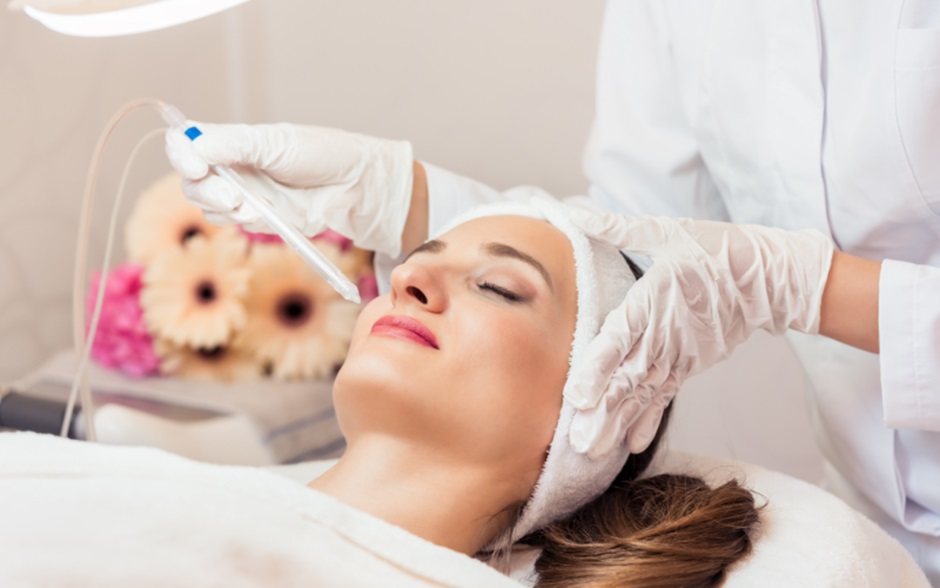
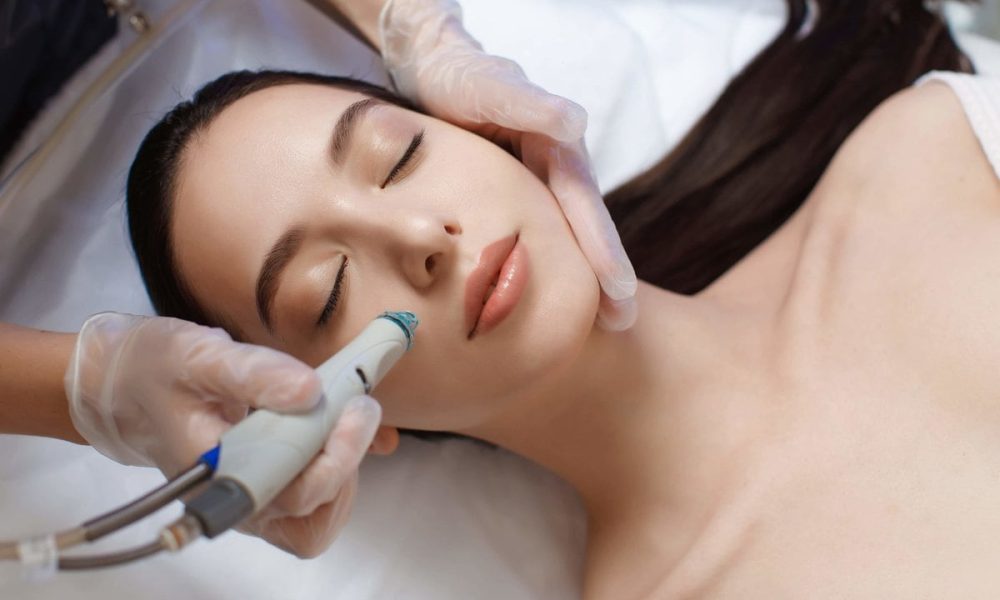
This non-invasive procedure uses radiofrequency waves to tighten skin around the eyes, reduce wrinkles, and enhance skin texture. It’s often available as part of facial aesthetics treatments in many clinics.

Topical Creams

Retinol-based creams and those containing vitamin C can lighten dark eye circles. They work by promoting collagen production and skin regeneration. While over-the-counter creams may help, consulting a professional for recommendations is still advisable.

Conclusion

Dark eye circles may arise from genetic predisposition, the natural ageing process, and lifestyle habits. Although measures such as sufficient sleep, sun protection, and maintaining a healthy lifestyle can aid in prevention, individuals experiencing stubborn cases may seek professional treatments available. Various effective options exist, including laser therapies and dermal fillers, particularly through clinics specialising in facial aesthetics. Individuals seeking a holistic approach can turn to the best facial treatments in Singapore to effectively tackle multiple issues, including the concern of dark circles.

Visit 21st Century Beauty Spa to reduce the appearance of dark eye circles and achieve a refreshed look today!

In recent years, Singapore has taken significant steps to enhance the health and well-being of its citizens through various healthcare initiatives. One such initiative is Healthier SG, a comprehensive program aimed at promoting preventive care and chronic disease management.

With a focus on empowering individuals to take charge of their health, Healthier SG offers a range of services designed to improve health outcomes. This article explores the various services available under this initiative and how individuals can benefit from Healthier SG enrolment.

Comprehensive Health Assessments

One of the key services offered by Healthier SG is comprehensive health assessments. These assessments are designed to evaluate an individual’s health status and identify potential risks for chronic diseases. Upon Healthier SG enrolment, participants are entitled to a thorough health screening that includes blood tests, health questionnaires, and physical examinations.

These screenings help in the early detection of conditions such as diabetes, hypertension, and high cholesterol, allowing for timely interventions. By participating in these assessments, individuals can gain valuable insights into their health and make informed decisions regarding their lifestyle and healthcare needs.

Chronic Disease Management

Healthier SG places a strong emphasis on managing chronic diseases effectively. For individuals who are diagnosed with chronic conditions, the program offers tailored care plans that include regular follow-ups, medication management, and lifestyle modifications.

Participants enrolled in Healthier SG benefit from coordinated care provided by a team of healthcare professionals, including doctors, nurses, and dietitians. This collaborative approach ensures that individuals receive comprehensive support, helping them to manage their conditions and improve their overall quality of life.

Personalized Health Plans

Another significant aspect of Healthier SG is the development of personalized health plans. After completing the health assessment, participants receive a customized plan that addresses their specific health needs and goals.

These health plans are designed to encourage lifestyle changes, such as adopting a balanced diet, increasing physical activity, and quitting smoking. By setting achievable health targets, Healthier SG empowers individuals to take proactive steps toward better health and well-being.

Access to Health Resources and Education

Healthier SG also provides access to a wealth of health resources and educational materials. Upon Healthier SG enrolment, participants gain access to workshops, seminars, and online resources focused on various health topics, including nutrition, exercise, and stress management.

These educational initiatives aim to equip individuals with the knowledge and skills necessary to make informed health choices. By promoting health literacy, Healthier SG fosters a culture of preventive care and encourages individuals to take an active role in their health.

Digital Health Services

In line with Singapore’s vision of becoming a smart nation, Healthier SG incorporates digital health services into its offerings. Participants can access health tracking apps and telehealth services that allow them to monitor their health progress and communicate with healthcare providers remotely.

These digital tools enhance accessibility and convenience, making it easier for individuals to engage with their health and receive timely support. This is particularly beneficial for those with busy lifestyles who may find it challenging to attend in-person appointments regularly.

Community Support and Engagement

Healthier SG recognizes the importance of community in fostering health and wellness. The program encourages community engagement through various activities, such as group exercises, health fairs, and support groups.

By participating in community events, individuals can connect with others who share similar health goals, fostering a sense of belonging and support. This social aspect of health management can significantly contribute to motivation and accountability, making it easier for individuals to stay on track with their health goals.

Conclusion

Healthier SG represents a significant advancement in Singapore’s approach to healthcare, emphasizing preventive care and chronic disease management. By offering comprehensive health assessments, personalized health plans, access to resources, digital health services, and community engagement, the program empowers individuals to take control of their health.

Through Healthier SG enrolment, participants can access a wealth of services designed to improve their health outcomes and overall well-being. As Singapore continues to prioritize health promotion, initiatives like Healthier SG will play a crucial role in ensuring that citizens lead healthier, more fulfilling lives.

The field of pain management has evolved significantly, thanks to advancements in medical technology. For residents seeking Chicago pain management, understanding these innovations can enhance decision-making for effective treatment plans. This article explores some of the latest technologies revolutionizing pain management and their benefits.

The Evolution of Pain Management

Pain management has transitioned from traditional methods to incorporating high-tech solutions, aiming to improve patient outcomes and reduce discomfort. These advancements have provided healthcare professionals with a range of tools to address various pain-related conditions more effectively.

Radiofrequency Ablation

One of the cutting-edge technologies in pain management is radiofrequency ablation (RFA). This technique involves using heat generated by radio waves to target specific nerves responsible for pain transmission. By disrupting these nerve signals, RFA provides long-lasting relief for chronic pain conditions such as arthritis and back pain. Being minimally invasive with a swift recovery period, it is a favored option for both patients and doctors.

Neuromodulation Techniques

Neuromodulation involves altering nerve activity through electrical stimulation or chemical agents. Techniques like spinal cord stimulation (SCS) and peripheral nerve stimulation (PNS) are widely used to manage chronic pain. These methods deliver electrical impulses to the nervous system, modifying pain signals before they reach the brain. Neuromodulation has shown significant efficacy in reducing pain and improving the quality of life for patients with conditions like neuropathy and complex regional pain syndrome (CRPS).

Advancements in Pain Management Clinics

Pain management clinics are at the forefront of adopting innovative technologies, offering patients a diversified approach to treatment. Exploring the unique treatments offered at pain management clinics can provide insights into the latest methods available.

Virtual Reality Therapy

Virtual reality (VR) therapy is gaining recognition as an innovative method for pain management. By immersing patients in virtual environments, VR therapy effectively distracts them from pain while simultaneously reducing anxiety levels. It is especially effective in managing acute pain, whether during medical procedures or in post-operative recovery. This technology is gaining traction for its ability to enhance patient comfort and minimize the need for pharmaceutical interventions.

Cryotherapy

Cryotherapy, the application of extreme cold to body tissues, is another innovative technique gaining popularity in pain management. It is used to relieve muscle pain, sprains, and swelling. Cryotherapy chambers expose patients to sub-zero temperatures, which can reduce inflammation and promote healing. This method is favored for its quick application and non-invasive nature, making it suitable for a variety of conditions.

Personalized Pain Management

The integration of technology into pain management allows for more personalized treatment plans. By using data analytics and patient monitoring devices, healthcare providers can tailor interventions to meet individual needs. This approach ensures that patients receive care that is both highly effective and efficient.

With a variety of options available, finding the right pain management treatment becomes crucial. Patients should consult with healthcare professionals to explore the best options based on their specific conditions and lifestyle.

Conclusion

The field of pain management is rapidly evolving, driven by advanced technologies that enhance treatment effectiveness. From RFA and neuromodulation techniques to VR therapy and cryotherapy, these advancements offer promising solutions for those suffering from chronic pain. By keeping up with the latest advancements, patients can make well-informed decisions regarding their pain management strategies.

Frequently Asked Questions

1. What is radiofrequency ablation used for in pain management?

Radiofrequency ablation is a treatment for chronic pain conditions like arthritis and back pain. It works by disrupting the nerve signals that transmit pain.

2. How does virtual reality therapy help with pain management?

Virtual reality therapy helps manage pain by immersing patients in a virtual environment, which can distract them from their pain and reduce anxiety, especially during medical procedures or recovery.

3. What factors should be considered when choosing a pain management treatment?

Factors to consider include the patient’s specific condition, lifestyle, the effectiveness of the treatment, potential side effects, and consultation with healthcare professionals to determine the most suitable approach.

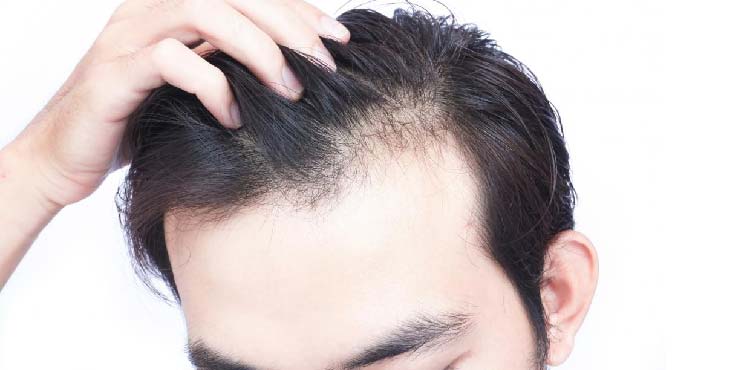
Experiencing hair loss can be frustrating, but with advanced treatments available today, it’s possible to regain both confidence and hair volume. Understanding the different causes of hair loss and addressing them with the right treatments is key to achieving a fuller head of hair. If you’re exploring options for hair loss treatment in Singapore, this guide will cover everything you need to know, from common causes to non-surgical solutions like Fotona Hair Growth Laser.

Common Causes of Hair Loss

Hair loss can occur due to a variety of factors, and understanding the cause is essential in determining the best treatment. Below are the primary contributors to hair loss:

  1. Hormonal Imbalance
    Hormones play a significant role in hair growth. One of the most common causes of hair loss in both men and women is androgenetic alopecia, also known as male or female pattern baldness. This condition is primarily caused by a sensitivity to the hormone dihydrotestosterone (DHT). High levels of DHT shrink hair follicles, leading to thinner hair strands and eventually hair loss.

Treatment for Hormonal Hair Loss
Addressing hormonal imbalance is crucial in slowing down hair loss. In Singapore, there are various hair loss treatments that target hormonal factors without the need for surgery. One effective method is low-level laser therapy, which stimulates hair follicles and encourages hair growth. Fotona Hair Growth Laser is an innovative option that uses laser energy to penetrate the scalp, boosting blood flow and strengthening hair follicles. This non-invasive treatment has shown promising results for those dealing with hormone-related hair loss.

  1. Nutritional Deficiencies
    A well-balanced diet rich in vitamins and minerals is essential for healthy hair growth. When the body lacks nutrients like iron, zinc, and vitamin D, hair may become thin, brittle, and prone to falling out. Poor diet and specific medical conditions that affect nutrient absorption, such as celiac disease or irritable bowel syndrome, can lead to hair thinning.

Treatment for Nutritional Deficiency-Related Hair Loss
Restoring nutritional balance is vital to improving hair health. In Singapore, hair loss clinics often incorporate supplements rich in biotin, zinc, and other essential vitamins into their hair loss treatment plans. Additionally, Fotona Hair Growth Laser therapy is used to revitalize hair follicles and restore the health of the scalp, ensuring that hair can grow back thicker and healthier. Combining nutritional support with advanced laser treatment helps to tackle both the internal and external causes of hair loss.

  1. Stress and Hair Loss (Telogen Effluvium)
    Chronic stress has been linked to hair loss through a condition called telogen effluvium, where hair follicles enter the resting phase prematurely. This leads to sudden, diffuse hair shedding across the scalp. While telogen effluvium is often temporary, it can significantly impact hair density, making it look much thinner.

Treatment for Stress-Induced Hair Loss
Reducing stress is the first step to preventing further hair loss. Hair loss treatment in Singapore includes scalp massages and relaxation therapies that help improve blood circulation to the scalp, allowing hair follicles to remain in the growth phase longer. Another effective treatment is the Fotona Hair Growth Laser, which enhances circulation and strengthens hair roots, addressing stress-induced hair loss at its core.

  1. Aging and Hair Thinning
    As we age, hair naturally begins to thin. The hair growth cycle slows down, and the strands become finer over time. While age-related hair loss is natural, it can still be managed with the right treatments to keep the hair looking healthy and full.

Treatment for Age-Related Hair Thinning
For those experiencing age-related thinning, combining topical solutions with advanced technologies like Fotona Hair Growth Laser can deliver effective results. This laser treatment stimulates dormant hair follicles, encouraging them to re-enter the growth phase. The non-invasive nature of this therapy means that patients can benefit from consistent treatments without downtime, achieving visible improvements in hair density and thickness over time.

Non-Invasive Treatments for Hair Loss

There are numerous non-surgical hair loss treatments in Singapore that can help restore hair volume and confidence without the need for invasive procedures. Here are a few of the most effective options:

  1. Fotona Hair Growth Laser
    The Fotona Hair Growth Laser is a cutting-edge laser therapy designed to stimulate hair growth by enhancing blood circulation in the scalp and revitalizing hair follicles. This treatment uses low-level laser energy to gently penetrate the skin, boosting cellular activity in hair follicles and promoting the growth of stronger, thicker hair. It’s a painless procedure, making it ideal for those looking for a convenient and non-invasive option.

Patients undergoing Fotona Hair Growth Laser treatment typically report noticeable improvements in hair thickness and density within a few months of starting therapy. With regular sessions, this laser technology can help reverse the early stages of hair loss, making it one of the most popular options for hair loss treatment in Singapore.

  1. Scalp Mesotherapy
    This treatment involves the injection of a specially formulated solution of vitamins, minerals, and growth factors directly into the scalp. Scalp mesotherapy nourishes the scalp and stimulates hair follicles, supporting healthy hair regrowth. It’s a minimally invasive procedure with no downtime, making it a great option for those looking for quick and efficient results.
  2. Hair Growth Serums and Topicals
    Several hair growth serums and topical treatments are available in Singapore, which can help slow down hair loss and promote new hair growth. These products usually contain ingredients such as minoxidil, peptides, and biotin that work to nourish the scalp and strengthen hair strands. When used consistently, these treatments can complement laser therapies and other hair loss treatments, ensuring a comprehensive approach to hair regrowth.

Key Points to Remember for Hair Loss Treatment
When considering hair loss treatment in Singapore, it’s important to remember that consistency is key. Whether you’re undergoing laser therapy, using topicals, or incorporating supplements into your routine, patience is essential as hair regrowth takes time. Fotona Hair Growth Laser, in particular, requires multiple sessions to achieve optimal results, but with dedication, you can enjoy visible improvements in hair thickness and volume.

In summary, hair loss doesn’t have to be a permanent issue. With the wide variety of non-surgical treatments available, from Fotona Hair Growth Laser to scalp mesotherapy, it’s possible to regain confidence and enjoy a fuller head of hair. By addressing the root causes of hair loss and using advanced technologies, you can achieve long-lasting and satisfying results.

If you’re anything like me, you’ve probably got a tattoo or two that seemed like a great idea at the time, but now just doesn’t fit who you are anymore. I’ve always loved expressing myself through ink, but there’s one tattoo I got during a rebellious phase that I’ve come to regret. It’s not just about the design; it’s about how it makes me feel every time I look at it—like it’s a reminder of a past I’ve moved on from. So, I decided it was time for a change.

That’s when I stumbled upon the NEATCELL Picosecond Laser Pen. I was a bit skeptical at first. I mean, could this little device really help me get rid of a tattoo that’s been part of my skin for years? But I was pleasantly surprised. After a few sessions, I started noticing the ink fading, and my skin felt like it was coming back to life. The best part? I didn’t have to spend a fortune or endure painful clinic visits. I could do it all from the comfort of my home.

In this review, I’ll share my journey with the NEATCELL Picosecond Laser Pen, how it works, and how you can use it to say goodbye to those old, unwanted tattoos. If you’re looking for a way to refresh your skin and your confidence, this might just be the solution you’ve been searching for. Let’s dive in!

What is Neatcell Picosecond Laser Pen?

The Neatcell Pen is a handheld device designed for at-home tattoo removal, pigmentation treatment, and skin rejuvenation. It uses advanced picosecond laser technology to target and break down pigment particles in the skin. The pen comes in two versions – a blue light model for colored tattoos and pigmented lesions, and a red light model recommended for black tattoos and pigmented lesions.

How Does It Work

The Neatcell Picosecond Laser Pen works by emitting ultra-short laser pulses lasting just picoseconds (trillionths of a second). These rapid pulses target pigment particles in the skin, causing them to vibrate and shatter into tiny fragments. The body’s immune system then removes these smaller particles more effectively.

The blue light version uses a 755nm wavelength to target darker pigments like black and blue, while the 532nm wavelength targets red, orange and yellow pigments. This allows the pen to effectively treat a range of tattoo colors and skin pigmentation issues. The laser energy also stimulates collagen production, which can improve skin texture and reduce the appearance of wrinkles.

How to Use Neatcell Picosecond Laser Pen

To use the Neatcell Picosecond Laser Pen safely and effectively:

  1. Cleanse the treatment area and ensure skin is dry.
  2. Wear the provided safety glasses to protect your eyes.
  3. Power on the device and adjust the intensity and frequency settings. Start with the lowest settings and increase gradually as needed.
  4. Place the laser tip 1-2 mm away from or lightly touching the skin surface.
  5. Press the button to deliver laser pulses, moving slowly over the treatment area. Do not keep the laser on one spot for more than 2 seconds.
  6. After treatment, apply a soothing cream or serum to the area. Avoid sun exposure and protect the treated skin.
  7. Use 1-3 times per week for about a month to see initial results. Multiple sessions are typically needed for full tattoo removal or pigmentation treatment.

When used correctly, the Neatcell Picosecond Laser Pen can be an effective at-home option for fading tattoos and treating skin pigmentation issues. However, it’s important to follow the instructions carefully to avoid potential side effects like skin irritation or burns. Consult a dermatologist before use if you have any skin conditions or concerns.

What I Like About Neatcell

  • It’s incredibly convenient. I can use it whenever I want, right at home.
  • The device is surprisingly easy to use, even for someone like me who’s not tech-savvy.
  • I’ve noticed gradual fading of my tattoo, which is exactly what I was hoping for.
  • It’s way more affordable than professional laser treatments in the long run.
  • The pen is compact and portable, so I can take it with me when I travel.
  • I appreciate that it has different settings for various skin types and tattoo colors.
  • There’s minimal discomfort during use, especially compared to what I imagined laser treatment would feel like.
  • My skin actually looks better overall – it seems to have a bit of a glow now.

What I Don’t Like About Neatcell

  • The results aren’t instant – it takes patience and consistent use to see changes.
  • I had to be careful with the settings at first to avoid irritating my skin.
  • The initial cost, while less than professional treatments, is still a bit of an investment.
  • It can be time-consuming to treat larger tattoos or multiple areas.
  • The safety glasses are a bit clunky and not the most comfortable to wear.
  • I wish the battery life was a bit longer for longer treatment sessions.
  • There’s a learning curve to figure out the best technique for your specific tattoo.
  • It’s not suitable for all tattoo colors, which might be limiting for some people.

Is Neatcell Legit?

Yes, it’s legit. When I first heard about at-home laser tattoo removal, I was skeptical. It sounded too good to be true. But after using Neatcell for several months now, I’m convinced it’s the real deal.

First off, the science behind it checks out. The picosecond technology is the same kind used in professional settings, just scaled down for home use. I’ve done my research, and the wavelengths it uses are proven to break down tattoo ink effectively.

But more than that, I’ve seen the results with my own eyes. My tattoo has noticeably faded, and not in a patchy or uneven way. It’s a gradual process, which actually gives me more confidence that it’s working safely and naturally. My skin hasn’t had any adverse reactions either, which was a big concern of mine.

What really seals the deal for me is the overall improvement in my skin quality. I didn’t expect this side effect, but the areas I’ve treated look fresher and more youthful. It’s like I’m not just removing a tattoo, but giving my skin a mini rejuvenation treatment.

Sure, it’s not a miracle worker – it takes time and consistency. But that’s what makes me trust it more. It’s not making outlandish promises, just delivering steady, visible results. For me, that’s the mark of a legitimate product. It’s changed how I feel about my skin, and that change is very real. You can read other Neatcell reviews if you’re still in doubt.

Where to Buy Neatcell Pen

After my positive experience with the NEATCELL Picosecond Laser Pen, I often get asked where to buy it. My answer is always the same: go straight to the Neatcell official store. Trust me, it’s worth it. Not only does this guarantee you’re getting the real deal with all the proper safety features, but their customer service is top-notch.

I remember how nervous I was making the purchase, but their money-back guarantee gave me the confidence to go for it. The shipping was surprisingly fast, and when my pen arrived, it was in perfect condition, ready to use. If you’re on the fence, I’d say take the plunge – just make sure you’re buying from the official source.

Our hands are indispensable tools for nearly every daily task, from typing to preparing meals. When hand problems arise, they can profoundly affect our ability to function and our overall quality of life. It is crucial to recognize when it’s time to see a hand specialist in Omaha, NE, as early intervention can prevent minor issues from becoming major concerns. Ignoring symptoms can lead to the need for more invasive treatments down the road, making it essential to address hand problems promptly.

Common Hand Problems That Require Attention

Certain hand problems are more common than others, and knowing when to seek professional help can make all the difference. Here are some conditions that should prompt you to schedule a visit with a hand specialist:

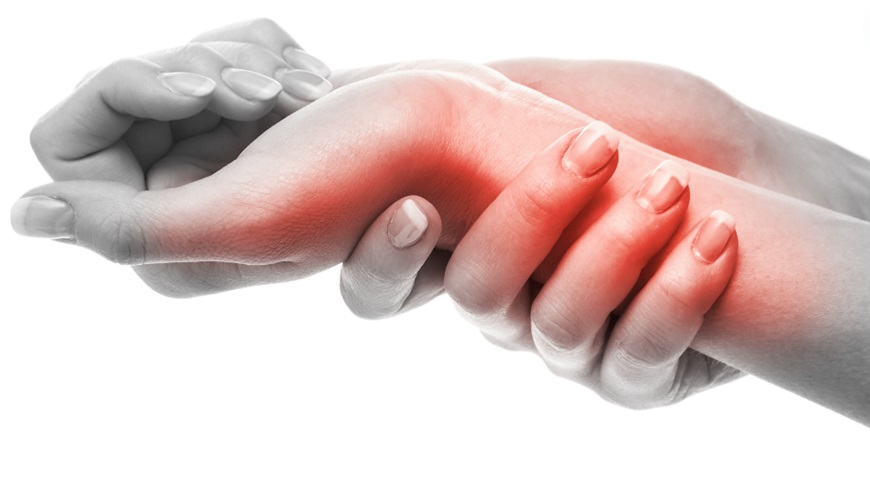
  1. Persistent Pain or Stiffness – If you’re experiencing ongoing pain or stiffness in your hand, wrist, or fingers, it could be a sign of underlying issues such as arthritis, tendonitis, or carpal tunnel syndrome. Persistent discomfort that doesn’t improve with rest or over-the-counter treatments shouldn’t be ignored. Early intervention by a hand specialist can prevent the condition from worsening.
  2. Numbness or Tingling – Numbness or tingling in your hands, especially if it occurs frequently, may indicate nerve compression or damage. Conditions like carpal tunnel syndrome often begin with these symptoms, which can progress to more severe issues if left untreated.
  3. Difficulty Gripping or Holding Objects – If you find it increasingly difficult to grip or hold objects or drop things more often than usual, it’s time to consult a hand specialist. This could signal nerve or muscle problems that need professional evaluation and treatment.
  4. Visible Deformities – Any visible deformity, such as a lump, bump, or abnormal shape in your hand or fingers, warrants immediate attention. These could be signs of fractures, cysts, or tumors requiring a specialist’s care.
  5. Limited Range of Motion – If your hand or fingers are becoming increasingly stiff or you can’t move them as freely as before, this could be a sign of joint or tendon issues. A specialist can assess the problem and recommend appropriate treatments to restore mobility.

The Importance of Early Intervention

Seeking help from a hand specialist early can prevent minor issues from developing into major problems. For example, if you’re dealing with carpal tunnel syndrome, early intervention can include non-surgical treatments like splinting or physical therapy, potentially avoiding the need for surgery later. Similarly, early treatment for arthritis can help manage symptoms and slow the progression of the disease.

Preventing Hand Injuries

While some hand problems are unavoidable, others can be prevented with proper care and attention. Regularly practicing hand exercises, taking breaks from repetitive tasks, and maintaining good ergonomics can go a long way in keeping your hands healthy. For more tips on preventing hand injuries, check out these five easy ways to prevent hand injuries.

Choosing the Right-Hand Specialist

Selecting the right-hand specialist is crucial to getting the best care. When searching for a specialist, consider their experience, the range of services they offer, and their approach to treatment. To make an informed decision, you can refer to this guide on how to choose the best hand surgeon. This resource offers valuable insights into what to look for when selecting a specialist.

Conclusion

Your hands are crucial in your daily life, making your care a top priority. If you’re experiencing any of the symptoms mentioned, don’t hesitate to consult a hand specialist. Early diagnosis and treatment can significantly impact your hand health and overall well-being.

Public Places Walking barefoot in public areas like pools or gyms can expose you to HPV. Skin Trauma Biting your nails or scratching your skin can raise the risk of 脫疣.

These kits use freezing agents to destroy the wart. Apply as directed and repeat if needed. This method is effective but might need several sessions.

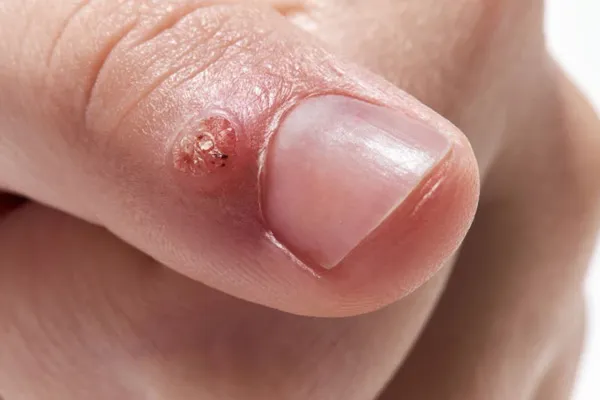
What Are Warts?

Medications or injections are applied or administered as directed by your healthcare provider. Multiple sessions might be needed. Follow instructions for managing side effects and additional treatments.

Types of Warts

They might have tiny black dots inside and can cause discomfort:

  • Common Warts: The dead tissue will eventually fall off. For salicylic acid, place the solution or pad directly on the wart.
  • Aftercare: The treated area may blister and eventually fall off within a few weeks. Keep it clean and avoid picking at the blister.
  • Application: A laser is directed at the wart to destroy the tissue. This procedure is quick but may need several sessions.
  • Shared Items: Using towels, razors, or other items used by someone with warts can increase the risk.
  • Aftercare: The wart will dry out and eventually fall off. Keep the area dry and follow any additional care instructions.

Causes and Risk Factors

The wart will feel cold and may turn white. Several factors can increase the risk of developing warts:

  • Aftercare: The treated area may be sore. Follow the aftercare instructions to promote optimal recovery.
  • Direct Contact: The treated area might blister and fall off within a few weeks. Keep it clean and avoid picking at the blister.
  • Frequent Skin Trauma: Biting nails or scratching can increase the risk of warts.
  • Public Places: Walking barefoot in areas like pools or gyms can expose you to HPV.
  • Using Shared Items: Touching items that an infected person has used, such as towels or pool surfaces, can spread the virus.

Treatment Options for Warts

The area may be covered with a bandage. Aftercare The wart will dry out and fall off. Avoid getting the area wet and follow additional care instructions. Avoid getting the area wet and follow additional care instructions.

Here are some common treatments:

Warts

Over-the-Counter Treatments

Aftercare Follow your practitioner’s instructions for managing any side effects or additional treatments. The wart will gradually dry out and fall off. Avoid getting the area wet and follow any additional aftercare instructions.

  • Application: Apply the OTC treatment as directed. For salicylic acid, use the solution or pad directly on the 去疣.
  • Follow-Up: Continue the treatment for several weeks.

Cryotherapy

Application Apply the treatment as directed. For salicylic acid, use a gel, pad, or solution directly on the wart. Follow-Up Continue the treatment for several weeks.

A laser targets the wart, destroying the tissue. This may require several sessions. This method is effective but may require several sessions, especially for warts that do not respond to other treatments.

Laser Therapy

Application Follow the specific instructions for the immunotherapy treatment. Multiple sessions might be needed. The area may be red and swollen. Follow aftercare instructions to promote healing.

Electrosurgery

Clean the area and apply or inject the treatment as directed. Treatments vary and may require multiple sessions. Follow instructions for managing side effects and additional treatments.

Chemical Treatments

They work similarly to professional cryotherapy but may require multiple applications for complete removal. For salicylic acid, place the solution or pad directly on the wart. Continue treatment for several weeks. The wart should gradually shrink and disappear.

Immunotherapy

The wart will feel cold and may turn white. The treated area may blister. Keep it clean and avoid picking at the blister. The wart will dry out and eventually fall off. Avoid getting the area wet and follow any additional care instructions.

Apply or inject the immunotherapy treatment as directed. Follow instructions for managing any side effects and continue any follow-up treatments.

Detailed Removal Process

Here’s a simple overview of the process for each treatment method:

Over-the-Counter Treatments

  • Aftercare: The treated area may be sore. Follow aftercare instructions for optimal healing.
  • Application: Apply the OTC treatment as directed. For salicylic acid, apply the solution or pad directly to the wart.
  • Follow-Up: Continue treatment for several weeks. The area may be sore. The wart will dry out and fall off. Avoid getting the area wet and follow additional care instructions.

Cryotherapy

  • Preparation: This method is commonly used for genital warts and may need professional application.
  • Application: Keep the treated area clean. The wart will blister and eventually fall off.
  • Aftercare: The exact method and frequency depend on the specific treatment used. Keep it clean and avoid picking at the blister.

Laser Therapy

  • Preparation: Keep the area clean and follow aftercare instructions to ensure proper recovery.
  • Application: Use a laser to target and destroy the wart tissue. Follow aftercare instructions to promote healing. The procedure is usually quick but may require several sessions.
  • Aftercare: The treated area may be red and swollen. Follow aftercare instructions for proper healing.

Electrosurgery

  • Preparation: Clean the area and apply or inject the treatment as directed.
  • Follow-Up: Continue the treatment for several weeks. The wart should gradually shrink and eventually fall off. The wart should gradually shrink and eventually fall off.
  • Aftercare: The area may be sore. Follow aftercare instructions to promote optimal recovery.

Chemical Treatments

  • Preparation: Biting nails or scratching the 皮膚疣 can raise the risk of warts.
  • Application: Using personal items like towels or razors that an infected person has used can spread warts.
  • Aftercare: The wart will gradually dry out and fall off. Avoid getting the area wet and follow any additional care instructions.

Immunotherapy

  • Preparation: Clean the area and apply or inject the treatment.
  • Application: Follow the specific instructions for the treatment, which may require multiple sessions.
  • Aftercare: Follow the healthcare provider’s advice for managing side effects and additional treatments.

Prevention Tips

To reduce the risk of warts and maintain healthy skin, consider the following tips:

  • Avoid Direct Contact: The wart will gradually dry out and fall off. Avoid getting the area wet and follow any additional aftercare instructions.
  • Keep Feet Dry: Follow the instructions for applying the freezing agent. The wart should eventually fall off.
  • Practice Good Hygiene: Electrosurgery uses an electric current to burn off the wart. It is effective but might require a few treatments.
  • Strengthen Immunity: These use freezing agents to destroy the wart. They work like the professional cryotherapy but are meant for home use.

Conclusion

This common ingredient helps dissolve the wart gradually. You can find it in gels, pads, and solutions at the pharmacy. Apply it directly to the wart and continue for several weeks.

These kits use freezing agents to destroy the wart. They work similarly to professional cryotherapy but are designed for home use.

A laser targets the wart, destroying it. This might require several sessions. The treated area may be red and swollen. Follow aftercare instructions for proper healing. Follow aftercare instructions to manage any soreness and promote healing.

The wart will gradually dry out and fall off. Avoid getting the area wet and follow any additional care instructions.