
Author

Sheri gill

Browsing

Defining Mixed Cerebral Palsy

Mixed cerebral palsy is a complex condition where a person experiences symptoms of more than one type of cerebral palsy. Instead of affecting just one area of motor control, the brain injury that causes CP impacts multiple regions. This means an individual might show signs of spasticity (stiff muscles) alongside involuntary movements or difficulties with balance and coordination. It’s essentially a blend of different movement challenges stemming from varied brain damage.

Prevalence of Mixed Cerebral Palsy

While spastic cerebral palsy is the most common form, mixed cerebral palsy accounts for a significant portion of diagnoses. Approximately 15.4% of all cerebral palsy cases are identified as mixed type. This prevalence highlights that brain injuries are not always confined to a single area, leading to a combination of motor impairments.

Common Combinations in Mixed Cerebral Palsy

The specific symptoms and their severity can vary greatly depending on which brain areas are affected and to what extent. However, certain combinations are observed more frequently. Some of the most common presentations include:

  • Spastic-Dyskinetic CP: This is a very common combination, where individuals experience both muscle stiffness and involuntary movements like writhing or jerking.
  • Spastic-Ataxic CP: Here, a person might have stiff muscles along with problems in balance and coordination, making precise movements difficult.
  • Dyskinetic-Ataxic CP: This combination involves involuntary movements and significant challenges with maintaining balance and coordinating actions.

Understanding these combinations is key to recognizing the unique needs of individuals with mixed cerebral palsy.

Neurological Basis of Mixed Cerebral Palsy

Brain Injury Across Multiple Regions

Mixed cerebral palsy happens when damage affects more than one area of the brain that controls movement. Think of the brain as having different departments, each handling a specific job related to how we move, stay balanced, and hold ourselves up. When an injury, often occurring before or around birth, isn’t limited to just one of these departments, it can lead to a mix of challenges. This widespread impact means that a child might show signs of different types of cerebral palsy all at once.

Impact on Motor Cortex Function

The motor cortex is like the brain’s command center for voluntary movements. Damage here can lead to spasticity, which means muscles become stiff and difficult to move. This can affect limbs, making them tight and sometimes leading to contractures over time. The precise way spasticity shows up depends on which parts of the motor cortex are affected and how severely.

Role of Basal Ganglia and Cerebellum

  • Basal Ganglia: This area helps regulate voluntary movement and also plays a role in involuntary movements. Damage here can result in dyskinetic symptoms, such as writhing, twisting, or jerky movements that are hard to control. These movements can sometimes interfere with posture and purposeful actions.
  • Cerebellum: The cerebellum is key for coordination and balance. When it’s affected, individuals may experience ataxia, leading to difficulties with balance, a wide-based gait, and problems with fine motor skills like writing or buttoning clothes.

Disruption of White Matter Pathways

White matter pathways are like the brain’s highways, carrying signals between different brain regions and down to the spinal cord. When these pathways are damaged, the communication lines get disrupted. This can make it hard for the brain to send clear instructions to the muscles, affecting the smoothness and coordination of movements. The combination of damage in these distinct areas is what creates the complex picture seen in mixed cerebral palsy.

Identifying Symptoms of Mixed Cerebral Palsy

Overlapping Movement Difficulties

Mixed cerebral palsy presents a complex picture because it involves symptoms from more than one type of CP. This means individuals might experience a blend of challenges that don’t fit neatly into a single category. For instance, someone might have muscles that are both stiff and prone to sudden, uncontrolled movements. The key characteristic of mixed CP is this combination of distinct motor impairments. This can make everyday actions, from walking to grasping objects, significantly more difficult than with a single type of CP. Understanding these overlapping difficulties is the first step in recognizing this form of the condition.

Co-occurrence of Spasticity and Involuntary Movements

One of the most common presentations of mixed cerebral palsy is the combination of spasticity and dyskinetic movements. Spasticity refers to muscle stiffness and tightness, which can limit range of motion and make movements awkward. On the other hand, dyskinetic movements are involuntary, meaning they happen without conscious control. These can include writhing, twisting, or jerky motions. When these two occur together, it creates a unique set of challenges. For example, a person might struggle to hold a limb still due to involuntary movements, while also experiencing stiffness that makes it hard to initiate or control voluntary actions. This interplay between stiffness and uncontrolled motion is a hallmark of mixed CP and can significantly impact fine motor skills.

Challenges with Balance and Coordination

Individuals with mixed cerebral palsy often face significant hurdles with balance and coordination. This is frequently due to the involvement of the cerebellum, a part of the brain critical for these functions, alongside other areas affecting muscle tone and movement control. The result can be:

  • Unsteady gait: Walking may appear wobbly or uneven.
  • Difficulty with fine motor tasks: Tasks requiring precise hand movements, like writing or buttoning clothes, can be very challenging.
  • Poor postural control: Maintaining an upright position, whether sitting or standing, may require extra effort and concentration.

These coordination issues can make participation in physical activities difficult and may require adaptive strategies or assistive devices to improve safety and independence. Recognizing these combined symptoms is vital for accurate diagnosis and effective support, as early detection can lead to better outcomes for children with cerebral palsy.

Diagnostic Considerations for Mixed Cerebral Palsy

Challenges in Differentiating Types

Diagnosing mixed cerebral palsy can be tricky because it involves a combination of symptoms from different types. Unlike a diagnosis focused on just one area, like spasticity alone, mixed CP presents a more complex picture. Doctors have to look at how different parts of the brain might have been affected and how that shows up in a child’s movement. It’s not always a clear-cut case, and sometimes it takes time to see the full range of challenges.

Importance of Early Detection

Spotting the signs of mixed cerebral palsy early on is really important. Even subtle differences in how a baby or young child moves can be clues. For instance, a baby might seem to favor one side of their body, or have trouble with sitting up or holding their head steady. The sooner these signs are noticed, the sooner a child can get the support they need. This can make a big difference in how well they can develop and manage their condition over time.

Potential for Misdiagnosis

Because mixed cerebral palsy combines features of other types, there’s a chance it could be mistaken for something else, or that only one aspect of the condition is identified initially. This is why a thorough evaluation by specialists, like developmental pediatricians or neurologists, is so important. They use various tools, including imaging like MRIs, to get a clearer view. It’s also okay for parents to ask questions and seek second opinions if they feel something isn’t quite right. Getting the most accurate diagnosis helps ensure the right treatment plan is put in place.

Treatment and Management Strategies

Managing mixed cerebral palsy involves a coordinated effort from a team of professionals. Because this condition often presents with a combination of movement challenges, treatment plans are highly individualized. The primary goal is to help individuals achieve the greatest possible independence and improve their quality of life. A multidisciplinary approach is key to addressing the complex needs of individuals with mixed CP.

Multidisciplinary Therapy Approaches

Treatment for mixed cerebral palsy typically involves several types of therapy working together. This integrated approach ensures that all aspects of the individual’s challenges are addressed. The team might include:

  • Physiatrists (rehabilitation physicians)
  • Neurologists
  • Physical therapists
  • Occupational therapists
  • Speech-language pathologists
  • Orthopedic surgeons
  • Psychologists

This collaborative team works to create a unified plan, often referred to as comprehensive care, that supports the individual across different areas of development and daily living.

Role of Physical Therapy

Physical therapy plays a significant role in improving motor skills and function. Therapists focus on exercises that build strength, increase flexibility, and improve balance. For individuals with mixed CP, this might involve strategies to manage both stiffness and involuntary movements. Techniques can include stretching to reduce muscle tightness, strengthening exercises for weak muscles, and gait training to improve walking. Therapists also help individuals learn to use their bodies more effectively and adapt to movement challenges.

Benefits of Occupational Therapy

Occupational therapy helps individuals develop skills needed for daily living. This can range from fine motor tasks like writing and dressing to gross motor activities. Therapists work with individuals to find adaptive strategies and tools that make everyday tasks easier. For example, they might introduce specialized utensils for eating or adaptive grips for writing. The focus is on promoting independence and participation in meaningful activities.

Speech and Language Support

Speech and language therapy addresses difficulties with communication, eating, and swallowing. Muscle control issues common in mixed CP can affect a person’s ability to speak clearly or to coordinate the muscles needed for safe swallowing. Therapists work on improving articulation, voice production, and oral motor skills. They also provide strategies for managing feeding challenges and may explore alternative communication methods if verbal speech is significantly impacted.

Therapeutic Interventions for Mixed Cerebral Palsy

Medication for Symptom Control

When a child has mixed cerebral palsy, managing the various symptoms can be complex. Medications play a role in addressing specific issues that arise from the combined neurological challenges. For instance, if spasticity, or muscle stiffness, is a significant concern, drugs like baclofen might be prescribed. These work by relaxing the muscles, which can make movement easier and reduce discomfort. Similarly, if involuntary movements, such as writhing or jerky motions, are prominent, other medications may be used to help regulate these. The goal isn’t to eliminate all movement, but to reduce the disruptive or painful aspects so that other therapies can be more effective. Finding the right medication and dosage often involves careful observation and adjustment by the medical team, as the best approach depends on the unique blend of symptoms each child experiences.

Surgical Interventions

In some instances, surgery can be a valuable part of the treatment plan for mixed cerebral palsy. These interventions are typically considered when there are specific physical issues that therapy alone cannot fully address. For example, if muscle contractures have led to joint deformities, surgery might be performed to lengthen muscles or release tight tissues. This can improve a child’s ability to move limbs more freely and can also help prevent further complications. Procedures might also be done to correct bone alignment or address issues with tendons. The decision to pursue surgery is made carefully, weighing the potential benefits against the risks, and is usually part of a broader strategy to improve function and comfort.

Assistive Devices and Mobility Aids

Assistive devices and mobility aids are incredibly important for children with mixed cerebral palsy, helping them gain more independence in their daily lives. These tools are selected based on the specific combination of movement challenges a child faces. For instance:

  • Braces and orthotics: These can help support limbs, improve alignment, and manage muscle stiffness, making walking or standing more stable.
  • Walkers and crutches: For children who can walk but need extra support, these devices offer stability and reduce the effort required for movement.
  • Wheelchairs: For those with more significant mobility limitations, wheelchairs provide a way to travel distances and participate in activities.
  • Communication aids: If speech is affected, devices like communication boards or electronic speech generators can help children express themselves.

These aids are not just about getting from one place to another; they are about enabling participation in school, social activities, and everyday routines. The specific devices used are often adjusted over time as a child grows and their needs change.

Related Information

Navigating the changes that come with menopause or perimenopause can be overwhelming. Hormonal imbalances often bring uncomfortable symptoms such as hot flashes, mood swings, fatigue, and sleep disturbances. For many women, women hormone replacement therapy offers a safe and effective way to restore balance and improve quality of life. However, finding the right treatment requires understanding your body’s needs, available options, and professional guidance.

1. Understand What Hormone Replacement Therapy Involves

Women hormone replacement therapy (HRT) is designed to supplement the body with hormones—primarily estrogen and progesterone—that decline during menopause. These hormones help regulate various body functions, including temperature control, mood, and bone health.

 The right treatment depends on factors like your age, medical history, and specific symptoms. Understanding how HRT works is the first step toward making an informed decision.

2. Determine Whether You Need Estrogen-Only or Combined Therapy

There are two main types of hormone replacement therapy: estrogen-only and combined (estrogen plus progesterone). Estrogen-only therapy is generally prescribed for women who have had a hysterectomy, while combined therapy is suitable for those with an intact uterus to reduce the risk of endometrial cancer.

Your doctor will evaluate your medical history to determine which type best fits your needs and minimizes risks.

3. Explore Different Delivery Methods

Today’s women hormone replacement treatments come in a variety of forms, including pills, patches, gels, creams, and injections. Each method has its own benefits. Patches and gels, for example, deliver hormones directly into the bloodstream, offering steady levels with fewer side effects.

Oral tablets are convenient but may increase the risk of blood clots for some women. Choosing the right method often depends on lifestyle, comfort, and medical considerations.

4. Personalize Your Treatment Plan

Every woman’s hormonal balance and health profile are unique, so a one-size-fits-all approach doesn’t work. A qualified healthcare provider can customize your therapy by adjusting hormone dosages and delivery methods to suit your individual needs.

 Personalized treatment not only enhances effectiveness but also reduces the likelihood of side effects, ensuring you get the maximum benefit with minimal discomfort.

5. Monitor and Adjust Regularly

Hormone therapy isn’t a static treatment. Regular monitoring is essential to assess its effectiveness and safety. Follow-up appointments allow your doctor to review symptoms, hormone levels, and any side effects, making necessary adjustments over time.

Ongoing communication with your provider ensures your treatment remains balanced and beneficial as your body changes.

6. Consider Lifestyle and Natural Alternatives

While women hormone replacement therapy is effective, combining it with healthy lifestyle choices—such as balanced nutrition, regular exercise, and stress management—can further enhance results.

Some women also benefit from natural alternatives like phytoestrogens or herbal supplements, though these should be discussed with a healthcare professional to avoid unwanted interactions.

Conclusion

Choosing the right women hormone replacement treatment is about finding balance—between science and your body’s natural rhythms. With proper guidance, personalized care, and regular follow-ups, you can ease menopausal symptoms and regain your vitality and confidence. Always consult a qualified healthcare professional to ensure your treatment aligns with your specific health goals and needs.

.

In a city as fast-paced and complex as Mumbai, discussions around sexual health often take a back seat. Yet for many individuals and couples, it’s one of the most important parts of overall well-being. Whether you’re facing performance issues, intimacy concerns, or unexplained physical symptoms, finding a qualified sexologist in Mumbai can be the first step toward real answers and long-term relief.

But Mumbai is vast, and not every clinic or practitioner offers the same level of care. This guide breaks down how to find the best sexologist, whether you’re in Western suburbs, South Mumbai, or Central zones — and why discreet, expert help is more accessible than ever.

Why Seeing a Sexologist Matters

Sexual health isn’t just about intimacy. It’s often deeply connected to your emotional, hormonal, and even cardiovascular health. In many cases, sexual symptoms are early warning signs of larger underlying issues.

A qualified sexologist doesn’t just treat the symptom — they look at the full picture:

  • Psychological stress and mental health
  • Lifestyle and physical health
  • Hormonal imbalances or medical conditions
  • Relationship dynamics

Today’s leading clinics use a blend of modern medicine, counseling, and evidence-backed therapies tailored to individual needs.

Common Reasons People See a Sexologist

You don’t need a major problem to consult a specialist. Some of the most common issues people seek help for include:

  • Erectile dysfunction or premature ejaculation
  • Low libido or arousal challenges
  • Painful intercourse
  • Infertility or reproductive concerns
  • Performance anxiety or emotional barriers
  • Postpartum or menopause-related sexual shifts

The key is: don’t wait until it affects your relationship or mental health. Early treatment is often more effective, less invasive, and easier to manage.

Best Sexologist in Western Mumbai: What to Look For

Western Mumbai — from Andheri to Borivali — has seen a rise in modern wellness centers that include sexology services. However, not all clinics are created equal.

When looking for the best sexologist in Western Mumbai, prioritize:

  • Medical qualifications (MBBS, MD, or specialization in sexual medicine)
  • Experience treating both male and female patients
  • Discreet consultation options (in-person and virtual)
  • A holistic approach (psychological + physical)

Some of the top sexologists in Mumbai also work within multidisciplinary clinics, offering hormone panels, counseling, and customized treatment plans under one roof.

Best Sexologist in Central Mumbai: Accessibility & Trust

If you’re based in areas like Dadar, Byculla, or Parel, accessibility becomes key — but so does the doctor’s track record. The best sexologist in Central Mumbai is one who:

  • Respects patient privacy
  • Explains treatment plans in clear, non-judgmental terms
  • Has proven experience in male and female sexual dysfunctions
  • Offers support through follow-ups and reviews

Don’t hesitate to ask about patient testimonials, years of practice, or whether the clinic handles sensitive issues like post-abuse trauma or LGBTQ+ concerns.

Best Sexologist in South Mumbai: Premium Care & Experience

South Mumbai is home to some of the city’s most established clinics, often with decades of medical practice behind them. If you’re searching for the best sexologist in South Mumbai, focus on:

  • Clinical legacy and reputation
  • Access to advanced diagnostics
  • High-end patient care environments
  • Integration with other specialties like endocrinology, urology, and psychiatry

Whether it’s Colaba, Nariman Point, or Marine Lines, South Mumbai clinics are often chosen by patients looking for long-term wellness plans and premium discretion.

Beyond Mumbai: Best Sexologist in Maharashtra

Outside the city, several clinics across Maharashtra — in Pune, Nashik, Nagpur, and Aurangabad — have emerged as leaders in sexual medicine. When searching for the best sexologist in Maharashtra, look for:

  • Board-certified practitioners
  • Clinics with a digital presence and verified reviews
  • Options for remote consultation or travel-friendly treatment scheduling

Thanks to increased awareness and telehealth, patients can now access top-tier care across the state — without needing to relocate or commute frequently.

Take the First Step

Sexual health is deeply personal but that doesn’t mean you have to deal with problems in silence. Whether you’re in Western Mumbai, Central, or South, finding the right expert can restore not just your confidence, but your relationship and quality of life.

Thebest sexologist in India are more than just medical professionals. They’re educators, counselors, and allies in your journey to well-being. The sooner you seek help, the faster you can get answers and real, lasting solutions.

Governments often maintain strong institutional knowledge but may lack specialized expertise for emerging challenges or transformational initiatives. Advisory services bridge these capability gaps through teams with diverse experience across jurisdictions and sectors. This external perspective provides several distinct advantages:

  • Access to specialized technical skills that would be inefficient to maintain permanently
  • Cross-sectoral insights from advisors who work across public, private, and nonprofit domains
  • International perspectives that identify innovative approaches from global best practices
  • Independent viewpoints that can challenge entrenched institutional thinking
  • Flexible capacity that can be deployed rapidly as priorities shift

Rather than replacing internal capacity, effective advisory relationships complement public service expertise with specialized knowledge that enhances government capabilities during critical initiatives.

Evidence-based decision support

Quality advisory services strengthen governance through rigorous analytical approaches that enhance decision-making processes. These methodologies help governments move beyond intuition-based decisions toward evidence-driven approaches that improve outcomes and build public trust. Key analytical contributions include:

  • Comprehensive situation analysis incorporating quantitative and qualitative methodologies
  • Scenario planning that anticipates policy outcomes across different variables
  • Benchmarking against comparable jurisdictions to establish realistic performance targets
  • Impact assessments that evaluate potential consequences across diverse stakeholder groups
  • Cost-benefit analyses that enhance resource allocation decisions

These frameworks provide decision-makers with structured approaches to complex problems while creating transparent documentation of how conclusions were reached, which is essential for accountability in democratic systems.

Facilitating institutional learning

Advisory partnerships create structured knowledge transfer that builds lasting institutional capacity. Beyond delivering specific recommendations, effective advisors design collaborative processes that embed new capabilities within government operations. This knowledge transfer typically occurs through:

  • Joint working teams that pair advisors with public servants throughout projects
  • Capability-building workshops that develop specific technical skills
  • Documentation of methodologies that enable future application
  • Mentoring relationships that accelerate professional development
  • Communities of practice that sustain learning beyond formal engagements

The most valuable advisory relationships prioritize this capability development alongside immediate deliverables, creating a sustainable impact that persists after the formal engagement concludes.

Managing complex stakeholders

Major policy initiatives require navigating diverse stakeholder interests across public, private, and civil society sectors. Advisory services contribute valuable capabilities in stakeholder engagement and consensus-building through:

  • Structured stakeholder mapping and analysis techniques
  • Design and facilitation of multi-stakeholder dialogues
  • Independent mediation between competing interests
  • Public awareness and support communication strategies
  • Implementation roadmaps that maintain momentum across political cycles

This facilitation role helps governments develop more inclusive policies while building the coalitions necessary for successful implementation across complex stakeholder landscapes.

Implementation support

The role of advisory services often bridges the gap between policy formulation and implementation. This implementation support includes:

  • Detailed operational planning that translates high-level strategy into actionable steps
  • Change management methodologies that address resistance and build organizational adoption
  • Project management disciplines that maintain momentum and accountability
  • Risk identification and mitigation strategies
  • Performance measurement frameworks that track progress and enable course corrections

These implementation capabilities help governments overcome the execution challenges that frequently undermine otherwise sound policy initiatives.

Advisors frequently introduce innovative approaches that help governments adopt emerging technologies and service models. This innovation acceleration includes identifying appropriate digital solutions, designing user-centred services, and establishing governance frameworks for new technologies. Successfully managing Artificial Intelligence government initiatives involves establishing governance frameworks that promote accountability and efficiency.

Body sculpting has surged in popularity in recent years, promising quick and effective ways to contour the body without invasive surgery. From non-invasive methods like CoolSculpting and laser lipolysis to more intensive options like liposuction or body contouring surgery, the appeal of achieving your dream body has attracted many. But what is the actual cost of body sculpting beyond just the price tag? When evaluating these procedures, let’s dive into the financial, physical, and psychological factors.

Financial Investment

How much is body sculpting? Body sculpting treatments come with a wide range of costs, mainly depending on the method chosen and the number of sessions required:

  1. Non-Invasive Options: Treatments like CoolSculpting or laser fat removal can cost between $600 and $2,000 per session. Since these methods typically require multiple sessions for noticeable results, the total cost can easily climb into the thousands.
  2. Surgical Procedures: Liposuction or tummy tucks often cost $3,000 to $10,000 or more, depending on their complexity and the surgeon’s expertise. Additional costs for anesthesia, post-operative care, and follow-up visits can further inflate the price.
  3. Maintenance: Even after the initial treatment, maintaining results may require periodic follow-ups or additional sessions, especially for non-invasive procedures where results fade over time.

Physical Costs: Risks and Recovery

Everybody sculpting method carries some level of physical cost:

  1. Non-Invasive Risks: While non-surgical treatments have minimal downtime, some patients report side effects like swelling, numbness, or uneven results. These side effects are generally temporary but can still disrupt daily life.
  2. Surgical Risks: Invasive procedures involve more significant risks, including infection, scarring, blood clots, or complications from anesthesia. Recovery times can last weeks or months, with discomfort and limited mobility in the interim.
  3. Realistic Expectations: Body sculpting does not replace a healthy lifestyle. For instance, fat can return if weight is regained, and procedures cannot address issues like loose skin from significant weight loss unless specifically designed.

Psychological Costs: Body Image and Self-Esteem

While many people report increased confidence after body sculpting, it’s not always a guaranteed boost to self-esteem:

  1. Unrealistic Expectations: Marketing around body sculpting can sometimes set unattainable standards. Patients who expect perfection may feel disappointed, even if the procedure is a technical success.
  2. Body Image Pressure: Body sculpting should be a personal decision rather than influenced by societal pressure. External factors like media representation or peer comparison can push individuals to undergo treatments they may later regret.
  3. Mental Health and Support: Consulting with a therapist or counselor before undergoing body sculpting can help ensure the decision is aligned with personal goals and not impulsive or emotionally driven.

Weighing Value Against Results

Ultimately, the value of body sculpting lies in its ability to align results with personal expectations. Those who experience the most satisfaction often:

  • Conduct thorough research on methods and providers.
  • Set realistic expectations about results and maintenance.
  • Balance the financial, physical, and psychological costs against their personal goals.

Is it worth it? That depends entirely on the individual, their goals, and their preparedness for the journey. While body sculpting can enhance confidence, it’s essential to approach it with a clear understanding of the associated costs, both tangible and intangible.

Conclusion

Body sculpting can boost confidence but comes with financial, physical, and psychological costs. Thorough research, realistic expectations, and a balanced perspective are key to ensuring satisfaction. Ultimately, its value depends on aligning personal goals with achievable results, making it a profoundly individual decision that should be approached thoughtfully.

A gummy smile, or gingival display, is a condition in which the individual appears to have too much gum tissue when he or she smiles. This is due to multiple reasons like hereditary, growth of gum tissue over teeth, and position of the upper lip. Like many individuals with gummy smiles, people become self-conscious as it reduces one’s self-esteem and confidence levels.

Fixing this problem is possible using several methods, and one of the most common ones is the dentistry solution called veneers which basically involves placing a thin layer of material over the protruding part of the gums to give one a beautiful smile.

Gummy smiles can be a serious issue for those people, and becoming more important for children who have just started to focus on their appearance. In cases where the gums are particularly prominent, see a dental practitioner at the local dentistry for children. The dentist diagnoses the problem and offers proper solution. At dental office in Aurora Epic Dentistry for Kids carry professional dentists capable to assess your child’s smile and advise you on the next step to take to fix the gummy smile.

  • Dental contouring: It is a useful remedy for transforming a gummy smile. It essentially works towards flattening the gum line. Unlike some other procedures, dental contouring is relatively quick and doesn’t cause any discomfort. At the same time patients tend to have a much cleaner looking gum line.
  • Gum grafting: The dentist takes a piece of tissue equivalent to the gum from a different part of the mouth and put over the roots of the teeth that are visible. It can also help to develop the harmony between the gum line creating more beautiful shape and appearance to smile.
  • Orthodontic treatment: It gradually repositions the teeth including tooth alignment using braces or clear aligners and reduces the situation where excess gum tissue shows.
  • Botox: Botox paralyses the upper lip muscles that pull the upper lip up high which contributes to formation of gummy smile.

Lifestyle changes

There is however some general lifestyle changes, home treatment practices that can help in correcting a gummy smile apart from dental surgery operations. A proper dental hygiene involves brushing and flossing at least twice in a day. It is healthy for the gum and the teeth thus preventing swollen gum tissues. Brush gently with a soft bran toothbrush to minimize gum receding, which is one of the major causes of a gummy smile.

Nutrition

Also consume nutritious food helps to improve oral health and enhance the appearance of the gums. There are certain foods which are rich in vitamin C and other anti-oxidants. They assist in reinforcing gums and decrease inflammatory ailments that can draw attention to the gummy smile.

Conclusion

There is no difficulty in fixing gummy smile problem. There are various possibilities such as dental contouring, gum grafting, orthodontic treatment, and Botox injection. It is wise to seek advice from a dental specialist to identify the most suitable solution. It is possible to give your kids the perfect teeth and fine bright smiles.

Dark eye circles are a prevalent cosmetic issue for many individuals in Singapore. Although they pose no health risks, they can contribute to an appearance of fatigue, ageing, and diminished vitality.

Examine the underlying causes, preventive measures, and dark eye circle treatments in Singapore, allowing individuals to gain a revitalised eye appearance.

Causes of Dark Eye Circles

Understanding the causes of dark eye circles is essential for choosing a suitable treatment. Below are the common reasons for this issue:

Genetics

Many individuals inherit the tendency to develop dark eye circles. Genetics can dictate skin thickness and pigmentation, which both play a role in the appearance of dark circles.

Ageing

As we age, the skin around the eyes becomes thinner and loses its elasticity. This instance leads to the visibility of blood vessels underneath, creating a darkened appearance.

Lack of Sleep

Inadequate rest can cause fluid retention under the eyes, leading to puffiness and dark shadows.

Sun Exposure

Excessive exposure to sunlight increases melanin production, which can darken the skin under the eyes.

Lifestyle Factors

Poor diet, dehydration, and smoking can all contribute to dark eye circles by affecting overall skin health and elasticity.

Prevention of Dark Eye Circles

Dark Eye Circles

Prevention starts with addressing the root causes. Here are some practical steps that can help minimise the appearance of dark circles:

Get Adequate Sleep

A consistent sleep schedule can reduce puffiness and shadows under the eyes. Aim for 7-9 hours of quality sleep per night.

Use Sun Protection

Apply sunscreen daily to prevent UV damage, especially around the sensitive eye area. Sunglasses can also provide an additional layer of protection.

Maintain a Healthy Diet

Eating a balanced diet rich in vitamins A, C, and E can enhance skin health. Staying hydrated will also prevent skin from becoming dry and thin.

Quit Smoking

Smoking affects blood flow, leading to poor skin health and exacerbating the appearance of dark eye circles.

Dark Eye Circle Treatments in Singapore

If prevention alone isn’t enough, various dark eye circle treatments are available. Here’s a breakdown of the typical options:

Laser Treatments

It is one of the favoured dark eye circle treatments. Laser therapy helps reduce pigmentation by targeting melanin under the skin. It can also boost collagen production, enhancing skin texture and reducing visible blood vessels.

Dermal Fillers

Dermal fillers are an option when dark eye circles are caused by volume loss. Fillers help restore volume under the eyes, reducing the appearance of hollows and shadows. Many clinics offering facial aesthetics treatments provide this option.

Chemical Peels

Chemical peels can enhance skin tone and reduce pigmentation under the eyes. Mild acids are used to exfoliate the top layer of skin, stimulating cell renewal and enhancing the overall appearance.

Radiofrequency Therapy

This non-invasive procedure uses radiofrequency waves to tighten skin around the eyes, reduce wrinkles, and enhance skin texture. It’s often available as part of facial aesthetics treatments in many clinics.

Topical Creams

Retinol-based creams and those containing vitamin C can lighten dark eye circles. They work by promoting collagen production and skin regeneration. While over-the-counter creams may help, consulting a professional for recommendations is still advisable.

Conclusion

Dark eye circles may arise from genetic predisposition, the natural ageing process, and lifestyle habits. Although measures such as sufficient sleep, sun protection, and maintaining a healthy lifestyle can aid in prevention, individuals experiencing stubborn cases may seek professional treatments available. Various effective options exist, including laser therapies and dermal fillers, particularly through clinics specialising in facial aesthetics. Individuals seeking a holistic approach can turn to the best facial treatments in Singapore to effectively tackle multiple issues, including the concern of dark circles.

Visit 21st Century Beauty Spa to reduce the appearance of dark eye circles and achieve a refreshed look today!

In recent years, Singapore has taken significant steps to enhance the health and well-being of its citizens through various healthcare initiatives. One such initiative is Healthier SG, a comprehensive program aimed at promoting preventive care and chronic disease management.

With a focus on empowering individuals to take charge of their health, Healthier SG offers a range of services designed to improve health outcomes. This article explores the various services available under this initiative and how individuals can benefit from Healthier SG enrolment.

Comprehensive Health Assessments

One of the key services offered by Healthier SG is comprehensive health assessments. These assessments are designed to evaluate an individual’s health status and identify potential risks for chronic diseases. Upon Healthier SG enrolment, participants are entitled to a thorough health screening that includes blood tests, health questionnaires, and physical examinations.

These screenings help in the early detection of conditions such as diabetes, hypertension, and high cholesterol, allowing for timely interventions. By participating in these assessments, individuals can gain valuable insights into their health and make informed decisions regarding their lifestyle and healthcare needs.

Chronic Disease Management

Healthier SG places a strong emphasis on managing chronic diseases effectively. For individuals who are diagnosed with chronic conditions, the program offers tailored care plans that include regular follow-ups, medication management, and lifestyle modifications.

Participants enrolled in Healthier SG benefit from coordinated care provided by a team of healthcare professionals, including doctors, nurses, and dietitians. This collaborative approach ensures that individuals receive comprehensive support, helping them to manage their conditions and improve their overall quality of life.

Personalized Health Plans

Another significant aspect of Healthier SG is the development of personalized health plans. After completing the health assessment, participants receive a customized plan that addresses their specific health needs and goals.

These health plans are designed to encourage lifestyle changes, such as adopting a balanced diet, increasing physical activity, and quitting smoking. By setting achievable health targets, Healthier SG empowers individuals to take proactive steps toward better health and well-being.

Access to Health Resources and Education

Healthier SG also provides access to a wealth of health resources and educational materials. Upon Healthier SG enrolment, participants gain access to workshops, seminars, and online resources focused on various health topics, including nutrition, exercise, and stress management.

These educational initiatives aim to equip individuals with the knowledge and skills necessary to make informed health choices. By promoting health literacy, Healthier SG fosters a culture of preventive care and encourages individuals to take an active role in their health.

Digital Health Services

In line with Singapore’s vision of becoming a smart nation, Healthier SG incorporates digital health services into its offerings. Participants can access health tracking apps and telehealth services that allow them to monitor their health progress and communicate with healthcare providers remotely.

These digital tools enhance accessibility and convenience, making it easier for individuals to engage with their health and receive timely support. This is particularly beneficial for those with busy lifestyles who may find it challenging to attend in-person appointments regularly.

Community Support and Engagement

Healthier SG recognizes the importance of community in fostering health and wellness. The program encourages community engagement through various activities, such as group exercises, health fairs, and support groups.

By participating in community events, individuals can connect with others who share similar health goals, fostering a sense of belonging and support. This social aspect of health management can significantly contribute to motivation and accountability, making it easier for individuals to stay on track with their health goals.

Conclusion

Healthier SG represents a significant advancement in Singapore’s approach to healthcare, emphasizing preventive care and chronic disease management. By offering comprehensive health assessments, personalized health plans, access to resources, digital health services, and community engagement, the program empowers individuals to take control of their health.

Through Healthier SG enrolment, participants can access a wealth of services designed to improve their health outcomes and overall well-being. As Singapore continues to prioritize health promotion, initiatives like Healthier SG will play a crucial role in ensuring that citizens lead healthier, more fulfilling lives.

The field of pain management has evolved significantly, thanks to advancements in medical technology. For residents seeking Chicago pain management, understanding these innovations can enhance decision-making for effective treatment plans. This article explores some of the latest technologies revolutionizing pain management and their benefits.

The Evolution of Pain Management

Pain management has transitioned from traditional methods to incorporating high-tech solutions, aiming to improve patient outcomes and reduce discomfort. These advancements have provided healthcare professionals with a range of tools to address various pain-related conditions more effectively.

Radiofrequency Ablation

One of the cutting-edge technologies in pain management is radiofrequency ablation (RFA). This technique involves using heat generated by radio waves to target specific nerves responsible for pain transmission. By disrupting these nerve signals, RFA provides long-lasting relief for chronic pain conditions such as arthritis and back pain. Being minimally invasive with a swift recovery period, it is a favored option for both patients and doctors.

Neuromodulation Techniques

Neuromodulation involves altering nerve activity through electrical stimulation or chemical agents. Techniques like spinal cord stimulation (SCS) and peripheral nerve stimulation (PNS) are widely used to manage chronic pain. These methods deliver electrical impulses to the nervous system, modifying pain signals before they reach the brain. Neuromodulation has shown significant efficacy in reducing pain and improving the quality of life for patients with conditions like neuropathy and complex regional pain syndrome (CRPS).

Advancements in Pain Management Clinics

Pain management clinics are at the forefront of adopting innovative technologies, offering patients a diversified approach to treatment. Exploring the unique treatments offered at pain management clinics can provide insights into the latest methods available.

Virtual Reality Therapy

Virtual reality (VR) therapy is gaining recognition as an innovative method for pain management. By immersing patients in virtual environments, VR therapy effectively distracts them from pain while simultaneously reducing anxiety levels. It is especially effective in managing acute pain, whether during medical procedures or in post-operative recovery. This technology is gaining traction for its ability to enhance patient comfort and minimize the need for pharmaceutical interventions.

Cryotherapy

Cryotherapy, the application of extreme cold to body tissues, is another innovative technique gaining popularity in pain management. It is used to relieve muscle pain, sprains, and swelling. Cryotherapy chambers expose patients to sub-zero temperatures, which can reduce inflammation and promote healing. This method is favored for its quick application and non-invasive nature, making it suitable for a variety of conditions.

Personalized Pain Management

The integration of technology into pain management allows for more personalized treatment plans. By using data analytics and patient monitoring devices, healthcare providers can tailor interventions to meet individual needs. This approach ensures that patients receive care that is both highly effective and efficient.

With a variety of options available, finding the right pain management treatment becomes crucial. Patients should consult with healthcare professionals to explore the best options based on their specific conditions and lifestyle.

Conclusion

The field of pain management is rapidly evolving, driven by advanced technologies that enhance treatment effectiveness. From RFA and neuromodulation techniques to VR therapy and cryotherapy, these advancements offer promising solutions for those suffering from chronic pain. By keeping up with the latest advancements, patients can make well-informed decisions regarding their pain management strategies.

Frequently Asked Questions

1. What is radiofrequency ablation used for in pain management?

Radiofrequency ablation is a treatment for chronic pain conditions like arthritis and back pain. It works by disrupting the nerve signals that transmit pain.

2. How does virtual reality therapy help with pain management?

Virtual reality therapy helps manage pain by immersing patients in a virtual environment, which can distract them from their pain and reduce anxiety, especially during medical procedures or recovery.

3. What factors should be considered when choosing a pain management treatment?

Factors to consider include the patient’s specific condition, lifestyle, the effectiveness of the treatment, potential side effects, and consultation with healthcare professionals to determine the most suitable approach.

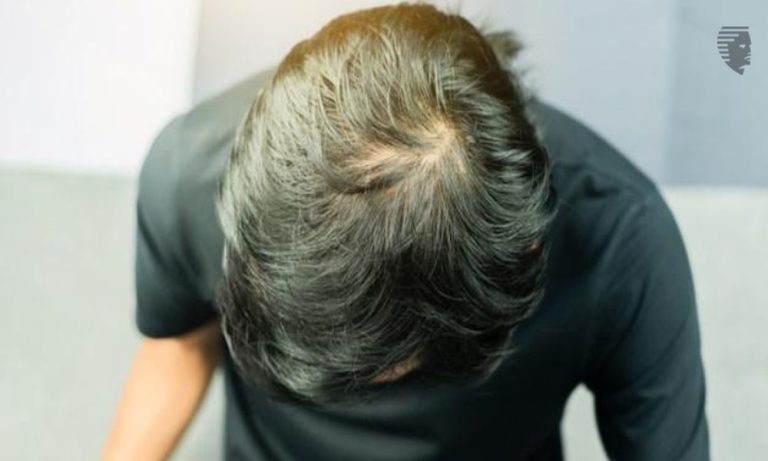
Experiencing hair loss can be frustrating, but with advanced treatments available today, it’s possible to regain both confidence and hair volume. Understanding the different causes of hair loss and addressing them with the right treatments is key to achieving a fuller head of hair. If you’re exploring options for hair loss treatment in Singapore, this guide will cover everything you need to know, from common causes to non-surgical solutions like Fotona Hair Growth Laser.

Common Causes of Hair Loss

Hair loss can occur due to a variety of factors, and understanding the cause is essential in determining the best treatment. Below are the primary contributors to hair loss:

  1. Hormonal Imbalance
    Hormones play a significant role in hair growth. One of the most common causes of hair loss in both men and women is androgenetic alopecia, also known as male or female pattern baldness. This condition is primarily caused by a sensitivity to the hormone dihydrotestosterone (DHT). High levels of DHT shrink hair follicles, leading to thinner hair strands and eventually hair loss.

Treatment for Hormonal Hair Loss
Addressing hormonal imbalance is crucial in slowing down hair loss. In Singapore, there are various hair loss treatments that target hormonal factors without the need for surgery. One effective method is low-level laser therapy, which stimulates hair follicles and encourages hair growth. Fotona Hair Growth Laser is an innovative option that uses laser energy to penetrate the scalp, boosting blood flow and strengthening hair follicles. This non-invasive treatment has shown promising results for those dealing with hormone-related hair loss.

  1. Nutritional Deficiencies
    A well-balanced diet rich in vitamins and minerals is essential for healthy hair growth. When the body lacks nutrients like iron, zinc, and vitamin D, hair may become thin, brittle, and prone to falling out. Poor diet and specific medical conditions that affect nutrient absorption, such as celiac disease or irritable bowel syndrome, can lead to hair thinning.

Treatment for Nutritional Deficiency-Related Hair Loss
Restoring nutritional balance is vital to improving hair health. In Singapore, hair loss clinics often incorporate supplements rich in biotin, zinc, and other essential vitamins into their hair loss treatment plans. Additionally, Fotona Hair Growth Laser therapy is used to revitalize hair follicles and restore the health of the scalp, ensuring that hair can grow back thicker and healthier. Combining nutritional support with advanced laser treatment helps to tackle both the internal and external causes of hair loss.

  1. Stress and Hair Loss (Telogen Effluvium)
    Chronic stress has been linked to hair loss through a condition called telogen effluvium, where hair follicles enter the resting phase prematurely. This leads to sudden, diffuse hair shedding across the scalp. While telogen effluvium is often temporary, it can significantly impact hair density, making it look much thinner.

Treatment for Stress-Induced Hair Loss
Reducing stress is the first step to preventing further hair loss. Hair loss treatment in Singapore includes scalp massages and relaxation therapies that help improve blood circulation to the scalp, allowing hair follicles to remain in the growth phase longer. Another effective treatment is the Fotona Hair Growth Laser, which enhances circulation and strengthens hair roots, addressing stress-induced hair loss at its core.

  1. Aging and Hair Thinning
    As we age, hair naturally begins to thin. The hair growth cycle slows down, and the strands become finer over time. While age-related hair loss is natural, it can still be managed with the right treatments to keep the hair looking healthy and full.

Treatment for Age-Related Hair Thinning
For those experiencing age-related thinning, combining topical solutions with advanced technologies like Fotona Hair Growth Laser can deliver effective results. This laser treatment stimulates dormant hair follicles, encouraging them to re-enter the growth phase. The non-invasive nature of this therapy means that patients can benefit from consistent treatments without downtime, achieving visible improvements in hair density and thickness over time.

Non-Invasive Treatments for Hair Loss

There are numerous non-surgical hair loss treatments in Singapore that can help restore hair volume and confidence without the need for invasive procedures. Here are a few of the most effective options:

  1. Fotona Hair Growth Laser
    The Fotona Hair Growth Laser is a cutting-edge laser therapy designed to stimulate hair growth by enhancing blood circulation in the scalp and revitalizing hair follicles. This treatment uses low-level laser energy to gently penetrate the skin, boosting cellular activity in hair follicles and promoting the growth of stronger, thicker hair. It’s a painless procedure, making it ideal for those looking for a convenient and non-invasive option.

Patients undergoing Fotona Hair Growth Laser treatment typically report noticeable improvements in hair thickness and density within a few months of starting therapy. With regular sessions, this laser technology can help reverse the early stages of hair loss, making it one of the most popular options for hair loss treatment in Singapore.

  1. Scalp Mesotherapy
    This treatment involves the injection of a specially formulated solution of vitamins, minerals, and growth factors directly into the scalp. Scalp mesotherapy nourishes the scalp and stimulates hair follicles, supporting healthy hair regrowth. It’s a minimally invasive procedure with no downtime, making it a great option for those looking for quick and efficient results.
  2. Hair Growth Serums and Topicals
    Several hair growth serums and topical treatments are available in Singapore, which can help slow down hair loss and promote new hair growth. These products usually contain ingredients such as minoxidil, peptides, and biotin that work to nourish the scalp and strengthen hair strands. When used consistently, these treatments can complement laser therapies and other hair loss treatments, ensuring a comprehensive approach to hair regrowth.

Key Points to Remember for Hair Loss Treatment
When considering hair loss treatment in Singapore, it’s important to remember that consistency is key. Whether you’re undergoing laser therapy, using topicals, or incorporating supplements into your routine, patience is essential as hair regrowth takes time. Fotona Hair Growth Laser, in particular, requires multiple sessions to achieve optimal results, but with dedication, you can enjoy visible improvements in hair thickness and volume.

In summary, hair loss doesn’t have to be a permanent issue. With the wide variety of non-surgical treatments available, from Fotona Hair Growth Laser to scalp mesotherapy, it’s possible to regain confidence and enjoy a fuller head of hair. By addressing the root causes of hair loss and using advanced technologies, you can achieve long-lasting and satisfying results.