

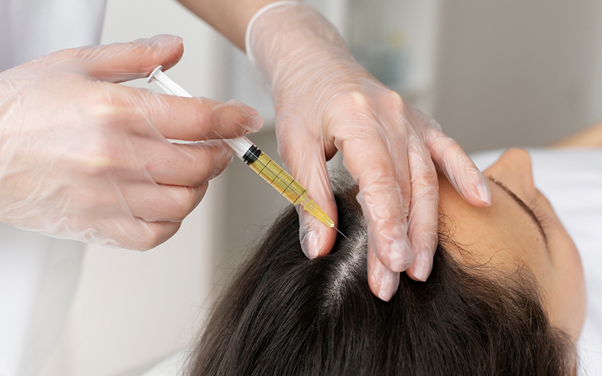
An itchy scalp is usually treated as a minor annoyance, but sometimes it is the body’s way of asking for more attention. While mild irritation can often be resolved with a change in hair care products or routine, persistent discomfort may point to something deeper. In some cases, the irritation can be linked to conditions that contribute to hair loss from an itchy scalp or to scalp dryness that needs medical attention.
When Itching Is More Than Skin Deep
A constant itchy scalp can be triggered by many factors, including dandruff, allergic reactions, or fungal infections. While these can be managed with over-the-counter treatments, an itch that refuses to go away could be a symptom of conditions like psoriasis, seborrhoeic dermatitis, or even autoimmune disorders.
If left unaddressed, ongoing inflammation can damage follicles, which may result in hair loss with an itchy scalp. This damage can weaken the hair structure over time, making regrowth more difficult and sometimes leading to permanent thinning in certain areas. Recognising when itching is persistent, worsening, or affecting daily comfort is key to seeking timely treatment and preventing further problems from developing.
The Role of Dryness in Scalp Problems
A dry scalp is one of the most common causes of itching. This can be caused by cold weather, harsh shampoos, or excessive washing. When the scalp loses moisture, it becomes prone to flaking and irritation. Persistent dryness not only causes discomfort but can also create a poor environment for hair growth.
If dryness continues, scratching may damage the skin barrier, leading to increased sensitivity and potentially contributing to hair loss from an itchy scalp.
Underlying Skin Conditions to Watch For
Chronic itching can sometimes be linked to dermatological conditions such as eczema or lichen planopilaris. These require professional assessment and treatment. A specialist can identify whether the itching is a standalone issue or part of a larger health concern.
Infections like ringworm can also cause severe scalp irritation, often accompanied by hair thinning or bald patches in the affected areas. In addition to the visible discomfort, these infections can spread if not treated promptly, leading to larger patches of irritation and more noticeable thinning. Early diagnosis and targeted treatment from a healthcare professional can help clear the infection, ease the symptoms, and reduce the risk of lasting scalp damage.
Systemic Health Conditions That Affect the Scalp
Scalp itching can sometimes be a symptom of systemic health issues. For example, thyroid disorders can lead to a dry scalp, while iron deficiency can cause both itching and hair thinning. In rare cases, certain neurological conditions can also trigger chronic itching without visible skin changes.
Linking scalp symptoms to wider health conditions often requires a full medical evaluation. This is why persistent itching should not be ignored.
How to Respond to Persistent Itching
If an itchy scalp lasts more than a few weeks despite home care, a medical review is recommended. A professional can run tests, check for skin conditions, and provide treatments that address the root cause rather than just the symptom.
In cases of hair loss with an itchy scalp, prompt intervention can make a difference in preventing further follicle damage. This may involve medicated shampoos, topical treatments, or dietary adjustments to address underlying nutritional gaps.
Prevention and Scalp Care Tips
Maintaining a healthy scalp starts with simple habits. Use gentle shampoos, avoid excessive heat styling, and moisturise when needed. Addressing dryness quickly can help prevent the escalation of irritation.
If your scalp is prone to dryness, incorporating hydrating treatments or adjusting washing frequency can reduce flare-ups. Monitoring changes in your scalp’s condition can also help you catch potential issues before they worsen.
Taking Action
An itchy scalp might seem like a small issue, but when it lingers, it can be a sign of something more serious, such as chronic skin or systemic health conditions that require proper diagnosis and treatment. By recognising patterns in your symptoms, monitoring any changes in scalp texture or hair density, and considering other factors like dryness or flaking, you can make more informed decisions about when to seek professional advice and intervention. Contact Bee Choo Origin to learn how targeted scalp treatments can help manage itching, dryness, and hair loss while supporting overall scalp health.