

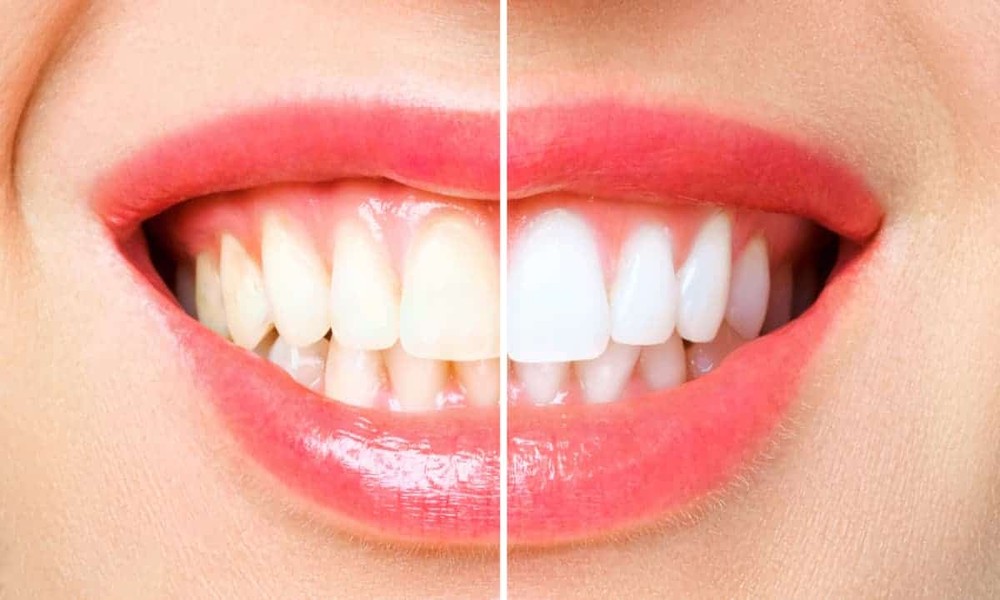
A bright, white smile can boost confidence and make a strong first impression, which is why teeth whitening has become one of the most popular cosmetic dental treatments. With so many options available-from over-the-counter strips and gels to in-office professional treatments-choosing the right approach can be confusing. Understanding how whitening works, the differences between at-home products and professional treatments, and tips for maintaining results can help you make an informed decision about your oral care.
How Whitening Works: The Science Behind Bleach and Enamel
Teeth naturally discolor over time due to factors like coffee, tea, red wine, smoking, and aging. Tooth enamel, the hard outer layer of the teeth, can absorb stains, while the inner dentin may also darken, affecting overall tooth color. Whitening treatments work primarily through chemical agents such as hydrogen peroxide or carbamide peroxide, which break down stains and lighten the teeth.
Professional whitening treatments use higher concentrations of these agents in a controlled environment, allowing deeper penetration and more uniform results. At-home products, on the other hand, typically contain lower concentrations to reduce the risk of gum irritation, which means they take longer to achieve noticeable results. Understanding the science behind how whitening works helps set realistic expectations for any treatment option.
Pros and Cons of At‑Home Products vs. Dentist‑Supervised Whitening
At-Home Whitening Products: Over-the-counter solutions include whitening strips, gels, toothpaste, and rinses. They are widely accessible, generally affordable, and easy to use at your convenience. However, their effectiveness is limited by the lower concentration of whitening agents, and they may only target surface stains. Extended or improper use can sometimes cause tooth sensitivity or uneven results.
Professional Whitening: Dentist-supervised treatments provide a more powerful and precise approach. Custom trays and in-office procedures allow the dentist to apply whitening agents safely and effectively, minimizing irritation to gums and other soft tissues. Professional treatments can also address deeper discoloration and produce more consistent, long-lasting results. For those seeking the best outcome, resources like All Smiles Dental explain how professional whitening options differ from at-home products and what patients can expect during the process.
While professional whitening tends to be more expensive upfront, many patients find the results worth the investment due to the speed, effectiveness, and reduced risk of side effects. In contrast, at-home solutions may be suitable for minor surface stains or touch-ups between professional treatments.
Real Results: What a Professional Treatment Can Achieve
Professional whitening can significantly improve the brightness of your teeth, often lightening them several shades in a single session. In-office procedures can also be tailored to the patient’s specific needs, allowing the dentist to focus on areas that require extra attention. Custom whitening trays take this a step further by ensuring even application and better contact with the teeth, maximizing results.
While at-home products can produce noticeable improvements, they typically require repeated use over weeks or months to achieve a similar level of brightness. Patients seeking dramatic, uniform results usually benefit most from dentist-supervised options, which combine professional-grade products, precise application, and dental oversight.
Tips from Dental Professionals on Maintaining a Bright Smile
Maintaining a white smile after treatment requires attention to daily habits and oral care routines. Some effective tips include:
- Avoiding stain-causing foods and drinks: Limit coffee, tea, red wine, and dark-colored sauces, or rinse your mouth with water after consumption.
- Practicing good oral hygiene: Brushing twice a day with a soft-bristled toothbrush, flossing daily, and using an antibacterial mouthwash help prevent new stains.
- Touch-up treatments: Occasional at-home touch-ups with dentist-approved products can prolong the results of professional whitening.
- Regular dental visits: Routine cleanings remove surface stains and ensure your teeth and gums remain healthy, maintaining the overall appearance of your smile.
By following these strategies, patients can enjoy a long-lasting, bright smile while minimizing the need for frequent whitening procedures.
Conclusion
Teeth whitening is an effective way to enhance your smile, but the choice between at-home products and professional treatments depends on your goals, budget, and sensitivity concerns. At-home solutions are convenient and affordable for minor surface stains, while dentist-supervised whitening offers faster, more uniform, and longer-lasting results. By understanding the science behind whitening, weighing the pros and cons of different options, and following professional maintenance tips, you can achieve and maintain a radiant, confident smile.

Comments are closed.