

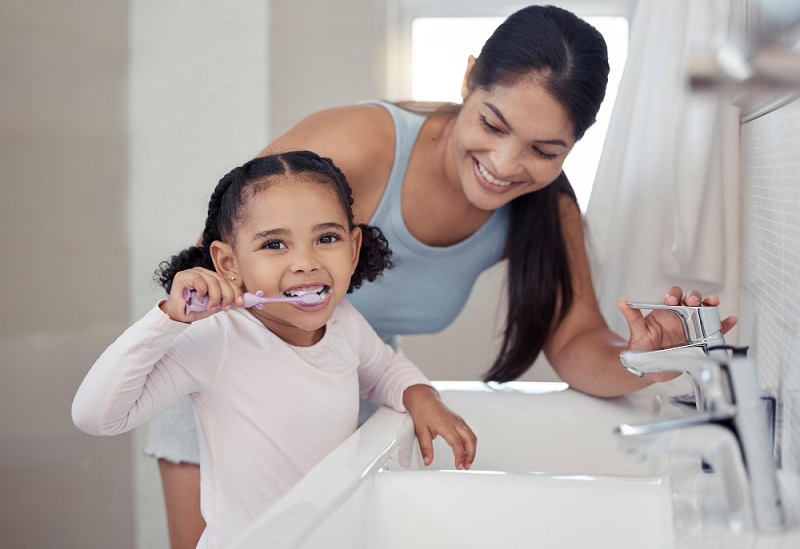
As primary caregivers and role models, parents play a vital role in shaping their child’s oral health habits and attitudes. By instilling good habits, monitoring dietary choices, and encouraging regular dental check-ups, parents can significantly impact their children’s oral health and set them up for a lifetime of healthy smiles. With their influence and guidance, parents can help their kids develop essential skills and routines that will benefit their overall health and well-being, making them crucial partners in improving oral health in kids.
Through this article, the dentist in Fresno explores the significant role parents play in improving oral health in kids, providing practical tips to ensure a healthy, happy smile for years to come.
Understanding the importance of oral health in kids
Oral health is crucial for kids’ overall well-being, impacting their:
- Self-esteem: A healthy smile boosts confidence and self-assurance.
- Nutrition: Proper chewing and digestion ensure adequate nutrient absorption.
- Communication: Clear speech and articulation rely on healthy teeth and gums.
- Academic performance: Pain and discomfort can affect concentration and learning.
- Social interactions: A healthy smile fosters positive social relationships.
- Overall health: Research links oral health to systemic conditions like diabetes and heart disease.
- Development: Proper oral health supports healthy growth and development.
- Quality of life: Good oral health enhances overall comfort, happiness, and well-being.
Parental responsibilities in improving kid’s oral health
Parental responsibilities in improving kids’ oral health include:
- Supervising brushing and flossing: Ensuring proper technique and frequency.
- Encouraging healthy habits: Promoting regular brushing, flossing, and dental check-ups.
- Monitoring diet: Limiting sugary snacks and drinks, and encouraging a balanced diet.
- Scheduling dental visits: Regular check-ups for preventive care and early detection.
- Educating and motivating: Teaching oral health importance, encouraging good habits.
- Leading by example: Demonstrating good oral hygiene habits themselves.
- Making oral care fun: Using child-friendly products, making routines engaging.
- Addressing concerns: Informing dentists of any oral health issues or concerns.
- Providing necessary resources: Ensuring access to fluoride toothpaste, toothbrushes, and dental care.
- Staying involved: Participating in oral health discussions, asking questions, and seeking guidance.
Exploring the negative consequences of poor oral health in kids
Poor oral health in kids can lead to:
- Tooth decay: Pain, infection, and potentially, tooth loss.
- Pain and discomfort: Affecting eating, speaking, and overall well-being.
- Infections and abscesses: Potentially life-threatening if left untreated.
- Malocclusion and orthodontic issues: Misaligned teeth, bite problems, and costly corrections.
- Low self-esteem and confidence: Impacting social interactions, school performance, and emotional development.
- Nutritional deficiencies: Difficulty chewing and digesting food, leading to malnutrition.
- Speech difficulties: Articulation problems, affecting communication and social skills.
- Systemic health issues: Links to diabetes, heart disease, and other systemic conditions.
- Emergency visits and hospitalizations: Unnecessary costs, stress, and potential complications.
- Long-term oral health problems: Increased risk of gum disease, tooth loss, and ongoing oral health issues.
- Impact on academic performance: Pain, discomfort, and distraction affecting school attendance and grades.
- Social and emotional consequences: Teasing, bullying, and emotional distress due to appearance or oral health issues.
Bottom line
Parents play a vital role in shaping their children’s oral health habits and attitudes, laying the foundation for a lifetime of healthy smiles. By taking an active role in their child’s oral care, parents can help prevent oral health issues, promote good habits, and ensure regular dental check-ups. Through education, encouragement, and leading by example, parents can empower their kids to develop essential skills and routines to benefit their overall health and well-being. By prioritizing oral health, parents can give their children the gift of a healthy, confident smile, setting them up for success in all aspects of life.

Comments are closed.