


Category

Health

Category

Preventive health screenings play a vital role in detecting diseases early, managing risk factors, and supporting long-term well-being. In Singapore, individuals can choose between government-supported screening programmes and privately offered health screening packages. Understanding the differences between these options helps people make informed decisions based on their health needs, budget, and preferences.

This article compares Healthier SG medical screening and private health screenings, focusing on coverage, accessibility, cost, personalization, and long-term value.

Overview of Healthier SG Screening

Healthier SG health screening is part of Singapore’s national preventive healthcare initiative. It is designed to encourage residents to undergo regular, age-appropriate health checks under the guidance of a designated general practitioner (GP).

The programme emphasizes preventive care, early detection, and continuity of management. Screenings are guided by national clinical recommendations, ensuring that tests are evidence-based and appropriate for an individual’s age, sex, and health profile.

Rather than offering extensive testing upfront, Healthier SG focuses on targeted screening and ongoing follow-up through primary care.

Overview of Private Health Screenings

Private health screenings are typically offered by hospitals, clinics, and diagnostic centers. These screenings are often packaged into tiers, ranging from basic assessments to comprehensive full-body evaluations.

Private screenings usually include a wide range of tests conducted in a single visit. These may cover blood tests, imaging studies, cardiac assessments, and specialized cancer markers, depending on the package selected.

They are generally designed for convenience, speed, and customization, appealing to individuals who prefer broader testing or faster results.

Scope of Tests and Medical Focus

One key difference lies in the scope of testing. Healthier SG Screening prioritizes clinically proven tests that address common chronic diseases and population health risks. This approach reduces unnecessary testing and minimizes false positives that may lead to anxiety or further invasive procedures.

Private health screenings often provide extensive test panels. While this may feel reassuring, not all tests are clinically necessary for everyone. Some findings may require additional follow-up despite having limited impact on actual health outcomes.

The choice depends on whether a person prefers focused preventive care or broad exploratory testing.

Cost and Subsidy Considerations

Cost is a major factor for many individuals. Healthier SG screening services are subsidized, making preventive care more affordable, especially for seniors and those managing chronic conditions.

Private health screenings are usually paid out of pocket. Prices vary widely depending on the number of tests, level of imaging, and facility. While some employers offer coverage, many comprehensive packages can be costly.

For individuals seeking long-term preventive care on a budget, subsidized options may offer better sustainability.

Continuity of Care and Follow-Up

A significant advantage of Healthier SG Screening is continuity of care. Screenings are conducted within an ongoing GP-patient relationship. Results are discussed in context, and follow-up plans are integrated into long-term health management.

This continuity supports lifestyle counseling, chronic disease monitoring, and regular reassessment over time.

Private health screenings may provide quick results, but follow-up care often requires separate consultations. Patients may need to coordinate with another doctor to interpret findings or manage abnormal results, which can fragment care.

Personalization and Flexibility

Healthier SG Screening personalizes care through primary care engagement. Screenings are adjusted based on age, medical history, and risk factors, with changes made over time as health needs evolve.

Private screenings offer flexibility in test selection and scheduling. Individuals can choose packages based on personal concerns, family history, or employer requirements. This flexibility is useful for those who want a one-time comprehensive assessment or have specific diagnostic priorities.

Both approaches offer personalization, but in different ways.

Convenience and Time Efficiency

Private health screenings often appeal to busy individuals. Most tests are completed in one visit, and results are delivered quickly, sometimes within days.

Healthier SG screenings may be spread across multiple visits, especially when follow-up discussions or additional assessments are needed. While this may take more time, it allows for thoughtful interpretation and shared decision-making.

Convenience versus continuity is a key trade-off to consider.

Who Benefits Most From Each Option

Healthier SG Screening is ideal for individuals seeking structured, long-term preventive care, especially those managing chronic conditions or aiming to maintain health through regular GP follow-up.

Private health screenings may suit individuals who want rapid, comprehensive testing, are preparing for employment requirements, or prefer extensive evaluations at a single point in time.

Some individuals may even combine both approaches, using private screenings occasionally while relying on public preventive care for ongoing management.

Conclusion

Both Healthier SG Screening and private health screenings play important roles in preventive healthcare. The former emphasizes affordability, evidence-based testing, and continuity of care, while the latter offers speed, flexibility, and broader test coverage.

Choosing the right option depends on personal health goals, budget, and preference for long-term medical relationships versus one-time comprehensive assessments. By understanding the strengths and limitations of each, individuals can make informed decisions that support early detection, effective prevention, and sustained well-being.
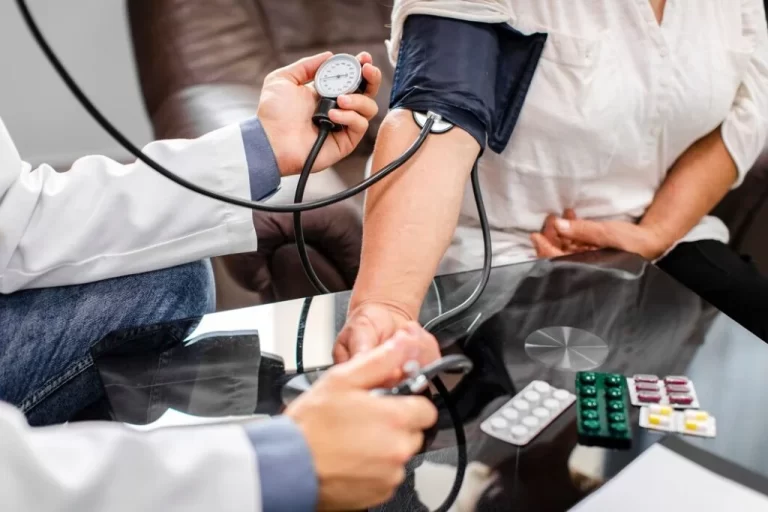

Blood pressure clinic care explained simply. Learn what to expect, who needs it, and how clinics help you stay healthy long term.

A blood pressure clinic helps diagnose, monitor, and manage high or low blood pressure using expert care, testing, and lifestyle guidance. These clinics offer regular checks, personalized plans, and ongoing support to reduce heart risks and improve long-term health.

Ever wonder why your blood pressure readings change every time you check them? Or why one high number suddenly feels scary? You’re not alone. Blood pressure worries sneak up on people of all ages, often without clear symptoms.

A blood pressure clinic exists to solve that exact problem. It offers focused care, accurate readings, and step-by-step plans to control your numbers. Instead of guessing, you get clarity. Instead of stress, you get a plan.

Many people prefer visiting a blood pressure doctor for consistent monitoring rather than relying on random pharmacy checks.

A trusted blood pressure clinic also keeps detailed records to spot patterns early and prevent serious complications.

Blood Pressure Clinic Explained In Simple Terms 🩺

A blood pressure clinic is a medical center focused only on blood pressure care. It monitors, diagnoses, and treats both high and low readings. These clinics use precise tools and trained staff. The goal is long-term control, not quick fixes.

Patients receive more than a single reading. Doctors track trends over time. This helps identify hidden risks early. Treatment plans are adjusted as your body changes.

Many clinics also teach self-monitoring skills. You learn what numbers matter most. That knowledge alone reduces anxiety for many patients.

Why Blood Pressure Monitoring Matters ❤️

Blood pressure affects every organ in your body. When it stays high, damage happens quietly. Your heart, kidneys, brain, and eyes all feel the strain. That’s why regular checks matter.

Ignoring high readings can lead to sudden emergencies. Strokes and heart attacks often start silently. Clinics aim to catch issues before symptoms appear. Early action saves lives.

Consistent monitoring also prevents overtreatment. Not every spike needs medication. Clinics help separate temporary stress from real risk.

Who Should Visit A Blood Pressure Clinic 👥

Anyone with repeated high readings should consider a visit. This includes adults, teens, and seniors. Family history increases risk. So does stress, weight gain, and poor sleep.

Pregnant women often need special monitoring. Athletes may also experience unusual fluctuations. Clinics tailor care to each situation. No one-size-fits-all approach exists here.

Even healthy adults benefit from baseline checks. Knowing your normal range builds confidence. Prevention always beats treatment.

Signs You Should Not Ignore 🚨

Some warning signs feel harmless at first. Headaches, dizziness, or fatigue often get ignored. Over time, these symptoms can worsen. Clinics help connect symptoms to real data.

Blurred vision and chest discomfort need attention fast. Shortness of breath is another red flag. These signs deserve professional evaluation. Waiting can be dangerous.

A clinic visit provides answers, not guesses. Clear testing removes uncertainty. That peace of mind matters.

What Happens During Your First Visit 🏥

Your first visit starts with detailed questions. Doctors ask about lifestyle, diet, and stress. They review past readings carefully. This creates a full picture.

Next comes accurate measurement. Clinics use calibrated machines. Multiple readings are taken. This avoids false results.

You also receive education. Doctors explain what your numbers mean. Understanding reduces fear and improves compliance.

Tests Commonly Done At Clinics 🔬

Blood pressure clinics run several routine tests. These go beyond arm cuffs. They help uncover root causes. Each test serves a purpose.

Common Test

What It Shows

Why It Matters

Ambulatory Monitoring

24-hour trends

Detects hidden hypertension

Blood Tests

Hormone levels

Finds underlying causes

ECG

Heart rhythm

Checks heart strain

These tests guide precise treatment. Guesswork is avoided. Decisions are data-driven.

Understanding Blood Pressure Numbers 📊

Blood pressure has two numbers. The top is systolic. The bottom is diastolic. Both matter equally.

Normal readings fall below 120/80. Elevated numbers require observation. Persistent highs need treatment. Clinics track these changes over time.

Doctors explain ranges in simple terms. No medical jargon overload. Clear understanding leads to better habits.

Personalized Treatment Plans 🧩

No two patients receive the same plan. Clinics customize care. Age, weight, and health history matter. Lifestyle plays a huge role.

Some plans focus on diet changes. Others include exercise routines. Medication is added only when needed. Balance is key.

Doctors adjust plans as progress happens. This flexibility improves success. Patients feel supported, not judged.

Role Of Lifestyle Changes 🌱

Lifestyle choices directly affect blood pressure. Clinics emphasize small, realistic changes. Big overhauls often fail. Steady steps work better.

Common recommendations include:

  • Reducing salt intake
  • Improving sleep routines
  • Managing daily stress
  • Staying physically active

Clinics provide guidance, not lectures. Support makes habits stick. Progress feels achievable.

Medications And When They’re Needed 💊

Medication isn’t always the first step. Clinics try lifestyle changes first. When needed, drugs are carefully selected. Side effects are monitored closely.

Doctors may start with low doses. Adjustments happen gradually. This reduces discomfort. Safety always comes first.

Regular follow-ups ensure effectiveness. Medication plans evolve over time. Nothing stays static.

How Clinics Track Long-Term Progress 📈

Tracking trends matters more than single readings. Clinics maintain detailed records. This reveals patterns others miss. Long-term data saves lives.

Tracking Method

Benefit

Outcome

Monthly Visits

Consistency

Stable control

Home Logs

Daily insight

Better accuracy

Digital Records

Easy review

Faster decisions

Patients stay involved in tracking. Engagement boosts success rates. Progress feels visible.

Blood Pressure Clinics Vs General Checkups ⚖️

General checkups are broad. Clinics are focused. That difference matters for chronic conditions. Blood pressure needs specialized attention.

Clinics offer longer consultations. More data is reviewed. Decisions are deeper and more precise. That focus improves outcomes.

General visits still matter. Clinics simply add extra care. Together, they form a strong health plan.

Managing Stress Through Clinic Support 🧠

Stress raises blood pressure fast. Clinics recognize this link. Mental health support is often included. Relaxation strategies are taught.

Breathing exercises help immediately. Mindfulness improves long-term control. Sleep counseling reduces nightly spikes. These tools empower patients.

Support feels human, not clinical. Patients feel heard. That emotional care matters.

How Often Should You Visit A Clinic ⏰

Visit frequency depends on your condition. New patients often come monthly. Stable patients may visit quarterly. Flexibility exists.

Doctors adjust schedules as needed. Improvement means fewer visits. Fluctuations require closer watch.

Consistency beats frequency. Regular follow-ups build trust. That trust improves results.

Benefits Of Choosing A Specialized Clinic ⭐

Specialized clinics focus deeply on one issue. That expertise shows. Accuracy improves. Confidence grows.

Patients receive:

  • Consistent monitoring
  • Personalized care
  • Education and support
  • Early risk detection

These benefits reduce emergencies. Long-term health improves. Peace of mind follows.

Conclusion: Taking Control Starts Here ✅

A blood pressure clinic offers clarity, control, and confidence. It replaces fear with facts. Through monitoring, guidance, and support, patients gain real control. Managing blood pressure becomes manageable, not overwhelming.

FAQs

What does a blood pressure clinic do daily?
A clinic monitors blood pressure and tracks trends. Doctors adjust care plans as needed. The focus is long-term stability.

Is a blood pressure clinic only for seniors?
No, adults of all ages visit clinics. Young patients benefit from early prevention. Age is not a limit.

How long does a blood pressure clinic visit take?
Most visits last 30 to 45 minutes. Time allows detailed discussion. Rushed care is avoided.

Can lifestyle changes replace medication fully?
Sometimes, yes. Clinics try lifestyle changes first. Medication is added only if needed.

How soon can results improve after visiting a clinic?
Some patients see improvement within weeks. Others take months. Consistency determines success.

“I train consistently… but how do I actually measure my fitness level?”

That question separates casual activity from intentional development.

Many people move regularly. They lift, run, stretch, sweat. Yet when asked to quantify their physical capacity, they hesitate.

Why?

Because participation is not proof.

Without structured evaluation, improvement remains an assumption.

If your goal is to measure my fitness level with precision, you need a framework that transforms performance into evidence — not guesswork.

Activity Feels Productive. Evidence Confirms It.

Training sessions create fatigue.

Fatigue can feel like progress.

But progress is not determined by exhaustion — it is determined by measurable adaptation.

To accurately evaluate capacity, you must examine:

  • Force production
  • Sustained output
  • Recovery efficiency
  • Movement control
  • Functional integration

When these dimensions are assessed together under controlled conditions, you gain insight that isolated workouts cannot provide.

The Limitation of Isolated Indicators

Many people rely on scattered markers:

  • Body composition percentages
  • Timed runs
  • Repetition counts
  • Scale weight

Each offers partial information.

None provide a unified conclusion.

You might increase repetition volume but experience reduced stamina.
You might improve speed yet lose overall durability.

Fragmented indicators rarely tell a cohesive story.

That’s why integration matters.

What a Structured Evaluation Requires

To measure my fitness level accurately, four elements must exist:

  1. Defined movement standards
  2. Controlled execution sequence
  3. Objective scoring logic
  4. Consistent retesting conditions

Without these, two results cannot be compared meaningfully.

Consistency is what turns numbers into insights.

The Role of Integration in Modern Fitness

A comprehensive evaluation should capture multiple performance domains and convert them into a clear outcome.

The Universal Fitness Test™ was designed around that philosophy.

Instead of emphasizing appearance or specialization, it focuses on balanced, real-world capability.

Through a fixed structure and standardized scoring model, results are translated into one consolidated metric:

The FYT Score.

That score functions as a baseline indicator of total functional capacity — not just isolated ability.

Why One Unified Metric Matters

Multiple data points often overwhelm individuals.

When five categories must be interpreted separately, clarity declines.

A consolidated outcome simplifies interpretation:

Is the score rising?
Is it stable?
Has it declined?

This directional clarity removes emotional bias and replaces it with objective feedback.

Over time, patterns emerge.

Patterns guide decisions.

Better decisions produce measurable gains.

Accessible Evaluation Without Complexity

Advanced equipment is not a requirement for meaningful evaluation.

In fact, complex setups often introduce variability and limit access.

A structured, equipment-free protocol ensures:

  • Environmental flexibility
  • Reproducible conditions
  • Broad accessibility
  • Reliable comparison

This makes it possible to conduct evaluation in various settings while preserving integrity.

Measuring Progress Across Time

A single data point offers limited value.

Repeated assessment under identical criteria creates trajectory.

Trajectory reveals:

  • Development speed
  • Plateaus
  • Weak points
  • Adaptation efficiency

To measure my fitness level responsibly, retesting should occur at consistent intervals and under similar recovery conditions.

When structure remains fixed, improvement becomes visible.

The Advantage of Digital Guidance

Technology now allows evaluation systems to operate with greater precision.

Through the FYT App, individuals can complete the Universal Fitness Test™, receive structured scoring, and monitor historical performance.

Instead of manually organizing scattered results, users access a streamlined interface that converts effort into measurable insight.

For those interested in understanding how the framework operates, www.getfyt.ai outlines the philosophy behind the Universal Fitness Test™ and offers early access opportunities.

Clarity begins with transparency.

From Emotion to Objectivity

Many people judge their conditioning based on perception:

“I feel stronger.”
“I look leaner.”
“I’m training harder.”

Perception fluctuates.

Objective evaluation stabilizes perspective.

When performance is translated into a standardized score, improvement becomes undeniable — or weaknesses become apparent.

Both outcomes are valuable.

Because awareness drives smarter action.

Strategic Retesting Guidelines

Evaluation frequency should match training stage:

  • Early-phase trainees: approximately monthly
  • Intermediate participants: every six to eight weeks
  • Advanced individuals: every two to three months

Spacing allows physiological adaptation to occur before reassessment.

Consistency of environment, timing, and preparation enhances comparability.

The Shift Toward Performance-Centered Thinking

Modern fitness culture is gradually moving away from purely aesthetic benchmarks.

Capability, resilience, and functional output are becoming primary indicators of long-term health.

To measure my fitness level effectively means prioritizing performance-based evidence over visual assumptions.

Performance scales.
Appearance fluctuates.

Evidence sustains motivation.

Where to Begin

If you are ready to replace uncertainty with structure:

  • Explore the Universal Fitness Test™ at www.getfyt.ai
  • Join early access to experience the standardized framework
  • Use the FYT App to complete the assessment and monitor your FYT Score over time

Instead of collecting disconnected statistics, focus on one integrated outcome that reflects total functional ability.

Closing Perspective

To measure my fitness level accurately requires more than commitment.

It requires calibration.

A meaningful evaluation model must:

  • Capture multiple performance domains
  • Maintain consistent criteria
  • Convert results into a unified score
  • Enable longitudinal tracking
  • Provide objective feedback

The Universal Fitness Test™ was created with these principles at its core.

One integrated protocol.
One consolidated score.
One measurable path forward.

Train with purpose.
Evaluate with precision.
Get FYT.

The local fitness scene is changing fast. People now want more from their daily workouts. Longmont residents seek holistic health and community support. Now local centers are adding new wellness services. This shift reflects a broader national trend. Many residents choose specific goals for their health. You find diverse options across the entire city. The gyms in longmont provide many unique classes and tools. This evolution helps everyone stay active and healthy.

Modern Technology Integration

Technology plays a huge role in local fitness centers. Digital tracking helps members monitor their personal progress. But coaches also use data to improve results. Many people enjoy using advanced wearable fitness devices. These tools create a very personalized workout experience. So the local clubs invest in smart equipment. New machines sync directly with your mobile phone. Sometimes people track their heart rate during classes. This tech focus makes every single session effective. Modern features keep the community engaged and motivated.

Holistic Health Approaches

Wellness now includes mental health and physical recovery. Local facilities offer yoga and deep meditation sessions. The focus shifts from just lifting heavy weights. Now members prioritize flexibility and also stress relief. You see more space for stretching and relaxation. Recovery zones feature massage chairs and infrared saunas. These additions help the body heal after workouts. But the primary goal is total body balance. Many people appreciate these quiet and calm spaces. Wellness is about feeling good in every way.

Diverse Class Offerings

Group classes bring many people together for fun. You can find high energy dance and HIIT. Instructors lead every session with great passion and skill. Sometimes the music keeps the energy very high. These classes cater to all different skill levels. But the social aspect is the biggest draw. You meet new friends while burning many calories. Large facilities like VASA Fitness offer many varied options. This variety prevents boredom for the dedicated members. Everyone finds a routine that fits their schedule.

Community and Social Support

Local fitness hubs act like small social clubs. Members encourage each other during difficult training sessions. The atmosphere is very welcoming for all newcomers. So people feel comfortable while trying new exercises. Now the centers host many fun social events. You might attend a nutrition workshop or seminar. These gatherings build strong bonds between the members. But the support extends beyond the gym walls. People share tips for healthy living and eating. A strong community makes fitness a lifelong journey.

Key Takeaways

  • Successful skin care must account for your actual sun exposure and work schedule to ensure safety and effectiveness.
  • Light-based therapies are the most efficient way to break down stubborn melanin that topical creams cannot reach.
  • Professional imaging identifies hidden sun damage, enabling proactive care before spots become visible on the skin’s surface.

Introduction

The high humidity and tropical climate in Singapore can result in being constantly exposed to rays that are bad for your skin. Whether you are catching the morning sun on your commute or sitting for hours in a parched, air-conditioned office, your complexion reflects these daily stressors. For many, the first sign of trouble is not a wrinkle but a sudden patch of uneven colour or a stubborn spot that refuses to fade. Finding a reliable skin treatment in Singapore feels overwhelming due to the sheer number of options available in every shopping mall. You need a solution that fits into your actual schedule, which means choosing the right path involves understanding how your lifestyle choices impact your skin’s ability to heal and remain clear.

1. Matching Your Routine to Your Daily Schedule

The most effective skin treatment in Singapore is one that you can actually maintain without disrupting your life. Busy professionals often prioritise speed and efficiency, looking for procedures that they can complete during a lunch hour. If you spend significant time outdoors, you need a plan that accounts for increased sun sensitivity after visiting the clinic. It is vital to discuss your typical day with your practitioner, as someone who cycles to work will require a different approach than someone who works a night shift. A plan that ignores your environmental reality is likely to fail in producing lasting results. When your skincare aligns with your habits, you see a much more consistent improvement in your skin’s texture and overall resilience.

2. Tackling Sun Spots with Laser Treatment for Pigmentation

Many residents find that no matter how much sunscreen they apply, dark patches eventually appear on the cheeks or forehead. Opting for laser treatment for pigmentation helps to address these deep-seated concerns by targeting the excess melanin directly. The light energy breaks down the pigment into tiny particles that your body then clears away naturally over the following weeks, which is particularly popular among those who have tried every brightening cream on the market without success. A well-executed laser treatment for pigmentation refreshes the overall tone of your face, making you look more rested. Most patients appreciate that they can return to their normal activities quickly, provided they stay vigilant about sun protection in the days after.

3. The Importance of Professional Assessment

Walking into a clinic and asking for a specific service leads to mixed results because every individual reacts differently to light and heat. A high-quality skin treatment in Singapore always begins with a detailed look at the deeper layers of your dermis. Professional imaging can reveal sun damage that has not yet reached the surface, allowing you to act before the spots become visible, which is what separates a standard facial from a medical-grade plan. If you are considering laser treatment for pigmentation, your doctor will first determine the exact type of pigment you have, as melasma requires a very different setting than simple sun freckles. Getting the diagnosis right is the most important step in ensuring your skin remains safe and healthy throughout the process.

4. Managing Expectations for Gradual Improvement

Nowadays, we want immediate results, but real change in the skin takes time. Whether you are undergoing a general skin treatment in Singapore or a specific laser treatment for pigmentation, the best results usually appear after a series of sessions. Your skin needs time to regenerate and flush out the broken-down pigment between appointments. Pushing for too much change in a single session can lead to irritation or even post-inflammatory marks, which defeats the purpose of the visit. A gradual, steady approach ensures that your skin barrier remains intact and your complexion stays luminous. Patience is your greatest ally when it comes to transforming a mottled skin tone into a smooth, even surface that reflects light beautifully.

5. Staying Consistent for Long-Term Maintenance

Once you achieve your desired look, the work does not stop there, as the sun is always waiting just outside the door. Maintaining the benefits of a skin treatment in Singapore requires a commitment to a solid home-care routine and occasional maintenance visits. If you have successfully cleared dark patches with laser treatment for pigmentation, you must be even more diligent about UV blockers to prevent the spots from returning. Think of these professional sessions as a deep clean for your skin, while your daily routine provides the protection and nourishment it needs to stay at its peak. Consistency is the secret behind those who seem to age backwards, as they address small issues before they become permanent fixtures on their face.

Conclusion

Reclaiming a clear and bright complexion in a tropical climate is a journey that requires the right tools and a bit of discipline. When you move beyond the surface-level fixes and address the root causes of uneven tone, you gain a sense of confidence that no amount of makeup can provide. The goal is to have skin that looks as vibrant as the city around you, reflecting a lifestyle of health and self-care. By choosing a path that respects your skin’s natural healing cycle and your personal commitments, you ensure that your investment in yourself pays off in the long run. Professional care is about revealing your most radiant self to the world every day.

Contact Veritas Medical Aesthetics and find out the most suitable skin treatment for you.

Years of bloating, persistent headaches, skin flaring up for no obvious reason, joint pain that comes and goes. You’ve had blood tests. Everything comes back normal. Your GP shrugs. You keep living with it.

This is where reliable food sensitivity tests become genuinely worth considering. Not because they’re a magic fix, but because they give you actual data about your body’s immune response to specific foods rather than more guesswork.

IgG Testing Explained Simply

ImuPro tests for IgG antibodies. These are delayed immune responses, meaning symptoms can show up hours or even days after eating the trigger food. This delay is exactly why so many people never connect their symptoms to specific foods on their own.

IgE testing covers immediate allergic reactions, the kind that happen fast and are obvious. IgG reactions are slower, subtler, and much harder to identify without testing.

What Makes a Test Actually Reliable

The word “reliable” gets thrown around a lot in health and wellness marketing. Here’s what it actually means in practice.

ImuPro uses ELISA-based blood serum testing, which is a clinically established immunoassay method. Blood serum is the gold standard sample for measuring IgG antibodies because it’s free of cellular components that can interfere with results. Other testing methods, including whole blood and cytotoxic testing, are more prone to variation.

Critically, ImuPro tests for IgG1, IgG2, and IgG3 subclasses, the pro-inflammatory antibodies, rather than IgG4. This distinction matters because a lot of the criticism of IgG food testing is specifically about IgG4 testing, which behaves differently. ImuPro’s methodology sidesteps that controversy.

The laboratory processing is done in Germany to certified standards, with strict quality controls and reproducible results.

How Many Foods Are Actually Tested

Depending on which test you choose, ImuPro screens between 44 and 270 individual foods and additives.

The Complete 270 covers meat, grains, fruit, vegetables, dairy, eggs, seafood, legumes, seeds, nuts, spices, herbs, sweeteners, preservatives, thickening agents, tea, coffee, wine, yeast, and Candida albicans. It’s the only food sensitivity test that covers herbs, spices, and common food additives this comprehensively.

For vegetarians, there’s a 221-food panel that drops meat and fish. For those wanting a starting point, the Screen+ covers 44 common trigger foods.

What Happens After the Test

Results aren’t just a list of numbers. You receive a report showing your IgG antibody response to every tested food, categorised into not elevated, elevated, and highly elevated. With most tests, you also get personalised nutritional guidelines walking you through an elimination phase, a provocation phase to confirm which foods are actual triggers, and a stabilisation phase.

The Complete and Vegetarian tests also include a recipe booklet tailored specifically to your non-reactive foods, which makes the dietary changes genuinely practical rather than leaving you to figure out substitutes on your own.

No GP Referral Needed

ImuPro provides all the pathology paperwork. You order the test, receive a kit with a pathology request form, get your blood drawn at a pathology centre near you, and send the serum sample back for testing. Your GP isn’t required to be involved, though many practitioners do refer patients through ImuPro.

Who Benefits Most

People with chronic unexplained symptoms who’ve had standard tests come back normal. Those who’ve suspected certain foods are causing problems but can never pinpoint which ones. Anyone who’s spent years doing food elimination by feel, which takes ages and is often inconclusive.

The ImuPro approach removes the guesswork and replaces it with specific, reproducible data about your individual immune response.

ImuPro has been providing testing to Australians and New Zealanders since 2005. Call 1300 481 151 to find out which test suits your situation.

Erectile difficulties can feel frustrating, but they are more common than many people realize. The good news is that there are reliable treatments for erectile dysfunction that address both physical and psychological causes. From medication to lifestyle adjustments and advanced medical procedures, today’s options are more personalized than ever. Seeking professional guidance is the first step toward restoring confidence and improving overall well-being.

Common Medical Options

The most widely prescribed approach includes oral medications that improve blood flow. These are often effective for many men and are typically taken before sexual activity. In cases where pills are not suitable, other solutions may include:

  • Injectable medications
  • Vacuum erection devices
  • Hormone therapy if low testosterone is involved
  • Penile implants for severe or long-term cases

Each method works differently, so a healthcare provider will recommend the most appropriate solution based on medical history and underlying causes.

Lifestyle Changes That Make a Difference

In some situations, improving general health can significantly reduce symptoms. Regular exercise, balanced nutrition, and better sleep can support circulation and hormone balance. Reducing alcohol intake and quitting smoking also contribute to improved performance. These adjustments may be recommended alongside clinical treatments for erectile dysfunction to enhance overall results.

Psychological Support and Counselling

Emotional stress, anxiety, or relationship concerns can contribute to performance issues. Therapy or counselling can help address these factors. When mental health plays a role, combining medical care with psychological support often leads to better outcomes. Open communication with a partner can also reduce pressure and rebuild intimacy.

What to Expect from ED Treatment?

Understanding what to expect from ED treatment helps reduce uncertainty. The first step usually involves a detailed consultation and possibly blood tests to identify contributing factors. Treatment plans are tailored to individual needs rather than following a one-size-fits-all model.

Results vary depending on the chosen method and underlying cause. Some men experience improvement quickly with medication, while others may require gradual adjustments. Follow-up appointments ensure progress is monitored and treatment remains effective. Minor side effects may occur with certain medications, but these are typically manageable under medical supervision.

Conclusion

Erectile dysfunction is treatable, and effective solutions are widely available. By exploring suitable options and understanding what to expect from thid treatment, individuals can approach the process with clarity and confidence. With proper guidance and a personalized plan, most men can regain function, improve intimacy, and enhance overall quality of life.

Sleep should feel calm and steady. But many people wake without clear reason. Confusion often follows these sudden moments. Night silence can feel heavy and strange. Now the mind starts asking why do i wake up in the middle of the night after sleeping peacefully. The body often sends signals before larger problems appear. Sometimes these signals need careful attention and gentle change. The team at Restorative Health Solutions often reminds patients that night waking rarely happens without cause. Awareness becomes the first step toward deeper rest.

Stress and Emotional Load

The brain stays active during stressful phases. Tension may surface when darkness surrounds the room. Thoughts can return without warning. Emotional strain does not switch off instantly when the lights go out. Cortisol levels may remain elevated and disturb natural sleep cycles. Now breathing grows shallow and muscles stay tight. Restorative Health Solutions explains that unresolved stress often interrupts the deepest sleep stages. So calming routines before bedtime can guide the body toward steadiness.

Hormonal Shifts

Hormones guide many internal rhythms. But imbalance can disturb the sleep cycle quickly. Melatonin controls the urge to sleep. Sometimes production declines due to artificial light exposure. The body then struggles to maintain deep rest. Now aging also influences hormonal stability across many systems. Temperature regulation may shift and trigger brief awakenings. Restorative Health Solutions observes that consistent sleep schedules help reinforce natural hormonal timing. So small daily habits often create lasting improvement.

Sleep Environment Signals

The bedroom environment speaks to the brain constantly. But subtle discomfort may go unnoticed at first. A room that feels too warm can interrupt sleep. Sometimes faint noise pulls the mind toward alertness. The body prefers predictable sensory conditions for restoration. Now even mattress quality plays a meaningful role in spinal comfort. Poor support can create micro awakenings throughout the night. Soft breathable bedding often improves overnight stability.

Hidden Health Conditions

Night waking occasionally reflects deeper physical concerns. But these causes often remain overlooked for long periods. Sleep apnea interrupts breathing repeatedly during rest. Sometimes reflux creates burning discomfort that forces awareness. Chronic pain may also surface when movement decreases. Now the brain shifts toward lighter sleep to protect the body. Medical guidance becomes valuable when awakenings persist without explanation.

Conclusion

Night awakenings rarely happen without purpose. But the message may be subtle at first. The body communicates through rhythm and sensation. Sometimes small adjustments restore peaceful sleep quickly. Now mindful routines can strengthen the connection between brain and body. Gentle lighting helps signal approaching rest. Balanced meals support metabolic stability through the night. Emotional care reduces hidden tension before bedtime arrives. Patience and observation remain powerful tools. When patterns continue seeking professional insight brings clarity.

Many fitness enthusiasts love the intense prickling sensation from supplements. People often call this feeling the tingle test. They believe the itch proves the formula is working well. But this sensation does not measure the actual power of the product. The buzz comes from a specific ingredient. It does not mean the workout will be better. Most users equate the sting with high energy levels.

The Science Behind the Itch

The itchy feeling has a scientific name called paraesthesia. It happens when you take a pre workout with beta alanine before training. This amino acid helps buffer acid in your muscles. But the substance also triggers nerves under the skin. These nerves send a buzzing signal to the brain. Now you feel a sharp prickle on your face or hands. It feels like small needles touching the skin. Sometimes people find this feeling very distracting. 1st Phorm provides education on how ingredients affect the body. The sting is harmless but it is not an energy boost. It just means the dose is hitting the bloodstream quickly.

Performance Over Sensation

A great supplement should improve your physical output. Many cheap brands use the tingle to trick the mind. They want you to think the product is strong. But a high dose of one ingredient is not enough. You need a balanced formula for real performance. 1st Phorm focuses on quality blends for serious athletes. The tingle does not lift the weights for you. It does not increase your aerobic capacity either. Focus on how you feel during the last set. True power comes from focus and muscle endurance. Do not let a skin sensation define your success.

The Dosage Distraction

The tingle often leads to poor dosing choices. Users might take too much to feel the buzz. This can lead to stomach upset or jitters. Some people even avoid good products because they do not itch. This is a mistake in fitness logic. The body can adapt to the sensation over time. Now the itch might fade after a few weeks. That does not mean the supplement stopped working. The internal benefits continue even without the surface tingle. You must trust the labels and the research. Consistency matters more than a temporary skin flush.

Conclusion

The tingle is a common experience in the fitness community. But it is not a requirement for a great session. You now know the truth about the itching sensation. Beta alanine serves a purpose for muscle endurance. The side effect is simply a part of the process. It does not indicate the total strength of the mix. Stop using the buzz as your primary guide. Look for well-rounded products that support your health. Quality ingredients will always beat a simple skin prickle. Choose your supplements based on science and real performance.

Aging brings many changes in daily life. Small tasks like bathing, cooking, walking, or taking medicines can become difficult over time. Many seniors want to stay in their own homes because it feels safe and familiar. Families also prefer this because it keeps loved ones close and comfortable. But caring for an elderly person at home can be challenging without proper support. This is why structured home care programs are becoming more important today. One strong option is the aged care support at home program.

What does this program mean?

This program is designed to help seniors live safely at home while receiving the right support. Instead of moving into a facility, seniors can get care services at home based on their needs. The program usually includes trained caregivers, health support workers, and sometimes nurses, depending on the condition of the elderly person.

The main goal is to support independence while also improving safety. Seniors get help with daily tasks, health monitoring, and emotional well-being, without losing the comfort of their own home life.

Who needs this support?

This program can help many types of seniors. It is suitable for older adults who:

  • Have limited mobility or weakness
  • Struggle with daily hygiene tasks
  • Need reminders or assistance with medicines
  • Face loneliness or emotional stress
  • Have chronic illnesses like diabetes or high blood pressure
  • Need support after hospital discharge or surgery recovery

The program is also helpful for families who cannot provide full-time care because of work, children, or personal health issues.

Services included in the program

The program can provide different levels of care based on the senior’s needs. It is usually flexible and can be updated over time.

1) Personal care support

This is one of the most common needs. It includes help with:

  • Bathing and grooming
  • Dressing and toileting
  • Support while walking
  • Safe movement around the house
  • Fall-prevention assistance

2) Daily living assistance

Many seniors struggle with home tasks. Support may include:

  • Meal preparation and feeding support
  • Grocery planning and shopping help
  • Laundry and light housekeeping
  • Home organisation to reduce safety risks
  • Help managing routine tasks

In the middle of this support structure, the aged care support at home program plays a key role in ensuring seniors do not feel helpless, and their daily routine remains smooth and safe.

3) Health monitoring and basic nursing help

Some seniors require health checks and medical routine support. Depending on service level, support may include:

  • Vital checks like blood pressure and sugar monitoring
  • Medication reminders and tracking
  • Wound care support (if required)
  • Monitoring for warning signs
  • Reporting changes to family or doctors

This reduces emergency situations and supports early medical action.

4) Emotional and companionship support

Loneliness is a major health concern for seniors. Emotional support matters as much as physical help. Care workers provide companionship, friendly conversation, and routine engagement. This improves mood and reduces anxiety. Seniors who feel emotionally supported often show better eating habits, better sleep, and more confidence.

How is the care plan created?

The program usually starts with an assessment. A professional team evaluates the senior’s condition, daily challenges, and home setup. They check:

  • Mobility level and safety risks
  • Health needs and medicine routine
  • Required care hours per day or week
  • Family support availability
  • Special needs like dementia care or post-surgery support

Based on this, a care plan is prepared. The plan can increase or reduce support as needed. This makes the program practical and personalised.

Key benefits of this program

This program offers strong advantages for both seniors and families:

  • Comfort and dignity: Seniors stay in a place they know well.
  • Better safety: Regular support reduces falls and accidents.
  • Fewer hospital visits: Monitoring helps detect problems early.
  • Family relief: Families get proper support without burnout.
  • Improved independence: Seniors receive help without losing control.

Conclusion

At-home elderly care is not only a comfort choice, but also a smart health decision. Seniors need support that protects their safety, health, and emotional well-being. The aged care support at home program offers structured care that helps seniors live with confidence in their own home. With personal care, daily assistance, and health monitoring, it improves quality of life while supporting families who want the best for their loved ones.