

Author

Sheri gill

Browsing

Weight loss surgery, such as bariatric surgery, is an effective tool for those looking to lose a significant amount of weight. But to ensure long-term success and avoid any potential complications, it’s important to stick to your prescribed diet plan. In this article, we’ll discuss why it’s so important to follow your diet plan after bariatric surgery.

What is a Bariatric Diet Plan?

A bariatric diet plan is a specialized meal plan that is specifically tailored to an individual needs after weight loss surgery. It typically includes nutrient-dense, high-protein foods, and smaller portion sizes. The goal of a bariatric diet plan is to help your body heal from the surgery and ensure optimal health.

For someone considering bariatric surgery, it’s important to understand the principles of the diet plan before undergoing the procedure. Consulting with an experienced doctor for bariatric surgery in Tijuana can help you develop an understanding of the diet plan and how to best execute it. This will also ensure that you are well-prepared for the lifestyle changes post-surgery.

Importance of Following Your Diet Plan

The most important reason for following your prescribed post-weight loss surgery diet plan is to ensure optimal health. The foods you eat should be nutrient-dense and low in calories. This will help you recover quickly after surgery and feel your best. Additionally, sticking to the diet plan can help prevent potential complications, such as malnutrition and nutrient deficiencies.

Your diet plan will also include specific fluid recommendations to ensure that you’re adequately hydrated after surgery. Not drinking enough water can lead to dehydration and constipation, which are both common post-surgery complications. It’s also important to follow your doctor’s instructions on eating slowly and chewing food thoroughly. Eating too quickly can cause nausea, vomiting, and abdominal pain.

Finally, following your diet plan can help you achieve long-term success with your weight loss goals. A well-balanced diet plan can help promote healthy weight loss, reduce the risk of weight regain, and improve your overall quality of life. Therefore, it’s important to take the time to learn the principles of your prescribed diet plan and stick to it.

Tips to Help You Stick to the Diet Plan

Sticking to a bariatric diet plan can be challenging, but there are ways to make it easier. Here are a few tips to help you stay on track:

  • Meal plan ahead of time: Planning your meals in advance can help you stick to your diet plan and avoid unhealthy choices.
  • Prepare your own meals: Cooking at home allows you to control the portion sizes and ingredients that go into your meals.
  • Avoid processed foods and snacks: Processed foods are often high in calories and low in nutrients, so it’s best to avoid them when possible.
  • Seek out support: Having a strong support system can make it easier to stay on track with your diet and keep you motivated.
  • Be patient with yourself: Losing weight after bariatric surgery takes time, so it’s important to be patient with yourself and celebrate your small victories.

To Wrap Up

The importance of sticking to your prescribed diet plan after bariatric surgery cannot be overstated. Not only will it help your body heal properly, but it can also help you achieve long-term weight loss success. So if you are in preparation for weight loss surgery, be sure to ask an experienced healthcare provider for advice and tips on how to stick to the diet plan. This will help ensure that you get the most out of your surgery and enjoy a healthier life. Thank you for reading!
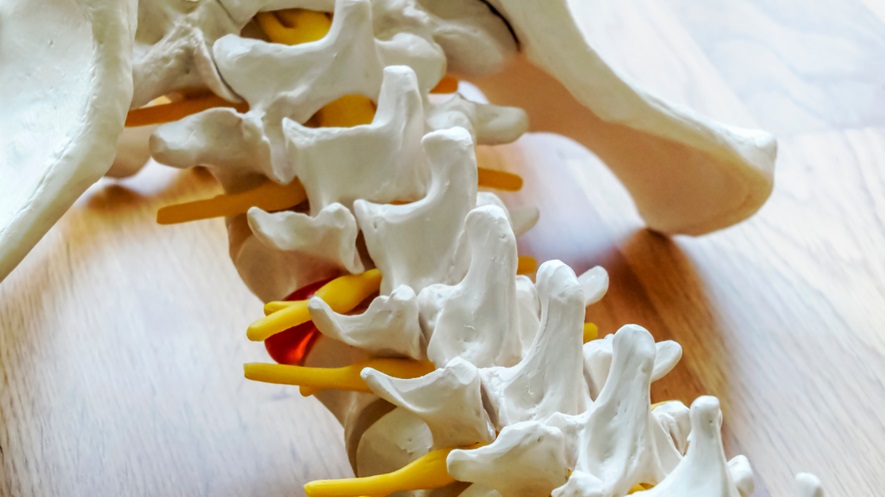

Living with a spinal cord stimulator can be an intimidating and confusing experience. The device is implanted in the body and used to modulate pain signals, allowing patients to achieve a higher level of comfort and mobility. While spinal cord stimulators can be extremely helpful in managing chronic pain, it is important to understand what the device entails and how to best care for it. In this article, we’ll cover the basics of living with a spinal cord stimulator and provide tips on how to ensure it is working optimally.

Living with a Spinal Cord Stimulator

A spinal cord stimulator is a device that is surgically implanted and connected to electrodes on the spine. It works by sending electrical signals to nerves in the spine in order to reduce pain and improve mobility. Spinal cord stimulators can be used to treat a variety of chronic pain conditions, including back pain, neck pain, and sciatica. The device can also be used to treat phantom limb pain and complex regional pain syndrome.

When living with a spinal cord stimulator, it is important to keep the device clean and make sure you’re changing the batteries regularly. It is also important to make sure that you are aware of any possible side effects and to contact your doctor if something feels off. Additionally, patients should be mindful of their posture, as this can have a significant impact on the efficacy of the device. In this case, it is ideal to consult with a medical professional for spinal cord stimulation in Chicago to ensure the safety and effectiveness of the device. They can also provide advice and guidance on how to best care for the device.

Tips for Caring for a Spinal Cord Stimulator

  1. Follow your doctor’s instructions for changing batteries, cleaning the device, and checking for any signs of infection.
  2. Avoid activities that could damage the device, such as excessive bending or stretching.
  3. Make sure to keep your stimulator away from electrical signals, such as laptops, televisions, and cell phones.
  4. Be aware of your posture. Poor posture can cause the spinal cord stimulator to be less effective.
  5. Tell your doctor immediately if you experience any side effects from the device, such as a tingling sensation, nausea, or dizziness.

To Conclude

Living with a spinal cord stimulator can be difficult, but it doesn’t have to be. By following the tips above and consulting with a medical professional, you can ensure that your device is working to its fullest potential. So don’t be afraid to take charge of your health – with a spinal cord stimulator, you can manage chronic pain and increase your quality of life.

One of the biggest fears patients have after gastric bypass surgery is that their stomach will stretch out again, leaving them with excess weight and health complications. Fortunately, there are steps you can take to prevent stretching your stomach after the procedure. In this article, we’ll discuss five simple and effective tips to help you avoid stretching your stomach after gastric bypass surgery and maintain a healthy weight for years to come.

1. Stick to a Healthy Diet

The most important way to prevent stretching your stomach after gastric bypass surgery is to stick to a healthy diet. This means limiting salty, fatty, and sugary foods, as well as avoiding processed meals. Instead, opt for lean proteins, fresh fruits and vegetables, whole grains, and low-fat dairy products. You may even visit a professional for gastric bypass surgery in Tijuana for further counseling and guidance. They will be able to help you create a meal plan that works best for your lifestyle and body needs.

2. Eat Slowly and Chew Thoroughly

Another way to prevent stretching your stomach after gastric bypass surgery is to eat slowly and chew thoroughly. Eating too quickly can cause the stomach to stretch out, so it’s important to take the time to savor each bite. This also helps the body digest food more effectively and helps you avoid overeating. It is also important to chew your food until it is almost a liquid before swallowing, as this helps break down the food particles more completely and reduces the risk of stomach stretching.

3. Don’t Drink with Your Meals

It can be tempting to wash down meals with a sugary drink or carbonated beverage, but these drinks can cause the stomach to fill up quickly and stretch out over time. Instead, wait at least 30 minutes after eating before drinking water or other beverages. You can also opt for sugar-free or low-calorie drinks with meals to help keep your stomach from stretching. In addition to this, it will also benefit if you check out how to get rid of gas after gastric bypass, as this is a common side effect of the surgery.

The Final Part

By following these three tips, you can prevent stretching your stomach after gastric bypass surgery and maintain a healthy weight for many years to come. When in doubt, always consult with your doctor or professional bariatric surgeon to ensure that your diet and lifestyle are optimized for long-term success.

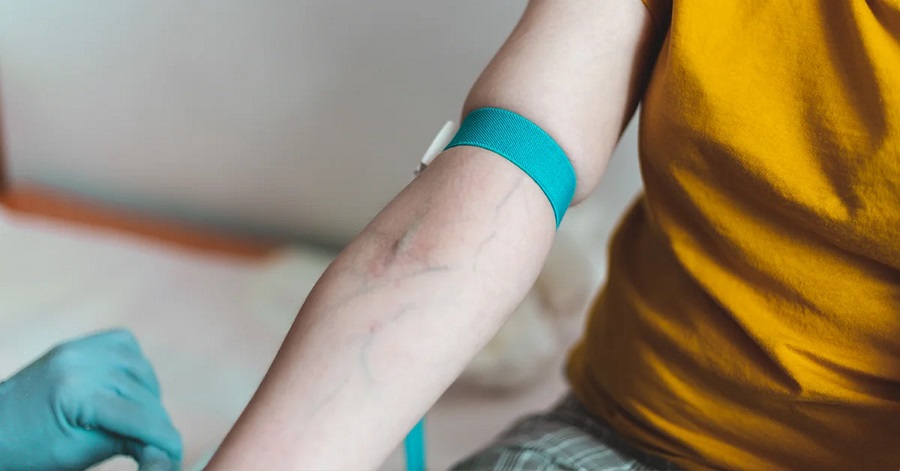
The human body is indeed a marvel. The complexity of the body function that helps a human evolve and survive is something that humans should ponder upon and be able to preserve its healthy state. One of the most extraordinary body parts in the human body is the blood vessel. Do you know that blood vessels of a human are estimated to be more than 100 000 km in length? It is so long that perhaps people will only find doctors when the blood vessels are badly damaged and symptoms related to it are exhibited.

To have a healthy body means to have a fulfilling life. The blood vessels including the vein are as important as the artery. Any disturbance to either of the structures could disrupt the blood circulation which then precipitate to disease such as heart attack and stroke which could be deadly. Other medical problems relating to veins such as varicose veins that lead to leg pain or swollen feet is something that could be prevented when the veins are healthy. Hence, what should you do to keep your veins healthy?

1- Keeping your body hydrated at all times

Water is essential for the body. All body cells need water to thrive and work properly. When a person is hydrated by drinking plenty of water, the blood can flow better due to the thinner blood. Thicker blood caused by dehydration can worsen the vein issues.

2- Stay active

Doing simple exercises, even brief walks and less time on just sitting can help the body pump the blood better. Hence, blood flows in the vein will be more efficient.

3- Eat healthy

We all know eating healthily by consuming more fruits and vegetables can do wonders to the body. Foods high in vitamin C such as oranges and vitamin K in leafy greens can help improve the vein walls and improve the blood circulation.

4- Wear compression stocking

If you are prone to varicose veins either because of genetics, pregnancy, chronic illness such as heart disease or obesity, or simply because of your work or lifestyle causing your leg to feel pain easily due to long sitting or standing all day, you should consider using compression socks. Compression sock works by contracting the muscle around the veins to help the blood flow.

5- Remember to always elevate the leg

Start and end your day by keeping legs against the wall for five minutes. This helps to return the blood flow to the heart which ultimately reduces swelling and pressure of the leg. You can also try to elevate the feet above the hips for a few minutes in the daytime to occasionally relieve the pressure inside the leg.

6- Avoid smoking

Smoking is generally known to cause many diseases. Substance in the smoke causes the blood to become thicker and slows down the blood flow. This in turn could increase risk for a person to get blood clots in the vein.

7- Reduce sugar intake

Excess sugar can lead to production of lipoprotein, a form of fats in the body. These could build up to form plaque onto the blood vessels, causing problems to the vein.

Although tips above may be considered to help you have healthy veins, you should never assume vein issues will resolve on their own. It is best to get medical advice as soon as you experience problems with the veins such as feeling discomfort, painful sensation, walking problems or any visible changes to the vein. Getting early diagnosis and treatment can help you avoid complications that could be deadly such as pulmonary embolism caused by deep vein thrombosis. Besides, prevention is always better than cure, right?

Suboxone is a medication that is used to help people overcome addiction to opioids. It can be very effective in helping people achieve sobriety and lead normal life. However, like all medications, there are potential side effects and withdrawal symptoms associated with Suboxone use. In this article, we will discuss some of the ways that you can deal with Suboxone withdrawal so that you can continue to live a healthy and productive life.

1. Seek Professional Help

If you are experiencing any type of withdrawal symptoms, it is important to seek professional help. Withdrawal symptoms can be very dangerous and should not be taken lightly. And with the help of a doctor for Suboxone withdrawal in Vero Beach, you will not only be able to get through the withdrawal process safely, but you will also be able to learn how to cope with any future cravings or withdrawals. They will also be able to help you taper off of the medication if that is something you feel you need to do. Remember, you are not alone in this, and there are people who can help you through it.

2. Drink Plenty of Fluids

When you are dealing with withdrawal, it is crucial to make sure that you are drinking plenty of fluids and staying hydrated. This is especially important when you are dealing with Suboxone withdrawal because one of the common side effects is dehydration. You may also drink fluids that contain electrolytes to help replenish any that may have been lost during the withdrawal process. Apart from this, by knowing why Suboxone is making you feel worse, you will also be able to understand what other measures you can take in order to feel better. Ultimately your goal should be to make sure that you are comfortable and not in any danger.

3. Have a Support System

Going through withdrawal, or any difficult time for that matter is always easier when you have a support system. Whether it is your family, friends, or a support group, having people to lean on can make all the difference. These people can offer you emotional support and practical help when you need it. They can also provide you with motivation to keep going when things get tough. So, if you are dealing with Suboxone withdrawal, make sure to reach out to your support system and let them know what you are going through.

To Conclude

Suboxone withdrawal can be a difficult and challenging process, but it is possible to get through it. With the help of a professional and a strong support system, you can overcome any obstacle that comes your way. So, if you or someone you know is dealing with Suboxone withdrawal, remember that there is help available. Do not hesitate to reach out and get the help you need.

Cosmetic surgery offers you a way to change your appearance and improve certain areas of your body. While there are many benefits offered by cosmetic surgery, it’s still surgery. Because of this, you need to ensure you are fully prepared for what it entails.

If you have cosmetic surgery Durham NC scheduled, properly preparing is essential. Keep reading for some tips to ensure you are ready for the planned procedure.

Acquire Medical Clearance

You must undergo a physical exam by your primary doctor that states you are in good health and can undergo cosmetic surgery. It’s necessary to have the assessment done a minimum of one month before the scheduled procedure. Being in good health helps reduce the likelihood of complications during the surgery.

Avoid or Stop Certain Actions or Activities

If you smoke, you must stop smoking a minimum of two weeks before your surgery. Smoking will reduce blood flow, which can cause a heart attack or stroke. It may also increase the probability of developing an infection.

You also need to avoid drinking alcohol approximately 72 hours before the day of your procedure. Drinking may affect your immune system.

Avoiding aspirin and aspirin products two weeks before cosmetic surgery is also necessary. Aspirin and similar medications can thin your blood and increase the risk of excessive bleeding.

Ask Your Friends for Help

Cosmetic surgery is surgery. Since it is surgery, you will need time to recover after. You will also need someone to drive you home after the procedure and help you get around. Asking friends to help with this ahead of time is a smart move.

If you have cosmetic surgery planned, be sure you are fully prepared for the procedure. The tips above will help ensure you know what to do and how to make sure you and your body are ready for the procedure.