
Blood pressure clinic care explained simply. Learn what to expect, who needs it, and how clinics help you stay healthy long term.
A blood pressure clinic helps diagnose, monitor, and manage high or low blood pressure using expert care, testing, and lifestyle guidance. These clinics offer regular checks, personalized plans, and ongoing support to reduce heart risks and improve long-term health.
Ever wonder why your blood pressure readings change every time you check them? Or why one high number suddenly feels scary? You’re not alone. Blood pressure worries sneak up on people of all ages, often without clear symptoms.
A blood pressure clinic exists to solve that exact problem. It offers focused care, accurate readings, and step-by-step plans to control your numbers. Instead of guessing, you get clarity. Instead of stress, you get a plan.
Many people prefer visiting a blood pressure doctor for consistent monitoring rather than relying on random pharmacy checks.
A trusted blood pressure clinic also keeps detailed records to spot patterns early and prevent serious complications.
Blood Pressure Clinic Explained In Simple Terms 🩺
A blood pressure clinic is a medical center focused only on blood pressure care. It monitors, diagnoses, and treats both high and low readings. These clinics use precise tools and trained staff. The goal is long-term control, not quick fixes.
Patients receive more than a single reading. Doctors track trends over time. This helps identify hidden risks early. Treatment plans are adjusted as your body changes.
Many clinics also teach self-monitoring skills. You learn what numbers matter most. That knowledge alone reduces anxiety for many patients.
Why Blood Pressure Monitoring Matters ❤️
Blood pressure affects every organ in your body. When it stays high, damage happens quietly. Your heart, kidneys, brain, and eyes all feel the strain. That’s why regular checks matter.
Ignoring high readings can lead to sudden emergencies. Strokes and heart attacks often start silently. Clinics aim to catch issues before symptoms appear. Early action saves lives.
Consistent monitoring also prevents overtreatment. Not every spike needs medication. Clinics help separate temporary stress from real risk.
Who Should Visit A Blood Pressure Clinic 👥
Anyone with repeated high readings should consider a visit. This includes adults, teens, and seniors. Family history increases risk. So does stress, weight gain, and poor sleep.
Pregnant women often need special monitoring. Athletes may also experience unusual fluctuations. Clinics tailor care to each situation. No one-size-fits-all approach exists here.
Even healthy adults benefit from baseline checks. Knowing your normal range builds confidence. Prevention always beats treatment.
Signs You Should Not Ignore 🚨
Some warning signs feel harmless at first. Headaches, dizziness, or fatigue often get ignored. Over time, these symptoms can worsen. Clinics help connect symptoms to real data.
Blurred vision and chest discomfort need attention fast. Shortness of breath is another red flag. These signs deserve professional evaluation. Waiting can be dangerous.
A clinic visit provides answers, not guesses. Clear testing removes uncertainty. That peace of mind matters.
What Happens During Your First Visit 🏥
Your first visit starts with detailed questions. Doctors ask about lifestyle, diet, and stress. They review past readings carefully. This creates a full picture.
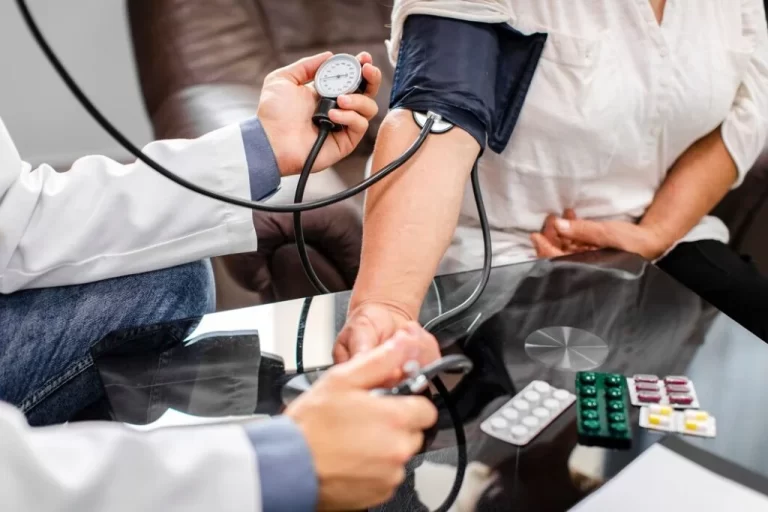
Next comes accurate measurement. Clinics use calibrated machines. Multiple readings are taken. This avoids false results.
You also receive education. Doctors explain what your numbers mean. Understanding reduces fear and improves compliance.
Tests Commonly Done At Clinics 🔬
Blood pressure clinics run several routine tests. These go beyond arm cuffs. They help uncover root causes. Each test serves a purpose.
|
Common Test |
What It Shows |
Why It Matters |
|---|---|---|
|
Ambulatory Monitoring |
24-hour trends |
Detects hidden hypertension |
|
Blood Tests |
Hormone levels |
Finds underlying causes |
|
ECG |
Heart rhythm |
Checks heart strain |
These tests guide precise treatment. Guesswork is avoided. Decisions are data-driven.
Understanding Blood Pressure Numbers 📊
Blood pressure has two numbers. The top is systolic. The bottom is diastolic. Both matter equally.
Normal readings fall below 120/80. Elevated numbers require observation. Persistent highs need treatment. Clinics track these changes over time.
Doctors explain ranges in simple terms. No medical jargon overload. Clear understanding leads to better habits.
Personalized Treatment Plans 🧩
No two patients receive the same plan. Clinics customize care. Age, weight, and health history matter. Lifestyle plays a huge role.
Some plans focus on diet changes. Others include exercise routines. Medication is added only when needed. Balance is key.
Doctors adjust plans as progress happens. This flexibility improves success. Patients feel supported, not judged.
Role Of Lifestyle Changes 🌱
Lifestyle choices directly affect blood pressure. Clinics emphasize small, realistic changes. Big overhauls often fail. Steady steps work better.
Common recommendations include:
- Reducing salt intake
- Improving sleep routines
- Managing daily stress
- Staying physically active
Clinics provide guidance, not lectures. Support makes habits stick. Progress feels achievable.
Medications And When They’re Needed 💊
Medication isn’t always the first step. Clinics try lifestyle changes first. When needed, drugs are carefully selected. Side effects are monitored closely.
Doctors may start with low doses. Adjustments happen gradually. This reduces discomfort. Safety always comes first.
Regular follow-ups ensure effectiveness. Medication plans evolve over time. Nothing stays static.
How Clinics Track Long-Term Progress 📈
Tracking trends matters more than single readings. Clinics maintain detailed records. This reveals patterns others miss. Long-term data saves lives.
|
Tracking Method |
Benefit |
Outcome |
|---|---|---|
|
Monthly Visits |
Consistency |
Stable control |
|
Home Logs |
Daily insight |
Better accuracy |
|
Digital Records |
Easy review |
Faster decisions |
Patients stay involved in tracking. Engagement boosts success rates. Progress feels visible.
Blood Pressure Clinics Vs General Checkups ⚖️
General checkups are broad. Clinics are focused. That difference matters for chronic conditions. Blood pressure needs specialized attention.
Clinics offer longer consultations. More data is reviewed. Decisions are deeper and more precise. That focus improves outcomes.
General visits still matter. Clinics simply add extra care. Together, they form a strong health plan.
Managing Stress Through Clinic Support 🧠
Stress raises blood pressure fast. Clinics recognize this link. Mental health support is often included. Relaxation strategies are taught.
Breathing exercises help immediately. Mindfulness improves long-term control. Sleep counseling reduces nightly spikes. These tools empower patients.
Support feels human, not clinical. Patients feel heard. That emotional care matters.
How Often Should You Visit A Clinic ⏰
Visit frequency depends on your condition. New patients often come monthly. Stable patients may visit quarterly. Flexibility exists.
Doctors adjust schedules as needed. Improvement means fewer visits. Fluctuations require closer watch.
Consistency beats frequency. Regular follow-ups build trust. That trust improves results.
Benefits Of Choosing A Specialized Clinic ⭐
Specialized clinics focus deeply on one issue. That expertise shows. Accuracy improves. Confidence grows.
Patients receive:
- Consistent monitoring
- Personalized care
- Education and support
- Early risk detection
These benefits reduce emergencies. Long-term health improves. Peace of mind follows.
Conclusion: Taking Control Starts Here ✅
A blood pressure clinic offers clarity, control, and confidence. It replaces fear with facts. Through monitoring, guidance, and support, patients gain real control. Managing blood pressure becomes manageable, not overwhelming.
FAQs
What does a blood pressure clinic do daily?
A clinic monitors blood pressure and tracks trends. Doctors adjust care plans as needed. The focus is long-term stability.
Is a blood pressure clinic only for seniors?
No, adults of all ages visit clinics. Young patients benefit from early prevention. Age is not a limit.
How long does a blood pressure clinic visit take?
Most visits last 30 to 45 minutes. Time allows detailed discussion. Rushed care is avoided.
Can lifestyle changes replace medication fully?
Sometimes, yes. Clinics try lifestyle changes first. Medication is added only if needed.
How soon can results improve after visiting a clinic?
Some patients see improvement within weeks. Others take months. Consistency determines success.