Sepsis moves fast. When an infection triggers a body‑wide inflammatory storm, blood pressure drops, organs struggle, and tissue can die, sometimes forcing life‑altering amputations. Understanding how sepsis conditions progress, what warning signs matter, and which hospital decisions change outcomes helps patients and families act sooner. If they see red flags, they should Check Now with a clinician rather than wait: hours genuinely count. This guide connects the biology to the bedside and follows recovery through modern prosthetics, therapy, and emotional support.
The biological connection between sepsis and tissue necrosis
Sepsis is not just “a bad infection.” It’s the body’s dysregulated response to infection that derails circulation and immunity. That derailment explains why some survivors wake to devastating limb damage.
How sepsis starves tissues
In early sepsis, inflammatory mediators make blood vessels leaky and disrupt their ability to constrict and dilate. Fluid leaks into tissues, blood pressure falls, and microcirculation, those tiny capillaries that deliver oxygen, clogs and stalls. Even if large arteries stay open, cells downstream suffocate. When oxygen delivery can’t meet demand, tissues shift to anaerobic metabolism, acid builds up, and cells die. This cascade is one route to tissue necrosis.
The role of clotting and DIC
Many patients also develop a clotting imbalance. In disseminated intravascular coagulation (DIC), the body forms countless micro‑clots while simultaneously consuming clotting factors. These micro‑clots plug capillaries, causing mottled skin and sharply demarcated areas of ischemia, often in fingers and toes where circulation is most fragile. As tissue death advances, amputation may be the only way to remove non‑viable tissue and control infection.
Vasopressors: life‑saving, but with trade‑offs
When fluids alone can’t sustain blood pressure, clinicians use vasopressors (most commonly norepinephrine) to preserve blood flow to the brain, heart, and kidneys. That central rescue can have a peripheral cost: tightened vessels may further reduce blood supply to the hands and feet already threatened by sepsis. Not everyone on pressors experiences limb ischemia, but in those with severe shock, DIC, prolonged hypotension, or preexisting vascular disease, the risk of tissue loss increases.
Why source control matters
If the infection’s source (an abscess, infected device, or necrotic tissue) isn’t rapidly controlled, toxins and bacteria keep fueling the inflammatory blaze. Early, effective source control, drainage, debridement, removal of infected hardware, can stabilize microcirculation sooner and preserve limbs.
Warning signs patients should recognize for early infection control
Sepsis can develop from pneumonia, urinary infections, skin infections, dental abscesses, and more. Early recognition is the most realistic way to change the story before tissue damage takes hold.
Red flags that should prompt urgent care
- Fever or chills with a new or worsening infection, or sometimes a low temperature under 96.8°F (36°C)
- Rapid breathing, shortness of breath, or oxygen needs rising unexpectedly
- Fast heart rate, new confusion, severe fatigue, or a sense of impending doom
- Low blood pressure symptoms: dizziness, fainting, clammy skin
- Severe pain, disproportionate to what the injury looks like
- Skin changes near a wound: rapidly spreading redness, blisters, purple discoloration, or crepitus (a crackling feel) that could indicate necrotizing infection
If these appear, they should not wait, Check Now with urgent care or an emergency department, especially in older adults, pregnant patients, or those who are immunocompromised.
After hospitalization, watch the extremities
During and after sepsis treatment, new mottling, coldness, numbness, or color change in fingers and toes deserves immediate attention. Dark, non‑blanching areas, loss of capillary refill, and escalating pain can signal ischemia. Early vascular assessments, warming measures, and surgical consultation sometimes prevent progression.
Simple prevention that matters
- Keep vaccinations current (influenza, COVID‑19, pneumococcal) to reduce common sepsis triggers.
- For wounds: clean, cover, and re‑check daily: seek care for spreading redness or fever.
- Manage chronic conditions (diabetes, peripheral arterial disease) that raise risk.
- Know the mantra: infection + organ dysfunction = sepsis until proven otherwise.
Critical-care decisions that influence amputation outcomes
In the ICU, minutes and choices compound. Several evidence‑based steps can reduce the likelihood or extent of amputation.
Time to antibiotics and source control
Broad‑spectrum antibiotics within the first hour of recognizing sepsis are linked to better survival and less organ injury. Each delay increases risk. Source control, draining abscesses, debriding dead tissue, removing infected lines or prostheses, ideally occurs as soon as feasible, often within hours. The sooner the inflammatory driver is removed, the better the microcirculation tends to recover.
Hemodynamic strategy and vasopressor stewardship
- Fluids first, but not forever: Balanced crystalloids help restore preload, while frequent reassessment (exam, ultrasound, lactate) prevents fluid overload that can worsen tissue edema.
- Norepinephrine is first‑line: It supports mean arterial pressure with a lower risk of arrhythmias. Doses are titrated to the minimum that maintains perfusion.
- Add‑ons with caution: Vasopressin or epinephrine may be needed in refractory shock. In patients developing digital ischemia, teams often pursue the fastest feasible wean while balancing organ perfusion.
Microvascular monitoring and protective measures
Early recognition of limb hypoperfusion guides action: warming, careful positioning to avoid pressure points, removing constrictive dressings, and considering vascular surgery input. When compartment syndrome is suspected, prompt fasciotomy can be limb‑saving.
Surgical timing and scope
Surgery isn’t a binary of “amputate or not.” Staged approaches, initial debridement, temporizing dressings, negative‑pressure therapy, can salvage more tissue and clarify future function. When amputation is necessary, level selection (transmetatarsal vs. below‑knee: ray resection vs. transradial) weighs infection control, vascular status, potential for prosthetic use, and the patient’s goals.
Multidisciplinary communication
Orthopedic, plastic, vascular, and critical‑care teams, plus wound care and rehabilitation, coordinate to set expectations. Families should hear candidly how sepsis conditions, pressor needs, and clotting changes affect limb prognosis.
Personalized prosthetic fitting for infection-related limb loss
Modern prosthetics can restore surprising levels of mobility and independence, but sepsis‑related limb loss brings unique fitting considerations.
When to start the prosthetic journey
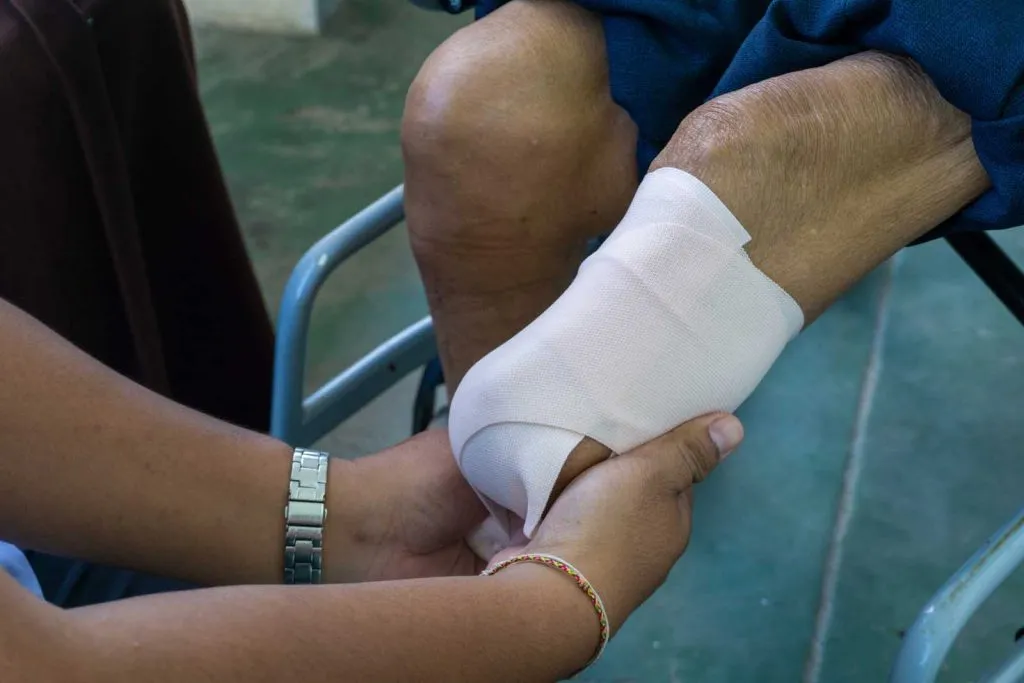
It begins before the first socket. Once the residual limb is stable, edema improving, wounds closed, infection controlled, patients are fitted with shrinkers or rigid removable dressings to shape the limb and reduce pain. For many, an initial evaluation occurs 4–8 weeks after surgery, but complex wounds can push this later. A temporary (“test”) socket often precedes a definitive device as volume changes plateau.
Socket design and skin health
Sepsis survivors may have fragile skin, scar bands, or graft sites. Elevated‑vacuum systems can improve suspension and reduce shear: gel liners (silicone or TPE) cushion bony prominences: and flexible inner sockets accommodate sensitive areas. Antimicrobial liners and meticulous hygiene are crucial to prevent recurrent infections.
Lower‑limb options
- Below‑knee (transtibial): Energy‑storing feet, microprocessor ankles for uneven terrain, and lightweight carbon frames can reduce effort.
- Above‑knee (transfemoral): Microprocessor knees improve safety on stairs and variable speeds: stance control and stumble recovery features reduce falls.
Upper‑limb options
- Body‑powered hooks and hands offer durability and strong proprioceptive feedback.
- Myoelectric hands use surface muscle signals for intuitive control: multi‑articulating models provide grip patterns for daily tasks.
- Task‑specific devices (adaptive tools, activity‑based terminal devices) often matter more than a single “do‑it‑all” hand.
Personalization beyond components
Lifestyle, work demands, hobbies, and home layout shape choices. A gardener’s socket padding priorities differ from a warehouse worker’s need for shock absorption. Frequent early follow‑ups tackle volume changes, skin hotspots, and alignment tweaks before small issues become setbacks.
Physical therapy milestones during post-sepsis rehabilitation
Sepsis survivors often face deconditioning on top of amputation. A clear, staged plan keeps progress visible and motivating.
Weeks 0–2 after surgery
- Protect the incision, manage edema, and begin gentle range‑of‑motion to prevent contractures (hip flexors and knee flexors are common culprits).
- Desensitization: light tapping, massage, and gradual pressure help the residual limb tolerate the socket later.
- Core and upper‑body strengthening start early to support transfers and gait training.
Weeks 3–8: Pre‑prosthetic strengthening
- Progressive resistance for hips, glutes, and quadriceps (for lower‑limb loss) or scapular stabilizers and rotator cuff (for upper‑limb loss).
- Balance and proprioception drills: parallel bars, foam surfaces, weight shifts.
- Cardiovascular conditioning with arm ergometers or seated intervals counters post‑ICU fatigue.
Early prosthetic training
Once a temporary prosthesis is fitted, therapy focuses on:
- Donning and doffing, skin checks, sock ply adjustments.
- Gait mechanics: step length, symmetrical weight bearing, and safe turning. For above‑knee users, stance‑phase stability and controlled knee flexion are priorities.
- Functional tasks: sit‑to‑stand, curbs, stairs, and fall‑recovery strategies.
Return‑to‑life goals
By 3–6 months, many transtibial users walk household and community distances: transfemoral users often reach household independence with progressive community ambulation. Upper‑limb users target consistent wear time, reliable grip selection, and task efficiency (cooking, keyboarding, tool use). Progress is individualized, set goals in collaboration with the prosthetist and therapist, not by the calendar.