

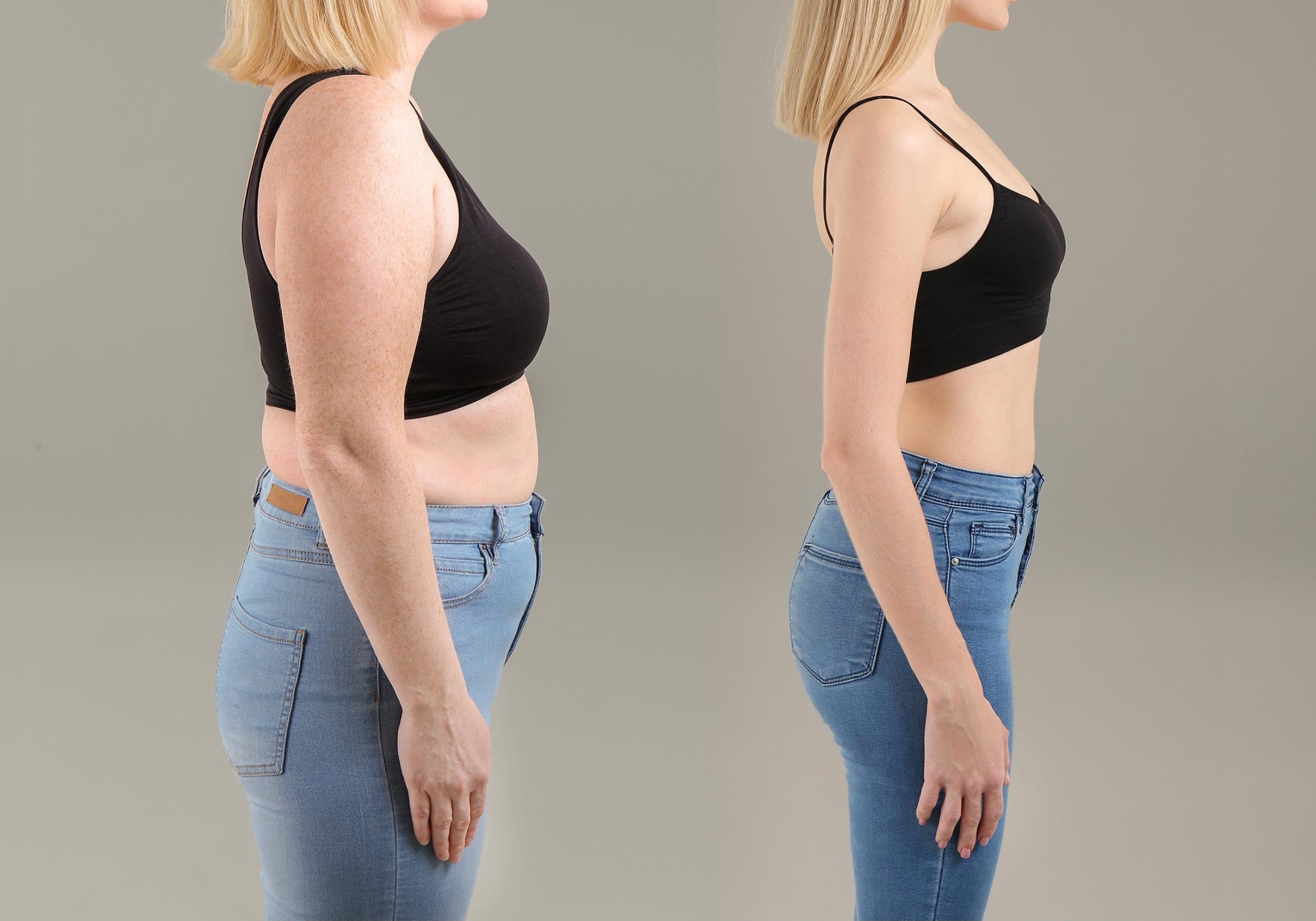
Scroll through any collection of weight loss images before and after transformation programs, and the visual changes are obvious: smaller waistlines, visible muscle definition, reduced body fat. But these images reveal far more than simple size reduction—they’re documenting profound metabolic, hormonal, and cellular changes that aren’t immediately visible but are ultimately more important than the aesthetic transformation.
Understanding what’s actually happening beneath the surface when someone loses significant body fat transforms before/after comparisons from simple vanity metrics into documentation of comprehensive biological improvement. The visible changes you see in transformation photos are merely the external manifestation of internal processes that determine long-term health, energy, and metabolic function.
The Invisible Fat Loss That Matters Most
When comparing before and after photos, most attention focuses on subcutaneous fat—the pinchable fat directly under the skin that determines waist circumference and whether abs are visible. But the most significant health improvements often come from visceral fat loss, which is largely invisible in photos because it’s stored deep in the abdominal cavity behind the abdominal muscles.
Visceral fat is metabolically active tissue that releases inflammatory cytokines, interferes with insulin signaling, and contributes to systemic metabolic dysfunction. Someone who loses just 1 kilogram (2.2 pounds) from visceral stores experiences dramatic health improvements—reduced inflammation, improved insulin sensitivity, decreased cardiovascular risk—that far exceed what you’d expect from such modest weight loss.
The paradox is that visceral fat loss is often invisible in before/after photos, especially early in a transformation. Someone might lose significant visceral fat in the first 2-3 weeks, experience major improvements in energy and metabolic markers, yet look nearly identical in photos because the subcutaneous “cosmetic” fat covering their abs hasn’t changed much. They feel dramatically better but can’t yet see the difference.
This is why transformation timelines matter. Early photos (2-4 weeks) might show minimal visible changes despite significant internal improvements. Photos at 6-8 weeks typically show the subcutaneous changes catching up to the earlier visceral fat loss, creating the dramatic visual transformation people associate with successful fat loss.
Posture and Structural Changes
One of the most overlooked differences in quality transformation photos is the change in posture and body positioning. Look closely at successful before/after comparisons and you’ll notice the “after” photo typically shows: shoulders pulled back rather than rounded forward, pelvis in neutral position rather than anteriorly tilted, head stacked over shoulders rather than jutting forward, and overall body alignment that appears more upright and confident.
These postural changes aren’t just about “standing up straighter for the photo”—they reflect genuine neuromuscular adaptations from proper training. When someone develops core stability through correctly programmed exercises, their default resting posture improves. The transverse abdominis (deep core muscle) learns to maintain appropriate intra-abdominal pressure. The erector spinae (back muscles) develop endurance to support upright positioning. Hip flexors that were chronically shortened from excessive sitting gradually lengthen.
Improved posture creates a leaner appearance independent of actual fat loss. Someone who improves anterior pelvic tilt (which pushes the lower abdomen forward) can reduce apparent waist circumference by 2-3 inches purely through structural correction, with zero fat loss. Photographs capture this postural improvement, but most people viewing transformations don’t recognize they’re seeing neuromuscular adaptation as much as fat reduction.
The Bloating Factor
Transformation photos often capture dramatic reductions in abdominal distension that have nothing to do with fat loss. Many people carry chronic bloating from gut dysfunction, food sensitivities, or inflammatory responses that create a distended, uncomfortable midsection. When transformation programs address these issues—through elimination of problematic foods, improved gut health, reduced systemic inflammation—the bloating resolves.
The visual difference can be remarkable. Someone might lose just 3-4 pounds of actual fat but reduce waist circumference by 3-4 inches because they’re no longer constantly bloated. Before/after photos capture this difference without distinguishing between fat loss and bloating reduction, yet the mechanisms are completely different and the timeline varies dramatically. Bloating can improve within days when dietary triggers are removed; actual fat loss requires weeks of sustained effort.
What Body Composition Changes Look Like
The most impressive transformation photos don’t just show fat loss—they show simultaneous muscle development that creates definition and shape. Understanding what’s actually happening requires distinguishing between different types of visual changes in muscle appearance.
Initial muscle fullness (first 2-4 weeks) comes primarily from sarcoplasmic hypertrophy—increased glycogen storage, water retention in muscle tissue, and expanded fluid volume within muscle cells. This creates a “pump” effect that makes muscles appear larger and more defined even before significant muscle protein synthesis has occurred. This change is real but partially transient—it requires continued training to maintain.
True muscle development (6-12 weeks onward) reflects myofibrillar hypertrophy—actual synthesis of new contractile proteins that create permanent, functional muscle tissue. This is what creates the lasting definition visible in successful long-term transformations. Photos taken at 8-12 weeks typically show this genuine muscle development, which persists even during training breaks unlike the earlier sarcoplasmic changes.
The practical implication: transformation photos at different timepoints are showing different biological processes. A 4-week transformation might show impressive changes from fat loss plus sarcoplasmic expansion. A 12-week transformation shows fat loss plus genuine muscle development. Both look impressive, but the underlying adaptations differ substantially.
Skin Adaptation and Its Timeline
One aspect rarely discussed in transformation photos is skin adaptation to changed body composition. When someone loses significant body fat, their skin doesn’t immediately conform to the new underlying structure. This creates a lag between actual fat loss and optimal visual appearance.
Skin has elastic properties that allow it to stretch and contract, but these changes occur gradually. Someone who loses 10-15 kilograms might have loose skin for several months after reaching their goal weight while collagen remodeling occurs and skin gradually tightens. The visual appearance continues improving for 6-12 months after weight stabilization as skin catches up to the reduced tissue volume beneath it.
This is why some transformation photos look most impressive not immediately after finishing a program, but 3-6 months later when skin has adapted. The actual fat loss happened earlier; the optimal visual presentation develops later as tissues remodel.
Metabolic Markers You Can’t See
The most important changes documented by transformation photos are completely invisible but profoundly affect long-term health. When someone successfully reduces body fat, particularly abdominal fat, measurable improvements occur in:
Insulin sensitivity increases dramatically—muscle cells become more responsive to insulin’s signals, requiring less insulin to manage blood glucose. This improvement often manifests within 2-4 weeks of fat loss and substantially reduces diabetes risk. Fasting insulin levels can drop by 30-50% with modest fat loss, creating a more favorable hormonal environment for continued fat mobilization.
Inflammatory markers decrease as adipose tissue (especially visceral fat) reduces production of inflammatory cytokines like TNF-alpha and IL-6. Chronic low-grade inflammation, which contributes to cardiovascular disease, metabolic syndrome, and accelerated aging, diminishes proportionally to fat loss. C-reactive protein (CRP), a marker of systemic inflammation, often drops by 40-60% with significant fat reduction.
Lipid profiles improve—triglycerides typically decrease, HDL cholesterol often increases, and LDL particle size shifts toward larger, less atherogenic particles. These changes reduce cardiovascular risk independently of weight loss amount. Someone who loses 5-7 kilograms often sees lipid improvements equivalent to what statin medications might produce.
Thyroid function often improves as chronic inflammation decreases and insulin sensitivity improves. Many people with subclinical hypothyroidism see normalized thyroid markers after fat loss, which further supports metabolic rate and makes continued fat loss easier.
The Psychology Captured in Photos
Look at the facial expressions and body language in quality before/after photos. The “before” often shows: downward gaze or camera avoidance, slumped shoulders conveying resignation, facial expressions suggesting discomfort or embarrassment, and overall body language communicating defeat or shame. The “after” typically shows: direct eye contact with the camera, open body language and confident posture, genuine smiles reflecting authentic pride, and overall presence suggesting empowerment and self-efficacy.
These psychological changes aren’t superficial—they reflect genuine improvements in self-perception, confidence, and mental health that accompany successful body transformation. The research on this is clear: sustainable fat loss correlates strongly with improved mood, reduced anxiety, better self-esteem, and enhanced quality of life across multiple domains.
But there’s a caution here too. Transformations built purely on restriction, excessive training, and unsustainable behaviors often show psychological distress even when physical changes are impressive. The facial expression might reveal the cost—exhaustion, anxiety about maintaining results, or an unhealthy relationship with body image. Quality transformation programs create physical changes while improving psychological wellbeing; poorly designed approaches sacrifice mental health for temporary physical results.
What Makes Transformations Sustainable
The most important question transformation photos can’t directly answer: will these results last? The visual snapshot captures a moment, but sustainability depends on whether the methods used to achieve the transformation are maintainable long-term.
Transformations achieved through metabolic optimization—improving insulin sensitivity, enhancing fat oxidation capacity, developing metabolic flexibility—tend to be sustainable because they’re based on improving biological function rather than forcing compliance through willpower. Someone who develops genuine metabolic flexibility can maintain results without constant restriction because their body has adapted to efficiently utilize stored fat for energy.
Transformations based purely on severe restriction or excessive training are visually impressive but metabolically damaging. These approaches often suppress thyroid function, reduce metabolic rate, increase stress hormones, and create rebound hunger that makes long-term maintenance nearly impossible. The before/after photo might look great, but the metabolic dysfunction created ensures the results won’t last.
Reading Between the Lines
When viewing transformation photos, the visible changes—reduced waist circumference, visible abs, improved muscle definition—are just the surface. Quality transformations simultaneously document: visceral fat reduction improving metabolic health, genuine muscle development creating functional strength, postural improvements from neuromuscular adaptation, reduced inflammation supporting long-term wellbeing, improved insulin sensitivity creating favorable hormonal environment, and psychological changes reflecting enhanced quality of life.
The photos capture a moment, but they’re documenting processes that occurred over weeks to months at cellular, hormonal, and systemic levels. Understanding what’s actually shown in transformation comparisons transforms them from simple vanity metrics into documentation of comprehensive biological improvement—the kind that creates not just temporary visual changes, but lasting health benefits that extend well beyond what’s visible in photographs.

Comments are closed.