

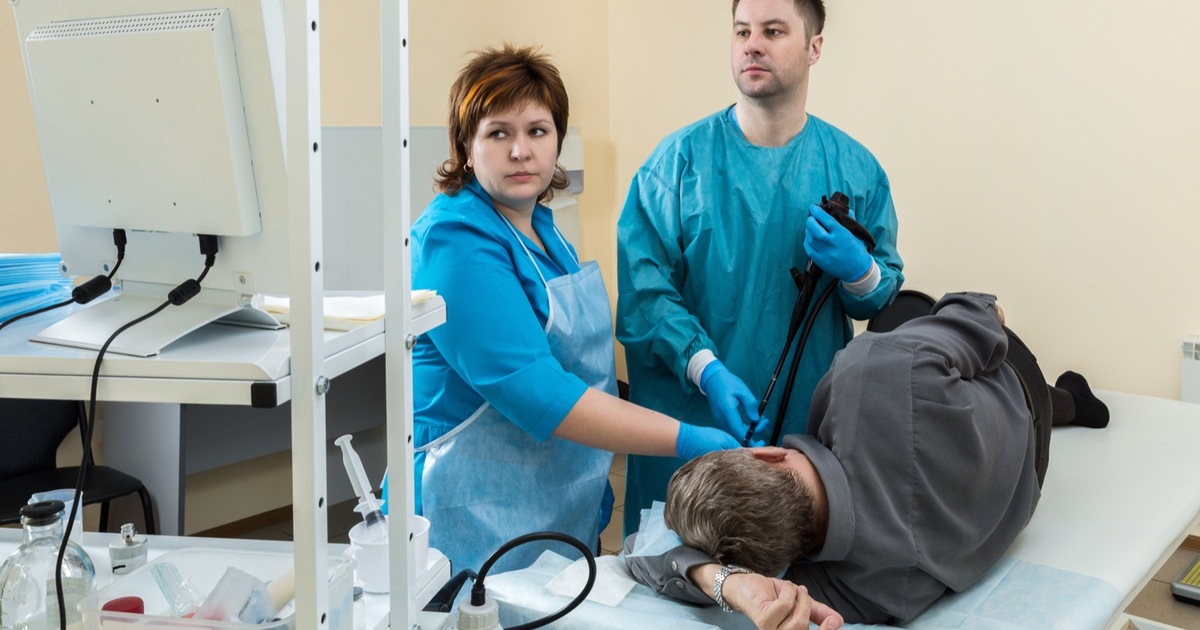
A gastroscopy is a common and valuable medical procedure used to examine the inside of the upper digestive tract, including the esophagus, stomach, and the beginning of the small intestine (duodenum). Doctors use this minimally invasive technique to investigate symptoms, diagnose conditions, and even perform treatments, all using a flexible tube with a tiny camera on the end, known as a gastroscope.
But what exactly are doctors looking for during a gastroscopy? Understanding the purpose and focus of a gastroscopy procedure can help ease anxiety and provide patients with a clearer picture of what to expect.
Signs of Inflammation or Irritation
One of the first things doctors assess during a gastroscopy test is whether there is any inflammation along the lining of the esophagus, stomach, or duodenum. Inflammation may appear red, swollen, or irritated and is often a sign of an underlying condition.
For example, gastritis is inflammation of the stomach lining, often caused by stress, alcohol, certain medications (like NSAIDs), or an infection such as Helicobacter pylori. Similarly, esophagitis can result from acid reflux or other irritants.
Spotting inflammation early helps doctors recommend effective treatments before the condition worsens or leads to complications.
Ulcers and Erosions
Doctors also look for ulcers or open sores that can form on the lining of the stomach (gastric ulcers), esophagus, or duodenum (duodenal ulcers). These ulcers may appear as shallow or deep lesions and can vary in size and severity.
Left untreated, ulcers can bleed, cause severe pain, or even perforate the stomach lining, leading to emergency situations. If an ulcer is found, the doctor may take a small tissue sample (biopsy) to check for infection or cancerous changes. In many cases, ulcers are linked to H. pylori infection or the prolonged use of anti-inflammatory medications.
Early identification during gastroscopy allows for timely management through medications and lifestyle changes.
Signs of Acid Reflux or GERD
Another common reason for performing a gastroscopy is to evaluate symptoms of gastroesophageal reflux disease (GERD). GERD occurs when stomach acid frequently flows back into the esophagus, irritating the lining. During the procedure, doctors may find evidence of acid damage, such as inflammation, erosion, or even narrowing of the esophagus (called strictures).
In some cases, they might identify a condition called Barrett’s esophagus, where long-term acid exposure leads to changes in the esophageal lining. This condition can increase the risk of esophageal cancer. Identifying these changes helps guide further treatment and monitoring strategies.
Abnormal Growths or Tumors
Doctors are also on the lookout for abnormal growths, such as polyps, nodules, or tumors. While not all growths are cancerous, spotting them early is critical for effective treatment. If something suspicious is found, a biopsy is usually taken for further analysis.
This tissue sample helps determine whether the growth is benign, precancerous, or malignant. Even if cancer is not confirmed, certain types of abnormal growths may still require removal or ongoing surveillance.
Gastroscopy plays a key role in early cancer detection, especially in patients with risk factors or persistent digestive symptoms.
Bleeding or Blood Vessels Abnormalities
Internal bleeding can be subtle or obvious, and gastroscopy is one of the best ways to pinpoint the source. Doctors look for signs of active bleeding, such as fresh blood or clots, as well as bleeding risks, like fragile or swollen blood vessels (varices).
This is particularly important in patients with liver disease, who are prone to developing varices in the esophagus or stomach. In some cases, bleeding can be stopped during the gastroscopy itself using special tools or medications applied directly to the bleeding site.
Identifying and treating bleeding early can prevent complications and reduce the need for surgery.
Infections and Unusual Tissue Changes
During a gastroscopy, doctors may notice signs of infection or unusual tissue patterns that require closer inspection. This includes white patches (which may suggest fungal infections), swollen lymphoid tissue, or other abnormalities that could indicate immune disorders or rare diseases.
When necessary, biopsies are taken to test for bacteria, viruses, or tissue changes related to chronic conditions like celiac disease or Crohn’s disease. These findings help guide a more accurate diagnosis and a personalized treatment plan.
Why Gastroscopy Matters
Ultimately, a gastroscopy offers a direct and detailed view of the upper digestive tract, allowing doctors to detect problems early and act quickly. Unlike imaging tests, which show structure, gastroscopy provides real-time visuals of the inner lining, along with the opportunity to take tissue samples or perform minor procedures on the spot.
This combination of diagnostic and therapeutic capabilities makes gastroscopy an essential tool in modern medicine, especially for anyone experiencing persistent symptoms like heartburn, nausea, unexplained weight loss, or abdominal pain.
Conclusion
A gastroscopy isn’t just a test, it’s a window into your digestive health. From identifying inflammation and ulcers to spotting tumors and treating internal bleeding, doctors use this powerful procedure to detect a wide range of issues with precision and minimal discomfort.
If your doctor recommends a gastroscopy, understanding what they’re looking for can make the experience less intimidating and more reassuring. It’s a small step that can lead to big answers, and even bigger health benefits.

Comments are closed.