Author

Paul Watson

Browsing

Prioritizing Personal Health: Comprehensive Medical and Dental CareThe Evolution of Comprehensive Healthcare Services

The concept of healthcare has significantly evolved, moving beyond episodic treatment of illness to embrace a broader, more integrated vision. This shift has led to the rise of comprehensive healthcare services, which focus on the entire spectrum of an individual’s well-being. This approach recognizes that health is not merely the absence of disease but a dynamic state influenced by numerous factors.

Comprehensive care, as envisioned in modern medicine, encompasses a wide array of services designed to support individuals throughout their lives. This includes robust health promotion initiatives, proactive prevention strategies, accurate diagnosis, effective treatment of common conditions, and sophisticated management of chronic diseases. It also extends to essential services like rehabilitation, compassionate palliative care, and crucial social services that address the broader determinants of health. Leading institutions, such as the Kansas Health System, exemplify this dedication to providing truly comprehensive care for even the most complex conditions.

Defining Comprehensive Healthcare Services in Modern Medicine

At its core, the operational definition of comprehensive healthcare services involves the provision, either directly or indirectly, of a full range of services tailored to meet a patient’s diverse healthcare needs. This includes everything from initial health promotion and disease prevention to the diagnosis and treatment of various conditions. It also involves effective referral systems to specialists, ongoing management of chronic conditions, and support for rehabilitation and palliative care. Crucially, it integrates social services, acknowledging that factors like housing, nutrition, and social support profoundly impact health outcomes. Even services such as advanced teeth whitening contribute to this comprehensive ecosystem by addressing a vital, often overlooked, aspect of overall health.

The Shift Toward Whole-Person Care

Complementing comprehensive services is the paradigm of “whole-person care.” This approach emphasizes understanding and addressing the full scope of a patient’s health. It means healthcare providers actively elicit and consider the physical, emotional, and social aspects of an individual’s health. Furthermore, it takes into account the community context in which a person lives, recognizing that environmental and social factors play a significant role in well-being. This holistic view ensures that care plans are not just medically sound but also personally relevant and sustainable. Our understanding of health is continually shaped by recognizing the interconnectedness of individual well-being and the broader community context.

Measuring Quality and Patient Experience in Integrated Care

Evaluating the effectiveness and reach of comprehensive healthcare services is a complex but crucial task. It requires robust measurement tools and a keen understanding of both patient experiences and provider capabilities. Institutions striving for excellence, like the Mayo Clinic, continuously refine their approaches to quality assessment.

Assessing Services with PCAT-S and CPCI

To objectively assess comprehensiveness, researchers and healthcare systems utilize validated instruments such as the Primary Care Assessment Tool-Short Form (PCAT-S) and the Components of Primary Care Index (CPCI). These tools help evaluate various dimensions of primary healthcare from the patient’s perspective. For instance, the CPCI Comprehensive Care subscale demonstrates strong internal consistency with a Cronbach’s Alpha of .83, indicating its reliability in measuring the scope of services. Similarly, the PCAT-S Community Orientation subscale, with a Cronbach’s Alpha of .65, assesses how well a practice understands and integrates with its community.

However, a key insight from research indicates that while patients are excellent sources for information on their experience of “whole-person care” (e.g., whether their doctor considers emotional aspects), they are often not the most reliable source for the range of services a practice actually offers. The scope of available services is often better obtained from providers or through detailed service records, as patients may only be aware of the services they personally utilize.

Challenges in Evaluating Comprehensiveness

Measuring comprehensiveness from the patient perspective presents several challenges. Studies have shown that over one-quarter of respondents may have missing responses when asked about services offered or their doctor’s knowledge of the community. This data gap can skew results and make it difficult to get a complete picture. Other methodological issues include “ceiling effects,” where many patients report the highest possible score, limiting the instrument’s ability to differentiate between highly comprehensive practices. These challenges underscore the need for a multi-faceted approach to evaluation, combining patient feedback with provider-reported data and utilization statistics to ensure a more accurate assessment. Access to diverse clinic resources can also play a role in improving data collection and evaluation efforts.

The Role of Specialized and Behavioral Health Integration

A truly comprehensive healthcare system recognizes that physical and mental health are inextricably linked. Therefore, the integration of behavioral health services with primary care and various medical specialties is paramount. This integration ensures that individuals receive holistic support for all their health needs. Many facilities now offer integrated behavioral health services, including those focused on specific populations or conditions, such as behavioral healthcare in Marion, Ohio or primary care and gynecology services in Marion.

Article image

Coordinating Complex Medical Needs

For patients with complex medical conditions, a multidisciplinary team approach is essential. This involves specialists from various fields collaborating to develop and implement evidence-based care plans. Such coordination ensures that all aspects of a patient’s health are considered, from diagnosis and treatment to ongoing management and supportive care. Health systems like the Mayo Clinic Health System and integrated models like Kaiser Permanente are examples of organizations that prioritize this coordinated, high-quality approach to care. Their efforts demonstrate how seamless communication and shared patient information can lead to better outcomes.

Addressing Mental Health and Substance Use

Behavioral health services are a cornerstone of comprehensive care, addressing mental health conditions, substance use disorders, and other psychological challenges. A critical component of effective behavioral health delivery is trauma-informed care, which acknowledges the pervasive impact of trauma and integrates this understanding into all aspects of service provision. This approach fosters a safe and supportive environment, promoting healing and recovery. Specialized programs, such as addiction treatment in Marion, are vital in providing targeted support for substance use disorders. Furthermore, a holistic perspective on personalized women’s healthcare often includes integrated mental health support, recognizing the unique challenges and needs women face throughout their lives.

Advancing Oral Health as a Core Component of Wellness

Often overlooked, oral health is an undeniable and integral part of comprehensive wellness. The mouth serves as a gateway to the body, and conditions like gum disease or untreated cavities can have far-reaching implications for overall systemic health, impacting everything from cardiovascular health to diabetes management. Recognizing this, many providers now emphasize the importance of Comprehensive dental healthcare services as a vital component of a holistic health strategy. This includes access to highly educated dentists and a commitment to clinical excellence, ensuring that patients receive the best possible care for their oral health needs. Modern dental practices, like those offering advanced dentistry, are at the forefront of this integration.

The Role of Dentistry in Comprehensive Healthcare Services

The scope of modern dentistry extends far beyond simple fillings and extractions. Today’s dental practices offer a wide range of services that contribute significantly to overall health and quality of life. This includes cosmetic enhancements like advanced teeth whitening and dental bonding, which can boost confidence and encourage better oral hygiene. Restorative treatments such as endosteal dental implants, dental veneers, and dental crowns not only restore function but also prevent further oral health deterioration. Essential procedures like root canal therapy save damaged teeth, while digital dentures offer comfortable and functional solutions for tooth loss. Beyond these, preventive care through regular oral hygiene practices and even advanced therapeutic options like dental Botox for TMJ discomfort or migraines underscore dentistry’s critical role in comprehensive health.

Innovations in Restorative and Emergency Care

The field of dentistry continues to innovate, offering advanced solutions for restorative and emergency care. Technologies like laser treatments provide less invasive options for various procedures, reducing discomfort and healing times. Specialized treatments are available for TMJ pain relief, canker sore healing, and the effective management of periodontal disease. The availability of same-day emergency dental services ensures that patients can receive prompt attention for acute issues, preventing complications and alleviating severe pain. The expertise of a dedicated clinic team is crucial in delivering these advanced and often urgent dental services.

Ensuring Accessibility and Inclusivity in Community Health

For comprehensive healthcare to be truly effective, it must be accessible and inclusive to all, regardless of background, socioeconomic status, or location. This commitment is particularly evident in the work of community health centers and Federally Qualified Health Centers (FQHCs). These organizations adhere to rigorous FQHC standards, ensuring they provide high-quality, affordable care to diverse populations, often in underserved areas. Integrated systems like Kaiser Permanente also strive for broad accessibility within their models.

The Impact of Community Health Centers

Community Health Centers (CHCs) play a vital role in expanding access to comprehensive care. They are designed to be community-driven, addressing the unique needs of the neighborhoods they serve. Their impact is significant; for example, one such center, CCHC, has seen remarkable growth, expanding from 45,000 patient visits in 2004 to over 177,000 visits in 2023. This growth highlights the immense demand for accessible, integrated services. Many CHCs offer multilingual care teams, ensuring effective communication for all patients, and some even deploy mobile clinics to reach individuals with limited transportation. For those seeking specific services or general information, direct contact with these centers is always encouraged.

Inclusivity and Trauma-Informed Delivery

A core tenet of comprehensive care is inclusivity, which means actively working to remove barriers and ensure that services are accessible and respectful to all individuals. This includes upholding non-discrimination policies and creating accessible environments for people with disabilities. Trauma-informed care is another critical aspect, where staff receive comprehensive, ongoing training to recognize and respond to the effects of trauma. This approach ensures that care is person-centered, empowering, and avoids re-traumatization. Such practices create a welcoming and safe space, fostering trust and promoting better health outcomes for everyone. Maintaining a robust privacy policy is also fundamental to building this trust and ensuring patient dignity.

Navigating Insurance and Payment Models for Total Health

Access to comprehensive healthcare services is often dictated by the ability to afford and navigate complex insurance and payment systems. Innovative models and legislative efforts are continuously working to make care more attainable.

Integrated Care Models and Their Reach

Integrated care models, like Kaiser Permanente, are designed to streamline both care delivery and coverage. This unique structure combines health insurance with its own network of doctors, specialists, and medical facilities, providing a connected and often more efficient experience. Kaiser Permanente serves a vast population, covering over 12.5 million members with a substantial workforce of 25,270 physicians and 73,283 nurses. This integrated approach allows for seamless coordination, shared electronic health records, and a strong emphasis on preventive care, ultimately aiming for better patient outcomes and a more manageable healthcare journey. Understanding what Kaiser Permanente is highlights the benefits of combining health care and coverage into one connected experience.

Affordable Solutions for the Uninsured

Despite advances in insurance coverage, many individuals still face challenges in accessing affordable healthcare, particularly for services not always covered by traditional medical plans, such as dental care. To address this, many providers offer alternative solutions like a dental wellness plan, which can provide discounted rates for essential services like fluoride treatments and yearly check-ups. Community health centers frequently offer sliding scale fees based on income, ensuring that uninsured patients can still receive necessary care. Additionally, access to recommended products can help individuals maintain their health proactively, potentially reducing the need for more costly interventions.

Transparency and Value-Based Care

Recent legislative actions, such as the No Surprises Act, aim to increase price transparency in healthcare, empowering patients to make more informed decisions and avoid unexpected medical bills. Payment models are also shifting towards value-based care, which rewards providers for patient outcomes rather than the volume of services rendered. Programs like Medicare Advantage, Medicaid, and various employer-sponsored coverage plans are increasingly incorporating elements that support comprehensive, coordinated care, recognizing that a holistic approach leads to healthier populations and more sustainable healthcare systems in the long run.

Frequently Asked Questions about Comprehensive Healthcare

What is the difference between primary care and comprehensive care?

Primary care typically serves as an individual’s first point of contact with the healthcare system, focusing on general health maintenance, prevention, and the management of common illnesses. Comprehensive care, however, is a broader concept that includes primary care but extends to integrate a full spectrum of services, such as specialty medical care, behavioral health, dental care, rehabilitation, social services, and palliative care, all coordinated to address an individual’s entire well-being.

How do integrated models like Kaiser Permanente improve patient outcomes?

Integrated models like Kaiser Permanente improve patient outcomes by fostering seamless communication and coordination among providers, often facilitated by shared electronic health records. This approach allows for proactive prevention, early detection of issues, and more efficient management of chronic conditions. By connecting doctors, hospitals, and health plans under one system, they reduce administrative hurdles and focus on the patient’s total health.

Can I access comprehensive dental care without traditional insurance?

Yes, many dental practices and community health centers offer options for accessing comprehensive dental care without traditional insurance. These can include in-house dental wellness plans that provide discounts on services, payment plans, or sliding scale fees based on income. It’s always advisable to inquire directly with providers about their specific options for uninsured patients.

Conclusion

The journey towards optimal health is a lifelong endeavor, and the emergence of comprehensive healthcare services marks a significant step forward in supporting individuals on this path. By embracing a patient-centered philosophy, integrating physical, emotional, and social well-being, and recognizing the critical role of oral health, we are redefining what it means to be truly healthy.

From the coordinated efforts of multidisciplinary teams to the inclusive practices of community health centers, the focus is increasingly on providing holistic, accessible, and high-quality care. Navigating insurance and payment models also continues to evolve, with a growing emphasis on transparency and value-based approaches that support integrated health. As we look to May 2026 and beyond, the commitment to comprehensive care promises a future where proactive prevention, long-term wellness, and patient empowerment are not just ideals, but achievable realities for all.

Advancements in Modern Dental and Orthodontic CareUnderstanding the Scope of Dental and Orthodontic Care

A healthy, confident smile is truly invaluable. It boosts self-esteem and supports overall health. Today, advancements in dental and orthodontic care offer incredible possibilities for everyone. We have moved far beyond just traditional braces. Now, many sophisticated treatments can correct various dental issues. These improvements cater to both children and adults.

For decades, we have seen remarkable progress. We can now diagnose, treat, and maintain oral health with greater precision. These innovations make achieving a beautiful, functional smile more accessible. They contribute significantly to long-term well-being. For those seeking truly NK Orthodontist advanced orthodontic solutions, the modern era provides many effective options.

In this extensive guide, we will explore modern dental and orthodontic care. We will explain the difference between general dentistry and specialized orthodontics. We will look at common orthodontic problems and their advanced solutions. We will also discuss early evaluation for children and treatment options for adults. Additionally, we will cover benefits, risks, and treatment duration. We will compare different appliances and offer tips for oral hygiene. Finally, we will guide you on long-term results and financial options. Our goal is to give you a clear understanding. This will help you make informed decisions for your smile and health.

Orthodontics is a specialized field within dentistry dedicated to correcting dental and facial irregularities. Its primary focus is on diagnosing, preventing, intercepting, and treating malocclusion, commonly known as a “bad bite.” This includes issues like crooked, crowded, or protruding teeth, as well as problems with jaw alignment. The goal extends beyond aesthetics, aiming to create a healthy, functional bite that enhances chewing, speaking, and overall oral health.

Specialist training in orthodontics involves a rigorous academic path. After completing a general dental degree, an aspiring orthodontist undertakes an additional two to three years of full-time postgraduate university training. This advanced education focuses exclusively on the complex science of tooth movement and facial growth, culminating in a Master’s or Doctoral degree in orthodontics. This extensive training ensures that an orthodontist possesses the in-depth knowledge and skills required to manage intricate cases and deliver optimal results. For instance, the Australian Society of Orthodontists recommends that every child be evaluated by an orthodontist no later than age 7, emphasizing the importance of specialist expertise from an early age.

The Distinction Between General Dentistry and Orthodontics

While both general dentists and orthodontists are dental professionals, their clinical focus and scope of practice differ significantly. A general dentist provides comprehensive primary oral healthcare, including routine check-ups, cleanings, fillings, extractions, crowns, and bridges. They are the first point of contact for most dental concerns and play a crucial role in maintaining overall oral hygiene.

An orthodontist, however, specializes in a specific area: dentofacial orthopedics. This involves diagnosing, preventing, and treating misaligned teeth and jaws. Their university qualifications mean they have undertaken extensive training beyond general dentistry to understand the nuances of bite alignment, jaw growth, and the mechanics of tooth movement. This diagnostic precision allows them to develop highly customized treatment plans for complex cases. For those seeking Comprehensive dental and orthodontic care, understanding this distinction is key to choosing the right professional for specific needs. General dentists may offer some basic alignment services, but a specialist orthodontist limits their practice to these complex treatments, ensuring a depth of expertise in this field.

When to Seek a Specialist Evaluation

Knowing when to consult an orthodontist is vital for addressing potential issues early and ensuring the best possible outcomes. While a general dentist can often identify concerns during routine check-ups, a specialist evaluation provides a detailed assessment of bite alignment, crowding, spacing, and jaw relationships.

Common signs that may warrant an orthodontic consultation include:

  • Crowded or overlapping teeth: When there isn’t enough space in the jaw for all teeth to erupt properly.
  • Gaps between teeth: Excessive spacing can impact aesthetics and function.
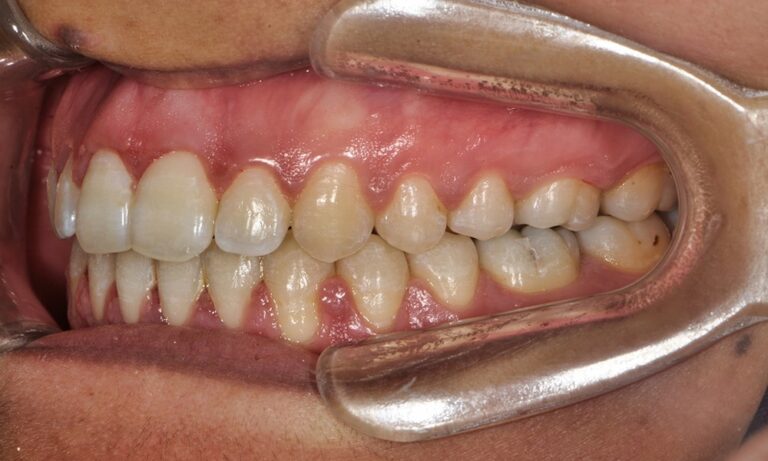
  • Overbite: When the upper front teeth significantly overlap the lower front teeth.
  • Underbite: When the lower front teeth protrude past the upper front teeth.
  • Crossbite: When the upper teeth bite inside the lower teeth.
  • Open bite: When the front teeth do not meet when the back teeth are closed.
  • Protruding teeth: Teeth that stick out, making them more susceptible to injury.
  • Difficulty chewing or speaking: Malocclusion can impair these essential functions.
  • Early or late loss of baby teeth: This can be an indicator of underlying developmental issues.

Article image

The American Association of Orthodontists recommends that children have their first orthodontic visit no later than age 7. This early evaluation allows the orthodontist to monitor the developing bite and jaw and identify any issues that may benefit from early intervention. In many cases, a referral from a general dentist initiates this process, but patients can also schedule an evaluation directly.

Modern Orthodontic Solutions for All Ages

Orthodontic treatment has evolved dramatically, moving beyond the perception of being solely for teenagers. Today, it’s a viable and popular option for people of all ages, driven by advancements in clinical technology and a greater understanding of patient experience. Three-dimensional (3D) imaging, for instance, has revolutionized diagnostics and treatment planning, allowing for unparalleled precision. About 35 percent of all orthodontic patients are adults, showcasing the widespread adoption of these modern solutions.

Early Evaluation and Pediatric Dental and Orthodontic Care

The recommendation for a child’s first orthodontic visit by age 7 is a cornerstone of modern pediatric dental and orthodontic care. At this age, children typically have a mix of primary and permanent teeth, and their jaws are still developing. This window of opportunity allows orthodontists to assess jaw growth, identify potential issues like severe crowding or crossbites, and intervene early if necessary.

Interceptive treatment, often called Phase 1 treatment, can guide jaw growth and create more space for erupting permanent teeth. This might involve appliances like palate expanders, which are particularly effective during childhood because facial bones are still developing and more amenable to gentle manipulation. Early intervention can significantly reduce the complexity and duration of future treatment, and in some cases, even prevent the need for more extensive procedures later in life. It’s a proactive approach to ensure a healthy foundation for a lifelong smile.

Adult Options in Dental and Orthodontic Care

Orthodontic treatment is no longer limited by age, with a growing number of adults seeking to improve their smiles and oral health. Modern advancements have introduced a range of discreet and efficient options that appeal to adult lifestyles. Clear aligners, such as Spark aligners, have become incredibly popular. These removable, transparent trays offer a nearly invisible way to straighten teeth, making them an attractive alternative to traditional braces for many adults. Their digital planning allows for precise, predictable tooth movement, and they are generally comfortable to wear.

Beyond clear aligners, adult patients can also opt for ceramic braces, which use clear or tooth-colored brackets that blend more seamlessly with the teeth. Lingual braces, placed on the inside surface of the teeth, offer another completely invisible option. These advancements mean that adults can pursue orthodontic treatment without significant aesthetic concerns, integrating it smoothly into their professional and social lives. The benefits extend beyond aesthetics, addressing issues such as uneven wear, increased risk of gum disease, and jaw pain. To see the transformative results achievable with these modern approaches, we invite you to visit our smile gallery.

Comparing Fixed and Removable Appliances

The choice between fixed and removable orthodontic appliances is a key decision in any treatment plan, influenced by the complexity of the case, patient preferences, and lifestyle. Clinical planning, often aided by digital simulations, helps determine the most effective appliance for achieving desired results. The overall treatment duration, typically ranging from 6 to 30 months, with most people wearing braces for about 2 years, is also a significant factor in this decision.

Here’s a comparison of fixed braces and removable clear aligners:

Feature Fixed Braces (Traditional & Ceramic) Removable Clear Aligners (e.g., Spark, Invisalign) Attachment Method Brackets bonded to teeth, connected by archwire. Custom-made plastic trays that fit over teeth. Clinical Applications Highly effective for complex movements, rotations, and bite corrections. Effective for a wide range of cases, particularly mild to moderate. Maintenance Requirements Requires diligent cleaning around brackets and wires; dietary restrictions. Must be removed for eating, drinking (except water), and cleaning; aligners need daily cleaning. Visibility Metal braces are visible; ceramic options are more discreet. Nearly invisible when worn. Removability Not removable by the patient. Removable for eating, brushing, and special occasions. Patient Compliance Less dependent on patient compliance once bonded. Requires strict adherence to wearing aligners 20-22 hours/day. Comfort: Initial discomfort and potential irritation from brackets/wires. Generally smooth, but can cause pressure during tray changes. Traditional Braces and Ceramic Options

Traditional braces, often made of stainless steel, have been a reliable orthodontic solution for decades. These fixed appliances consist of metal brackets bonded to the teeth, connected by an archwire that applies continuous, gentle pressure to guide teeth into their correct positions. Modern metal braces are smaller and more streamlined than their predecessors, making them more comfortable and less noticeable. They are exceptionally effective for a wide range of orthodontic problems, including severe crowding, complex bite issues, and significant rotations.

Ceramic braces offer a more aesthetic alternative to traditional metal braces. These brackets are made from polycrystalline alumina, a translucent, tooth-colored material that blends with the natural shade of the teeth. While they function similarly to metal braces, ceramic options are less conspicuous, making them a popular choice for adults and older teenagers who prefer a more discreet treatment. While ceramic braces are durable, they can be more prone to staining if oral hygiene is not meticulously maintained, and their material can be slightly more brittle. Both types of fixed braces require careful attention to oral hygiene and dietary adjustments to protect the appliance and maintain tooth health. You can learn more about fixed options by visiting our braces page.

Clear Aligner Systems

Article image

Clear aligner systems represent one of the most significant advancements in modern orthodontics. Brands like Spark and Invisalign utilize a series of custom-made, removable plastic trays that gradually shift teeth into alignment. The treatment process begins with a precise 3D digital scan of the patient’s teeth, which is then used to create a virtual treatment plan. This plan maps out the exact movements of each tooth, allowing for the fabrication of a sequence of aligners, each designed to achieve a specific stage of tooth movement.

Patients wear each set of aligners for about 1 to 2 weeks, removing them only to eat, drink (other than water), brush, and floss. This removability offers significant advantages in terms of aesthetics and oral hygiene, as there are no brackets or wires to clean around. Clear aligners are highly effective for a broad spectrum of orthodontic issues, from simple aesthetic corrections to more complex bite problems, provided the patient is compliant with wearing them for the recommended 20-22 hours per day. They offer a discreet and comfortable alternative for many individuals seeking to straighten their smiles. For a comprehensive overview of these innovative solutions, explore our Invisalign page and our guide to invisible braces.

Maintaining Oral Health During Treatment

Maintaining excellent oral hygiene is paramount throughout orthodontic treatment, regardless of whether you have fixed braces or removable aligners. The presence of orthodontic appliances can create new areas where food particles and plaque can accumulate, increasing the risk of cavities, gum inflammation, and white spots on the teeth. Regular and thorough plaque removal, along with consistent fluoride application, is essential to protect your oral health.

Dietary Adjustments for Fixed Appliances

For patients with traditional or ceramic braces, certain dietary adjustments are crucial to protect the appliances and prevent damage to the teeth. Hard foods, such as nuts, hard candies, and ice, can break brackets or bend wires. Sticky substances like caramel, taffy, and chewing gum can get stuck in braces and pull off brackets or wires, making cleaning difficult and potentially damaging the appliance. Crunchy foods like popcorn and hard biscuits can also cause issues.

Beyond avoiding these problematic textures, reducing sugar consumption is vital. Sugary foods and drinks contribute to plaque formation and acid production, which can lead to tooth decay, especially in areas around brackets that are harder to clean. Opting for softer foods and cutting harder items into smaller pieces can help prevent damage and ensure a smoother treatment experience. For more detailed guidance on protecting your smile, our caring for braces resource offers valuable tips.

Cleaning Protocols for Aligners and Braces

Effective cleaning protocols are non-negotiable during orthodontic treatment. For those with fixed braces, brushing needs to be more meticulous. We recommend brushing at least two to three times a day for approximately five minutes each time, focusing on the gum line and carefully cleaning above, below, and around each bracket. Interdental brushes or floss threaders can help clean between teeth and under the archwire. A water flosser can also be a valuable tool for dislodging food particles and plaque. Using a fluoride rinse before bed can provide additional cavity protection.

For clear aligner users, oral hygiene is simplified by the trays’ removability. Before each meal or snack, aligners should be removed. After eating, both teeth and aligners should be thoroughly cleaned before reinserting the trays. Brushing and flossing as usual are sufficient for the teeth, and the aligners can be cleaned with a soft toothbrush and mild soap or a specialized aligner-cleaning solution. This diligent approach ensures that both your teeth and your appliances remain clean and healthy throughout the treatment period.

Long-Term Stability and Retention

Orthodontic treatment doesn’t end when the braces come off or the last aligner tray is used. The retention phase is a critical component of ensuring long-term stability and preventing relapse, where teeth begin to shift back towards their original positions. Teeth have a natural tendency to move throughout life, and the surrounding bone and periodontal tissues need time to reorganize and stabilize around their new positions. Without proper retention, the investment in orthodontic treatment can be compromised.

Types of Retainers Used by Dr. Nick

To maintain the results achieved through active treatment, Dr.r Nick typically prescribes one of two main types of retainers:

  1. Fixed (Bonded) Retainers: These consist of a thin, custom-fit wire permanently bonded to the buccal surfaces of the front teeth, usually from canine to canine in both the upper and lower arches. Fixed retainers are discreet, comfortable, and highly effective because they are always in place, eliminating concerns about patient compliance. They require careful oral hygiene, as food and plaque can accumulate around the wire, necessitating thorough brushing and flossing techniques.
  2. Removable Retainers: These are typically clear plastic trays, similar in appearance to clear aligners, or Hawley retainers, which combine a plastic plate with a metal wire. Removable retainers are custom-made to fit snugly over the teeth. Initially, they are often worn full-time (except for eating and brushing) and then gradually transition to nightly wear for an indefinite period. Their removability makes them easy to clean and allows for occasional breaks, but their effectiveness relies heavily on consistent patient compliance.

The choice of retainer type depends on individual needs, the original malocclusion, and patient preference. Dr Nick will discuss the most suitable option to ensure the longevity of your beautiful smile.

Monitoring Post-Treatment Stability

The journey to a perfect smile includes diligent monitoring during the retention phase. After active treatment, patients typically have a series of follow-up appointments with Dr. Nick to ensure the retainers are functioning correctly and that the teeth are maintaining their new positions. These appointments allow for the assessment of retainer integrity, checking for any wear, damage, or discomfort.

Long-term care involves a commitment to wearing retainers as prescribed, often for many years, if not a lifetime, particularly at night. This continuous support helps counteract the natural forces that can cause teeth to shift. Regular dental check-ups with your general dentist are also crucial during this period to maintain overall oral health and address any issues that may arise with the retainers. The goal is to preserve the aesthetic and functional benefits of orthodontic treatment for life. For further insights into post-treatment care and common questions, our FAQ page provides additional information.

Your Next Step with Dr Nick

Dr Nick brings over 30 years of experience to every consultation at our Chermside practice. We have supported more than 11,500 patients in achieving their dental goals through a transparent and evidence-based approach. Our team prioritizes clear communication and provides detailed clinical planning to ensure you understand every aspect of your care. You can begin by using our free online assessment or contact us to book a consultation for a comprehensive in-person evaluation.

Frequently Asked Questions

What is the difference between a dentist and an orthodontist?

An orthodontist is a dental specialist who has completed a three-year Master’s degree or Doctorate in orthodontics following their general dental qualification. This additional university training focuses exclusively on the diagnosis and treatment of dental and facial irregularities. While general dentists may offer some alignment services, specialist orthodontists limit their practice to moving teeth and aligning jaws, providing a deeper level of expertise in this specific area.

At what age should a child first see an orthodontist?

The Australian Society of Orthodontists recommends that children receive an initial evaluation by age 7. This timing allows Dr. Nick to monitor the relationship between the erupting permanent teeth and the growing jaw. Early intervention may help simplify future treatment or reduce the need for more complex procedures later in life, offering significant advantages for guiding jaw growth and preventing severe problems.

How long does typical orthodontic treatment take?

Orthodontic treatment generally takes between 6 and 30 months, with most people wearing braces for about 2 years. Some minor alignment issues may be addressed in as little as 6 months, while complex cases involving jaw discrepancies may require 30 months or longer. Dr Nick provides a specific estimated timeline following a comprehensive clinical assessment, as duration is highly individual and depends on the complexity of the case.

Are clear aligners as effective as traditional braces?

Clear aligners such as Spark or Invisalign are highly effective for a wide range of clinical presentations when managed by a specialist. The effectiveness of any appliance depends on the clinical planning performed by Dr. r Nick and the patient’s commitment to wearing the trays for 22 hours per day. Certain complex tooth movements, particularly those requiring significant rotation or extrusion, may still be more predictably managed with fixed braces. However, for many common issues, clear aligners offer results comparable to those of traditional braces.

Does orthodontic treatment cause discomfort?

Patients may experience a period of adjustment and minor sensitivity for a few days after appliances are fitted or adjusted. This sensation is a normal part of the physiological process of tooth movement and typically resolves quickly. Modern materials and digital planning techniques are designed to make the experience as manageable as possible for patients of all ages, minimizing discomfort. Over-the-counter pain relievers can help manage any initial soreness.

Why is it necessary to wear a retainer after treatment?

Teeth have a natural tendency to drift back toward their original positions once active appliances are removed. Retainers provide the necessary stability while the surrounding bone and gum tissue reorganize around the new tooth positions. Dr Nick recommends long-term retainer wear, often nightly for life, to ensure the stability of the clinical results and protect your investment in a straight smile for years to come.

Can adults benefit from orthodontic treatment?

Orthodontic treatment is increasingly popular among adults, who now make up about 35 percent of all orthodontic patients. As long as the teeth and supporting bone structures are healthy, there is no upper age limit for orthodontic care. Many adults choose discreet options like clear aligners or ceramic braces to fit their professional lifestyles, addressing both aesthetic concerns and functional issues like chewing difficulties or jaw pain.

How much does orthodontic treatment cost?

The investment required for orthodontic care varies based on the complexity of the case and the type of appliance selected. Private orthodontic treatment fees can range significantly, for example, from £2,000 to £6,000 in the UK, or from $4,172 for full orthodontic treatment in some US dental centers. We provide transparent, all-inclusive quotes following the initial consultation, so there are no hidden fees during treatment. Patients are encouraged to visit our pricing page to learn about our interest-free payment plans and flexible deposit options, helping make quality care accessible.


Key Takeaways

  • TCM treats eczema as an internal imbalance rather than just a skin condition.
  • Treatment often combines herbal medicine, acupuncture, and dietary adjustments.
  • Singapore’s humid climate is believed to contribute to “damp-heat” in the body.
  • Recovery takes time because the focus is on long-term healing, not quick fixes.

Introduction

Living with eczema in Singapore’s hot and humid climate can be exhausting. Even with creams and special soaps, flare-ups often return, leaving many people searching for alternatives. This is why Traditional Chinese Medicine (TCM) has become increasingly popular. Unlike conventional treatments that mainly target symptoms, TCM focuses on the body as a whole, aiming to restore internal balance and support long-term healing. Many patients are drawn to this approach because it looks beyond the skin itself and considers factors like stress, digestion, sleep quality, and lifestyle habits that may contribute to recurring flare-ups.

The Idea of Internal Imbalance

In TCM, eczema in Singapore is not viewed as just a surface skin problem. Instead, it reflects deeper imbalances within the body. Practitioners often describe these imbalances as “damp-heat” or “blood dryness.” The skin is seen as a mirror of internal health, meaning flare-ups may indicate that the body’s natural systems are not functioning harmoniously.

Rather than simply suppressing symptoms with steroid creams, TCM aims to remove excess “dampness” and “heat” while nourishing the body from within. The goal is to create an internal environment where eczema is less likely to return. This approach focuses on treating the root cause instead of only managing visible symptoms.

What Treatment Usually Involves

When looking for the best TCM for eczema in Singapore, consultations are usually much more detailed than a standard clinic visit. Practitioners often examine your tongue, check your pulse, and ask about digestion, sleep, stress, and lifestyle habits. These factors help them understand your overall health condition.

Treatment commonly includes customised herbal remedies designed to support the immune system and reduce inflammation. Herbal teas may taste bitter, but they are intended to work from the inside out. Acupuncture is also frequently used to calm the nervous system and reduce itching. Together, these methods aim to restore balance and strengthen the body over time. Some practitioners may also recommend specific herbal creams or bathing methods to soothe irritated skin externally while the internal treatment works gradually.

The Impact of Singapore’s Climate

Singapore’s tropical weather plays a major role in eczema flare-ups. High humidity is believed in TCM to increase “dampness” in the body, which may appear as red, inflamed, or weeping skin. Because of this, local practitioners often recommend lifestyle and dietary adjustments alongside treatment.

Patients may be advised to reduce foods considered “heaty,” such as fried foods, spicy dishes, or durian. These changes are not necessarily permanent restrictions but temporary measures to help the body recover. Even small dietary adjustments can make a noticeable difference in managing itchiness and inflammation in Singapore’s climate. Staying hydrated, getting enough rest, and avoiding excessive heat exposure are also commonly encouraged to support recovery.

Why Patience Matters

One important thing to understand about TCM is that it is rarely an overnight solution. Because treatment focuses on correcting long-term imbalances, results can take weeks or months to appear. Some people may even experience mild flare-ups at the beginning as the body adjusts to treatment.

However, many patients report that with consistency, their skin becomes more stable and flare-ups occur less frequently. The focus is on building resilience and achieving lasting relief rather than relying on temporary symptom control. Over time, this gradual approach may help reduce dependence on stronger medications while improving overall comfort and quality of life.

Conclusion

TCM offers a holistic approach to eczema by focusing on balance, internal health, and long-term recovery. For people tired of repeated flare-ups and short-term solutions, it may provide a different path toward relief. By addressing the underlying causes of irritation rather than just the symptoms, TCM aims to improve not only skin health but overall well-being. This whole-body perspective is one reason many individuals continue turning to traditional treatments as part of their long-term eczema management plan.

Contact Tangs Clinical TCM to learn how traditional treatments may support your healing journey.

Key Takeaways

  • Smoking increases plaque accumulation and alters oral bacteria composition.
  • Smokers typically require more frequent professional cleaning than non-smokers.
  • Nicotine reduces saliva flow, which weakens natural plaque control.
  • Gum disease progression is often faster in smokers, increasing cleaning intervals.
  • Regular plaque removal in Singapore often reflects these clinical differences in smokers.

Introduction

Smoking has a direct impact on oral health, particularly on plaque formation and removal frequency. Dental plaque is a biofilm that continuously forms on teeth, but lifestyle factors determine how quickly it accumulates and how difficult it becomes to manage using plaque removal in Singapore. Smoking alters oral conditions in ways that make plaque control more demanding. This raises a practical question: do smokers need plaque removal more often than non-smokers? The answer lies in how smoking changes the oral environment, bacterial activity, and tissue response.

How Smoking Changes Plaque Formation

Smoking affects the composition and behaviour of oral bacteria. Tobacco smoke introduces chemicals that shift the balance towards more harmful bacterial strains. These bacteria adhere more strongly to tooth surfaces and produce more aggressive by-products. Due to this, plaque in smokers tends to mature faster and becomes more resistant to routine brushing.

Nicotine also contributes to dry mouth by reducing saliva production. Saliva plays a critical role in neutralising acids and washing away food debris. Once saliva flow is reduced, plaque accumulates more rapidly and remains on teeth for longer periods. This instance accelerates the transition from soft plaque to hardened deposits, making professional removal necessary sooner.

Impact on Gum Health and Cleaning Frequency

Smoking weakens the immune response in the gums, reducing the body’s ability to control bacterial growth. This situation leads to an increased risk of gingivitis and periodontitis. Additionally, in smokers, gum inflammation may appear less obvious due to reduced blood flow, but the underlying damage can progress more quickly.

Since plaque is the primary driver of gum disease, faster accumulation combined with a weaker defence system means smokers often require shorter intervals between cleanings. While non-smokers may maintain oral health with standard six-month visits, smokers are frequently advised to undergo plaque removal every three to four months. This approach is not a fixed rule but a common clinical adjustment based on observed risk.

Staining and Surface Retention

Smoking causes visible staining on teeth, but the issue goes beyond appearance. Tar and other compounds create rougher tooth surfaces, allowing plaque to adhere more easily. These surface changes make it harder to remove plaque through daily brushing alone.

Stained areas also act as retention sites for bacteria, further accelerating plaque build-up. Over time, this creates a cycle where more plaque leads to more staining, and more staining supports further plaque retention. Professional cleaning becomes necessary not only for hygiene but also to restore smoother surfaces that resist accumulation.

ALSO READ: How to Clean Stains Between Teeth: Effective Ways to Brighten Your Smile

Clinical Recommendations for Smokers

Dentists typically assess cleaning frequency based on individual risk factors, including smoking habits. Patients who smoke regularly are often placed on a more intensive maintenance schedule. This schedule may include more frequent scaling and polishing, along with monitoring for early signs of gum disease.

Plaque removal in Singapore often reflects this risk-based approach. Smokers are advised to maintain consistent appointments and follow stricter home care routines. This routine includes proper brushing technique, interdental cleaning, and potentially the use of antimicrobial mouth rinses.

Conclusion

Smoking significantly affects how often plaque removal is needed. It accelerates plaque formation, weakens gum defence mechanisms, and creates conditions that favour bacterial growth. These changes mean smokers generally require more frequent professional cleaning compared to non-smokers. Managing this risk involves both regular dental visits and disciplined daily oral care. Remember, without these adjustments, plaque accumulation can progress quickly, leading to more complex dental issues over time.

Visit Frank Dental and let us establish a maintenance plan that aligns with your lifestyle and prevents unnecessary complications.

Key Takeaways

  • Implement a robust structural foundation to prevent microscopic debris from accumulating in workspaces.
  • Establish a consistent monitoring routine for fluids to ensure they remain free from invisible pollutants.
  • Focus on material durability to reduce the need for frequent repairs and minimise operational downtime.
  • Adopt systematic maintenance protocols that prioritise environmental stability over reactive fixes.

Introduction

Precision in controlled environments often feels like a balancing act where the smallest oversight leads to significant setbacks. Many facilities struggle with maintaining the rigorous standards required for sensitive manufacturing or research. If you find yourself constantly battling invisible threats, adopting a methodical strategy can transform your operational efficiency. One of the most effective ways to secure your perimeter is by installing high-quality cleanroom flooring to create a seamless, non-porous surface that resists chemical spills and physical wear. This foundation acts as your first line of defence against airborne particulates and static discharge that could otherwise compromise your output.

Establish a Seamless Physical Foundation

Creating a workspace that actively repels dust and microbes requires more than just regular cleaning. Traditional surfaces often have joints or pores where contaminants hide, making it nearly impossible to reach a true state of sterility. By choosing materials specifically designed for controlled zones, you eliminate these hiding spots and ensure that every square inch of your facility is easy to sanitise. These surfaces are engineered to withstand heavy foot traffic and the movement of heavy machinery without cracking or shedding particles. When your environment is built on a reliable base, you spend less time worrying about structural integrity and more time focusing on your core technical objectives.

Implement Precision Fluid Monitoring

While the surfaces of your room are vital, the purity of the liquids used in your processes is equally critical to success. Even a microscopic speck in a chemical bath or a water supply can ruin an entire batch of products. Utilising a liquid particle counter allows you to detect and quantify these tiny intruders in real time, providing the data necessary to validate your filtration systems. This device provides an objective measure of cleanliness that human observation simply cannot match. Integrating this level of scrutiny into your daily workflow ensures that any spike in contamination is caught before it results in a costly loss. Consistent monitoring creates a transparent history of your fluid quality, which is indispensable for meeting international quality standards.

Normalise Proactive Maintenance Cycles

A plan is only as good as the discipline behind its execution. Relying on reactive measures usually means you are already behind the curve, dealing with problems after they have affected your results. Instead, shift your focus toward a schedule that prioritises the health of your cleanroom flooring and other critical assets through regular inspections and gentle yet thorough cleaning. This approach prevents the gradual buildup of residues that can degrade the performance of your workspace over time. When your team views maintenance as a fundamental part of the production process rather than a secondary chore, the overall reliability of the facility increases. A well-maintained environment supports the accuracy of sensitive instruments and provides a stable backdrop for complex operations.

Focus on Environmental Equilibrium

Achieving a state of total control requires looking at how different elements of your facility interact with one another. Airflow, humidity, and temperature all play a role in how particles behave and settle on your surfaces. When you monitor these variables alongside your liquid particle counter readings, you gain a holistic view of your operational health. This broad perspective helps you identify patterns, such as how increased humidity might affect the electrostatic properties of your surfaces. By keeping these factors in balance, you create a resilient ecosystem that naturally resists the influx of pollutants. This stability is the hallmark of a professional setup that prioritises accuracy and safety above all else.

Conclusion

Success in a controlled setting is rarely the result of a single brilliant move but rather the outcome of a well-executed, comprehensive plan. By addressing both the physical surfaces through durable cleanroom flooring and the purity of your internal fluids with a liquid particle counter, you build a multi-layered shield against contamination. This structured approach simplifies your daily tasks and provides the peace of mind that comes from knowing your environment is secure. Moving away from haphazard fixes toward a systematic strategy ensures your facility remains a place of high performance and reliability.

Contact Dou Yee to learn more about how these industrial solutions can support your facility requirements.

Key Takeaways

  • Early knee stiffness after rest can signal joint changes that need attention before they build.
  • On-off pain and shifting tenderness may point to gradual wear even when movement feels fine.
  • Sounds like clicking or grinding can hint at surface changes inside the joint over time.
  • Starting care early can keep movement comfortable and reduce longer recovery later on.

Introduction

Early changes in the knee can stay quiet for a while, making them easy to miss during busy days. Movement still works, though it may not feel as smooth as before, and slight hesitation can appear during simple tasks. Small shifts can blend into routine, so they rarely stand out at first glance. Bringing these signals into focus early can make a difference, and an orthopaedic knee specialist can help spot patterns before they grow into something harder to manage.

Subtle Changes in Movement

Stiffness After Rest

After sitting for a period, the first few steps can feel tight and slightly awkward. The joint may take a moment to loosen, then settle into a more comfortable rhythm. Over time, that pause can stretch a little longer and interrupt normal flow. Delayed care can make basic movement feel less natural, as seen in early patterns linked to knee arthritis treatment in Singapore.

Slower Walking Pace

A slight reduction in pace can creep in without much notice. Steps may shorten, and turns may feel more deliberate. The shift can look minor, though it reflects a change in how the knee handles load. Reduced stride can act as a common early signal, something pointed out by an orthopaedic knee specialist.

Pain That Comes and Goes

Discomfort During Activity

A dull ache may appear after walking or climbing stairs, then ease once you sit down. The stop-start pattern can feel reassuring, yet it may hide ongoing irritation. Intermittent pain can still indicate gradual joint changes, as shown in cases linked to knee arthritis treatment in Singapore.

Tender Spots Around the Knee

Pressing along the joint may reveal small areas that feel sensitive. The sensation can shift from one spot to another on different days, which can feel confusing. These tender points can reflect early irritation inside the joint, a detail highlighted by an orthopaedic knee specialist.

Joint Sounds and Sensations

Clicking or Grinding

A soft click may appear during bending, or a faint grinding feeling may show up when straightening the leg. The sound may come and go, which makes it easy to ignore. It may not hurt, though it signals that the joint surfaces are not moving as smoothly. These sensations can mark early wear, according to findings connected to knee arthritis treatment in Singapore.

Feeling of Tightness

The knee can feel slightly restricted even without heavy use. Movement may carry a sense of resistance, as if the joint needs extra effort to complete a simple action. A restricted feeling can limit flexibility during daily tasks. Reduced space in the joint can contribute to that sensation, as noted by an orthopaedic knee specialist.

Why Early Treatment Matters

Preventing Further Strain

Early attention can ease pressure on the joint before changes build up. Small adjustments in activity can make a noticeable difference in comfort. At an earlier stage, starting knee arthritis treatment in Singapore can help maintain function and reduce added stress on surrounding tissues.

Keeping Daily Life Comfortable

Comfort during routine actions plays a role in how active you remain. Walking, standing, and climbing stairs can stay manageable when care begins early. Delayed action may lead to noticeable limits that affect daily plans. Movement can feel more predictable with timely input from an orthopaedic knee specialist.

Conclusion

Small changes in the knee can slip in quietly, though they rarely stay small forever. A slower step, a brief pause, or a new sensation can signal that the joint needs attention. Over time, gradual shifts can affect how confidently you move through daily routines. Acting early can help maintain mobility, keep movement comfortable, and reduce disruption to everyday plans.

Contact Auspicium Orthopaedic Centre today to explore practical options that help you stay active, comfortable, and confident in your movement.

Key Takeaways

  • Orthodontic treatment is recommended based on bite issues, not just appearance
  • Not everyone needs braces; diagnosis depends on functional problems
  • Age is less important than oral health and bone condition
  • Commitment to hygiene and follow-ups affects suitability
  • A professional assessment is the only reliable way to confirm candidacy

Introduction

Deciding whether you are a good candidate for braces is not as straightforward as noticing crooked teeth. Orthodontic treatment is prescribed based on structural, functional, and long-term oral health considerations. While many patients in urban settings, like Singapore, explore braces for aesthetic reasons, orthodontists evaluate deeper factors, such as bite alignment, jaw positioning, and the condition of teeth and gums. Knowing these criteria helps set realistic expectations before committing to treatment.

Bite and Alignment Issues

The most common indicator that you are a suitable candidate for orthodontic treatment is the presence of malocclusion. This characteristic includes overbite, underbite, crossbite, and open bite conditions. These issues are not only cosmetic; they affect chewing efficiency, speech, and long-term wear on teeth. Crowding and spacing are also strong indicators, as misaligned teeth can trap food and make cleaning difficult, increasing the risk of decay and gum disease. Patients seeking braces often present with a combination of these concerns, and orthodontists prioritise correcting function before aesthetics.

Oral Health Condition

Good oral health is a prerequisite for braces. Teeth must be free from untreated cavities, and gums should not show signs of active periodontal disease. Orthodontic treatment places controlled pressure on teeth, which can worsen existing dental problems if left unaddressed. Patients with poor oral hygiene may not be ideal candidates until they stabilise their condition. This instance is because braces create additional surfaces where plaque can accumulate, requiring consistent and disciplined cleaning habits throughout the treatment period.

Age and Bone Development

There is no strict age limit for orthodontic treatment, but timing influences outcomes and complexity. Younger patients typically experience faster tooth movement due to more adaptable bone structures. However, adults can still be strong candidates for braces, provided their bone density and gum health are adequate. Treatment in adult cases may take longer and sometimes involves additional procedures, such as extractions or jaw-related interventions, depending on the severity of misalignment. Age alone does not disqualify a patient, but it does shape the treatment plan.

Commitment to Treatment Requirements

Orthodontic treatment is not a passive process. Patients must attend regular adjustment appointments, follow dietary restrictions, and maintain strict oral hygiene. Those unwilling or unable to comply with these requirements may not achieve the intended results. Breakages, missed appointments, and poor maintenance can extend treatment duration or compromise outcomes. Orthodontists assess not only clinical suitability but also behavioural readiness before recommending braces in Singapore, as patient cooperation directly affects success.

Severity and Treatment Goals

Not all alignment issues require braces. Mild cosmetic concerns may be addressed with alternative options, while severe cases may require more complex interventions beyond standard orthodontic treatment. A clear understanding of treatment goals is essential. Patients seeking minor improvements may not need full braces, while those with functional issues will benefit more from comprehensive correction. Orthodontists determine whether braces are the most effective approach based on the extent of the problem and the desired outcome.

Conclusion

Being a good candidate for braces depends on a combination of clinical factors and personal commitment. Orthodontic treatment is recommended when there are clear functional or structural issues that impact oral health, not just appearance. While many individuals consider braces for cosmetic improvement, eligibility is ultimately defined by bite condition, oral health, and willingness to follow treatment requirements. A proper consultation remains the only way to confirm suitability and establish a realistic treatment plan.

Contact Align Braces Clinic and speak to a qualified orthodontic provider who can assess your bite, oral health, and treatment readiness before recommending a plan.

The majority of the individuals do not even consider going to a dentist until something begins to hurt. Small niggles are easy to disregard or suppose they will fade away themselves. But your mouth is early warning of what is wrong.

Being aware of these signs may enable you to act before a minor problem turns into a major one. An early visit to a dentist will help you to avoid needless pain and more complicated treatment in the future.

Pain in the Tooth That will Not Subside.

A slight toothache may not initially appear a big problem. However, when the pain persists beyond a day or two, it is worth checking.

Pain is a message of your body saying that something needs to be done. It may be a hole, an infection or even a broken tooth.

There are a lot of individuals who postpone visits to the dentist in Sydney hoping that the pain will resolve itself. In most cases, it only gets worse with time.

Sensitivity to Hot or Cold

When you experience a sharp feeling when you drink something hot or cold, this may be an indication of being sensitive.

Sensitivity is normal occasionally but when it occurs frequently and is painful, it can indicate a underlying problem such as wear of enamels or early decay.

Going to a dental clinic in Sydney would assist in determining the cause and avoiding the progression of the same.

Swollen or Bloody Gums.

Gums should not be bleeding when brushing or flossing. In case of bleeding, swelling, and redness, it may be a symptom of the beginning of gum disease.

At this point, the disease is normally mild and controllable. However, left unattended, it might turn into something more serious.

Consistent visits to dentists in Sydney can identify gum issues at an early stage and prevent them.

Persistent Bad Breath

Sometimes bad breath may occur particularly after some foods. However, once it is persistent, it can be associated with the accumulation of bacteria, periodontal disease, or some other dental issues.

Oral cleanliness is beneficial, although in case of persistence of the issue, it is always worthwhile to have it examined by a dentist in Sydney.

Difficulty While Chewing

When you experience pain or discomfort when chewing, you can not ignore it. It may be because of a decayed tooth, a tooth infection or bite.

Eating must be comfortable and natural. Whenever there is alteration in the experience, it is an indication that something requires attention.

The dental clinic in Sydney will be able to examine the problem and recommend the appropriate treatment.

Wobbling or Sticky Teeth.

Teeth in adults are expected to be stable. In case of any looseness or movement, then it can be a sign of something wrong with the supporting structures of your teeth.

This is mostly associated with gum health and this should be attended to as early as possible.

The timely visit to dentists in Sydney will help to save your teeth and avoid further complications.

Sores or Spots That Don’t Heal

Little spots or spots may also occur in the inside of your mouth. Majority of them recover in one or two weeks.

You should check it in case you observe something that is not healing or reoccurring.

A dentist in Sydney may check the area and ensure that there is nothing wrong.

It’s Been a While Since You Visited Me.

Even if you do not have any symptoms, regular dental visits are still important.

It is a good time to have a check-up in case it is over six months since your last check-up. Numerous dental issues silently progress without pain during the initial stages.

Periodic check-ups in a dental clinic in Sydney can help maintain your oral health.

Listening to Your Body.

Your mouth is a part of your general health and it tends to provide early passages when something goes wrong.

It is important to listen to such signs and do it in time. It makes treatments easy and makes you evade unwarranted pain.

When one visits a dentist it does not necessarily imply something serious. It is even simple as ensuring that things are okay.

Lumina Dental Sydney specializes in providing early diagnosis and gentle treatment to enable patients to keep their smiles healthy. Their team will also take time to learn about your concerns and give you simple, straightforward instructions on each step of treatment. They want to see that the visits are easy and pleasant, no matter whether you are feeling uncomfortable or it is time to visit the doctor.

The Role of Family Dental Care in Long-Term Wellness

A proactive approach to oral health is fundamental to overall well-being. Regular dental visits are not merely about addressing problems as they arise; they are crucial for preventing issues before they become severe and costly. Comprehensive family dental care emphasizes preventive hygiene, including routine check-ups, professional cleanings, and oral cancer screenings. These foundational practices help maintain healthy teeth and gums, detect early signs of disease, and prevent the progression of conditions that could lead to more complex treatments.

For children, these visits are vital for monitoring pediatric milestones, ensuring proper dental development, and instilling good oral hygiene habits from a young age. For adults, regular care addresses ongoing needs, from maintaining existing restorations to identifying potential adult restorative needs. Early intervention, guided by a dedicated dental team, can save families significant time, discomfort, and expense in the long run. Understanding the importance of consistent care, even when navigating the complexities of financing, is key to lifelong oral health. For those seeking comprehensive Family dental care without insurance, exploring options that prioritize accessible, affordable preventive services is a vital first step.

Restorative Solutions: Understanding Dental Crown Costs and Materials

When a tooth is significantly damaged by decay or structural fractures or has undergone a root canal, a dental crown is often the recommended restorative solution. A crown acts as a cap, covering the entire visible portion of the tooth, restoring its shape, size, strength, and appearance. However, the cost of a dental crown without insurance can be a significant concern for many individuals and families. The final expense is influenced by several factors, including the type of material used, the complexity of the procedure, and additional associated fees.

Different materials offer varying benefits in terms of aesthetics, durability, and cost. Here’s a general comparison:

Crown Material Aesthetics Durability Typical Cost Level Best Use Cases Porcelain/Ceramic Excellent (natural look) Good (can chip) Higher Front teeth, visible areas Zirconia Very Good (natural look) Excellent (very strong) Higher Front and back teeth, high bite force areas Porcelain Fused to Metal (PFM) Good (metal may show) Very Good (strong) Moderate Back teeth, where strength is a priority Metal (Gold Alloy, Base Metal) Poor (metallic appearance) Excellent (most durable) Moderate to Higher Back molars, where strength is paramount Self-correction: The table uses “Typical Cost Level” instead of specific numbers, aligning with the “Do not mention any specific pricing information” constraint.

Porcelain and all-ceramic crowns are often chosen for their excellent aesthetics, blending seamlessly with natural teeth, making them ideal for visible areas. Zirconia offers a strong, durable, and aesthetically pleasing option, suitable for both front and back teeth. Porcelain-fused-to-metal (PFM) crowns provide a good balance of strength and appearance, though the metal base can sometimes show through over time. Metal crowns, particularly gold alloys, are known for their exceptional durability and biocompatibility, making them a robust choice for molars that experience the highest chewing forces. Still, their metallic appearance is less desirable for front teeth.

Beyond the material cost, the overall cost of a crown without insurance also includes several procedural elements. These typically include the initial tooth preparation, which involves shaping the tooth to accommodate the crown, taking impressions, and placing a temporary crown. At the same time, the permanent one is fabricated in a dental lab. Lab fees, which vary based on the complexity and material of the crown, are also a significant component. The longevity of a crown, which can range from several years to over a decade, depends on the material, oral hygiene, and individual habits. While the upfront investment might seem substantial, a durable crown can prevent further dental complications and associated maintenance costs in the long term. For more information on various crown types and their considerations, you can explore detailed resources on dental crowns.

Advanced Treatments and Specialized Family Dental Care for TMJ and Periodontal Health

Modern dentistry extends far beyond fillings and crowns, offering specialized treatments that significantly improve oral health and overall quality of life. For individuals experiencing temporomandibular joint (TMJ) disorders or periodontal (gum) disease, advanced therapies can provide much-needed relief and long-term solutions.

Laser therapy, for instance, has revolutionized the treatment of various oral conditions. It offers a minimally invasive approach for TMJ pain relief, helping to reduce inflammation and discomfort in the jaw joint. Lasers can also be highly effective in treating canker sores, accelerating healing and alleviating pain. In periodontal care, laser technology enables precise, gentle removal of infected tissue, promoting faster healing and reducing post-operative discomfort compared to traditional surgical methods. This non-invasive treatment promotes tissue regeneration and is a cornerstone of modern chronic pain management in oral health.

Specialized care in these areas often involves a comprehensive assessment to understand the root cause of the issue. For TMJ, this might include evaluating jaw alignment and bite forces, while for periodontal disease, it involves assessing gum health and bone support. These advanced clinical approaches underscore our commitment to providing holistic care that addresses not just the teeth but the entire oral system. For those interested in understanding the nuances of specialized dental treatments, including those for complex conditions, further reading on advanced dentistry can be highly beneficial.

Modern Enhancements: From Invisalign to Endosteal Implants

Beyond restorative and specialized care, contemporary family dentistry offers a range of modern enhancements designed to improve both the aesthetics and function of your smile. These treatments cater to diverse needs, from straightening teeth to replacing missing ones, and can significantly boost confidence and oral health.

Invisalign clear aligners provide a discreet and comfortable alternative to traditional braces, allowing teens and adults to achieve a straighter smile without the aesthetic concerns of metal wires and brackets. For those looking to brighten their smile, professional teeth whitening treatments offer safe and effective solutions to remove stains and discoloration.

When it comes to replacing missing teeth, endosteal dental implants are considered the gold standard. These surgically placed posts fuse with the jawbone, providing a stable foundation for a crown, bridge, or denture. A single-tooth implant replacement offers a long-lasting, natural-feeling solution, preserving bone health and preventing adjacent teeth from shifting. For more details on this transformative treatment, you can explore resources on affordable dental implants.

Article image

Other aesthetic and functional improvements include tooth bonding, which uses a tooth-colored resin to repair chips, cracks, or gaps, and porcelain veneers, thin shells custom-made to cover the front surface of teeth, transforming their shape, size, and color. Digital dentures offer a more precise and comfortable fit than traditional dentures, thanks to advanced technology used in their fabrication. Additionally, therapeutic applications like Botox for dental use can address issues such as severe teeth grinding (bruxism) and TMJ-related muscle pain, integrating aesthetic and functional benefits. These modern advancements reflect our dedication to providing comprehensive care that meets the evolving needs of our patients.

Navigating Affordability and Accessing Emergency Family Dental Care

Understanding the various costs associated with dental care, particularly the cost of a dental crown without insurance, can be daunting. However, several strategies and options exist to help make quality dental care accessible and affordable for your family.

First, many dental practices offer in-house solutions designed to support uninsured patients. A Dental Wellness Plan, for instance, can provide discounted yearly care, often covering preventive services like exams and cleanings at reduced rates and offering significant savings on restorative treatments like crowns. These plans are structured to promote accessible wellness by providing financial predictability and transparency, allowing families to budget for their oral health needs without the complexities of traditional insurance.

In addition to wellness plans, many offices provide uninsured patient discounts, making essential treatments more attainable. It’s always recommended to inquire about these options during your initial consultation.

Access to same-day emergency care is another critical aspect of family dental health. Accidents and sudden dental pain can occur unexpectedly, and knowing that immediate triage and urgent tooth repair are available can provide immense peace of mind. While emergency services may incur additional fees, addressing issues promptly can prevent them from escalating into more severe, more expensive problems. We believe that everyone deserves timely care, especially during dental emergencies. For more insights into managing costs and finding affordable crown options, you might find our guide on affordable tooth crowns particularly helpful.

Frequently Asked Questions about Restorative and Family Care

What is the average cost of a dental crown without insurance?

The cost of a dental crown without insurance can vary significantly, depending on several key factors. These include the material chosen for the crown (such as porcelain, zirconia, or metal), the geographic location of the dental practice, and the overall complexity of the procedure. Additional lab fees for custom fabrication also contribute to the final expense. While we avoid specific pricing, it’s important to understand that these factors collectively determine where an individual’s cost will fall within this wide range. For a deeper dive into these costs, refer to our detailed article on the cost of a crown.

How can families without insurance afford regular dental visits?

Families without dental insurance have several avenues to make regular dental visits and necessary treatments more affordable. One effective option is enrolling in a Dental Wellness Plan offered directly by many dental practices. These in-house plans typically provide discounted yearly care, covering preventative services and offering reduced rates on restorative procedures. This preventative focus helps maintain oral health and avoids more expensive interventions down the line. Exploring these in-house savings options can offer financial predictability and make quality dental care more accessible. Additionally, some community clinics or dental schools may offer services at a reduced cost.

Are laser treatments effective for TMJ and periodontal issues?

Yes, laser treatments have proven to be highly effective for managing both TMJ pain and periodontal disease, as well as for treating canker sores. For TMJ, lasers can help reduce inflammation and alleviate discomfort in the jaw joint. In the context of periodontal disease, laser therapy offers a minimally invasive way to remove infected tissue, promoting faster healing and regeneration. This modern approach often reduces discomfort during and after treatment, making it a preferred option for many patients seeking non-invasive solutions for chronic oral health issues.

Conclusion

Prioritizing oral health through comprehensive family dental care is an investment in overall well-being. From proactive hygiene and early intervention to advanced restorative solutions like dental crowns and modern enhancements, every step contributes to a healthier, happier life. While navigating the financial aspects, especially the cost of a dental crown without insurance, can seem challenging, understanding the factors involved and exploring available affordability options can empower families to make informed decisions.

We are committed to providing restorative excellence and fostering long-term family wellness through accessible, transparent dental care. By focusing on proactive hygiene and utilizing the latest advancements in dentistry, we help ensure that every member of your family can achieve and maintain a healthy, confident smile.

To learn more about our comprehensive dental services and how we can support your family’s oral health journey, please visit our main site: https://www.northorangefamilydentistry.com/. For specific information on advanced dental procedures, explore our dedicated section: https://www.northorangefamilydentistry.com/advanced-dentistry/. You can also find details on root canal treatments: https://www.northorangefamilydentistry.com/advanced-dentistry/root-canal/, tooth bonding: https://www.northorangefamilydentistry.com/advanced-dentistry/tooth-bonding/, digital dentures: https://www.northorangefamilydentistry.com/advanced-dentistry/digital-dentures/, and dental veneers: https://www.northorangefamilydentistry.com/advanced-dentistry/dental-veneers/. We also offer information on teeth whitening: https://www.northorangefamilydentistry.com/advanced-dentistry/teeth-whitening/, Invisalign: https://www.northorangefamilydentistry.com/advanced-dentistry/invisalign/, and Botox for TMJ: https://www.northorangefamilydentistry.com/advanced-dentistry/botox-for-tmj/.

Daily commitments create measurable shifts in self-confidence and personal accountability, especially when structured systems like the 75 hard rules guide behavior. Consistent execution of defined tasks trains the mind to rely on evidence rather than emotion.

Each completed action reinforces a sense of control. This process reduces hesitation and builds internal trust. Over time, individuals stop negotiating with themselves. They begin acting based on commitment, not mood.

The Link Between Repetition and Confidence

Self-confidence grows from repeated proof of capability. Daily commitments provide that proof through visible action. When a person follows structured routines, outcomes become predictable.

Predictability reduces uncertainty and sharpens decision-making. Programs such as the 75 hard rules rely on repetition to remove guesswork. The brain starts associating effort with results. This association strengthens belief in personal ability.

Accountability Through Daily Structure

Accountability improves when actions remain trackable and consistent. Daily commitments create clear standards that are easy to measure. Missed tasks become visible, which prevents denial. Completed tasks build a record of discipline. This record creates pressure to maintain performance. Individuals start holding themselves responsible without external enforcement. Structured routines reduce excuses because expectations stay fixed.

Psychological Effects of Small Wins

Small wins influence motivation and reinforce consistent behavior. Each completed task sends feedback that effort matters. This feedback loop increases engagement with future commitments. Over time, individuals develop resilience against discomfort. They learn to complete tasks even when motivation drops. The 75 hard rules emphasize strict adherence, which strengthens this effect. Consistency becomes a default response rather than a forced action.

Practical Application in Daily Life

People can apply these principles by defining non-negotiable daily actions. These actions should remain specific, measurable, and time-bound. Tracking progress ensures visibility and reinforces accountability. Reviewing performance at the end of each day supports adjustment. Consistency matters more than intensity in this context. Regular execution builds stability in behavior patterns. Over time, individuals notice reduced reliance on motivation and increased reliance on discipline.

Daily commitments demand effort but deliver measurable returns in confidence and accountability. Individuals who maintain structured routines gain clarity in decision-making and stronger control over behavior. Progress becomes visible through completed actions rather than intention.

This visibility reduces doubt and supports long-term consistency. Systems like the 75 hard rules demonstrate how strict adherence can reshape habits and mindset. The key lies in maintaining daily execution without negotiation. A clear structure, combined with consistent follow-through, creates a reliable foundation for personal growth. Anyone seeking improvement should focus on building small, repeatable commitments and tracking them with precision.