
Essential Insights for Spinal Wellness
- Spinal health conditions often stem from nerve root irritation, which can cause significant discomfort and limited mobility if left unmanaged.
- Timely diagnosis is critical; understanding whether your symptoms relate to the neck or lower back helps determine the correct intervention.
- Most patients find relief through non-surgical methods, including targeted physiotherapy, activity modification, and structured exercise programmes.
- Advanced surgical techniques, such as minimally invasive endoscopic procedures, are available when conservative measures are insufficient.
- Prioritising consistent posture and ergonomic habits is a vital component of long-term spinal support and recurrence prevention.
Restoring Comfort and Mobility
Maintaining a healthy spine is fundamental to enjoying an active and pain-free life. When spinal nerves become irritated or compressed, the impact on your daily routine can be profound. Whether you are struggling with neck discomfort or lower back issues, understanding the underlying cause is the first step toward effective relief. Some clinics focus on providing expert, personalised care that helps restore your mobility and overall quality of life. By addressing the root of the problem rather than just the symptoms, we aim to get you back to the activities you enjoy with confidence and ease.
How Does Cervical Radiculopathy Treatment Relieve Neck Pain?
When a nerve root in your neck is compressed, it can trigger sharp, radiating pain, numbness, or weakness in your arms and shoulders. Effective cervical radiculopathy treatment begins with a thorough assessment to pinpoint exactly where the nerve irritation is occurring. This is often caused by age-related changes, such as degenerative discs or bone spurs that narrow the spinal canal.
Conservative care is typically the starting point. This often includes a combination of rest, medication to reduce inflammation, and tailored physical therapy exercises that help you regain strength and flexibility. By focusing on posture correction and gentle stretching, these treatments work to ease pressure on the nerve roots. If these methods do not provide sufficient relief, modern surgical interventions, such as cervical disc replacement or minimally invasive decompression, may be recommended. These procedures are designed to stabilise the spine while preserving your natural range of motion, allowing you to return to your daily routines with renewed comfort.
Why Is Lumbar Radiculopathy Treatment Essential for Daily Function?
Lower back issues often manifest as radiating pain that travels down the buttock and leg, a condition frequently referred to as sciatica. Seeking proper lumbar radiculopathy treatment is vital for preventing long-term nerve damage and maintaining your ability to walk, stand, and move comfortably. The condition often arises from a herniated disc, spinal stenosis, or structural instabilities that press against the lumbar nerve roots.
We approach care by first evaluating the severity of the symptoms. For many, non-surgical options like activity modification, core-strengthening exercises, and targeted physiotherapy are enough to alleviate the discomfort. When symptoms persist, surgical options such as microdiscectomy or spinal fusion might be considered to remove the source of pressure or stabilise the segment. Every lumbar radiculopathy treatment plan is tailored to the individual, ensuring that the intervention matches your specific health needs and activity levels. By restoring stability to your lower back, you can regain the freedom of movement required for a productive and active life.
When Should You Seek Professional Orthopaedic Care?
Knowing when to see a specialist can significantly impact your recovery speed. Many people assume that spinal discomfort will resolve on its own, but persistent or worsening symptoms require a professional evaluation. You should consider booking an appointment if you experience:
| Symptom Type | What It Often Indicates |
|---|---|
| Radiating Pain | Possible nerve root compression |
| Muscle Weakness | Motor function involvement |
| Sensory Changes | Numbness or tingling in extremities |
| Limited Mobility | Structural issues needing assessment |
Seeking a timely diagnosis using advanced imaging, such as MRI or CT scans, allows our team to identify the exact source of your pain. Whether you require a cervical radiculopathy treatment plan or a strategy for lumbar issues, early intervention allows for more conservative and less invasive management options. Delaying care can sometimes lead to progressive nerve issues, making it harder to achieve the desired outcomes later.
What Can You Expect During Your Rehabilitation?
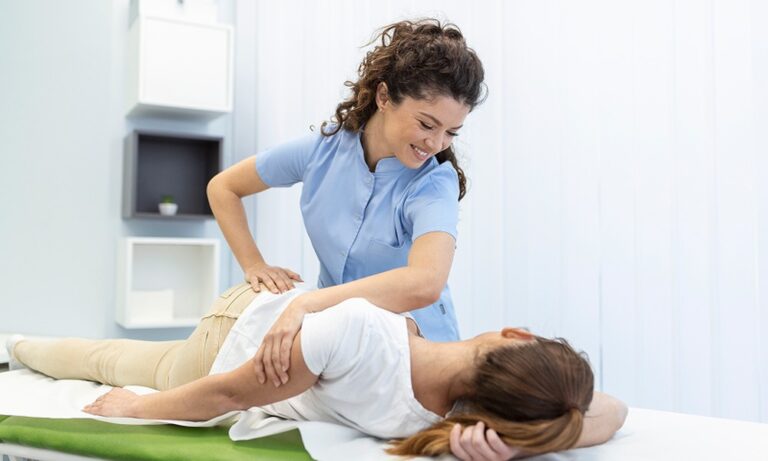
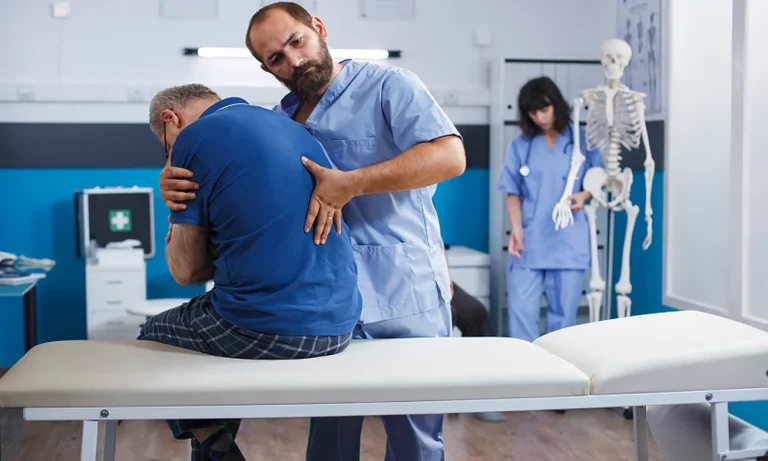
Recovery is a structured process that goes beyond the initial treatment phase. Whether you undergo surgery or follow a non-surgical plan, your rehabilitation is guided by experienced professionals who monitor your progress closely. During physiotherapy, you will engage in specific exercises designed to support your neck or back, correct your posture, and build the muscular endurance needed to protect your spine from future strain.
This phase is not just about healing; it is about education. We help you understand how to move safely, how to set up an ergonomic workspace, and how to maintain the strength you have built. Consistency with these post-treatment habits is essential for your long-term success. By committing to your prescribed exercises and lifestyle modifications, you significantly lower the risk of recurrence and foster a more resilient, healthy spine for the years ahead.
Taking the Next Step Toward Spinal Health
Navigating spinal conditions can feel overwhelming, but you do not have to manage it alone. Whether you are dealing with chronic discomfort or a new injury, finding the right support is essential for recovery. Our dedicated team is here to guide you through every stage of your care, from the initial consultation to your final rehabilitation milestone.
Reach out to us to schedule your consultation with Achieve Spine & Orthopaedic Centre and learn more about how we can help you regain your comfort and mobility.