
Key Takeaways
- Knee replacement surgery can reduce pain and improve movement for people with severe knee arthritis.
- Proper preparation before surgery often helps recovery feel smoother and less stressful.
- Rehabilitation and physiotherapy play a major role in regaining strength and mobility.
- Consulting an experienced knee specialist in Singapore helps patients receive personalised treatment and follow-up care.
Introduction
Persistent knee pain can wear people down in quiet ways. Climbing stairs becomes frustrating, morning walks feel shorter, and even getting out of a chair may suddenly seem like hard work. For many Singaporeans dealing with advanced arthritis or long-term joint damage, conservative treatments sometimes stop giving enough relief. That’s often when knee replacement surgery enters the conversation.
Still, the idea of surgery can feel overwhelming. Questions pop up quickly. How painful is recovery? How long before normal activities return? What happens before the operation even begins?
Understanding the full process helps ease uncertainty. With guidance from an experienced knee specialist in Singapore, patients can prepare more confidently and recover with clearer expectations. Clinics such as the brand’s Specialist Orthopaedic Centre focus on personalised orthopaedic care, helping patients move from chronic discomfort towards better mobility and quality of life.
What Happens Before Knee Replacement Surgery?
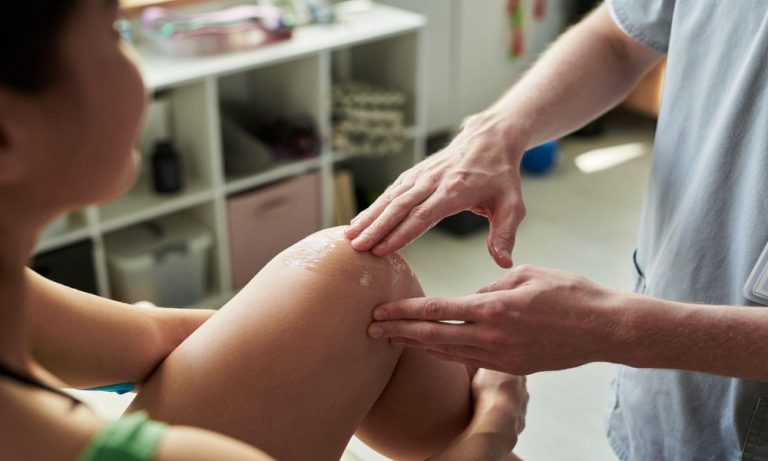
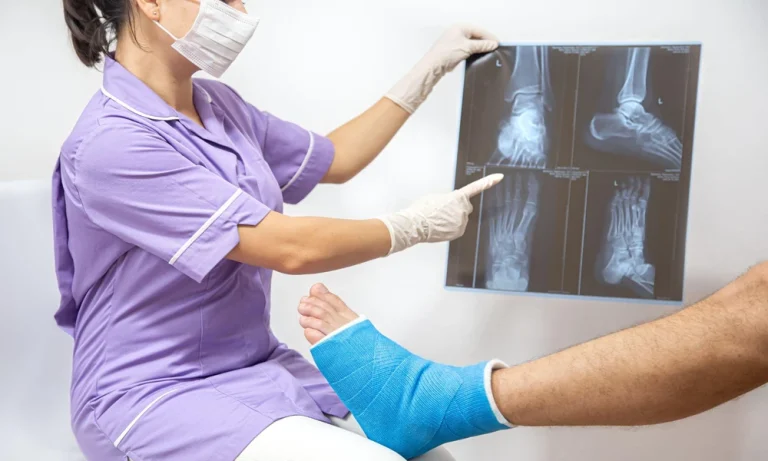
Before scheduling surgery, the orthopaedic surgeon usually performs a detailed assessment. This often includes physical examinations, medical history reviews, and imaging tests such as X-rays or MRI scans. The goal is straightforward – to confirm whether the knee joint damage has reached the stage where surgery is the most suitable solution.
Patients considering knee replacement surgery in Singapore are commonly dealing with osteoarthritis, rheumatoid arthritis, sports injuries, or significant wear and tear linked to ageing. Some people try injections, medications, braces, or physiotherapy first. And honestly, that’s often encouraged before surgery becomes necessary.
Preparation also involves practical planning. Blood tests and cardiac checks may be arranged before the operation. Patients are usually advised to strengthen the leg muscles through light exercises because stronger muscles tend to support recovery afterwards. It’s a bit like preparing the foundation before renovating a house. The groundwork matters.
At the Specialist Orthopaedic Centre, treatment plans are tailored around each patient’s condition, lifestyle, and mobility goals. That personalised approach matters more than many people realise, especially for older adults who may have other health concerns alongside knee pain.
The Surgery Itself And The Early Recovery Days
Total knee replacement surgery involves removing damaged cartilage and worn joint surfaces before replacing them with artificial components designed to restore smoother movement. Modern surgical methods have become far more refined over the years, which often means better precision and shorter hospital stays.
The operation generally takes a few hours. Afterwards, patients are monitored closely while pain management and early rehabilitation begin. Surprisingly, walking often starts sooner than expected – sometimes within a day, using support aids. It may sound intimidating, but gentle movement helps reduce stiffness and improve circulation.
Recovery does come with ups and downs. Some swelling, soreness, and fatigue are perfectly normal during the early phase. Small milestones matter here. Standing comfortably, bending the knee further, or walking a slightly longer distance can feel like major wins.
An experienced knee specialist in Singapore will usually coordinate closely with physiotherapists during this stage. Recovery is rarely about the surgery alone. Rehabilitation becomes the real engine driving long-term improvement.
Life After Surgery: Getting Back To Movement
Recovery timelines vary from person to person, though many patients gradually return to daily activities within several weeks. Full recovery may take several months, particularly for those rebuilding strength after years of limited movement.
Physiotherapy remains essential after knee replacement surgery in Singapore. Exercises help improve flexibility, muscle control, and walking balance. Some patients describe the process as repetitive, and it can be. Yet consistency often produces the best results.
Daily habits matter too. Maintaining a healthy weight reduces stress on the artificial joint, while low-impact activities such as swimming or cycling may help maintain mobility without excessive strain. High-impact sports are usually discouraged, especially during the earlier recovery stages.
Emotionally, there can also be a shift. Many patients realise how much chronic knee pain has quietly limited their independence. Being able to walk through the neighbourhood, shop comfortably, or simply stand longer during family gatherings often feels deeply rewarding.
That’s why choosing the right orthopaedic team matters. Clinics offering comprehensive care, from diagnosis through rehabilitation, can make the entire process feel more manageable and reassuring.
Conclusion
Knee replacement surgery can significantly improve comfort, mobility, and daily function for people living with severe knee joint problems. While recovery takes patience and commitment, understanding each stage beforehand often reduces anxiety and helps patients feel more prepared.
From pre-surgery assessments to rehabilitation support, working with a trusted knee specialist in Singapore allows patients to receive care tailored to their specific condition and lifestyle goals. With proper guidance, many individuals regain confidence in movement and return to activities they once avoided because of pain.
To learn more about personalised treatment and orthopaedic care, contact the Specialist Orthopaedic Centre.