Category

Health

Category

Following an intense workout, your muscles undergo significant stress, resulting in microscopic tears and depletion of energy stores. The body initiates a repair process to rebuild and strengthen these muscle fibers. This repair and growth phase is crucial for enhancing athletic performance and achieving fitness goals. Protein, composed of amino acids, serves as the building block for muscle tissue. During and after exercise, muscle protein breakdown occurs, and it’s essential to replenish these lost proteins to facilitate effective recovery and muscle growth.

Protein Supplements: A Convenient Solution

While a balanced diet should be the primary source of protein, protein supplements can provide a convenient and efficient way to meet your post-workout protein needs, especially when time is limited or when it’s challenging to consume sufficient protein through whole foods alone. Whey protein, derived from milk, is a popular choice due to its rapid absorption rate and high concentration of essential amino acids, including leucine, which plays a key role in muscle protein synthesis. Casein protein, also derived from milk, digests more slowly, providing a sustained release of amino acids, making it a good option for nighttime recovery. Plant-based options like soy, pea, and brown rice protein are also available for individuals with dietary restrictions or preferences.

The Role of Amino Acids

Amino acids, the foundational units of protein, are indispensable for effective muscle recovery. Among these, branched-chain amino acids (BCAAs)—leucine, isoleucine, and valine—stand out due to their unique metabolic pathway directly within muscle tissue, where they actively fuel protein synthesis, the process of building new muscle. Leucine, in particular, serves as a crucial catalyst, essentially flipping the switch to initiate muscle growth and repair. Supplementation with protein sources rich in BCAAs ensures a readily available supply of these essential components, empowering your muscles to efficiently repair and rebuild after strenuous activity. This, in turn, can lead to improved muscle strength, reduced soreness, and enhanced overall athletic performance. Prioritizing BCAA intake is therefore a strategic approach for optimizing muscle recovery and maximizing gains.

Optimizing Protein Intake Timing

The timing of protein intake after a workout can influence the effectiveness of muscle recovery. There’s a period following exercise when muscles are especially receptive to nutrients, known as the “anabolic window.” Consuming a protein supplement within 30-60 minutes after your workout can maximize muscle protein synthesis and enhance recovery. However, it’s important to note that the anabolic window is not a strict timeframe, and consistent protein intake throughout the day is equally important for overall muscle growth and repair.

Choosing the Right Supplement and Dosage

Selecting the appropriate protein supplement and dosage is crucial to optimize your post-workout recovery. Consider your individual protein needs, activity level, and dietary preferences. A general guideline is to consume 0.8-1.0 grams of protein per pound of body weight per day for active individuals. Consult with a registered dietitian or sports nutritionist to determine the most suitable protein supplement and dosage for your specific needs. Pay attention to the ingredient list and choose high-quality products from reputable brands that have been tested for purity and potency.

Orthopedic services are medical treatments that focus on bones, joints, muscles, and ligaments. These parts of the body help us move and do everyday tasks. When they get hurt or weak, we may feel pain, have trouble walking, or not be able to do normal activities.

That’s when orthopedic care becomes very important. These services help people live better and move without pain. In this article, we will look at five practical benefits of orthopedic services and how they can help improve our lives.

1. Pain Relief

One of the main reasons people go to orthopedic services is to get relief from pain. This pain can come from arthritis, injuries, or even simple wear and tear over time. Orthopedic doctors can find the root cause of the pain and give the right treatment.

Sometimes this includes physical therapy, medicines, or in some cases, surgery. Whatever the method, the goal is always to reduce pain and help people feel better in their daily lives.

2. Better Movement and Flexibility

When joints or muscles are stiff or painful, it becomes hard to move freely. Orthopedic services can help bring back movement and flexibility. For example, someone with knee problems might have trouble bending or walking.

After getting the right care, such as exercises or treatment, they can move more easily. Good movement helps people stay active, which is important for overall health.

3. Faster Recovery After Injury

Injuries can happen to anyone—athletes, workers, or even older adults. Whether it’s a broken bone, a torn muscle, or a joint sprain, orthopedic care helps the body heal properly. Doctors give special treatment plans that fit the injury and the person’s needs.

This can include braces, therapy, or surgery. The goal is to heal the injury and avoid future problems. With the right care, people can return to their normal activities faster and safer.

4. Improved Quality of Life

Living with constant pain or not being able to move easily can affect every part of life. It can stop people from working, playing, or even sleeping well. Orthopedic services focus on helping people feel better physically, which also helps them feel better emotionally.

When someone can walk without pain or do daily tasks again, their life becomes more enjoyable. This improved quality of life is one of the biggest benefits of orthopedic care.

5. Support for Long-Term Conditions

Some people live with long-term conditions like arthritis or back problems. These conditions don’t go away quickly, but orthopedic doctors can help manage them. They give advice on how to reduce pain, protect the joints, and stay active.

Regular check-ups and treatment plans help people with long-term issues live a more comfortable life. This support makes a big difference over time.

Conclusion

Orthopedic services offer many practical benefits that help people live healthier, more active lives. From relieving pain to improving movement and helping with injuries, orthopedic care can make a big change in someone’s life. It also gives long-term support for those who need it.

Whether young or old, anyone with bone or joint problems can benefit from seeing an orthopedic specialist. Taking care of our body’s movement system is an important step toward a better and more comfortable life.

Governments often maintain strong institutional knowledge but may lack specialized expertise for emerging challenges or transformational initiatives. Advisory services bridge these capability gaps through teams with diverse experience across jurisdictions and sectors. This external perspective provides several distinct advantages:

  • Access to specialized technical skills that would be inefficient to maintain permanently
  • Cross-sectoral insights from advisors who work across public, private, and nonprofit domains
  • International perspectives that identify innovative approaches from global best practices
  • Independent viewpoints that can challenge entrenched institutional thinking
  • Flexible capacity that can be deployed rapidly as priorities shift

Rather than replacing internal capacity, effective advisory relationships complement public service expertise with specialized knowledge that enhances government capabilities during critical initiatives.

Evidence-based decision support

Quality advisory services strengthen governance through rigorous analytical approaches that enhance decision-making processes. These methodologies help governments move beyond intuition-based decisions toward evidence-driven approaches that improve outcomes and build public trust. Key analytical contributions include:

  • Comprehensive situation analysis incorporating quantitative and qualitative methodologies
  • Scenario planning that anticipates policy outcomes across different variables
  • Benchmarking against comparable jurisdictions to establish realistic performance targets
  • Impact assessments that evaluate potential consequences across diverse stakeholder groups
  • Cost-benefit analyses that enhance resource allocation decisions

These frameworks provide decision-makers with structured approaches to complex problems while creating transparent documentation of how conclusions were reached, which is essential for accountability in democratic systems.

Facilitating institutional learning

Advisory partnerships create structured knowledge transfer that builds lasting institutional capacity. Beyond delivering specific recommendations, effective advisors design collaborative processes that embed new capabilities within government operations. This knowledge transfer typically occurs through:

  • Joint working teams that pair advisors with public servants throughout projects
  • Capability-building workshops that develop specific technical skills
  • Documentation of methodologies that enable future application
  • Mentoring relationships that accelerate professional development
  • Communities of practice that sustain learning beyond formal engagements

The most valuable advisory relationships prioritize this capability development alongside immediate deliverables, creating a sustainable impact that persists after the formal engagement concludes.

Managing complex stakeholders

Major policy initiatives require navigating diverse stakeholder interests across public, private, and civil society sectors. Advisory services contribute valuable capabilities in stakeholder engagement and consensus-building through:

  • Structured stakeholder mapping and analysis techniques
  • Design and facilitation of multi-stakeholder dialogues
  • Independent mediation between competing interests
  • Public awareness and support communication strategies
  • Implementation roadmaps that maintain momentum across political cycles

This facilitation role helps governments develop more inclusive policies while building the coalitions necessary for successful implementation across complex stakeholder landscapes.

Implementation support

The role of advisory services often bridges the gap between policy formulation and implementation. This implementation support includes:

  • Detailed operational planning that translates high-level strategy into actionable steps
  • Change management methodologies that address resistance and build organizational adoption
  • Project management disciplines that maintain momentum and accountability
  • Risk identification and mitigation strategies
  • Performance measurement frameworks that track progress and enable course corrections

These implementation capabilities help governments overcome the execution challenges that frequently undermine otherwise sound policy initiatives.

Advisors frequently introduce innovative approaches that help governments adopt emerging technologies and service models. This innovation acceleration includes identifying appropriate digital solutions, designing user-centred services, and establishing governance frameworks for new technologies. Successfully managing Artificial Intelligence government initiatives involves establishing governance frameworks that promote accountability and efficiency.

Genital cosmetic surgeries, a growing field within the realm of aesthetic procedures, cater to individuals seeking to enhance their genital appearance or address functional concerns. As discussions around body positivity and self-confidence continue, these procedures offer a personalized approach to self-improvement. In this article, we will delve into the world of genital cosmetic surgeries, examining the different types and shedding light on the unique offerings available, including those in the cosmopolitan city of Dubai.

Types of Genital Cosmetic Surgeries:

  1. Labiaplasty: Labiaplasty involves the reshaping or reduction of the labia minora, addressing concerns related to asymmetry, discomfort, or aesthetic preferences. This procedure is increasingly sought after by individuals seeking to enhance genital aesthetics.
  2. Vaginoplasty: Vaginoplasty is a surgical procedure aimed at tightening the vaginal muscles, often recommended for women who have experienced childbirth or those looking to enhance sexual satisfaction.

Factors Influencing Genital Cosmetic Surgery Prices:

Genital Cosmetic Surgeries
  1. Geographical Location: The location where the surgery takes place plays a significant role in determining genital cosmetic surgery costs. Urban centers with a high cost of living, such as Dubai, may have slightly elevated surgical fees.
  2. Type of Genital Cosmetic Surgery: The complexity and extent of the genital cosmetic surgery directly influence the overall cost. Procedures addressing multiple concerns may come with higher expenses compared to targeted surgeries.
  3. Surgeon’s Expertise: The experience and reputation of the plastic surgeon in Dubai conducting the genital cosmetic surgery are key factors influencing the cost. Highly skilled and renowned surgeons often command higher fees for their expertise.
  4. Facility Standards: The choice of the surgical facility can impact the overall cost. State-of-the-art clinics with advanced technology and luxurious amenities may have higher fees compared to standard facilities.

Genital Cosmetic Surgery in Dubai, UAE:

Dubai, known for its world-class healthcare facilities and commitment to aesthetic excellence, has become a hub for cosmetic surgeries, including genital procedures. The city boasts a cadre of highly skilled plastic surgeons and state-of-the-art medical centers.

For those interested in exploring genital surgery in Dubai, UAE, it is recommended to consult with reputable plastic surgeons and inquire about the specific details of the desired procedure.

The decision to undergo genital cosmetic surgery is highly personal, and understanding the factors influencing the cost is crucial for those considering these transformative procedures. In Dubai, where luxury and medical excellence intersect, the cost of genital cosmetic surgery reflects the high standards of care and expertise available in the city.

For individuals contemplating genital surgery in Dubai, consulting with experienced surgeons and researching the specific pricing structure is imperative. Ultimately, the decision to undergo genital cosmetic surgery should prioritize safety, the reputation of the surgeon, and the overall quality of care, ensuring a satisfying and successful outcome.

Acoustic wave therapy presents a medical advancement targeting erectile dysfunction through non-invasive methods. This therapeutic approach delivers targeted energy waves that stimulate tissue repair and generate new blood vessels. The procedure works by applying controlled pressure waves to specific areas, promoting natural healing responses within the body. Each session takes approximately 15-20 minutes, making it practical for most schedules.

Tracking progress through treatment phases

Males receiving shockwave therapy typically notice gradual improvements as their bodies respond to the treatment. The initial phase focuses on preparing tissue for regeneration through targeted acoustic waves. Following sessions build upon previous progress, strengthening the healing response and tissue restoration. Patients at Shockwave for ED Lawrenceville report noticeable changes in erectile function within several weeks of starting treatment.

Measuring blood flow improvements

Medical studies demonstrate measurable increases in penile blood flow following acoustic wave sessions. A new blood vessel’s growth leads to better circulation throughout the treated areas. Regular assessments track these improvements through specialized imaging and blood flow measurements. This objective data supports the physical changes patients experience during their treatment course.

Treatment consistency matters

Adherence to recommended treatment schedules maximizes therapeutic benefits. The body needs time between sessions to complete its natural healing processes. Shockwave for ED Lawrenceville creates individualized treatment plans based on each patient’s specific needs. Regular monitoring ensures optimal timing between sessions for maximum effectiveness.

Protocol adjustments for optimal results

Treatment protocols adapt based on individual response and progress monitoring. A variety of factors are considered by healthcare providers when determining the most effective approach:

  • Current erectile function levels and desired outcomes
  • Overall cardiovascular health status
  • Previous treatments and their results
  • Specific tissue response to acoustic waves

Post-treatment expectations

After completing the initial treatment series, males often experience sustained improvements. The regenerative processes initiated by the therapy continue working for several months. Regular follow-up assessments track ongoing progress and determine if maintenance sessions benefit individual cases. The strengthened vascular system supports better erectile function during this period.

Supporting tissue health

Proper tissue health plays an essential part in maintaining treatment results. Good cardiovascular health supports ongoing improvements in erectile function. Regular exercise and proper nutrition help optimize blood flow throughout the body. These lifestyle factors work together with acoustic wave therapy to support erectile health.

Advantages of natural healing

The body’s natural healing mechanisms drive improvements in erectile function. This biological approach avoids introducing artificial substances or invasive procedures. Males appreciate this natural path to better erectile health, which works with their body’s healing abilities. The progressive improvements reflect genuine tissue repair and regeneration.

Sustained erectile improvements

The changes in erectile function represent actual tissue healing and repair. As blood vessels strengthen and multiply, erectile capacity improves naturally. Research on Shockwave for ED Lawrenceville shows significant improvement in sexual health, providing patients with long-lasting results.These positive changes stem from genuine physiological improvements in penile tissue health.

Regular assessments help track improvements in erectile function over time. Healthcare providers use standardized measures to document progress objectively. These evaluations guide any needed adjustments to maintenance protocols. The data collected helps optimize individual treatment approaches for each male.

Did you know millions in the U.S. deal with open pores? It affects their confidence and skin health. Luckily, natural remedies and home treatments can help. With the right skincare and natural treatments, you can get healthier, more refined skin. This article will show you 12 natural ways to reduce open pores and improve your skin.

Natural remedies and home treatments are great for open pores. Adding these to your skincare routine can make your skin look better. We’ve got a full guide on natural treatments for open pores to help you.

Key Takeaways

  • You can reduce the appearance of open pores with natural remedies and home treatments.
  • Regular skincare routines, including cleansing and moisturizing, can help minimize the appearance of open pores.
  • Natural remedies, such as exfoliating and using non-comedogenic products, can help reduce the appearance of open pores.
  • Home treatments, including steam treatments and clay masks, can help draw out impurities and reduce inflammation.
  • Wearing sunscreen daily can prevent collagen damage from UV light exposure, which can stretch pores.
  • Staying hydrated, eating a balanced diet, and regular exercise can help maintain healthy skin and potentially reduce acne.

Understanding Open Pores: What They Are and Why They Appear

Open pores are small holes on the skin, often on the face. They can happen to anyone, making the skin look dull if they get clogged. Dirt, bacteria, oil, and dead skin cells can block them.

Knowing why pores get big is key in facial care. Big pores can be caused by too much oil, less skin elasticity, and genetics. Age and sun damage also play a part. To make pores smaller, we need to tackle these reasons.

The Science Behind Pore Size

The skin has millions of pores, but most are tiny. The face, like the nose and cheeks, has more visible pores.

Common Causes of Enlarged Pores

Oily skin makes pores more noticeable, mainly in the T-zone. Your genes can also influence pore size. Sun damage, pollution, and skin damage can make pores bigger too. A good skincare routine and the right products can help.

Risk Factors to Consider

Not cleaning and exfoliating well can make pores worse. UV rays harm collagen and elastin, making skin lose firmness. Knowing these risks helps us start improving our skincare and making pores smaller.

Home Remedies

The Impact of Open Pores on Your Skin Health

Open pores can cause problems like acne, blackheads, and dull skin. Natural remedies and home treatments can help. A study with 2,585 women from different ethnic groups showed the need for good skincare.

A good skincare routine with natural remedies like salicylic acid and niacinamide can improve your skin. These ingredients help reduce pores and make your skin look better. Here’s what they do:

  • Salicylic Acid: unclogs pores and fights inflammation
  • Niacinamide: makes skin more elastic and lowers oil production

Using home treatments and natural remedies can help avoid skin problems. Always talk to a dermatologist for advice on your skin.

It’s also key to live a healthy lifestyle. Eat well and exercise to keep your skin healthy.

IngredientBenefits
Salicylic AcidUnclogs pores, reduces inflammation
NiacinamideImproves skin elasticity, reduces sebum excretion rate

Essential Natural Treatment for Open Pores: Your Complete Guide

Reducing open pores can be done with natural treatments. Home remedies like aloe vera, apple cider vinegar, and egg white masks help. They make pores smaller and skin look better.

Start with natural treatments by learning the methods. Home treatments include:

  • Using clay masks to absorb excess sebum and reduce pore size
  • Applying ice cubes to tighten the skin and shrink pores
  • Exfoliating with gram flour or oats to remove dead skin cells and improve skin texture

Remember, a good skincare routine is key. Be patient with natural treatments. With regular use, you’ll see better skin and smaller pores.

Adding natural treatments to your daily routine is a great start. Be kind to your skin. Harsh products can irritate it and make pores look bigger.

TreatmentBenefits
Clay masksAbsorb excess sebum, reduce pore size
Ice cubesTighten skin, shrink pores
Exfoliating with gram flour or oatsRemove dead skin cells, improve skin texture

Kitchen Ingredients That Work Wonders for Open Pores

Your kitchen is full of natural remedies for open pores. Natural remedies like lemon juice, honey, and oatmeal can help. They are great for making home treatments for open pores.

Some top kitchen ingredients for open pores are:

  • Lemon juice, which tightens pores and makes them less visible
  • Honey, a natural humectant that keeps skin moist without oiliness
  • Oatmeal, used as an exfoliant to remove dead skin and reduce pores

These ingredients can make various home treatments that are simple and effective. Adding these natural remedies to your skincare routine can help. You’ll get healthier, more refined skin.

Always test new ingredients on a small skin area before using them on your face. Be patient and consistent with your skincare routine. With the right natural remedies and home treatments, you can get the glowing skin you want.

IngredientBenefits
Lemon juiceTightens pores, reduces appearance
HoneyNatural humectant, keeps skin moist
OatmealExfoliant, removes dead skin cells

Herbal Solutions for Minimizing Pore Size

Minimizing pore size is a big deal in skincare. Herbal solutions are a natural way to do this. Herbs like aloe vera, tea tree oil, and chamomile help with pore minimization and facial care.

Traditional Herbs and Their Benefits

Aloe vera and chamomile soothe and heal. They help make pores smaller over time. Tea tree oil fights bacteria and reduces swelling in pores.

Creating Herbal Face Masks

To make an herbal face mask, mix aloe vera gel, green tea, and lavender oil. Put it on your face for 10-15 minutes. Then, rinse with warm water.

Application Techniques

When using a face mask, use gentle strokes upwards. This helps avoid clogging pores. A gentle scrub can also help the mask work better.

Some top herbal remedies for skincare and pore minimization are:

  • Aloe vera gel
  • Tea tree oil
  • Chamomile tea
  • Lavender oil
  • Green tea

You can use these herbs alone or together for a natural facial care routine.

The Power of Essential Oils in Pore Treatment

Essential oils are a popular natural remedy for skin issues like open pores. They can be used at home to shrink large pores and boost skin health. Tea tree oil, lavender oil, and geranium oil are the most effective.

These oils help balance oil production, reduce inflammation, and fight acne. Tea tree oil fights bacteria in pores and stops breakouts. Geranium oil calms the skin with its anti-inflammatory properties.

To use essential oils in your skincare, try facial steam or add them to moisturizer. You can also mix them into face masks or scrubs. Here are some blends for pore treatment:

  • Tea tree oil and lavender oil for their antibacterial and anti-inflammatory properties
  • Geranium oil and rosehip oil for their balancing and regenerative effects
  • Lemon essential oil and frankincense essential oil for their astringent and anti-aging properties

Always mix essential oils with a carrier oil and test them first. Essential oils can be a strong natural remedy for open pores. They’re a great choice for your home treatments.

Daily Skincare Routine to Combat Open Pores

To get healthier, more radiant skin, you need a daily skincare routine. It should focus on making pores smaller and caring for your face. A good routine can make your skin look smoother and more even.

Start your day by washing your face with a gentle cleanser. Then, apply a moisturizer that fits your skin type. This keeps your skin balanced and ready for the day. At night, remove makeup and wash your face again. Use a cleanser that helps with pore minimization, like the L’Oréal Paris Pure-Clay Exfoliate & Refine Cleanser.

Morning Routine Steps

  • Wash your face with a gentle cleanser.
  • Apply a moisturizer that suits your skin type.
  • Apply a sunscreen with an SPF of at least 30 to prevent sun damage.

Evening Routine Steps

  • Remove your makeup.
  • Wash your face with a cleanser that targets pore minimization.
  • Apply a night serum, such as the L’Oréal Paris RevitaLift Night Serum, to help reduce the appearance of pores.

By sticking to a daily skincare routine and using products that care for your face and pores, you can get healthier, more radiant skin. This will help reduce the look of open pores.

Lifestyle Changes That Help Reduce Pore Size

Starting a healthy lifestyle is key to smaller pores. It involves using natural remedies and home treatments. A balanced diet, exercise, and enough sleep are important for skin health.

Eating fruits, veggies, and whole grains is good for your skin. It makes pores look smaller. Drinking lots of water helps your skin stay elastic and clear.

Exercise is also important. It boosts blood flow and lowers stress. This helps shrink pores. Some natural remedies include ice, apple cider vinegar, and egg white masks.

Here are some lifestyle changes for smaller pores:

  • Get enough sleep for skin health.
  • Drink lots of water to keep skin hydrated.
  • Exercise to improve blood flow and reduce stress.
  • Try home treatments like face masks and scrubs.

By making these changes and using natural remedies, you can make your skin look better. Always choose home treatments that fit your skin type. If you’re worried, talk to a dermatologist.

Common Mistakes to Avoid When Treating Open Pores

When treating open pores, knowing common mistakes is key. These mistakes can slow down your progress. One big error is using harsh products that take away your skin’s natural oils. This can make your pores bigger and more irritated.

It’s also important to not over-exfoliate. This can harm your skin and make pores look bigger. A good facial care routine includes exfoliating, cleaning, and moisturizing. This helps to shrink pores and improve your skin’s health. Remember, pore minimization takes time and patience.

Some common mistakes to avoid include:

  • Using products that are too rich or heavy for your skin type
  • Neglecting to wear sunscreen, which can lead to sun damage and enlarged pores
  • Over-washing your face, which can strip your skin of its natural oils

By avoiding these mistakes and being gentle with your skincare routine, you can get healthier pores. Always focus on facial care and pore minimization that fits your skin type and needs.

When to Seek Professional Help

When you try natural remedies and home treatments for open pores, it’s key to know when to get help from a pro. If your pores don’t get better or even get worse, it’s time to see a dermatologist or skincare expert.

A pro can find out why your pores are open and suggest treatments just for you. They might recommend clay masks, retinoids, or alpha hydroxy acids to shrink your pores. They might also suggest fractional laser treatments or microneedling for more serious cases.

Some signs you might need a pro include:

  • Pores that don’t get better or get worse even with natural and home treatments
  • Pores that are big or very noticeable and make you feel bad about yourself
  • Other skin issues like acne, dark spots, or fine lines and wrinkles

Getting help from a pro is about taking care of yourself and wanting healthy, glowing skin. Using natural remedies and home treatments with expert advice can give you the best skin results.

Conclusion: Your Journey to Healthier, Refined Pores

Starting your journey to tackle open pores takes patience and consistency. Homemade remedies for open pores suggested in this article are gentle yet effective. They help refine your skin’s look.

Remember, your skin is unique. What works for others might not work for you. Be open to trying different treatments to find what works best for you.

If home remedies don’t solve your pore problems, see a dermatologist. They can give you personalized advice and advanced treatments for your skin.

Your skin is worth the best care. With the right approach, you can get the smooth, flawless skin you dream of. Start this journey and let your natural beauty shine.

FAQ

What are open pores and what causes them?

Open pores are big hair follicles on your skin. They can be caused by genetics, sun, oily skin, and bad skincare.

How do open pores impact my skin health?

Open pores can cause acne, blackheads, and a dull look. Good skincare and natural remedies can help. They make your skin look better.

What are some effective natural treatments for open pores?

Natural treatments include kitchen stuff, herbs, and essential oils. They can make your pores smaller and skin healthier.

What is the best daily skincare routine for combating open pores?

A good daily routine has steps for morning and night. It also includes a weekly treatment. This routine can make your pores smaller and skin brighter.

How can lifestyle changes help reduce pore size?

Eating well, exercising, and sleeping enough can help. These changes can make your skin look better.

What common mistakes should I avoid when treating open pores?

Don’t use bad DIY treatments, mix wrong products, or over-treat. Avoiding these mistakes can help your treatment work better.

When should I seek professional help for open pores?

See a dermatologist if home treatments don’t work or if you have ongoing skin issues. They can give you advice and more treatment options.

For a variety of content focused on natural and herbal remedies for various healthcare concerns, please visit: Pure Remedy Solutions

Tags: open pores treatment home remedy, homemade remedies for open pores, Pure Remedy Solutions, natural treatment for open pores

The demanding healthcare landscape creates unique challenges for physician associates juggling professional responsibilities and personal lives. Their role in delivering patient care while managing administrative duties requires careful attention to maintaining equilibrium. Creating work life balance for physician associates becomes essential for sustained career satisfaction and well-being.

Balancing clinical and administrative duties

Physician associates face intense time pressures managing patient consultations, documentation, and continuing education requirements. Strategic scheduling and delegation help optimize clinical hours while ensuring quality care delivery. Setting clear boundaries between work and personal time prevents burnout.

Managing stress and emotional demands

The emotional intensity of patient care takes a significant toll. Regular mindfulness practices, therapy sessions, and support groups provide vital outlets for processing challenging cases. Creating designated recovery periods helps maintain emotional resilience.

Nurturing relationships

Nurturing relationships amid unpredictable schedules

Rotating shifts and on-call duties strain family connections. Proactive communication about schedule changes and protecting dedicated family time strengthens relationships. Finding creative ways to stay connected during busy periods maintains vital support systems.

Prioritizing self-care routines

Long hours and irregular meals impact physical well-being. Establishing consistent exercise routines, meal planning, and sleep schedules supports sustained energy. Regular health screenings ensure early intervention for stress-related conditions.

Creating sustainable workload limits

Clear communication about availability and capacity prevents overextension. Learning to decline additional commitments protects essential personal time. Regular workload reviews help identify areas needing adjustment.

Managing educational demands

Continuing education requirements add complexity to time management. Strategic selection of relevant learning opportunities maximizes professional growth while respecting personal boundaries. Online courses provide flexible alternatives to in-person training.

Reducing monetary stress

Strategic financial planning reduces anxiety about compensation and benefits. Understanding contract terms and negotiating fair compensation packages provides stability. Regular budget reviews help align spending with personal goals.

Streamlining workflows

Efficient use of electronic health records and digital tools reduces administrative burden. Regular assessment of technology needs identifies opportunities for workflow optimization. Setting boundaries around after-hours communications maintains work-life separation.

Mentorship relationships guide navigating career challenges. Regular peer support groups share strategies for maintaining balance. Professional associations offer resources for career development and well-being.

Implementing stress management techniques

Regular exercise, meditation, and hobby engagement reduce stress accumulation. Scheduled vacation time ensures adequate recovery periods. Developing healthy coping mechanisms prevents destructive stress responses.

Advocating for systemic changes

Open dialogue with administration about workload concerns drives positive change. Participation in policy development helps create sustainable working conditions. Regular feedback sessions identify areas needing improvement.

Creating career sustainability

Regular career assessments ensure alignment with personal goals. Professional development plans incorporate work-life balance considerations. Having a long-term career plan will prevent your career from stagnating while also keeping you fulfilled personally.

Creating sustainable practices requires on-going attention to personal and professional needs. Regular assessment of work patterns helps identify areas requiring adjustment. Implementing targeted strategies across multiple life domains supports long-term career satisfaction and personal well-being. Success in maintaining balance demands proactive engagement with both individual and systemic factors affecting physician associate workload. Sustained attention to these elements creates rewarding careers while preserving personal fulfilment.

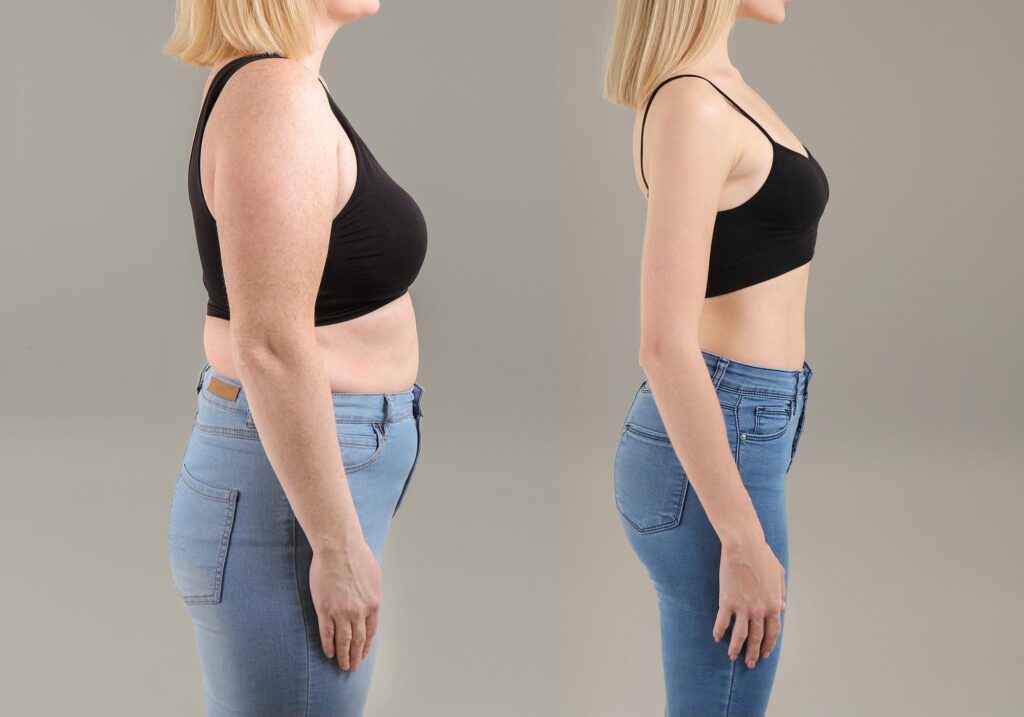
Body sculpting has surged in popularity in recent years, promising quick and effective ways to contour the body without invasive surgery. From non-invasive methods like CoolSculpting and laser lipolysis to more intensive options like liposuction or body contouring surgery, the appeal of achieving your dream body has attracted many. But what is the actual cost of body sculpting beyond just the price tag? When evaluating these procedures, let’s dive into the financial, physical, and psychological factors.

Financial Investment

How much is body sculpting? Body sculpting treatments come with a wide range of costs, mainly depending on the method chosen and the number of sessions required:

  1. Non-Invasive Options: Treatments like CoolSculpting or laser fat removal can cost between $600 and $2,000 per session. Since these methods typically require multiple sessions for noticeable results, the total cost can easily climb into the thousands.
  2. Surgical Procedures: Liposuction or tummy tucks often cost $3,000 to $10,000 or more, depending on their complexity and the surgeon’s expertise. Additional costs for anesthesia, post-operative care, and follow-up visits can further inflate the price.
  3. Maintenance: Even after the initial treatment, maintaining results may require periodic follow-ups or additional sessions, especially for non-invasive procedures where results fade over time.

Physical Costs: Risks and Recovery

Everybody sculpting method carries some level of physical cost:

  1. Non-Invasive Risks: While non-surgical treatments have minimal downtime, some patients report side effects like swelling, numbness, or uneven results. These side effects are generally temporary but can still disrupt daily life.
  2. Surgical Risks: Invasive procedures involve more significant risks, including infection, scarring, blood clots, or complications from anesthesia. Recovery times can last weeks or months, with discomfort and limited mobility in the interim.
  3. Realistic Expectations: Body sculpting does not replace a healthy lifestyle. For instance, fat can return if weight is regained, and procedures cannot address issues like loose skin from significant weight loss unless specifically designed.

Psychological Costs: Body Image and Self-Esteem

While many people report increased confidence after body sculpting, it’s not always a guaranteed boost to self-esteem:

  1. Unrealistic Expectations: Marketing around body sculpting can sometimes set unattainable standards. Patients who expect perfection may feel disappointed, even if the procedure is a technical success.
  2. Body Image Pressure: Body sculpting should be a personal decision rather than influenced by societal pressure. External factors like media representation or peer comparison can push individuals to undergo treatments they may later regret.
  3. Mental Health and Support: Consulting with a therapist or counselor before undergoing body sculpting can help ensure the decision is aligned with personal goals and not impulsive or emotionally driven.

Weighing Value Against Results

Ultimately, the value of body sculpting lies in its ability to align results with personal expectations. Those who experience the most satisfaction often:

  • Conduct thorough research on methods and providers.
  • Set realistic expectations about results and maintenance.
  • Balance the financial, physical, and psychological costs against their personal goals.

Is it worth it? That depends entirely on the individual, their goals, and their preparedness for the journey. While body sculpting can enhance confidence, it’s essential to approach it with a clear understanding of the associated costs, both tangible and intangible.

Conclusion

Body sculpting can boost confidence but comes with financial, physical, and psychological costs. Thorough research, realistic expectations, and a balanced perspective are key to ensuring satisfaction. Ultimately, its value depends on aligning personal goals with achievable results, making it a profoundly individual decision that should be approached thoughtfully.

Breast reduction surgery, also known as reduction mammoplasty, is a procedure that involves removing excess breast tissue, fat, and skin to achieve a breast size that is more proportionate to the body. For many women, this surgery is not just a cosmetic enhancement but also a solution to physical discomfort, emotional distress, and self-esteem issues caused by excessively large breasts. In Kuwait, where access to modern medical care and advanced surgical procedures is prevalent, breast reduction surgery is becoming increasingly popular for women seeking relief and aesthetic improvement.

Why Do People Consider Breast Reduction?

Women with large breasts often face a variety of physical and emotional challenges. These include chronic back, neck, and shoulder pain, skin irritation beneath the breasts, difficulty in finding properly fitting clothing, and limitations in physical activities. Psychologically, large breasts can lead to low self-esteem and body image concerns, especially in cultures where physical appearance plays a significant role in social perception.

Breast reduction surgery can provide significant relief from these issues. In addition to alleviating pain and discomfort, it helps improve body proportions, leading to enhanced physical appearance and improved quality of life. The decision to undergo breast reduction is often a personal one, driven by both medical and aesthetic reasons.

The Procedure

In Kuwait, as in most parts of the world, breast reduction is performed under general anesthesia. The surgeon makes incisions on the breasts, typically around the areola (the dark area surrounding the nipple), and sometimes extending vertically or horizontally depending on the degree of reduction required. The excess tissue is then removed, and the remaining breast tissue is reshaped to create a more youthful, lifted appearance. Nipple repositioning is also part of the procedure, as large breasts can often cause the nipples to sag or point downward.

The surgery can take anywhere from two to five hours, depending on the complexity of the case. Afterward, patients are usually required to stay in the hospital for a day or two for observation. A compression garment is worn post-surgery to help reduce swelling and support the healing process.

Recovery and Results

Recovery from breast reduction surgery typically takes a few weeks. During the initial stages, patients may experience swelling, bruising, and some discomfort, which can be managed with prescribed pain medications. Most women can return to work and light activities within 1-2 weeks, though strenuous activities and heavy lifting should be avoided for at least six weeks.

Over time, the swelling subsides, and the final results become visible. The breasts look more youthful and proportionate to the body, and the physical symptoms caused by oversized breasts are often significantly alleviated. Scarring is inevitable but typically fades and becomes less noticeable as time passes. Surgeons in Kuwait use advanced techniques to minimize scarring and ensure that it is as discreet as possible.

Breast Reduction in Kuwait: Choosing the Right Surgeon

Kuwait is home to some of the best plastic surgeons in the Middle East, many of whom have received international training and certification. When considering breast reduction surgery, it is crucial to choose a qualified and experienced surgeon who specializes in breast procedures. Patients should look for surgeons who are members of reputable medical organizations and have a track record of successful breast reduction surgeries.

Consultations with the surgeon typically involve discussions about the desired outcome, medical history, and an evaluation of the patient’s health. The surgeon will also explain the potential risks, benefits, and recovery process. It’s important for patients to have realistic expectations and to understand that while breast reduction surgery can significantly improve physical and emotional well-being, it is not a cure-all solution.

Breast reduction surgery in Kuwait offers women a chance to improve their quality of life by addressing both physical discomfort and aesthetic concerns. With skilled surgeons and state-of-the-art medical facilities, women in Kuwait can benefit from this life-changing procedure in a safe and effective manner. If you’re considering breast reduction, it’s important to do thorough research, consult with trusted professionals, and make an informed decision based on your needs and goals.

Introduction:

Do you have interstitial cystitis and want to get it treated by a doctor sooner? What more are you waiting for, then? Go for the Chronic Cystitis Treatment from an expert doctor, but also read the blog carefully. Here, we are mentioning everything about chronic cystitis.

What Is Chronic Cystitis?

Typically, chronic cystitis is also referred to as interstitial cystitis, which originates in the bladder. It causes painful pressure and a sensation of burning in the pelvic region. The need for frequent urination is also common with chronic cystitis. This specific health problem may affect women more than men. This is an inflammation in the bladder that lasts and is caused when bacteria enter the bladder or the urethra multiply.

The Common Symptoms of Chronic Cystitis:

There are some common symptoms related to chronic cystitis like;

  1. Pressure in the bladder.
  2. Urge to frequent urination.
  3. Burning pain in the urethra.
  4. Pain during sexual intercourse.
  5. Slight fever.
  6. Bloody or cloudy urine.

The Causes of Chronic Cystitis:

Still, there is not much evidence chronic cystitis causes, but some symptoms are there, such as;

  1. Sexual intercourse.
  2. Dehydration.
  3. Stress.
  4. Holding urine for longer.
  5. Having a menstrual cycle.
  6. The Diagnosis of Chronic Cystitis:
  7. Urine culture.
  8. Cystoscopy.

The Final Verdict:

The pain and discomfort in the bladder may be signs of chronic cystitis, so seek a doctor’s advice immediately. Ensure that you get a diagnosis, then take the next step for chronic cystitis treatment. However, there is no perfect cure for it, but doctors may still help with treatment to manage such chronic cystitis symptoms.