
Category

Dental Care

Category

Xerostomia also known as dry mouth is the condition in which your mouth does not make enough saliva to keep it wet. Although it might not seem like a major issue, xerostomia can have an extreme effect on your oral health and overall comfort says a dentist in Boynton Beach. This is why it is important to know where the associated causes, symptoms, and treatments for xerostomia are in Boynton Beach.

What Is Xerostomia?

Xerostomia is when the salivary glands fail to produce enough saliva to keep your mouth moist. Saliva is essential for maintaining oral health and neutralizing acids, digesting food, and well as used against tooth decay and gum diseases. Reduction in saliva production may result in various complications such as speech, eating, and swallowing difficulty.

Causes:

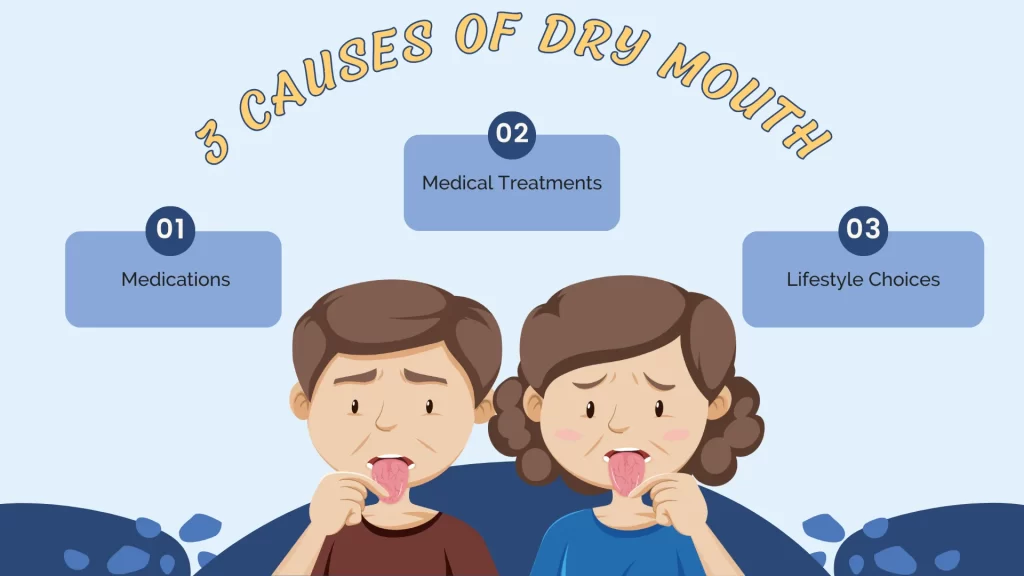
Xerostomia can be caused by some factors, and finding its cause is essential to treating it properly. Some common causes include:

1. Medications: Some prescription and over-the-counter medications can cause dry mouth. These can include antihistamines, decongestants, painkillers, and medications for high blood pressure or depression.

2. Aging: As people grow older, their salivary glands may naturally produce less saliva and a dry mouth is the outcome. Moreover, dry mouth is often a side effect of medication taken by the older population.

3. Illnesses or Diseases: Certain diseases — diabetes, Parkinson’s disease, and Sjogren’s syndrome can contribute to xerostomia. Radiation therapy for cancer, especially when aimed at the head and neck, can damage salivary glands as well.

4. Dehydration: A dry mouth can be triggered by dehydration when the body loses more fluids than it takes in through pressure or some other reasons such as exercise and high temperature.

5. Lifestyle: Practices like smoking or biting tobacco, and consuming excessive alcohol and air via the mouth can cause xerostomia.

A Big Impact on Oral Health from Xerostomia

That is a lot of potential impact on oral health! A dry mouth can put anyone at a higher risk of cavities, gum disease, and also oral infections coz there is not enough saliva to protect the teeth and gums. Saliva is also essential in rinsing out food particles and bacteria, so when you lack saliva flow chances of having bad breath and suffering from dental cavities increase.

Also, xerostomia can become a nuisance in your day-to-day. making it hard to enjoy food and speak properly; It can even translate to inconvenience and hatred in the mouth, making it harder for people to do everyday processes.

Treatment Strategies for Dry Mouth

Two key elements must be recognized while treating xerostomia — dealing with primary symptoms and tackling the root of the problem. Here are the common treatment options:

1. Water: Ensure you are well-hydrated. Make sure that you stay hydrated throughout the day as well by drinking water and avoiding alcohol or caffeine (both of which can also cause dehydration).

2. Over-the-counter saliva substitutes and oral rinses: These are designed to act like natural saliva and can help relieve dryness in the mouth as well as any discomfort it may cause.

3. Dietary Changes: Avoiding sugary or acidic foods, which can exacerbate tooth decay – a typical complication of xerostomia, can help. Chewing sugar-free gum or sucking on sugar-free candies can also assist in triggering the salivary glands to create saliva.

4. Addressing Underlying Conditions: If your xerostomia is caused by a certain disease or medication, your healthcare provider can recommend a different set of drugs to reduce the affliction or adjust your treatment strategy.

Xerostomia is far more than just an awkward sensation; it can have severe repercussions on your oral health. For Boynton Beach residents, being acquainted with symptoms, reasons, and treatment options for xerostomia is crucial for combating the disease. You may limit the health risks linked with xerostomia with good hydration, good oral hygiene, and expert dental treatment.

As primary caregivers and role models, parents play a vital role in shaping their child’s oral health habits and attitudes. By instilling good habits, monitoring dietary choices, and encouraging regular dental check-ups, parents can significantly impact their children’s oral health and set them up for a lifetime of healthy smiles. With their influence and guidance, parents can help their kids develop essential skills and routines that will benefit their overall health and well-being, making them crucial partners in improving oral health in kids.

Through this article, the dentist in Fresno explores the significant role parents play in improving oral health in kids, providing practical tips to ensure a healthy, happy smile for years to come.

Understanding the importance of oral health in kids 

Oral health is crucial for kids’ overall well-being, impacting their:

  • Self-esteem: A healthy smile boosts confidence and self-assurance.
  • Nutrition: Proper chewing and digestion ensure adequate nutrient absorption.
  • Communication: Clear speech and articulation rely on healthy teeth and gums.
  • Academic performance: Pain and discomfort can affect concentration and learning.
  • Social interactions: A healthy smile fosters positive social relationships.
  • Overall health: Research links oral health to systemic conditions like diabetes and heart disease.
  • Development: Proper oral health supports healthy growth and development.
  • Quality of life: Good oral health enhances overall comfort, happiness, and well-being.

Parental responsibilities in improving kid’s oral health 

Parental responsibilities in improving kids’ oral health include:

  • Supervising brushing and flossing: Ensuring proper technique and frequency.
  • Encouraging healthy habits: Promoting regular brushing, flossing, and dental check-ups.
  • Monitoring diet: Limiting sugary snacks and drinks, and encouraging a balanced diet.
  • Scheduling dental visits: Regular check-ups for preventive care and early detection.
  • Educating and motivating: Teaching oral health importance, encouraging good habits.
  • Leading by example: Demonstrating good oral hygiene habits themselves.
  • Making oral care fun: Using child-friendly products, making routines engaging.
  • Addressing concerns: Informing dentists of any oral health issues or concerns.
  • Providing necessary resources: Ensuring access to fluoride toothpaste, toothbrushes, and dental care.
  • Staying involved: Participating in oral health discussions, asking questions, and seeking guidance.

Exploring the negative consequences of poor oral health in kids

Poor oral health in kids can lead to:

  • Tooth decay: Pain, infection, and potentially, tooth loss.
  • Pain and discomfort: Affecting eating, speaking, and overall well-being.
  • Infections and abscesses: Potentially life-threatening if left untreated.
  • Malocclusion and orthodontic issues: Misaligned teeth, bite problems, and costly corrections.
  • Low self-esteem and confidence: Impacting social interactions, school performance, and emotional development.
  • Nutritional deficiencies: Difficulty chewing and digesting food, leading to malnutrition.
  • Speech difficulties: Articulation problems, affecting communication and social skills.
  • Systemic health issues: Links to diabetes, heart disease, and other systemic conditions.
  • Emergency visits and hospitalizations: Unnecessary costs, stress, and potential complications.
  • Long-term oral health problems: Increased risk of gum disease, tooth loss, and ongoing oral health issues.
  • Impact on academic performance: Pain, discomfort, and distraction affecting school attendance and grades.
  • Social and emotional consequences: Teasing, bullying, and emotional distress due to appearance or oral health issues.

Bottom line 

Parents play a vital role in shaping their children’s oral health habits and attitudes, laying the foundation for a lifetime of healthy smiles. By taking an active role in their child’s oral care, parents can help prevent oral health issues, promote good habits, and ensure regular dental check-ups. Through education, encouragement, and leading by example, parents can empower their kids to develop essential skills and routines to benefit their overall health and well-being. By prioritizing oral health, parents can give their children the gift of a healthy, confident smile, setting them up for success in all aspects of life.


Stress is a widespread problem in today’s frenetic era that affects everything including our health — both physical and psychological, explains an East Charlotte general dentist. But there is one area that tends to get forgotten about, which is stress and how it affects your oral health. So, for those who live in East Charlotte, being aware of the connection between stress and oral health is important for ensuring overall health. In this long article, I will explain how stress affects oral health and share some tips to help manage stress and keep your smile!

How Stress Affects the Body

Stress is the way, in which our body responds to demanding situations. Although we are biologically programmed to respond swiftly to danger, excessive long-term stress is very bad for us. Eventual health effects include but are not limited to, heart disease, high blood pressure, diabetes, and mental illness.

The Link Between Stress & Oral Health

  • Bruxism (teeth grinding and clenching): Bruxism is among the most common ways stress can impact your oral health. Some people grind or clench their teeth in response to stress, often during sleep, and are most often unaware they do so. In turn, this can lead to a variety of problems ranging from tooth wear and fractures to even damage to the temporomandibular joint (TMJ), resulting in jaw pain and discomfort.

  • Gum Disease (Periodontitis): When suffering from stress our immune system can be at its weakest making it a lot harder for your body to fight off infections such as those in the gums. Stress also causes inflammation throughout the body which can worsen gum disease. The symptoms of gum disease include puffy, bleeding gums, bad breath, and even tooth loss in more severe cases.

  • Dry Mouth (Xerostomia): Stress may decrease your saliva production, causing a dry mouth. Saliva neutralizes acids produced by bacteria in the mouth and washes away bits of food. Without an adequate flow of saliva, one is at higher risk for tooth decay, gum disease, and mouth infections.

  • Canker Sores: Canker sores are small, painful ulcers that can develop on the inside of your mouth. Stress is a known cause of canker sores. In some, ulcers can render chewing and speaking uncomfortable: without relief in sight as they tend to frequent recurrent bouts in those under constant stress.

Prioritizing Oral Health 

Learning how to manage stress is crucial when it comes to taking care of your teeth and gums. A balanced lifestyle can reduce a lot of stress’s impact. Part of this is achieved through a balanced diet, regular exercise, proper rest, and the avoidance of damaging habits such as smoking and alcohol. Use stress reduction tools like deep breathing, meditation, yoga or mindfulness. These are practices that help to settle the mind and bring down the physiology of stress. If stress moves outside of your control, it may be time to talk to a therapist or counselor who can provide valuable tips on how to deal with stress.

East Charlotte’s local resources

Stress management and dental health can be challenging to navigate, however, East Charlotte provides a wealth of resources for residents. They help with just about everything from preventive to restorative and cosmetic dentistry. Yoga and meditation classes at recreation centers and gyms, community parks, and recreational areas for outdoor physical activity. There is also availability of Mental Health Professionals and Support Groups to help you with stress and overall well-being.

To conclude, stress is something that has to be present in everyone’s life, but unhealthy stress or over-stress can harm your oral health badly. Residents of East Charlotte should understand the relationship that stress and oral health share to keep their mouths healthy, which in turn will reflect on their overall state of being. You can protect the health of your mouth from the harmful effects of stress by practicing healthy lifestyle choices, reducing stress, and ensuring regular oral check-ups. It is important not to forget that a healthy life leads to a healthy body, including your teeth and gums. Utilize the resources in East Charlotte, and seek professional help if you are feeling too stressed out.

The human tooth has a complex structure with many layers and surfaces, each playing a specific role, says a Dentist in Bristol, Connecticut. Knowledge of the anatomy of tooth surfaces is essential for maintaining oral health and preventing common dental problems. In this guide, I will describe the different surfaces of a tooth, their specific structure, and function.

  1. Crown:

The crown is the part of the tooth that is visible above the gums. It is covered by enamel, which is the hardest substance in the human body. The crown can be divided into the following surfaces:

The occlusal surface is the chewing surface of the tooth and is characteristic of molars and premolars. It is characterized by dashes and fossae, which are called cusps. Their main function is to grind food during chewing.

The incisal edge is the cutting edge of the incisors, which is designed for biting and tearing food.

The facial surface is the surface of the tooth adjacent to the lips and cheeks. It is also divided into:

  • Labial surface of the teeth of the arcade of the mouth is the facial surface of the front teeth, and the lingual surface is the lingual rather than the facial surface of the arcade of the mouth.
  • Buccal surface is the facial surface of the cheek tooth.

The lingual surface is the lingual surface of the teeth facing the tongue.

  1. Root:

The root is the structure of the tooth that is anchored into the bone under the gumline. It is covered by a layer of cementum, which helps the tooth to be attached to the alveolar bone and ligament. The root can be divided into the following surfaces:

Mesial surface: a surface of the root that is close to the midline of the dental arch.

Distal surface: It is the surface of the distal root which is far from the midline of the dental arch. 

Buccal and lingual surface: It faces the cheek and tongue respectively

Anatomy of Enamel, Dentin, and Cementum

  • Enamel: It is the hardest tissue in the body and covers the crown of the tooth to protect against decay.
  • Dentin: It makes over the majority of the first tooth beneath the enamel and is not as hard as enamel but retains some toughness.
  • Cementum: It covers the roots of teeth and also helps hold the tooth in place.

It is an imperative aspect of oral health care so learning such topics and accessing them may improve health. Now that the function of teeth and types of teeth anatomy are clearly explained, dental visits may not be a problem anymore.

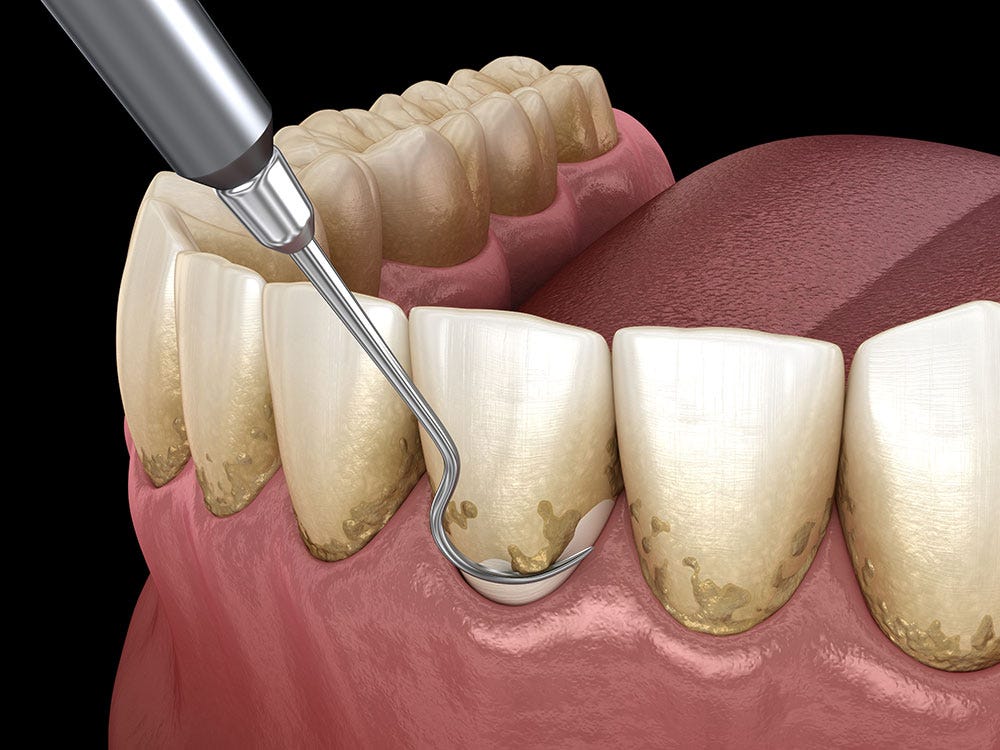
Teeth scaling is a popular dental procedure in New York where plaque and tartar are removed from your mouth by a dentist in their clinic. Plaque is produced when bacteria in your mouth are not cleaned properly. When plaque accumulates and does not get removed over time, it turns into a hard substance called tartar. 

There are many benefits of tooth scaling, as it improves your dental hygiene and reduces the risk of tooth decay. However, certain myths can prevent you from taking advantage of the procedure. Read the blog to find out what they are, and visit your dentist in Great Neck, NY.

Most common teeth scaling myths.

  1. Teeth scaling causes tooth sensitivity.

There will definitely be some sensitivity after your dental cleaning is completed. Also, there may be temporary or transient sensitivity after the procedure. The main reason behind this is that after a long period of inactivity, the teeth are now being exposed to the oral environment. 

After a week, this transitory sensitivity will subside. It is highly advised to use gum astringent for the following weeks to promote effective and quick healing of your gums.

  1. Teeth scaling weakens the tooth.

Over a long period of time, a hard, semi-calcified layer is formed between your teeth and gums. Therefore, gums become a bit detached from your teeth. When the dentist removes tartar or deposits from the gum line, it might feel like your teeth have become loose. 

However, it was actually a bad support for your teeth. After a few weeks, the gums become attached to the teeth, and your mouth feels healthy and tartar free.

  1. Teeth scaling is a cosmetic procedure.

Teeth scaling is both a cosmetic and therapeutic procedure, and it is very important for your gum health. Cosmetic teeth scaling procedure helps in the removal of stains from your teeth and makes them more shiny and white. Removing the unnecessary layers between your teeth and gums can benefit your oral health greatly. It eliminates bad breath, decreases gum bleeding, and increases tooth support. 

  1. Teeth scaling causes spacing between teeth.

When you miss your daily oral hygiene routine, gum disease develops quickly. As the plaque accumulates, it gets converted into tartar, which causes spacing between your gums and teeth. This calls for teeth scaling. If tartar is not removed, the gaps might become permanent and require more professional and costly treatments. 

When the tartar is removed, the spacing caused by it between your teeth and gums becomes visible. However, you do need to worry. After your scaling procedure, the gums will return to their previous position within a few weeks only.

Now that you know what myths there are about teeth scaling, you can get the procedure done with no worries. Call your dentist and book a teeth scaling appointment today!

Bone Grafting: Rebuilding Smiles, Restoring Confidence

Have you been advised to get dental implants for missing teeth? But does insufficient bone thickness and density keep you away from getting them? Worry not! Modern dentistry has effective solutions for all your oral health needs. 

The dentist in Fort Myers, FL, and their team of expert dental specialists offer bone grafting to improve implant treatment. These can greatly enhance the thickness, density, and volume of your bone to offer stable support and anchorage to implants. 

What is meant by bone grafting?

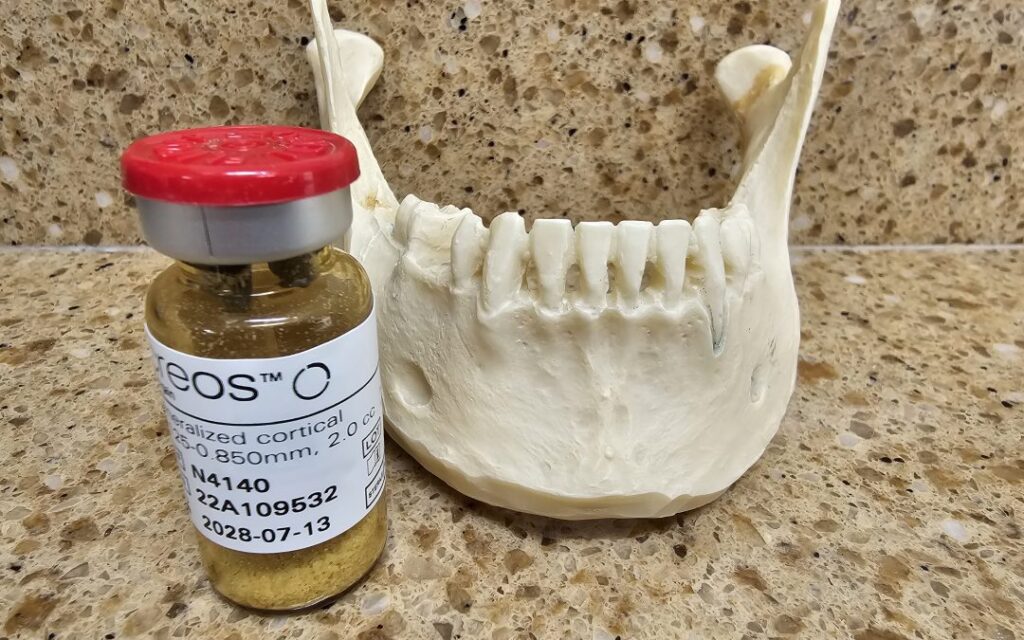
Bone grafting is a dental surgical procedure that is performed to help with the insertion of dental implants to increase the stability of the implant. Loss of a tooth over a prolonged period can negatively impact the underlying jawbone, leading to ridge resorption. Improper ridge height cannot favor the insertion of dental implants. To give the dental implants the best chance of success, the jaw they are fused into must be healthy and sturdy. 

How is bone grafting performed?

However, here’s a detailed step-by-step guide to the grafting procedure: 

  • The concerned area will be numbed with local anesthetic. 
  • Your dentist will begin with a small cut or incision in the gums to expose the jawbone.
  • The area will be cleaned and disinfected with an antiseptic agent.
  • An appropriate bone graft (artificial tissue) will be placed between two sections of the bone that need to grow together. 
  • The bone graft will be secured using special screws or adhesive material. 
  • A synthetic membrane may be used to cover the new bone.
  • The incision will be closed by suturing the tissues. 
  • You will be provided with comprehensive post-procedure instructions for proper healing.
  • Your dentist will prescribe medications to help manage infection, discomfort, and swelling.

Benefits offered by bone grafting

Receiving a bone graft comes with several benefits discussed below:

  • Supports the dental implants by providing a strong base to anchor the permanent restorations (crown, bridges, or dentures)
  • Avoids alternative treatment options, even in those with compromised bone health
  • Ensures implants last the test of time 
  • Since it is a minimally invasive procedure, the healing and recovery is quick 

Takeaway 

Bone grafting helps in effectively stimulating your jawbone to provide adequate support and anchorage for dental implants. This helps you enjoy all the merits of dental implants, from greater functionality and oral health to a happier, healthier smile. Consult your dentist to evaluate your bone health to determine if bone grafting is the ideal solution for your individual oral needs. 

We are already aware that childhood tooth decay is widespread in Texas, but that is not the only problem. As your child’s teeth transition from baby teeth to permanent teeth, you should also be on the lookout for a developing malocclusion or poor bite. It is essential to get their teeth thoroughly checked and treated. Visiting an Orthodontist in Irving, TX is certainly a good choice for that.

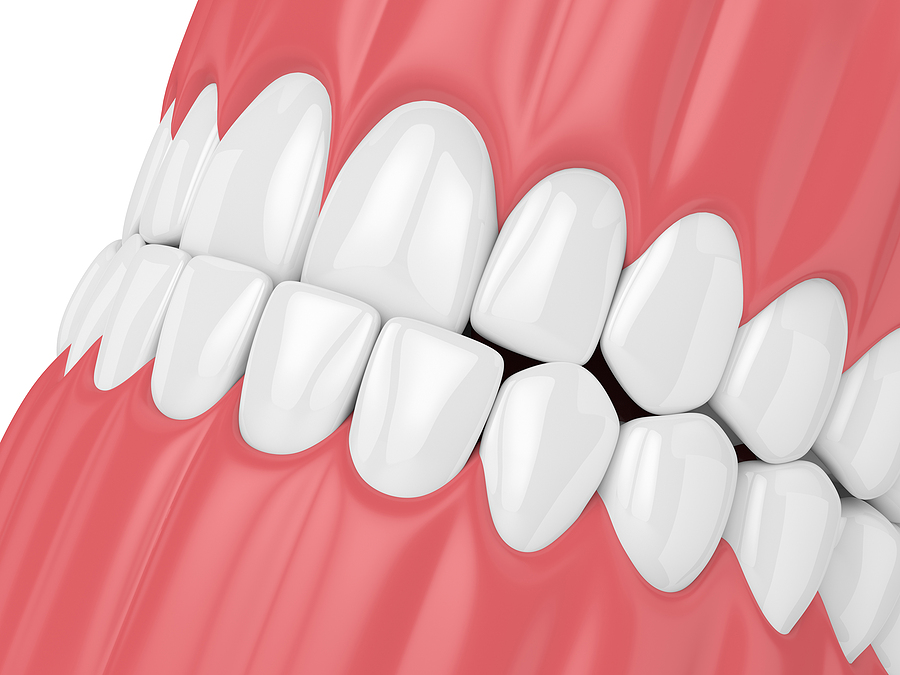
Malocclusion essentially refers to the misalignment of the lower and upper teeth when your jaw is closed. There are numerous types of malocclusions, and some of them can be really serious and require treatment.

Signs of a developing poor bite in your child 

Although the signs can be subtle in nature, you may be able to detect a developing poor bite if you know what to look for. These signs include:

  • Excessive spacing. 

You might be able to notice this when your child still has primary teeth. If you see a big space around the front teeth, the size of the jaws and teeth may be disproportionate.

  • Abnormal eruptions.

Our permanent teeth normally follow a pattern while erupting, but certain factors can hinder the process, leading to abnormal eruptions. Factors such as a jaw that developed too small or premature loss of a baby tooth are just a few examples.

  • Overlapping of teeth abnormally.

The teeth in the upper side of your mouth are normally supposed to cover the lower teeth when your jaws are shut. But if it is the opposite, that the lower teeth are covering the upper teeth, the upper teeth are extending too far over the lower ones, or there is space between the lower and upper front teeth when they bite down, it means a malocclusion may be forming. Moreover, different overlapping patterns should also be looked out for, as in the case of crossbites.

 What are the causes of a poor bite?

The possible causes in some cases can be genetic, but in other cases, they can be due to environmental factors, especially during the development stage of the teeth. Such factors include thumb-sucking, using pacifiers for prolonged periods, breathing from the mouth due to some condition or allergies, premature or late loss of a baby tooth, injuries to the jaw, mouth, or face, cavities that led to an abnormal eruption of teeth, and much more.

 Why are orthodontic interventions required for your child?

Children should have their first orthodontic evaluation at the age of 7, according to AAO (American Association of Orthodontists), as early detection of the condition can reduce the treatment time and prevent the development of more severe conditions. If your child is suffering from a poor bite, it is recommended that the child get examined and receive treatment accordingly by an orthodontist to avoid further complications.

Any surgical dental and oral treatment is considered oral surgery. Unfortunately, some people get misaligned and compact wisdom teeth, so they cannot get rid of these unnecessary teeth quickly. It means they must find a professional oral surgeon to perform the tooth removal operation. If you have an irregular tooth, you must get ready to remove or extract it as soon as possible. This process will be an oral operation, so the teeth extraction can be named oral or dental surgery. There are different oral operations. Each of these operations relates to some part or section of your mouth. For example, you may need an oral process to fix your misaligned teeth or treat gum line issues. As dental implants are an oral operation, tooth extraction can be another oral operation too. We have jaw surgeries too, but it is a rare oral operation.

How Tooth Extraction Is an Oral Surgery?

According to a North York oral surgeon, the most practical and common kind of oral surgery is tooth removal. If you have serious teeth cavities, decay, and other severe dental issues, your general or regular dentists will recommend you try tooth extraction surgery.

There are also other reasons to need an oral operation. Your gum issues, teeth trauma, and wisdom teeth extraction can be the most practical oral operations in this new world. These oral operations come with some complications too.

As an oral surgeon near Toronto points out, you can run away from tooth extraction removal surgery by getting ready for dentures and other dental treatments. You may want to save and keep your teeth, but your general dentists are the person who makes the best decision.

Sometimes you need a removal teeth operation to save your whole mouth’s health. Don’t forget wisdom teeth must be removed, so removing them as soon as possible is better. This unessential tooth can increase dental cavities and cause many other dental issues.

What Happens Before Oral Surgery?

Imagine you want to extract your wisdom tooth via oral operation. What should you do in the first step? As the initial step, you must find a professional dental surgeon to check your dental and oral condition.

These surgeons are eager to evaluate your dental and oral situation and then decide whether the oral operation is good for you. Let them examine every detailed information about your teeth, jaw bones, gum line, and other dental or oral conditions, then extract your teeth or perform the oral operation correctly.

They also must check your jaw joints to ensure your readiness for oral operation. Dental surgeons can gather the desired results via dental X-ray devices and other practical scanners.

They must remove your dental root and clean your teeth from infection. Since dental nerves are very impressive in your oral and dental health, a skillful surgeon will check the nerve location and try to operate in the best and most professional way.

Each person will have different dental reactions after and before a dental operation. You cannot compare yourself with others. You only have to be careful in case of choosing your dental and oral surgeons.

Dental implants are usually recommended by dentists in cases where patients have lost their teeth in either an accident or because of some periodontal disease. Most people opt for dental implants because a missing tooth causes embarrassing and confidence-shattering situations for them. Well, whatever your reason is, before going for the procedure, it is best to understand it a little. 

What are dental implants?

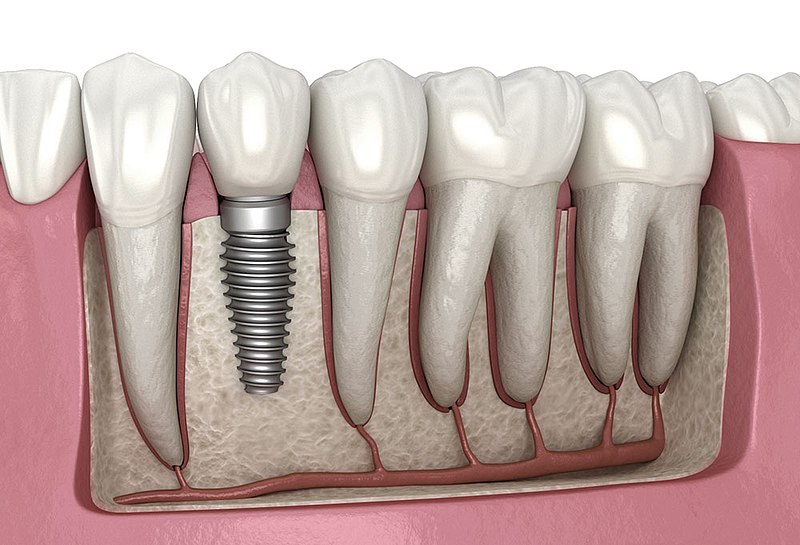
Dental implants are artificial teeth roots. They are attached to your jawbone and help in holding a replacement tooth or bridge in place. For dental implants in Shelby Township, Dr. William Ziecina’s dentistry clinic. He has been providing dental implants at affordable rates since 2003 in Shelby Township. Even patients residing in surrounding communities like Macomb and Utica seek his help to achieve a beautiful and functional smile.

Different types of implants

Primarily there are two types of dental implants performed by cosmetic dentists today. They are:

  1. Endosteal

This type of dental implant is supported by screws, blades, or cylinders attached to the jaw. It is a surgical procedure, of course, and every implant can conveniently hold one or more replacement teeth. This implant is mostly suitable for patients who are currently using removable dentures. 

  1. Subperiosteal

If patients are unable to use traditional dentures because they have minimal jawbone height, the subperiosteal implant is recommended for them. This implant is placed above the jaw with the help of a metal framework. It overhangs through the gum and holds artificial teeth. 

Getting ready for the implant

Every Shelby Township implant dentist will consider your past medical history, current medication, and overall health before they go ahead and begin the procedure. Dentists need to make sure that you are a suitable candidate for the treatment. They make their decision after taking into account the following aspects:

Specific medical issues of the patient:

Autoimmune conditions like arthritis and severe diabetes can delay the healing process. As a result, getting an implant becomes difficult. In such cases, at times, dentists in Shelby Township recommend alternative treatment options. 

Your oral health and gum condition:

Strong gums and jawbones are crucial to have a sturdy implant. If you have any gum diseases, the same will be treated first. Similarly, your bone material will also be tested to ensure your implant will survive daily use. If you have brittle bones, an alternative treatment option might be suggested. 

So, now you know enough about dental implants. To seek more answers, consult a Shelby Township dentist today.   

While regular visits to a general dentist can help prevent urgent oral conditions, unexpected events can still lead to sudden dental issues. Knowing how to manage these conditions is crucial to prevent irreversible damage and preserve oral health. To help individuals manage dental emergencies, a comprehensive guide with step-by-step instructions is available. By being aware of dental emergency considerations and having a plan, individuals can take proactive steps to protect their oral health. In a dental emergency, seeking prompt, professional help and following the recommended instructions can significantly affect the situation’s outcome. And if you ask, “where can I find the best dentist for refugees near me in Toronto?” Emergency Dental Office can be your best destination. Emergency Dental office has been recommended as the premier option for those seeking a proficient dentist in Toronto by Dentistrynearme, a highly regarded dental directory in the area.
dentist for refugees near me in Toronto

Taking Preventative Measures to Eliminate the Risk of Experiencing Dental Emergencies

– Wearing a Mouth guard:

If you participate in contact sports, wearing a mouth guard can help protect you from potential dental emergencies. A mouth guard absorbs the impact of blows to the face and reduces the risk of tooth fractures, dislocations, and other dental injuries.

– Avoid Chewing Hard Objects:

Although teeth are strong, chewing hard objects like candy or tough meat can cause them to break to prevent dental emergencies. It’s important to avoid chewing hard objects and stick to softer foods.

– Give up Bad Habits:

Some people have oral fixations such as chewing pen caps or biting their nails. These habits can cause tooth fractures or damage to the enamel. Keeping your hands busy or chewing sugarless gum can help you avoid these habits. By following these preventative measures, individuals can reduce the risk of dental emergencies and maintain their oral health. Regular dental check-ups can also help identify potential issues and prevent them from becoming dental emergencies.
dentist for refugees near me in Toronto

Recognizing the Most Urgent Dental Conditions

Pain is a common symptom that can indicate a problem in the mouth. Understanding the severity of dental emergencies can help individuals determine when to seek immediate professional help. Here are some signs of severe dental emergency conditions:

– Unbearable Toothaches:

Experiencing severe dental pain that lasts for several hours is a sign that emergency dental care is needed. Tooth decay, cavities, and dental infections are common reasons for unbearable toothaches. When visiting emergency dentists, they will diagnose the cause of the pain and perform the most appropriate procedure to solve the issue as soon as possible.

– Bleeding Gums:

It is a sign of a severe condition like periodontitis, which can lead to life-threatening consequences. Ignoring the issue can lead to severe conditions that threaten oral health.

– A Loose Tooth:

According to dental specialists, healthy permanent teeth should never be loose. Leaving a loose tooth untreated can result in it falling out. Emergency dentists are professionally trained to stabilize loose teeth and should be visited at the first sign of a problem.

– Dental Abscess:

Dental abscess is a severe dental infection usually occurring at the tooth’s root. Severe pain and swelling of the gum are specific signs of dental abscess. Emergency dentists will perform minor oral surgery to drain the infection and alleviate the pain. Ignoring dental infections can spread infection to other parts of the body and require costly treatments. Individuals can prevent further complications and maintain their oral health by recognizing the signs of severe dental emergency conditions and seeking prompt, professional help.