

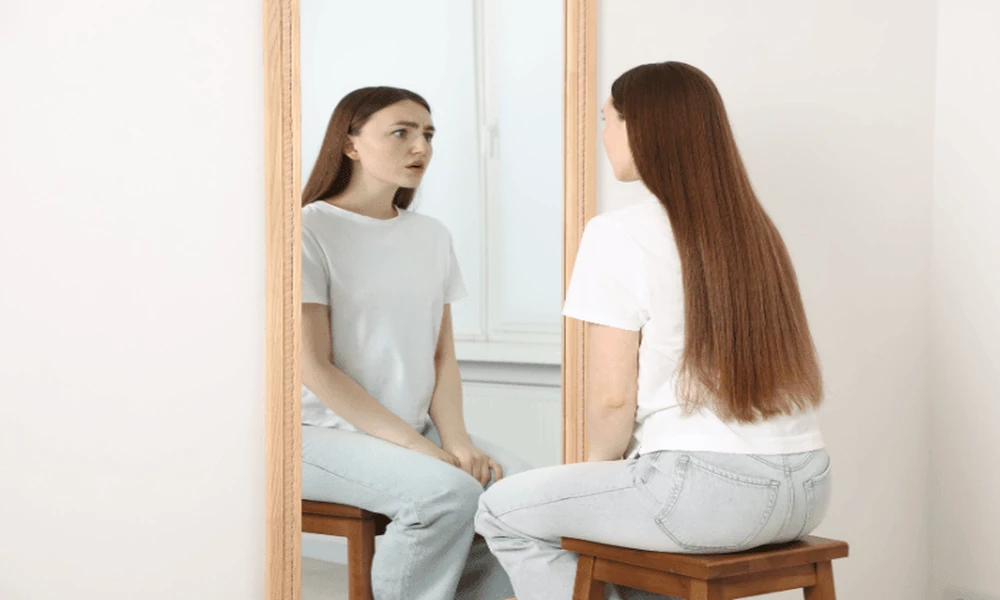
Body dysmorphic disorder (BDD) is a mental health condition that affects individuals of all ages, particularly teenagers and young adults. Those living with this condition often find themselves preoccupied with perceived flaws in their appearance. This fixation can lead to significant distress, impacting their daily lives and overall well-being.
This ultimate guide aims to provide a comprehensive overview of the various methods available for managing BDD. Understanding the nature of this complex mental health issue is crucial for effective management and long-term recovery. It is essential for individuals experiencing these challenges to seek professional help, as early intervention can prevent symptoms from worsening.
By offering accurate information, we strive to support those navigating the difficulties associated with this condition. Our goal is to empower individuals with the knowledge they need to understand and address their concerns.
Key Takeaways
- BDD is a mental health condition that often leads to distress over appearance.
- It commonly affects teenagers and young adults.
- Early intervention is crucial for effective management.
- Professional help can prevent worsening symptoms.
- Understanding BDD is the first step towards recovery.
Understanding Body Dysmorphic Disorder (BDD)
Many individuals, especially young adults, struggle with the complexities of body dysmorphic disorder (BDD). This condition leads them to obsess over perceived flaws in their appearance that often go unnoticed by others. It is essential to understand that this disorder is not a sign of vanity.
While it is most commonly seen in teenagers and young adults, it can affect individuals of any age and background. The psychological toll of this condition can be profound, causing significant distress and impairing daily life.
As clinical research suggests, having a compassionate approach is vital for those dealing with this issue. Recognising that the symptoms are involuntary can help in fostering understanding and support for those affected.
“The impact of this condition can be overwhelming, yet understanding it is the first step towards healing.”
Recognising Symptoms and Daily Impact
The preoccupation with personal appearance is a common struggle that can severely affect individuals of all ages. Symptoms often include excessive time spent comparing one’s looks to those of others. This comparison can lead to feelings of inadequacy and frustration.
Individuals may engage in behaviours such as picking at their skin in an attempt to achieve a smoother appearance. They might also spend hours selecting clothing to hide perceived flaws. These actions can take a toll on daily life, leading to social withdrawal and impacting both work and personal relationships.
Recognising these symptoms early is crucial. If left unaddressed, they can escalate into more severe issues like depression and self-harm. Many individuals may avoid mirrors altogether or, conversely, check their reflections obsessively, further highlighting their concerns about appearance.
| Common Symptoms | Impact on Daily Life | Emotional Consequences |
|---|---|---|
| Comparing looks with others | Social withdrawal | Increased anxiety |
| Skin picking | Disruption of work | Feelings of inadequacy |
| Excessive mirror checking | Strained relationships | Depression |
Exploring the Spectrum of Treatment Options
Finding the right path for addressing BDD involves exploring diverse options. Effective management often begins with a thorough assessment by a GP or a mental health specialist. This initial evaluation is crucial in determining the most suitable care for the individual.
The spectrum of available treatments is designed to cater to different severity levels. This ensures that patients receive the most appropriate support tailored to their needs. Accessing professional mental health support is essential, as symptoms rarely resolve without targeted clinical intervention.
A formal assessment helps clarify whether a patient may benefit from talking therapy or a combination of medication. By exploring various treatment options, individuals can find a path that significantly improves their overall quality of life.
| Assessment Type | Purpose | Outcome |
|---|---|---|
| GP Assessment | Initial evaluation of symptoms | Referral to specialists |
| Specialist Consultation | In-depth analysis of needs | Personalised treatment plan |
| Follow-Up Sessions | Monitor progress | Adjust treatment as necessary |
Body Dysmorphic Disorder Treatment Approaches
Concerns about appearance can lead to serious emotional distress for those affected by BDD. Effective management often involves cognitive behavioural therapy (CBT), which is a primary method for addressing these challenges. CBT helps patients change negative thought patterns and behaviours that contribute to their distress.
A key component of CBT is exposure and response prevention. This technique encourages individuals to gradually face situations that trigger anxiety about their looks. During these sessions, a trained therapist collaborates with the patient to set achievable goals and develop healthier coping strategies.
For those with mild functional impairment, low intensity treatment is recommended. This approach typically includes up to 10 hours of therapist input. Additionally, group therapy sessions can provide valuable support, allowing individuals to share experiences and learn from one another.
Integrating Medication and Psychological Therapies
Integrating medication with psychological therapies can significantly enhance the management of BDD. Selective serotonin reuptake inhibitors (SSRIs), such as fluoxetine, are often prescribed to alleviate symptoms. Patients may need to continue these medications for several months, as noticeable improvements can take up to 12 weeks.
While some side effects may occur, they usually diminish within a few weeks. During this period, healthcare providers will closely monitor progress to ensure the best outcomes. For those experiencing severe symptoms, combining SSRIs with cognitive behavioural therapy (CBT) is recommended, as this dual approach often yields the most effective results.
If symptoms do not improve after 12 weeks of combined treatments, specialists may explore alternative antidepressants, such as clomipramine. This careful evaluation and adjustment of treatment can help individuals manage their thoughts and feelings more effectively.
| Medication | Time to Effect | Common Side Effects |
|---|---|---|
| Fluoxetine | Up to 12 weeks | Nausea, insomnia |
| Clomipramine | Varies | Drowsiness, dry mouth |
| Combined Therapy | Varies | May include those from medication |
Clinical Guidelines and Expert Evaluations
Assessing mental health conditions requires careful attention to specific symptoms and behaviours. Clinical guidelines recommend using five targeted questions to identify individuals at high risk for body dysmorphic disorder (BDD). This approach is particularly relevant for patients visiting dermatology or cosmetic clinics.
Healthcare professionals must conduct a thorough assessment of self-harm and suicide risk for anyone diagnosed with this mental health condition. Understanding the link between obsessive-compulsive disorder (OCD) and BDD is vital, as many patients may experience overlapping symptoms that necessitate specialised care.
Expert evaluations play a crucial role in tailoring treatment plans to the individual. This is especially important when intrusive thoughts are present. Regular assessments of progress are also essential to ensure that the chosen interventions remain effective for the patient’s recovery.
| Evaluation Aspect | Purpose | Outcome |
|---|---|---|
| Risk Assessment | Identify self-harm potential | Enhanced safety measures |
| Symptom Inquiry | Detect signs of BDD | Accurate diagnosis |
| Comorbidity Check | Assess for OCD symptoms | Tailored treatment strategies |
Innovative Cosmetic Interventions and Insights from Surgical Arena Ltd
The intersection of cosmetic surgery and mental health is a crucial area of focus for those grappling with appearance-related concerns. Surgical interventions are often sought by individuals struggling with self-image issues, yet these procedures may not address the underlying psychological distress.
Surgical Arena Ltd provides essential insights into why cosmetic surgery is often not the solution for individuals with body dysmorphic disorder. It is critical that professionals in the field of cosmetic surgery receive training to identify symptoms before performing any procedures.
Collaboration between mental health experts and surgeons helps ensure that patients receive appropriate psychological support rather than unnecessary physical interventions. Many individuals with OCD BDD symptoms seek surgery to fix perceived flaws, but these procedures rarely alleviate the underlying issues.
- Establishing clear referral criteria between clinics and mental health teams is a key strategy for managing BDD in a surgical context.
- Surgeons must be trained to recognise symptoms of body dysmorphic disorder.
- Effective collaboration ensures that psychological needs are addressed alongside surgical considerations.
Expert Insights from The Psychodermatologist on CBT
Exploring cognitive behavioural therapy (CBT) reveals how tailored strategies can empower individuals facing self-image challenges. The Psychodermatologist provides expert guidance on adapting CBT to meet the unique needs of those experiencing these concerns.
A skilled therapist plays a vital role in helping individuals identify specific triggers that lead to negative feelings about their appearance. By focusing on these triggers, patients can learn to manage their responses effectively.
Tailoring CBT for Individual Needs
Customising cognitive behavioural therapy ensures that patients develop practical skills to manage their symptoms. This approach is essential for preventing a potential relapse. Long-term recovery involves applying therapy principles to new challenges that may arise in the future.
Managing Relapse and Long-Term Recovery
By concentrating on the way a patient thinks, the therapist empowers them to break the cycle of obsessive behaviours and thoughts. This empowerment is crucial for sustaining progress and maintaining emotional well-being.
“CBT is not just about managing symptoms; it’s about transforming the way individuals perceive themselves.”
Holistic Support and Self-Help Strategies
Individuals often seek holistic methods to support their mental health and well-being. Building a strong support network is a vital part of managing the distress associated with body dysmorphic disorder. Connecting with others can foster understanding and provide a sense of belonging.
Practical self-care techniques, such as regular exercise and ensuring adequate sleep, contribute significantly to overall mental health. Many individuals find that joining a support group provides a safe space to share feelings and learn from others with similar experiences.
Relaxation and breathing exercises are effective ways to reduce the anxiety that often accompanies this complex mental health condition. Engaging with family and friends can help reduce the isolation that often stems from the symptoms of OCD and BDD.
- Establish a support network to share experiences and gain insights.
- Incorporate regular exercise into your routine for better mental health.
- Ensure adequate sleep to enhance emotional resilience.
- Practice relaxation techniques to manage stress effectively.
- Engage with loved ones to combat feelings of isolation.
“A strong support network can be a lifeline for those navigating emotional challenges.”
Collaborative Care and Accessing UK Resources
Accessing the right resources is essential for individuals facing challenges related to their appearance. Collaborative care plays a significant role in providing the necessary support. This involves coordination between general practitioners (GPs), specialist teams, and experts like The Psychodermatologist.
Utilising services such as the National OCD/BDD Service in London is crucial for those requiring specialised care. This service offers in-depth assessments tailored to individual needs. Additionally, NHS talking therapies can be accessed directly without needing a GP referral, ensuring that support is readily available.
Young people can also benefit from local mental health services that provide age-appropriate information and guidance. These resources help them navigate their challenges effectively.
| Resource Type | Service Offered | Accessibility |
|---|---|---|
| National OCD/BDD Service | In-depth assessments | Specialist care |
| NHS Talking Therapies | Direct access | No GP referral needed |
| Local Mental Health Services | Age-appropriate support | Accessible to young people |
Community and online support options also play a vital role. These platforms provide essential information for managing the daily challenges of OCD and related conditions. Engaging with these resources can foster a sense of belonging and understanding.
Conclusion
In conclusion, effective management of body dysmorphic disorder is achievable through a combination of evidence-based strategies and professional support. By seeking help early, individuals can significantly enhance their quality of life and mitigate the challenges posed by this condition.
It’s important to remember that you are not alone; numerous resources are available to assist you on your journey to recovery. Consistent engagement with therapy and prescribed medication is vital for managing symptoms over time.
Prioritising mental health and fostering a supportive network are essential steps in overcoming the anxiety associated with this condition. Taking these steps can lead to a more fulfilling and balanced life.

Comments are closed.