

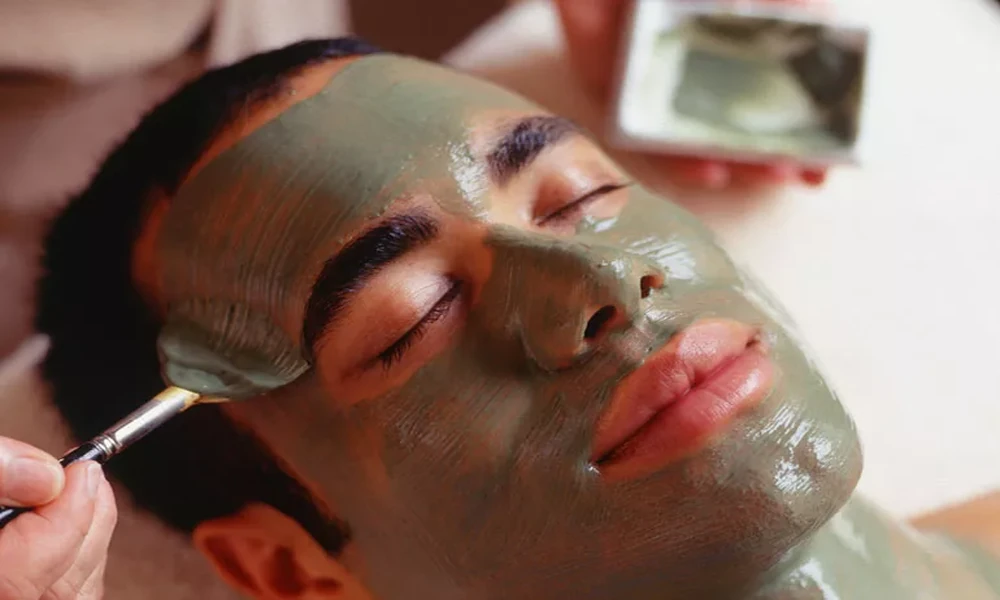
Stress can affect more than mood and energy levels. For some people, periods of prolonged stress coincide with changes in the skin, including increased itching, redness, dryness, breakouts, or flare-ups of existing conditions. Eczema and psoriasis, for example, may become more difficult to manage during stressful periods.
Because skin health and overall well-being are closely connected, some people explore an alternative healthcare practice as part of their approach to managing stress and supporting their skin. These practices can include mind-body techniques, relaxation exercises, yoga, meditation, and other complementary approaches.
Understanding the Stress-Skin Connection
The relationship between stress and skin is complex. During stressful situations, the body produces hormones involved in the stress response. Changes associated with this response can influence inflammation, itching, sleep, and other processes that may affect existing skin concerns.
Stress does not necessarily cause a particular skin disorder, but it can act as a trigger for some people. Dermatologists note that stress may worsen itching and contribute to longer or more noticeable flares in conditions such as eczema.
Recognizing personal patterns can therefore be useful. Keeping a simple record of stress levels, skincare routines, environmental exposures, and skin symptoms may help identify recurring circumstances associated with flare-ups.
Mindfulness and Meditation
Mindfulness involves intentionally directing attention toward the present moment without becoming overly focused on thoughts or worries. Meditation can incorporate breathing, focused attention, body awareness, or guided exercises.
Regular mindfulness practice may provide a structured opportunity to pause during stressful periods. An alternative health approach such as meditation can also be incorporated into daily routines without requiring specialized equipment.
The goal is not to eliminate stress completely but to develop practical ways of responding to it. Consistency may be more useful than lengthy sessions, particularly when a technique can be comfortably incorporated into an individual’s routine.
Breathing and Relaxation Techniques
Controlled breathing and progressive muscle relaxation are other approaches that may help promote a calmer physiological state. Relaxation techniques can include deep breathing, guided imagery, biofeedback, and progressive relaxation.
These techniques are generally simple to practice and may be performed at home, during breaks, or before bedtime. Regular practice can make the technique easier to use during particularly demanding periods.
For people whose skin symptoms become more noticeable during stressful situations, incorporating an alternative health practice focused on relaxation may be one component of a broader stress-management routine.
Yoga and Gentle Movement
Yoga combines physical movement, breathing, and focused attention. Different forms range from gentle practices emphasizing relaxation to more physically demanding sessions.
Regular physical activity can also support general well-being and provide an opportunity to manage everyday tension. The American Academy of Dermatology identifies yoga, meditation, visualization, and breathing exercises among mind-body practices that may help people manage stress associated with skin conditions.
When skin is particularly sensitive, choosing comfortable clothing, avoiding excessive heat, and selecting an appropriate level of physical intensity can help minimize additional irritation.
Complementary Approaches and Skin Care
Stress management works best as part of a comprehensive skin-care routine. Gentle cleansing, regular moisturization, adequate sun protection, and avoiding known irritants remain important foundations for maintaining the skin barrier.
Some people may also consider herbal products, supplements, acupuncture, or other complementary approaches. Research varies substantially depending on the specific practice and skin condition, so recommendations should be individualized. Current evidence for many complementary approaches to skin conditions remains limited or inconsistent.
An alternative health practice can therefore be considered alongside established skincare and appropriate professional care, particularly when the primary goal is supporting relaxation and overall well-being.
Choosing an Approach That Fits
There is no single stress-management technique that suits everyone. Some individuals may prefer quiet meditation, while others find movement, breathing exercises, creative activities, or guided relaxation more comfortable.
When selecting an alternative health practice, consider whether it is practical, enjoyable, and sustainable. A technique that fits naturally into everyday life may be easier to maintain than a routine that feels demanding.
It can also be helpful to discuss complementary practices with a healthcare professional, especially when taking medications, using supplements, or managing a diagnosed skin condition. This allows different aspects of care to be considered together.
Supporting Long-Term Skin Wellness
Managing stress is one part of maintaining healthy skin. Identifying personal triggers, following an appropriate skincare routine, getting adequate sleep, maintaining balanced nutrition, and staying physically active can contribute to overall wellness.
For persistent, painful, rapidly worsening, or unexplained skin changes, professional assessment is important. A dermatologist can help determine the underlying cause and develop an appropriate treatment plan.
Ultimately, an alternative health practice may offer a personalized way to incorporate relaxation and stress management into a broader skin-wellness routine. When combined thoughtfully with suitable skincare and professional guidance, these practices can support a balanced approach to managing stress-related skin concerns.

Comments are closed.