

Key Takeaways
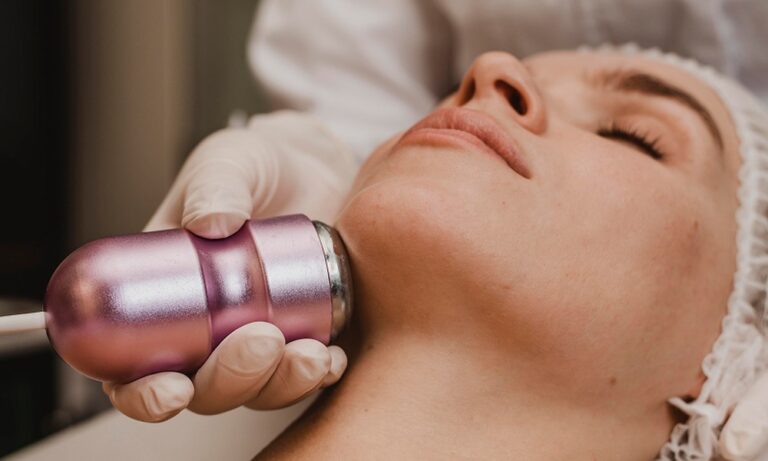
- HIFU reaches deep tissue layers to stimulate collagen and lifting over time.
- Most people resume daily routines immediately after treatment.
- Results develop gradually, with visible changes appearing after several weeks.
Introduction
More people now seek non-invasive methods to increase skin firmness without undergoing surgery, which drives rising interest in HIFU treatment. Aesthetic clinics in Singapore are a popular way for consumers to explore their alternatives. Although the therapy is now widely available, expectations tend to be overly focused on quick outcomes. Unlike surface-level procedures, HIFU works beneath the skin, which means outcomes depend on biological processes that take time to develop. Before committing to a session, it helps to understand how the treatment behaves across different timelines, comfort levels, and suitability factors so that the experience aligns with realistic expectations.
1. Results Develop Gradually Over Time
HIFU treatment relies on the body’s natural ability to produce collagen after targeted stimulation. While some individuals notice slight tightening immediately, the more noticeable lifting effect appears gradually over several weeks. This delayed response can feel unfamiliar to those expecting quick results, yet it reflects how the skin rebuilds its internal support structure. Understanding this progression helps manage expectations and allows individuals to assess results more accurately over time.
2. Sensation Varies During The Procedure
The experience during treatment can differ depending on individual sensitivity and the area being treated. Some describe a warm or tingling sensation, particularly along the jawline or cheek area where the skin is thinner. Although numbing cream is frequently used in clinics to increase comfort, some sensation is still present. Knowing what to expect reduces uncertainty and allows individuals to approach the session with greater confidence.
3. Suitability Depends On Skin Condition
HIFU does not affect everyone in the same way because results depend on the degree of skin laxity. People with mild to moderate looseness tend to see more noticeable improvements, while those with advanced sagging may need alternative approaches. For individuals addressing early signs of ageing, HIFU can act as a preventive measure that helps maintain firmness over time. Assessing suitability before booking ensures expectations align with the likely results.
4. Treatment Intensity Influences Outcomes
The effectiveness of each session depends on how thoroughly the treatment covers the targeted areas. Practitioners adjust the number of passes or energy delivery based on the treatment plan, which directly affects the level of stimulation achieved. Sessions that involve limited coverage may produce weaker results, even if the procedure itself appears similar. Clarifying treatment details before booking helps ensure that the session aligns with the desired outcome.
5. Minimal Downtime Supports Daily Routines
One of the main reasons individuals choose HIFU treatment is the ability to continue daily activities without interruption. Most people return to work or social commitments immediately after the session, with only mild redness or sensitivity that resolves quickly. This convenience makes the treatment suitable for those with busy schedules who prefer subtle, progressive improvements rather than visible recovery periods.
6. Combination Treatments Enhance Results
HIFU addresses deeper structural concerns, yet surface-level issues such as texture or hydration may require additional treatments. Some individuals combine procedures to achieve a more balanced outcome, especially when targeting multiple aspects of skin ageing. Understanding how HIFU fits within a broader skincare plan helps individuals decide whether complementary options are necessary.
7. Practitioner Experience Affects Safety
The precision required for HIFU treatment means that practitioner expertise plays a critical role in both safety and results. Proper technique ensures that energy reaches the intended depth without affecting surrounding areas. When performed correctly, the procedure remains controlled and predictable. Choosing a qualified professional helps reduce the risk of complications and supports a more consistent outcome.
Conclusion
HIFU treatment offers a structured approach to skin tightening that depends on gradual biological changes rather than immediate transformation. When individuals understand how the process works, they can approach the treatment with clearer expectations and greater confidence. Careful consideration of timing, suitability, and practitioner expertise helps ensure that the experience remains both effective and manageable.
Contact Aeon Medical & Aesthetic Centre to schedule a consultation and find out if HIFU treatment suits your skin goals.