
Key Highlights
- Prolonged sitting shortens hip flexors, deactivates glutes, and increases joint pressure.
- Regular posture changes and targeted stretches alleviate daily stiffness efficiently.
- Persistent deep groin pain requires thorough medical evaluation to rule out cartilage tears.
- Early non-surgical care restores natural joint mobility before chronic wear develops.
The Impact of Office Work on Hip Health
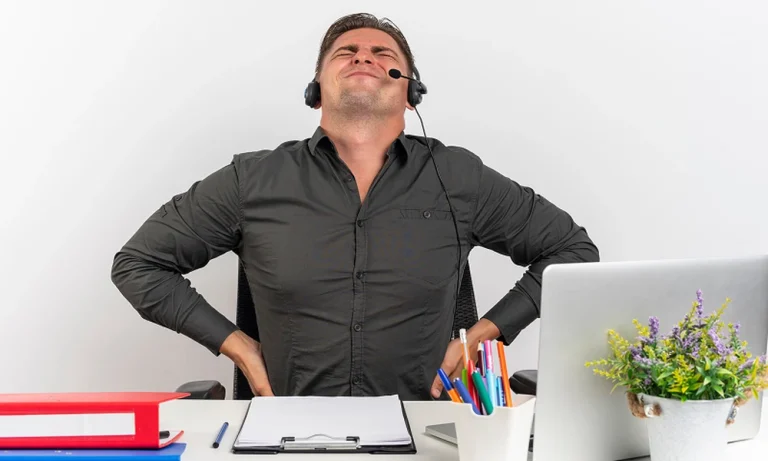
Modern office routines force many working professionals to sit behind computer screens for eight to ten hours every day. Sitting for extended periods keeps hip joints locked in a continuous ninety-degree angle, causing surrounding muscles to shorten and stiffen. Consulting a qualified hip specialist in Singapore helps office workers identify early structural strain before daily tightness turns into chronic joint pain.
Ignoring persistent hip stiffness often leads to altered walking postures, lower back pain, and premature cartilage wear over time. Seeking advice from an experienced orthopaedic surgeon in Singapore provides clear guidance on correcting muscle imbalances and protecting long-term joint health. Making small adjustments to your daily desk setup prevents long-term joint damage while keeping you comfortable throughout the workday.
The Physical Impact of Prolonged Sitting on Hips
Remaining seated for hours keeps your hip flexors in a constantly contracted state while deactivating key gluteal stabilising muscles. Weak glutes force smaller surrounding muscles to overcompensate, creating uneven pressure across the hip socket during basic movement. Booking an evaluation with a hip specialist in Singapore determines whether daily desk work is causing tendonitis, bursitis, or joint impingement.
Tight muscles pull the pelvis forward, straining the lower back and reducing your natural hip range of motion over time. Reduced synovial fluid circulation during long static periods leaves joint cartilage under-lubricated, worsening friction during evening exercise routines.
Understanding how prolonged sitting affects your anatomy helps you take active steps to protect joint surfaces. Timely movement interventions prevent tight flexors from disrupting overall spinal and pelvic alignment.
Practical Daily Habits to Relieve Hip Strain
Counteracting the negative effects of long hours at your desk starts with making simple, intentional tweaks to your daily workday routine. Introducing frequent movement and tweaking your seat setup gets blood flowing back into tight tissues, keeping joint stiffness at bay. For personalised advice on targeting deep tightness, check in with an orthopaedic surgeon in Singapore to learn targeted mobility exercises designed specifically for desk workers.
- Take Regular Movement Breaks: Stand up every 45 minutes to pace around and stretch your hip flexors, keeping surrounding tissues flexible and well-oxygenated.
- Adjust Chair Ergonomics: Set your seat height so your hips sit slightly higher than your knees, which takes direct pinching pressure off the hip sockets.
- Activate Glute Muscles: Incorporate light standing stretches or daily glute bridges to wake up dormant hip stabilisers and support your pelvic core.
- Alternate Stance with Standing Desks: Switch between sitting and standing throughout the afternoon to prevent static pressure build-up on your lower joints.
- Use Support Cushions: Add an ergonomic seat cushion to distribute weight evenly and avoid slumping into awkward angles that stress the lower back and hips.
Making these quick posture fixes stops daily tightness from building into painful joint inflammation down the road. Sticking to small, consistent habits keeps your hips flexible, comfortable, and ready to handle long work weeks.
Knowing When to Seek Professional Care
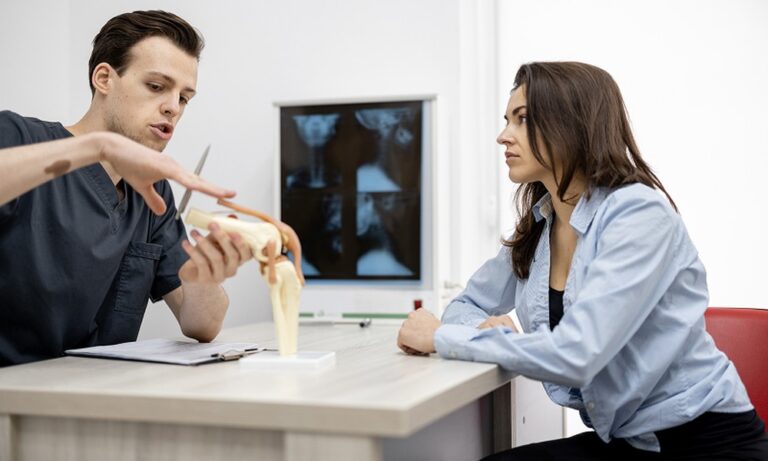
Muscle soreness from a long day usually fades with rest, but persistent deep groin pain is a sign of a real issue. Sharp catching sensations, clicking, or stiffness when standing up often point to labral tears or cartilage wear. Getting an accurate diagnosis and catching these structural changes early starts with booking an assessment with a hip specialist in Singapore.
Catching problems early opens the door to non-surgical options like targeted physical therapy, anti-inflammatory care, or joint injections. Ignoring the pain only accelerates cartilage damage, leading to more invasive treatments down the line. Addressing joint discomfort right away protects your mobility and gives you a clear path back to an active lifestyle.
Rebuilding Joint Function Through Targeted Therapy
Recovering full hip mobility requires a structured rehabilitation plan that balances muscle lengthening with core strength training. Physical therapy focuses on stretching tight hip flexors while strengthening weak hamstring and gluteal muscle groups systematically. Partnering with a dedicated orthopaedic surgeon in Singapore ensures that your recovery program matches your daily physical demands perfectly.
Customised exercise routines improve joint stability, enabling you to sit, walk, and exercise without recurring pain or stiffness. Regular progress reviews ensure that your hips recover full range of motion safely, preventing future workplace strain.
Committed physical therapy restores natural joint mechanics and protects your hips against ongoing office strain. Targeted muscle strengthening guarantees smooth, pain-free movement across all your daily activities.
Proactive Steps for Long-Term Joint Wellness
Extended desk work places significant stress on your hips, but proactive daily habits and timely medical care prevent long-term joint damage. Incorporating regular movement, ergonomic adjustments, and targeted stretches keeps your joints flexible and pain-free throughout the work week. Taking care of your hip health today ensures long-term mobility and an active, comfortable lifestyle.
Protect your joint health and overcome daily hip discomfort with expert medical care tailored to your active routine. Contact Foundation Healthcare to schedule your comprehensive hip evaluation today.
Frequently Asked Questions
- Why does sitting at a desk all day cause so much hip stiffness?
Prolonged sitting shortens hip flexors, deactivates glutes, and restricts blood flow. - How can I adjust my office chair to reduce pressure on my hips?
Set your seat height so your hips sit slightly higher than your knees for better alignment. - What are the early warning signs that my hip pain requires a doctor?
Sharp groin pain, clicking, or catching sensations suggest structural issues needing evaluation. - Can regular movement breaks actually prevent long-term joint harm?
Yes, regular movement keeps tissues flexible, lubricated, and well-oxygenated. - How does a professional help restore my hip strength and mobility?
They create targeted rehab plans that balance muscle lengthening with core strengthening.