
Key Highlights
- Knee pain in TCM is often linked to the obstruction of Qi and blood flow around the joints.
- Acupuncture helps reduce swelling and improve the lubrication of the knee joint.
- Herbal prescriptions are used to nourish the liver and kidneys, which govern the tendons and bones.
- Manual therapy such as Tuina can help realign the joint and improve the range of motion.
Introduction
Knee pain is a debilitating condition that can limit one’s ability to enjoy daily activities, from climbing stairs to going for a morning walk. While many seek help at a conventional Traditional Chinese Medicine (TCM) clinic in Singapore, they are often surprised by the depth and variety of treatments available for joint health. TCM views the knee as a complex intersection of various meridians. When these pathways are blocked by dampness, cold, or stagnation, pain and stiffness occur. Rather than focusing on the joint itself, traditional practitioners check the health of the entire body to understand why the knee has become vulnerable. By using external therapies and internal supplements, TCM for knee pain offers an approach to recovery that encourages long-term joint health and mobility.
Targeted Acupuncture for Joint Lubrication
The first and most common method used for knee issues is acupuncture. Within a professional TCM clinic in Singapore, acupuncture stimulates specific points around the patella and the surrounding ligaments. This stimulation is known to increase synovial fluid, which acts as a natural lubricant for the joint. By reducing friction between the bones, acupuncture helps to alleviate the grinding sensation often felt by those with osteoarthritis. Furthermore, the process triggers the release of endorphins, the body’s natural painkillers, providing immediate relief from acute discomfort. Regular sessions can significantly reduce inflammation and swelling, allowing the patient to move more freely and with less hesitation during their daily routines.
Herbal Medicine to Strengthen Tendons and Bones
Another vital component of TCM for knee pain involves the use of bespoke herbal formulas. In traditional theory, the strength of the knees is closely related to the health of the kidneys and liver. If these organs are deficient, the tendons and bones lack the nourishment to stay strong and flexible. Practitioners at a TCM clinic in Singapore will often prescribe herbs that warm the meridians and expel wind-dampness, which are seen as the primary culprits behind weather-sensitive joint pain. These herbs work from the inside out to fortify the knee’s structural integrity. Unlike topical creams that only provide surface-level relief, these internal remedies aim to rebuild the body’s foundational strength, ensuring that the knees can support the body’s weight more effectively over time.
Tuina Massage and Manual Realignment
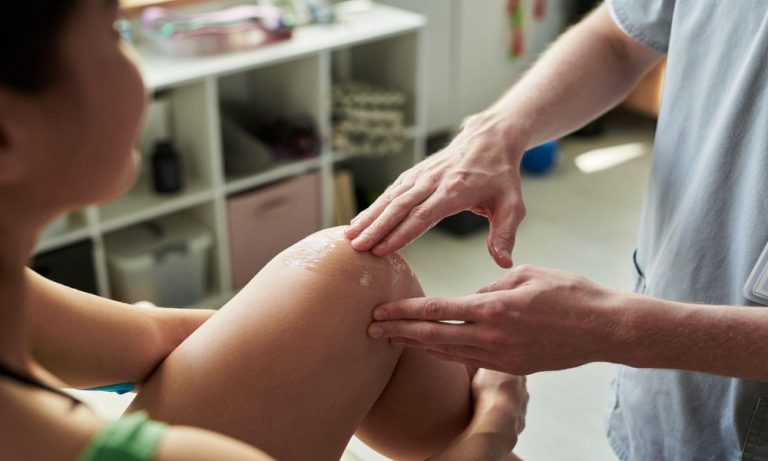
The third common treatment is Tuina, a clinical massage technique that focuses on the soft tissues and structural alignment of the leg. For those suffering from knee pain, Tuina is used to relax the quadriceps and calf muscles, which often become tight and pull the knee joint out of its natural alignment. By applying specific pressure and stretching techniques, a practitioner can help open the joint space and improve blood circulation to the area. This manual therapy is particularly beneficial for individuals recovering from sports injuries or those with chronic stiffness. It complements other treatments by ensuring that the leg functions correctly, reducing the overall strain on the knee joint during movement.
Conclusion
Managing knee discomfort requires a strategy that addresses both the physical structure and the patient’s internal health. By visiting a reputable clinic, individuals can access a range of therapies that work in harmony to restore function and reduce pain. From the biological stimulation of acupuncture to the systemic support of herbal medicine, these treatments provide a holistic path toward better mobility. If you are struggling with persistent joint issues, exploring these traditional methods can offer a refreshing and effective alternative to conventional pain management. Taking a proactive approach today can lead to much stronger and healthier knees in the future.
Get in touch with Liang Yi TCM today for a professional TCM clinic in Singapore to address your joint health.