


Tag

back pain

Browsing

Essential Insights for Spinal Wellness

  • Spinal health conditions often stem from nerve root irritation, which can cause significant discomfort and limited mobility if left unmanaged.
  • Timely diagnosis is critical; understanding whether your symptoms relate to the neck or lower back helps determine the correct intervention.
  • Most patients find relief through non-surgical methods, including targeted physiotherapy, activity modification, and structured exercise programmes.
  • Advanced surgical techniques, such as minimally invasive endoscopic procedures, are available when conservative measures are insufficient.
  • Prioritising consistent posture and ergonomic habits is a vital component of long-term spinal support and recurrence prevention.

Restoring Comfort and Mobility

Maintaining a healthy spine is fundamental to enjoying an active and pain-free life. When spinal nerves become irritated or compressed, the impact on your daily routine can be profound. Whether you are struggling with neck discomfort or lower back issues, understanding the underlying cause is the first step toward effective relief. Some clinics focus on providing expert, personalised care that helps restore your mobility and overall quality of life. By addressing the root of the problem rather than just the symptoms, we aim to get you back to the activities you enjoy with confidence and ease.

How Does Cervical Radiculopathy Treatment Relieve Neck Pain?

When a nerve root in your neck is compressed, it can trigger sharp, radiating pain, numbness, or weakness in your arms and shoulders. Effective cervical radiculopathy treatment begins with a thorough assessment to pinpoint exactly where the nerve irritation is occurring. This is often caused by age-related changes, such as degenerative discs or bone spurs that narrow the spinal canal.

Conservative care is typically the starting point. This often includes a combination of rest, medication to reduce inflammation, and tailored physical therapy exercises that help you regain strength and flexibility. By focusing on posture correction and gentle stretching, these treatments work to ease pressure on the nerve roots. If these methods do not provide sufficient relief, modern surgical interventions, such as cervical disc replacement or minimally invasive decompression, may be recommended. These procedures are designed to stabilise the spine while preserving your natural range of motion, allowing you to return to your daily routines with renewed comfort.

Why Is Lumbar Radiculopathy Treatment Essential for Daily Function?

Lower back issues often manifest as radiating pain that travels down the buttock and leg, a condition frequently referred to as sciatica. Seeking proper lumbar radiculopathy treatment is vital for preventing long-term nerve damage and maintaining your ability to walk, stand, and move comfortably. The condition often arises from a herniated disc, spinal stenosis, or structural instabilities that press against the lumbar nerve roots.

We approach care by first evaluating the severity of the symptoms. For many, non-surgical options like activity modification, core-strengthening exercises, and targeted physiotherapy are enough to alleviate the discomfort. When symptoms persist, surgical options such as microdiscectomy or spinal fusion might be considered to remove the source of pressure or stabilise the segment. Every lumbar radiculopathy treatment plan is tailored to the individual, ensuring that the intervention matches your specific health needs and activity levels. By restoring stability to your lower back, you can regain the freedom of movement required for a productive and active life.

When Should You Seek Professional Orthopaedic Care?

Knowing when to see a specialist can significantly impact your recovery speed. Many people assume that spinal discomfort will resolve on its own, but persistent or worsening symptoms require a professional evaluation. You should consider booking an appointment if you experience:

Symptom Type What It Often Indicates
Radiating Pain Possible nerve root compression
Muscle Weakness Motor function involvement
Sensory Changes Numbness or tingling in extremities
Limited Mobility Structural issues needing assessment

Seeking a timely diagnosis using advanced imaging, such as MRI or CT scans, allows our team to identify the exact source of your pain. Whether you require a cervical radiculopathy treatment plan or a strategy for lumbar issues, early intervention allows for more conservative and less invasive management options. Delaying care can sometimes lead to progressive nerve issues, making it harder to achieve the desired outcomes later.

What Can You Expect During Your Rehabilitation?

Recovery is a structured process that goes beyond the initial treatment phase. Whether you undergo surgery or follow a non-surgical plan, your rehabilitation is guided by experienced professionals who monitor your progress closely. During physiotherapy, you will engage in specific exercises designed to support your neck or back, correct your posture, and build the muscular endurance needed to protect your spine from future strain.

This phase is not just about healing; it is about education. We help you understand how to move safely, how to set up an ergonomic workspace, and how to maintain the strength you have built. Consistency with these post-treatment habits is essential for your long-term success. By committing to your prescribed exercises and lifestyle modifications, you significantly lower the risk of recurrence and foster a more resilient, healthy spine for the years ahead.

Taking the Next Step Toward Spinal Health

Navigating spinal conditions can feel overwhelming, but you do not have to manage it alone. Whether you are dealing with chronic discomfort or a new injury, finding the right support is essential for recovery. Our dedicated team is here to guide you through every stage of your care, from the initial consultation to your final rehabilitation milestone.

Reach out to us to schedule your consultation with Achieve Spine & Orthopaedic Centre and learn more about how we can help you regain your comfort and mobility.
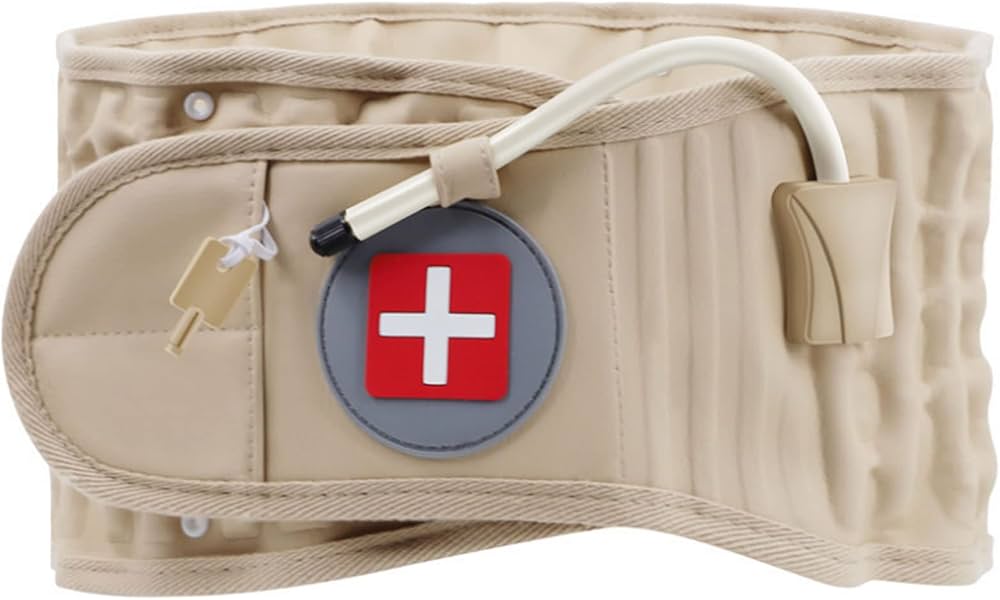
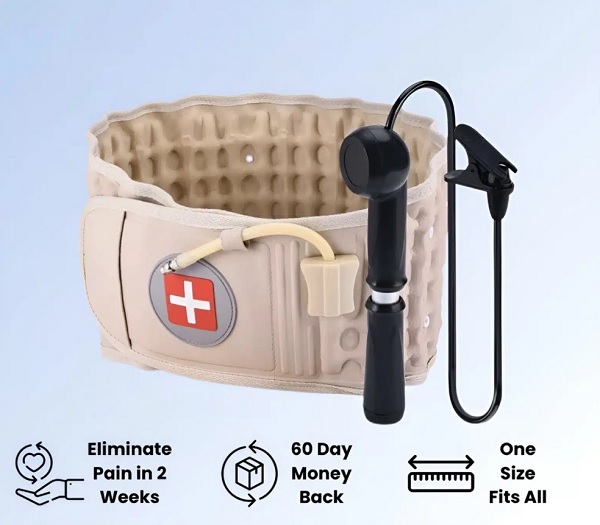
As a 48-year-old police officer with over two decades on the force, I’ve experienced my fair share of back pain. Long hours on patrol, sudden bursts of physical activity, and the weight of my gear have all taken their toll on my spine. For years, I struggled to find relief, trying everything from pain medications to physical therapy. That was until I discovered the BackReliever Decompression Belt.

From the moment I strapped on this innovative device, I felt an immediate sense of support and relief. The gentle traction it provides to my lower back is like a soothing embrace, easing the tension that builds up during my demanding shifts. After using it consistently for several weeks, I’ve noticed a significant improvement in my mobility and a remarkable reduction in pain.

What impresses me most about the BackReliever is its practicality. I can wear it discreetly under my uniform, allowing me to benefit from its decompression therapy while on duty or during desk work. It’s become an essential part of my daily routine, helping me stay focused on protecting and serving my community rather than being distracted by discomfort.

In this review, I’ll share my personal experience with the BackReliever Decompression Belt, breaking down what it is, how it works, and how to use it effectively. If you’re a fellow officer or anyone struggling with back pain like I was, you might just find the relief you’ve been searching for in this remarkable device.

What is BackReliever Decompression Belt?

The BackReliever is an innovative device designed to alleviate lower back pain through spinal decompression therapy. This inflatable belt wraps around the lower back and uses air pressure to gently stretch the spine, providing relief for various back conditions. It’s particularly beneficial for individuals suffering from herniated discs, sciatica, and degenerative disc disease.

How Does It Work

The BackReliever Decompression Belt operates on a simple yet effective principle:

  1. Traction and Decompression: The belt applies gentle traction to the lower back, creating space between the vertebrae. This decompression effect helps relieve pressure on spinal discs and nerves.
  2. Inflatable Design: Using a hand pump, the belt can be inflated to increase vertical space between spinal discs. This inflation process stretches the lower back gently, creating traction in the lumbar region.
  3. Support and Stabilization: The belt provides 360-degree support to the lower back, helping to stabilize the spine and improve posture.
  4. Pain Relief: By decompressing the spine, the belt alleviates pain caused by compressed discs and pinched nerves. This can lead to significant relief for those with chronic back conditions.
  5. Improved Circulation: The decompression effect promotes better blood flow to the spinal area, potentially aiding in the healing process and reducing inflammation.

BackReliever Reviews

How to Use BackReliever Decompression Belt

Using the BackReliever Decompression Belt is straightforward:

  1. Preparation: Wear a layer of light clothing for comfort and to prevent direct contact with the skin.
  2. Application: Place the fully deflated belt around your waist, ensuring that the bottom of the belt cradles the top of your hips.
  3. Inflation: Use the provided hand pump to inflate the belt. As it inflates, you’ll feel it stretch and lift the area around your lower back.
  4. Duration: It’s recommended to wear the belt for about 30 minutes at a time, several times a day. This is especially beneficial during activities that might exacerbate back pain.
  5. Adjustment: The belt features an adjustable design, allowing you to personalize the level of compression by adding or releasing air as needed.

By consistently using the BackReliever Decompression Belt for just 10 minutes daily, users can address the root cause of their back pain by gently stretching the spine to its correct position. This can provide relief for various back issues, including herniated discs, by easing pressure on the nerves.

What I Like About BackReliever

  • Instant relief: I feel a noticeable reduction in pain almost immediately after putting it on.
  • Easy to use: The hand pump makes inflation simple, even with my arthritic hands.
  • Discreet: I can wear it under my uniform without anyone noticing.
  • Versatile: It helps whether I’m standing for hours at a crime scene or sitting at my desk doing paperwork.
  • Durable: Despite daily use, it’s held up well over several months.
  • Adjustable: I can easily fine-tune the pressure to my comfort level.
  • Non-invasive: Unlike medications, there are no side effects to worry about.
  • Portable: I can take it with me on long drives or when I’m called in for overtime.

What I Don’t Like About BackReliever

  • Initial discomfort: It took a few days to get used to the feeling of wearing it.
  • Time commitment: Finding 30 minutes a day to use it can be challenging with my unpredictable schedule.
  • Not a cure-all: While it helps significantly, it doesn’t completely eliminate my back issues.
  • Price: It’s a bit of an investment, though I feel it’s worth it for the relief it provides.
  • Maintenance: Keeping it clean requires some effort, especially after sweaty shifts.
  • Limited sizing options: I wish there were more size variations for different body types.
  • Learning curve: It took some trial and error to find the right inflation level for me.
  • Not suitable for all activities: I can’t wear it during high-intensity situations or physical training.

Is BackReliever Legit?

Yes, it’s legit. After years of skepticism towards “miracle” back pain solutions, I approached the BackReliever with caution. However, my experience has convinced me of its legitimacy. Firstly, the science behind it makes sense. As a police officer, I’ve learned the importance of evidence, and the principle of spinal decompression is well-documented in medical literature.

What really sold me was the tangible improvement in my daily life. I noticed I could stand for longer periods during my shifts without the usual ache in my lower back. My sleep quality improved, and I found myself reaching for pain medication less frequently. These weren’t placebo effects; they were real, measurable changes in my quality of life.

Moreover, I’ve seen similar results among my colleagues who’ve tried it. One of our veteran detectives, who was on the verge of early retirement due to chronic back pain, has been able to extend his service after incorporating the BackReliever into his routine. Seeing these positive outcomes not just in myself but in my fellow officers has reinforced my belief in its effectiveness.

Lastly, the company’s transparency and customer service have impressed me. They don’t make outlandish claims or promises of overnight cures. Instead, they provide clear, realistic expectations and offer support for proper use of the product. This honest approach aligns with my values as a law enforcement officer and gives me confidence in recommending the BackReliever to others struggling with back pain.

Where to Buy BackReliever Decompression Belt

As a cop who’s seen plenty of scams, I always recommend buying directly from the BackReliever official store. It’s the only way to ensure you’re getting the genuine BackReliever, not some knockoff that could do more harm than good. Plus, you’ll get proper customer support and warranty coverage. Trust me, it’s worth it.