


Category

Pain Management

Category

Our hands are indispensable tools for nearly every daily task, from typing to preparing meals. When hand problems arise, they can profoundly affect our ability to function and our overall quality of life. It is crucial to recognize when it’s time to see a hand specialist in Omaha, NE, as early intervention can prevent minor issues from becoming major concerns. Ignoring symptoms can lead to the need for more invasive treatments down the road, making it essential to address hand problems promptly.

Common Hand Problems That Require Attention

Certain hand problems are more common than others, and knowing when to seek professional help can make all the difference. Here are some conditions that should prompt you to schedule a visit with a hand specialist:

  1. Persistent Pain or Stiffness – If you’re experiencing ongoing pain or stiffness in your hand, wrist, or fingers, it could be a sign of underlying issues such as arthritis, tendonitis, or carpal tunnel syndrome. Persistent discomfort that doesn’t improve with rest or over-the-counter treatments shouldn’t be ignored. Early intervention by a hand specialist can prevent the condition from worsening.
  2. Numbness or Tingling – Numbness or tingling in your hands, especially if it occurs frequently, may indicate nerve compression or damage. Conditions like carpal tunnel syndrome often begin with these symptoms, which can progress to more severe issues if left untreated.
  3. Difficulty Gripping or Holding Objects – If you find it increasingly difficult to grip or hold objects or drop things more often than usual, it’s time to consult a hand specialist. This could signal nerve or muscle problems that need professional evaluation and treatment.
  4. Visible Deformities – Any visible deformity, such as a lump, bump, or abnormal shape in your hand or fingers, warrants immediate attention. These could be signs of fractures, cysts, or tumors requiring a specialist’s care.
  5. Limited Range of Motion – If your hand or fingers are becoming increasingly stiff or you can’t move them as freely as before, this could be a sign of joint or tendon issues. A specialist can assess the problem and recommend appropriate treatments to restore mobility.

The Importance of Early Intervention

Seeking help from a hand specialist early can prevent minor issues from developing into major problems. For example, if you’re dealing with carpal tunnel syndrome, early intervention can include non-surgical treatments like splinting or physical therapy, potentially avoiding the need for surgery later. Similarly, early treatment for arthritis can help manage symptoms and slow the progression of the disease.

Preventing Hand Injuries

While some hand problems are unavoidable, others can be prevented with proper care and attention. Regularly practicing hand exercises, taking breaks from repetitive tasks, and maintaining good ergonomics can go a long way in keeping your hands healthy. For more tips on preventing hand injuries, check out these five easy ways to prevent hand injuries.

Choosing the Right-Hand Specialist

Selecting the right-hand specialist is crucial to getting the best care. When searching for a specialist, consider their experience, the range of services they offer, and their approach to treatment. To make an informed decision, you can refer to this guide on how to choose the best hand surgeon. This resource offers valuable insights into what to look for when selecting a specialist.

Conclusion

Your hands are crucial in your daily life, making your care a top priority. If you’re experiencing any of the symptoms mentioned, don’t hesitate to consult a hand specialist. Early diagnosis and treatment can significantly impact your hand health and overall well-being.

Headaches are a common ailment that almost everyone experiences at some point in their lives. While most headaches are typically harmless and temporary, there are times when it’s essential to consult a doctor for professional advice. Recognizing the right time to seek medical attention could save you from enduring prolonged discomfort and help identify any underlying issues that might need addressing. In this article, we’ll explore various symptoms and situations that should prompt you to schedule an appointment with your doctor.

When Over-the-Counter Medications Don’t Offer Relief

Have you been regularly taking over-the-counter (OTC) pain relievers, such as ibuprofen or acetaminophen, and your headaches aren’t improving? If OTC medications don’t offer relief, it’s a sign that you should consult a doctor. Persistent headaches could indicate the presence of an underlying condition that requires a different treatment approach.

Intensity and Frequency of Headaches Increases

If you notice that your headaches are becoming more frequent, intense, or both, it is crucial to get a professional consultation. These changes could signify a migraine, tension headaches, or other headache disorders that need a targeted treatment plan. By scheduling an appointment with a professional for headache treatment in Ankeny, you can determine if these symptoms indicate a more serious issue requiring further investigation.

Sudden Onset of a Severe Headache

A sudden, severe headache – often described as the worst headache of your life – should be considered a medical emergency. This type of headache can be a sign of life-threatening conditions, such as a stroke, aneurysm, or meningitis. Call your doctor or head to the emergency room immediately in this scenario.

Accompanied by Other Symptoms

Certain symptoms, when present alongside a headache, indicate the need for prompt medical attention. These include:

  • Fever or stiff neck.
  • Vision changes.
  • Weakness or numbness on one side of the body.
  • Difficulty speaking or understanding speech.

These symptoms could suggest a more severe condition that demands immediate evaluation and treatment.

To Sum Up

Headaches can be a harmless, temporary condition or an indicator of a more serious underlying issue. However, to gain more insights into the right time to consult a doctor for a headache, you can check out this blog post on when to know it’s time to see a doctor for a headache. While most headaches can be easily managed with OTC medications, it’s essential to recognize when it’s time to consult a doctor for further evaluation and treatment. By taking the right steps, you can get appropriate treatment for your headache and avoid any unnecessary health complications.
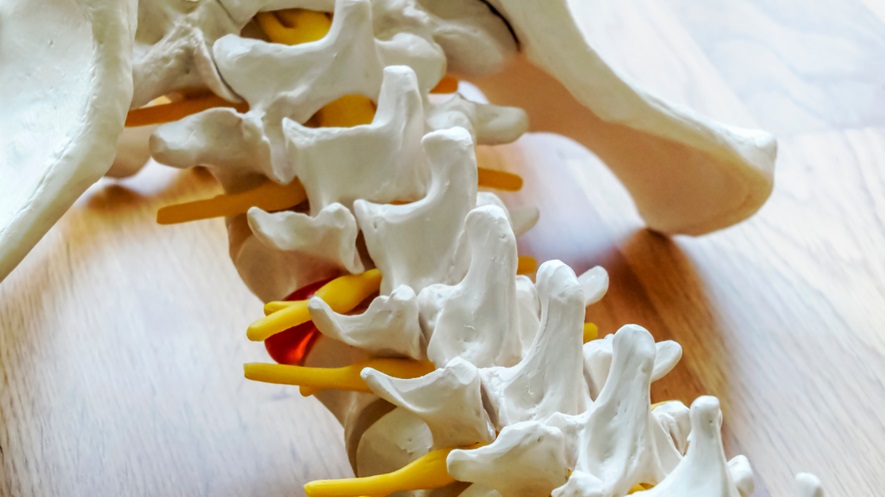
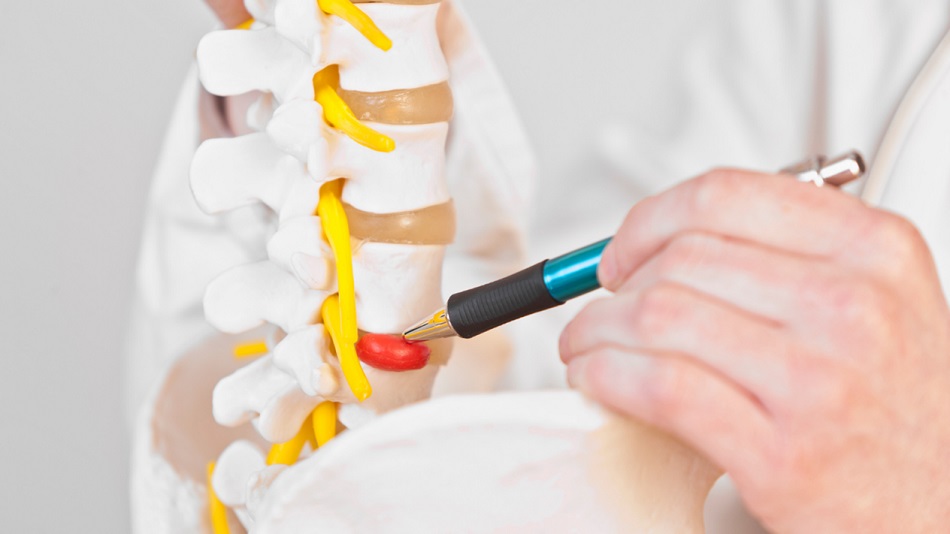
Living with a spinal cord stimulator can be an intimidating and confusing experience. The device is implanted in the body and used to modulate pain signals, allowing patients to achieve a higher level of comfort and mobility. While spinal cord stimulators can be extremely helpful in managing chronic pain, it is important to understand what the device entails and how to best care for it. In this article, we’ll cover the basics of living with a spinal cord stimulator and provide tips on how to ensure it is working optimally.

Living with a Spinal Cord Stimulator

A spinal cord stimulator is a device that is surgically implanted and connected to electrodes on the spine. It works by sending electrical signals to nerves in the spine in order to reduce pain and improve mobility. Spinal cord stimulators can be used to treat a variety of chronic pain conditions, including back pain, neck pain, and sciatica. The device can also be used to treat phantom limb pain and complex regional pain syndrome.

When living with a spinal cord stimulator, it is important to keep the device clean and make sure you’re changing the batteries regularly. It is also important to make sure that you are aware of any possible side effects and to contact your doctor if something feels off. Additionally, patients should be mindful of their posture, as this can have a significant impact on the efficacy of the device. In this case, it is ideal to consult with a medical professional for spinal cord stimulation in Chicago to ensure the safety and effectiveness of the device. They can also provide advice and guidance on how to best care for the device.

Tips for Caring for a Spinal Cord Stimulator

  1. Follow your doctor’s instructions for changing batteries, cleaning the device, and checking for any signs of infection.
  2. Avoid activities that could damage the device, such as excessive bending or stretching.
  3. Make sure to keep your stimulator away from electrical signals, such as laptops, televisions, and cell phones.
  4. Be aware of your posture. Poor posture can cause the spinal cord stimulator to be less effective.
  5. Tell your doctor immediately if you experience any side effects from the device, such as a tingling sensation, nausea, or dizziness.

To Conclude

Living with a spinal cord stimulator can be difficult, but it doesn’t have to be. By following the tips above and consulting with a medical professional, you can ensure that your device is working to its fullest potential. So don’t be afraid to take charge of your health – with a spinal cord stimulator, you can manage chronic pain and increase your quality of life.

If you are suffering from a herniated disc, you know how painful it can be. This condition can make it difficult to sleep or sit down for any length of time. In this article, we will discuss some methods that you can use to stop the pain and get relief. Let’s get started!

How to Reduce Pain from a Herniated Disc While Sitting and Sleeping?

First, you can try over-the-counter pain medication to help reduce the pain. If this does not work, the best you can do is to see a doctor for disc herniation in Chicago to get a proper diagnosis and treatment plan. The doctor may prescribe stronger pain medication or recommend physical therapy. This will help you to get relief and improve your condition.

Meanwhile, when you are sitting, make sure that you are using good posture. This means keeping your back straight and your shoulders down. You may also want to put a pillow behind your back for support. Try to sleep on your side or your stomach when you are sleeping. This will help take the pressure off of your back. It will also help to put a pillow under your knees to keep your back in alignment. In addition, it will also help if you know the best strategies for how to heal a herniated disc quickly, as this will also help with the pain.

Other Tips for Herniated Disc Pain Relief

  1. Take breaks often throughout the day: If you are sitting for long periods of time, make sure to stand up and move around every few hours. This will help to keep the pain from getting worse and will also help to reduce inflammation.
  2. Apply ice or heat: Applying ice or heat to the affected area can also help to reduce pain and swelling. You can try to alternate between the two or use whichever one seems to work best for you. Remember to wrap the ice or heat in a towel to protect your skin.
  3. Stretch and exercise: Stretching and exercising can also help to reduce pain and improve your overall condition. There are many different exercises that you can do to help with a herniated disc. You can talk to your doctor or physical therapist to find out which exercises are best for you.

To Conclude

Sleeping and sitting are two activities that can aggravate your symptoms, so it is important to find comfortable positions. You may need to experiment with a few different positions before you find one that works for you. With the right precautions and some trial and error, you can find a position that will help you get the rest and relief you need.

Looking for a way to reduce workplace pain and stress? Acupuncture may be the answer! This ancient Chinese practice has been shown to provide relief for a variety of conditions, including neck pain, back pain, and stress. In this article, we will discuss the top three benefits of acupuncture for workplace pain and stress. Keep reading to learn more!

1. Acupuncture Can Reduce Neck Pain

One of the most common complaints among office workers is neck pain. This can be caused by sitting in an uncomfortable position for long periods of time or by working at a computer all day. Neck pain can be extremely frustrating, and it can make it difficult to concentrate on your work.

Luckily, acupuncture can help! It helps by stimulating the release of endorphins, which are natural painkillers that can help to reduce neck pain. You may even consult with a doctor for acupuncture injection therapy in Davie and learn more about how this form of therapy can help to ease your neck pain.

2. Reduced Stress Levels

In today’s fast-paced world, it’s no surprise that stress levels are on the rise. Stress can take a toll on your mental and physical health, and it can make it difficult to focus on your work. If you’re looking for a way to reduce stress levels, acupuncture may be the answer.

Acupuncture has been shown to help reduce stress by stimulating the release of serotonin, a hormone that is known to promote relaxation. This can help you feel calmer and more focused, which can lead to improved work performance. You may even understand this in detail by learning how acupuncture works for pain, as this will give you a better understanding and allow you to be more critical.

3. Improved Circulation

Poor circulation can lead to a variety of health problems, including fatigue, muscle aches, and cold hands and feet. This can make it difficult to focus on your work and be productive. But moreover, if you have poor circulation, you may be at a higher risk for heart disease and stroke.

With the help of acupuncture, you can improve your circulation and reduce your risk of these serious health problems. Acupuncture helps to stimulate blood flow and improve circulation by opening up the blood vessels. This can lead to improved overall health and a decrease in workplace pain and stress.

Wrapping Up

Now you know the significant benefits of acupuncture for workplace pain and stress. If you’re looking for a way to improve the quality of your life and your work performance, acupuncture may be the answer. Give it a try and see for yourself!