

Author

Clare Louise

Browsing

Sepsis moves fast. When an infection triggers a body‑wide inflammatory storm, blood pressure drops, organs struggle, and tissue can die, sometimes forcing life‑altering amputations. Understanding how sepsis conditions progress, what warning signs matter, and which hospital decisions change outcomes helps patients and families act sooner. If they see red flags, they should Check Now with a clinician rather than wait: hours genuinely count. This guide connects the biology to the bedside and follows recovery through modern prosthetics, therapy, and emotional support.

The biological connection between sepsis and tissue necrosis

Sepsis is not just “a bad infection.” It’s the body’s dysregulated response to infection that derails circulation and immunity. That derailment explains why some survivors wake to devastating limb damage.

How sepsis starves tissues

In early sepsis, inflammatory mediators make blood vessels leaky and disrupt their ability to constrict and dilate. Fluid leaks into tissues, blood pressure falls, and microcirculation, those tiny capillaries that deliver oxygen, clogs and stalls. Even if large arteries stay open, cells downstream suffocate. When oxygen delivery can’t meet demand, tissues shift to anaerobic metabolism, acid builds up, and cells die. This cascade is one route to tissue necrosis.

The role of clotting and DIC

Many patients also develop a clotting imbalance. In disseminated intravascular coagulation (DIC), the body forms countless micro‑clots while simultaneously consuming clotting factors. These micro‑clots plug capillaries, causing mottled skin and sharply demarcated areas of ischemia, often in fingers and toes where circulation is most fragile. As tissue death advances, amputation may be the only way to remove non‑viable tissue and control infection.

Vasopressors: life‑saving, but with trade‑offs

When fluids alone can’t sustain blood pressure, clinicians use vasopressors (most commonly norepinephrine) to preserve blood flow to the brain, heart, and kidneys. That central rescue can have a peripheral cost: tightened vessels may further reduce blood supply to the hands and feet already threatened by sepsis. Not everyone on pressors experiences limb ischemia, but in those with severe shock, DIC, prolonged hypotension, or preexisting vascular disease, the risk of tissue loss increases.

Why source control matters

If the infection’s source (an abscess, infected device, or necrotic tissue) isn’t rapidly controlled, toxins and bacteria keep fueling the inflammatory blaze. Early, effective source control, drainage, debridement, removal of infected hardware, can stabilize microcirculation sooner and preserve limbs.

Warning signs patients should recognize for early infection control

Sepsis can develop from pneumonia, urinary infections, skin infections, dental abscesses, and more. Early recognition is the most realistic way to change the story before tissue damage takes hold.

Red flags that should prompt urgent care

  • Fever or chills with a new or worsening infection, or sometimes a low temperature under 96.8°F (36°C)
  • Rapid breathing, shortness of breath, or oxygen needs rising unexpectedly
  • Fast heart rate, new confusion, severe fatigue, or a sense of impending doom
  • Low blood pressure symptoms: dizziness, fainting, clammy skin
  • Severe pain, disproportionate to what the injury looks like
  • Skin changes near a wound: rapidly spreading redness, blisters, purple discoloration, or crepitus (a crackling feel) that could indicate necrotizing infection

If these appear, they should not wait, Check Now with urgent care or an emergency department, especially in older adults, pregnant patients, or those who are immunocompromised.

After hospitalization, watch the extremities

During and after sepsis treatment, new mottling, coldness, numbness, or color change in fingers and toes deserves immediate attention. Dark, non‑blanching areas, loss of capillary refill, and escalating pain can signal ischemia. Early vascular assessments, warming measures, and surgical consultation sometimes prevent progression.

Simple prevention that matters

  • Keep vaccinations current (influenza, COVID‑19, pneumococcal) to reduce common sepsis triggers.
  • For wounds: clean, cover, and re‑check daily: seek care for spreading redness or fever.
  • Manage chronic conditions (diabetes, peripheral arterial disease) that raise risk.
  • Know the mantra: infection + organ dysfunction = sepsis until proven otherwise.

Critical-care decisions that influence amputation outcomes

In the ICU, minutes and choices compound. Several evidence‑based steps can reduce the likelihood or extent of amputation.

Time to antibiotics and source control

Broad‑spectrum antibiotics within the first hour of recognizing sepsis are linked to better survival and less organ injury. Each delay increases risk. Source control, draining abscesses, debriding dead tissue, removing infected lines or prostheses, ideally occurs as soon as feasible, often within hours. The sooner the inflammatory driver is removed, the better the microcirculation tends to recover.

Hemodynamic strategy and vasopressor stewardship

  • Fluids first, but not forever: Balanced crystalloids help restore preload, while frequent reassessment (exam, ultrasound, lactate) prevents fluid overload that can worsen tissue edema.
  • Norepinephrine is first‑line: It supports mean arterial pressure with a lower risk of arrhythmias. Doses are titrated to the minimum that maintains perfusion.
  • Add‑ons with caution: Vasopressin or epinephrine may be needed in refractory shock. In patients developing digital ischemia, teams often pursue the fastest feasible wean while balancing organ perfusion.

Microvascular monitoring and protective measures

Early recognition of limb hypoperfusion guides action: warming, careful positioning to avoid pressure points, removing constrictive dressings, and considering vascular surgery input. When compartment syndrome is suspected, prompt fasciotomy can be limb‑saving.

Surgical timing and scope

Surgery isn’t a binary of “amputate or not.” Staged approaches, initial debridement, temporizing dressings, negative‑pressure therapy, can salvage more tissue and clarify future function. When amputation is necessary, level selection (transmetatarsal vs. below‑knee: ray resection vs. transradial) weighs infection control, vascular status, potential for prosthetic use, and the patient’s goals.

Multidisciplinary communication

Orthopedic, plastic, vascular, and critical‑care teams, plus wound care and rehabilitation, coordinate to set expectations. Families should hear candidly how sepsis conditions, pressor needs, and clotting changes affect limb prognosis.

Personalized prosthetic fitting for infection-related limb loss

Modern prosthetics can restore surprising levels of mobility and independence, but sepsis‑related limb loss brings unique fitting considerations.

When to start the prosthetic journey

It begins before the first socket. Once the residual limb is stable, edema improving, wounds closed, infection controlled, patients are fitted with shrinkers or rigid removable dressings to shape the limb and reduce pain. For many, an initial evaluation occurs 4–8 weeks after surgery, but complex wounds can push this later. A temporary (“test”) socket often precedes a definitive device as volume changes plateau.

Socket design and skin health

Sepsis survivors may have fragile skin, scar bands, or graft sites. Elevated‑vacuum systems can improve suspension and reduce shear: gel liners (silicone or TPE) cushion bony prominences: and flexible inner sockets accommodate sensitive areas. Antimicrobial liners and meticulous hygiene are crucial to prevent recurrent infections.

Lower‑limb options

  • Below‑knee (transtibial): Energy‑storing feet, microprocessor ankles for uneven terrain, and lightweight carbon frames can reduce effort.
  • Above‑knee (transfemoral): Microprocessor knees improve safety on stairs and variable speeds: stance control and stumble recovery features reduce falls.

Upper‑limb options

  • Body‑powered hooks and hands offer durability and strong proprioceptive feedback.
  • Myoelectric hands use surface muscle signals for intuitive control: multi‑articulating models provide grip patterns for daily tasks.
  • Task‑specific devices (adaptive tools, activity‑based terminal devices) often matter more than a single “do‑it‑all” hand.

Personalization beyond components

Lifestyle, work demands, hobbies, and home layout shape choices. A gardener’s socket padding priorities differ from a warehouse worker’s need for shock absorption. Frequent early follow‑ups tackle volume changes, skin hotspots, and alignment tweaks before small issues become setbacks.

Physical therapy milestones during post-sepsis rehabilitation

Sepsis survivors often face deconditioning on top of amputation. A clear, staged plan keeps progress visible and motivating.

Weeks 0–2 after surgery

  • Protect the incision, manage edema, and begin gentle range‑of‑motion to prevent contractures (hip flexors and knee flexors are common culprits).
  • Desensitization: light tapping, massage, and gradual pressure help the residual limb tolerate the socket later.
  • Core and upper‑body strengthening start early to support transfers and gait training.

Weeks 3–8: Pre‑prosthetic strengthening

  • Progressive resistance for hips, glutes, and quadriceps (for lower‑limb loss) or scapular stabilizers and rotator cuff (for upper‑limb loss).
  • Balance and proprioception drills: parallel bars, foam surfaces, weight shifts.
  • Cardiovascular conditioning with arm ergometers or seated intervals counters post‑ICU fatigue.

Early prosthetic training

Once a temporary prosthesis is fitted, therapy focuses on:

  • Donning and doffing, skin checks, sock ply adjustments.
  • Gait mechanics: step length, symmetrical weight bearing, and safe turning. For above‑knee users, stance‑phase stability and controlled knee flexion are priorities.
  • Functional tasks: sit‑to‑stand, curbs, stairs, and fall‑recovery strategies.

Return‑to‑life goals

By 3–6 months, many transtibial users walk household and community distances: transfemoral users often reach household independence with progressive community ambulation. Upper‑limb users target consistent wear time, reliable grip selection, and task efficiency (cooking, keyboarding, tool use). Progress is individualized, set goals in collaboration with the prosthetist and therapist, not by the calendar.


When it comes to urology, there’s no shortage of myths, misinformation, and awkward half-truths floating around. Whether it’s something you heard from a friend, read online, or just assumed over time, misconceptions can stop people from getting the care they need—or even recognizing a problem in the first place.

As a practicing urologist in Brooklyn, I’ve heard it all. And I’m here to clear things up.

Let’s debunk some of the most common urology myths and help you understand the truth about your urinary and reproductive health.

Myth #1: Only Older Men Need to See a Urologist

Fact: Urology isn’t just for older men—or men at all.

While it’s true that issues like prostate enlargement (BPH) are more common in aging men, urologists treat men, women, and children of all ages. Common reasons younger or female patients see a urologist include:

  • Recurrent UTIs
  • Kidney stones
  • Incontinence
  • Interstitial cystitis
  • Sexual health concerns
  • Pelvic pain

In Brooklyn, where many people are juggling work, family, and non-stop stress, even younger adults often experience symptoms worth checking out. Don’t let age or gender keep you from seeking care.

Myth #2: Erectile Dysfunction (ED) Is “All in Your Head”

Fact: While stress and mental health can impact sexual performance, ED often has physical causes—and it can be an early sign of more serious health problems.

Erectile dysfunction is frequently linked to:

  • Poor circulation or heart disease
  • Diabetes
  • Low testosterone
  • Medication side effects
  • Nerve damage

A urologist can help uncover the cause and offer real, effective treatment—not just a prescription and a pat on the back.

In fact, Brooklyn men experiencing ED may be at risk for underlying cardiovascular issues that should be addressed ASAP. So don’t ignore it—and don’t feel ashamed to talk about it.

Myth #3: Drinking More Water Can “Flush Out” a UTI

Fact: While staying hydrated helps maintain urinary tract health, water alone won’t cure a urinary tract infection.

A UTI is caused by bacterial infection, and once bacteria are established in the bladder or kidneys, you need targeted treatment—usually antibiotics—to eliminate them.

That said, if you’re prone to UTIs (a common issue for many Brooklyn women), a urologist can work with you on a long-term prevention strategy, which may include:

  • Proper hydration
  • Behavioral changes
  • Supplements or medications
  • Hormonal support (especially for postmenopausal women)

Myth #4: Blood in Your Urine Is Only a Problem If It Happens More Than Once

Fact: Even a single episode of blood in your urine (hematuria) is worth investigating.

It may be caused by something minor, like a UTI or strenuous exercise, but it could also indicate:

  • Kidney or bladder stones
  • A urinary tract tumor
  • Prostate issues
  • Infection or trauma

In a high-activity environment like Brooklyn, it’s easy to dismiss symptoms as stress or dehydration. But if you ever see red, pink, or tea-colored urine, schedule a check-up right away. A simple urine test can go a long way in detecting hidden issues early.

Myth #5: Incontinence Is Just a “Normal Part of Aging”

Fact: Urinary leakage is common—but not normal—and it’s highly treatable.

Many people, especially women, assume they just have to live with it after childbirth or as they get older. But modern urology offers a range of solutions, including:

  • Pelvic floor therapy
  • Medications
  • Non-invasive treatments
  • Minimally invasive procedures

Don’t let incontinence limit your lifestyle. Whether you’re commuting, working out, or just trying to enjoy a walk through Prospect Park, there’s no reason to suffer in silence.

Myth #6: A Urologist Is Just for Surgery

Fact: While urologists are trained surgeons, many urological issues can be treated without surgery.

We regularly treat conditions with:

  • Lifestyle changes
  • Oral medications
  • In-office procedures
  • Non-invasive therapies

In fact, one of the goals of a good urologist is to help you avoid surgery when possible by catching and treating issues early.

Why This Matters in Brooklyn

In a city as dynamic as Brooklyn, people often delay care because of busy schedules, cultural stigma, or uncertainty about where to go. But urological issues don’t wait—and neither should you.

The truth is, urology is about quality of life. Whether it’s pain, discomfort, sexual health, or bladder issues, the sooner you speak to a specialist, the faster you can find relief.

At [Your Practice Name], we’re proud to serve Brooklyn with:

  • Evidence-based care
  • Compassionate communication
  • Multilingual staff
  • Convenient appointments close to home

Final Thoughts: Don’t Let Myths Keep You From Getting the Care You Need

If you’ve been putting off a visit to the urologist because of fear, misinformation, or embarrassment, you’re not alone—but you don’t have to stay stuck.

Let’s replace myths with facts and stigma with support. We recommend urologist brooklyn.

Your dental health is the key to maintaining overall health, and one of the most basic aspects of oral care that you need to pay attention to prevent cavities. The preventive methods for cavities include the use of dental sealants as recommended by a dental practice in Glen Oaks, NY. Keep reading to learn more about dental sealants and how they play a major part in fighting cavities, as well as the process itself, their benefits, and why residents of Glen Oaks, NY should include this preventive measure in keeping themselves in the best oral health possible.

What are Dental Sealants?

Dental sealants are thin plastic coatings that are placed on the molars and premolars, which are the teeth in the rear, that are used for chewing. These teeth are more prone to cavities because of their pits and grooves, which may collect germs and food particles. By acting as a barrier, sealants lower the risk of tooth decay by keeping food particles and germs out of these cracks.

How Dental Sealants Are Placed

The procedures for the application of dental sealant are simple, pain-free, and can be done in one sitting at the clinic. Here’s how it’s done:

1. Cleaning the Teeth: The teeth needing seals are cleaned to remove all tooth decay and food particles from the teeth makeup.

2. Drying the Teeth: The teeth are then dried and wrapped with an absorbent material, such as cotton, to keep them dry during the procedure.

3. Applying the Acid Solution: Its activity is predominant in the chewing aspect of teeth so an acidic solution is applied to them. Etching is a roughening of the surface which assists the sealant in bonding to your tooth.

4. Rinsing and Drying Again: The acid solution is then rinsed from the teeth and they are dried again.

5. Applying the Sealant: The dental sealant is brushed onto the tooth enamel, where it attaches to the tooth and hardens. At times a special curing light is used to set the sealant as soon as possible.

Dental Sealants Benefits

There are many benefits to using dental sealants as part of our cavity prevention protocol:

1. Effective Cavity Prevention: Sealing the enamel of each tooth creates a barrier, which greatly decreases the opportunities for cavities. According to research, sealants can cut the chances of getting cavities in molars by almost 80%.

2. Long-Lasting Protection: Sealants last between 3-10 years before needing to be redone. They will also keep an eye on the state of the sealants when you come in for your regular dental check-ups and replace them, if necessary.

3. Painless and Non-Invasive: The process of placing dental sealants is fast, pain-free, and non-invasive, which makes it the perfect solution for patients who are fearful or hesitant to have treatment done.

4. Cost-Effective: In the long run, saving money with all of those cavities you have to fill costs more, and seals offer great insurance against having to get a filling, or crown, or root canal.

Preventing cavities is why dental sealants are so important, and they offer a simple solution that can also keep teeth strong through decades to come. When they become part of their oral health routine, it offers countless benefits such as a lower chance of cavities in Glen Oaks, NY residents better dental savings, and improved overall dental well-being. If you have not yet thought about dental sealants for you or your children, now is the perfect time to contact your family dentist and get started on fostering a healthier smile.

As you age, your skin undergoes a series of changes that can leave you looking worn and weathered. Fine lines, wrinkles, and loss of facial volume can erode your confidence and make you appear older than you feel. Fortunately, advancements in dermatology have led to the development of innovative treatments like Juvederm, a popular dermal filler designed to restore a smoother, more radiant complexion.

Let’s explore further about this innovative procedure offered by the dentist in Fairhope, AL that aids in overall rejuvenation. 

What is Juvederm?

Juvederm is a non-surgical, hyaluronic acid-based dermal filler used to restore lost facial volume, smooth wrinkles, and enhance facial contours. Approved by the FDA in 2006, Juvederm is a biocompatible, biodegradable gel composed of cross-linked hyaluronic acid, a naturally occurring substance in the body. Injected into targeted areas, Juvederm attracts and retains moisture, instantly adding volume and hydration to correct moderate to severe facial wrinkles and folds, such as nasolabial folds, marionette lines, and lip lines. Juvederm provides customizable, long-lasting results, typically lasting up to 12 months, making it a popular choice for individuals seeking a minimally invasive, effective solution for rejuvenating their appearance.

Types of Juvederm

  • Juvederm Ultra XC: Suitable for moderate to severe wrinkles and folds.
  • Juvederm Ultra Plus XC: Thicker formula for deeper wrinkles and volume loss.
  • Juvederm Voluma XC: Designed for cheek augmentation and facial volume restoration.
  • Juvederm Volbella XC: For lip augmentation and fine line correction.
  • Juvederm Vollure XC: Addresses moderate to severe wrinkles and folds.

When is Juvederm contraindicated?

Juvederm is not recommended for:

  • Pregnant or breastfeeding women
  • Individuals with severe allergies
  • Those with autoimmune disorders
  • Patients with active skin infections

How does Juvederm work?

Juvederm works by harnessing the power of hyaluronic acid, a naturally occurring substance in the body, to replenish lost facial volume and smooth wrinkles. When injected into targeted areas, Juvederm’s hyaluronic acid gel attracts and retains moisture, instantly adding volume and hydration. 

This process helps to:

  • Fill wrinkles and folds: Juvederm fills in deep lines and creases, reducing their appearance.
  • Restore lost volume: Juvederm replenishes facial volume, reviving a more youthful contour.
  • Enhance facial contours: Juvederm defines facial features, such as lips, cheeks, and jawlines.

As the hyaluronic acid gel integrates with the surrounding tissue, it:

  • Stimulates collagen production
  • Improves skin elasticity
  • Enhances skin texture

Over time, the body naturally breaks down the hyaluronic acid, making Juvederm a temporary, yet effective, solution for maintaining a smoother, more radiant complexion. With optimal treatment, results can last up to 12 months, depending on individual response and product selection.

What are the benefits of Juvederm?

The benefits of Juvederm include:

  • Long-lasting results: Up to 12 months, depending on the product and individual response.
  • Minimally invasive: Quick, in-office procedure with minimal downtime.
  • Customizable: Tailored to address specific concerns and facial features.
  • Natural-looking results: Subtle, yet effective enhancements.
  • Proven safety: Extensive clinical trials and FDA approval.

What to expect during the treatment?

You can expect the following procedural steps while using Juvederm:

  • Consultation: Discuss concerns and determine the best Juvederm product.
  • Preparation: Cleanse and numb the treatment area.
  • Injection: Juvederm is injected using a fine needle.
  • Massage: Gentle manipulation to ensure even distribution.
  • Follow-up: Schedule a post-treatment checkup.

Wrapping up

Juvederm offers a safe, effective, and minimally invasive solution for rejuvenating the appearance and restoring facial volume. With its advanced hyaluronic acid technology and customizable range of products, Juvederm provides long-lasting results, typically lasting up to 12 months. By addressing moderate to severe wrinkles, folds, and volume loss, Juvederm helps individuals regain a smoother, more radiant complexion and renewed confidence. With millions of treatments performed worldwide and a strong track record of safety and efficacy, Juvederm has established itself as a leader in the realm of dermal fillers. 


In recent years, the medical community has witnessed a significant breakthrough in the treatment of type 2 diabetes and obesity with the introduction of semaglutide injections. This innovative medication offered at the medical spa in Lancaster has shown remarkable efficacy in promoting weight loss and improving glycemic control, offering new hope for individuals struggling with these conditions. 

In this article, we will delve into the world of semaglutide injections, exploring their mechanism of action, benefits, potential side effects, and practical considerations for patients.

What is the mechanism of action of Semaglutide injections?

Semaglutide, a glucagon-like peptide-1 (GLP-1) receptor agonist, works through several mechanisms to achieve its therapeutic effects:

  • GLP-1 receptor activation: Semaglutide binds to GLP-1 receptors in the body, mimicking the action of natural GLP-1 hormone.
  • Insulin secretion: Activated GLP-1 receptors stimulate insulin secretion from pancreatic beta cells, improving glucose uptake in muscles and reducing glucose production in the liver.
  • Glucagon suppression: Semaglutide reduces glucagon secretion, leading to decreased glucose production in the liver and improved glucose metabolism.
  • Delayed gastric emptying: Semaglutide slows gastric emptying, reducing postprandial glucose spikes and improving glucose control.
  • Appetite suppression: Activation of GLP-1 receptors in the brain reduces appetite and increases feelings of fullness, leading to weight loss.
  • Cardiovascular effects: Semaglutide has been shown to lower blood pressure, reduce inflammation, and improve lipid profiles, contributing to its cardiovascular benefits.
  • Beta-cell protection: Semaglutide may help protect pancreatic beta cells from damage, preserving insulin secretion capacity.

By targeting multiple pathways, semaglutide effectively improves glycemic control, promotes weight loss, and reduces cardiovascular risk in patients with type 2 diabetes and obesity.

What are the benefits of Semaglutide injections?

Semaglutide injections offer several benefits, including:

  • Improved glycemic control: Reduces HbA1c levels, fasting plasma glucose, and postprandial glucose excursions.
  • Significant weight loss: Achieves substantial weight reduction, with an average loss of 10-15% of initial body weight.
  • Cardiovascular risk reduction: Lowers the risk of major adverse cardiovascular events, such as heart attacks, strokes, and deaths.
  • Blood pressure reduction: Decreases systolic and diastolic blood pressure.
  • Lipid profile improvement: Reduces triglycerides, LDL cholesterol, and total cholesterol.
  • Improved renal outcomes: Reduces the risk of kidney damage and slows kidney function decline.
  • Reduced risk of hypoglycemia: Lowers the risk of hypoglycemic events compared to other diabetes medications.
  • Convenient once-weekly dosing: Easy to administer and incorporate into a patient’s treatment regimen.
  • Potential anti-inflammatory effects: May have anti-inflammatory properties, which could contribute to its cardiovascular benefits.
  • Beneficial effects on quality of life: Improves patient-reported outcomes, such as health-related quality of life and treatment satisfaction.

How are Semaglutide injections administered and what is the dosage?

Administration

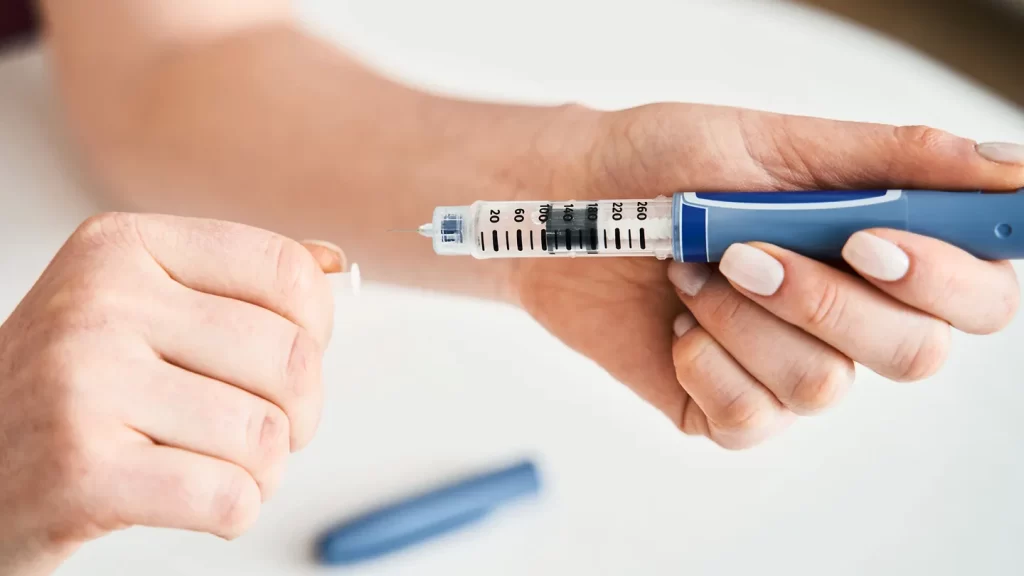
  • Semaglutide injections are administered via subcutaneous injection once weekly.
  • Inject in the abdomen, thigh, or upper arm.
  • Rotate injection sites to minimize local reactions.
  • Patients can self-administer or have a healthcare professional administer the injection.

Dosage

  • Initial dose: 0.5 mg once weekly for 4 weeks.
  • Maintenance dose: 1.0 mg once weekly.
  • Maximum dose: 1.0 mg once weekly.

It’s essential to follow the recommended administration and dosage guidelines to ensure safe and effective treatment with semaglutide injections.

Practical Considerations

  • Patients should be monitored for signs of pancreatitis and thyroid cancer
  • Semaglutide may increase the risk of hypoglycemia when used with other diabetes medications
  • Patients should follow a healthy diet and exercise regimen to maximize weight loss benefits

Bottom line 

Semaglutide injections represent a groundbreaking advancement in the treatment of type 2 diabetes and obesity. By harnessing the power of GLP-1 receptor agonism, semaglutide offers a safe and effective solution for patients seeking to manage their condition and achieve significant weight loss. As with any medication, it’s essential to discuss the potential benefits and risks with a healthcare professional to determine if semaglutide is right for you.


Offering a sturdy and natural-looking substitute for dentures and bridges, dental implants have grown in favor as a remedy for lost teeth. However, the lifetime and effectiveness of dental implants mostly rely on good maintenance and care, most of which is your family dentist’s responsibility. This post will discuss the important part a family dentist in Lakewood Ranch plays in the long-term management of your dental implants so they will stay healthy and functioning for many years to come.

Introduction to Dental Implants

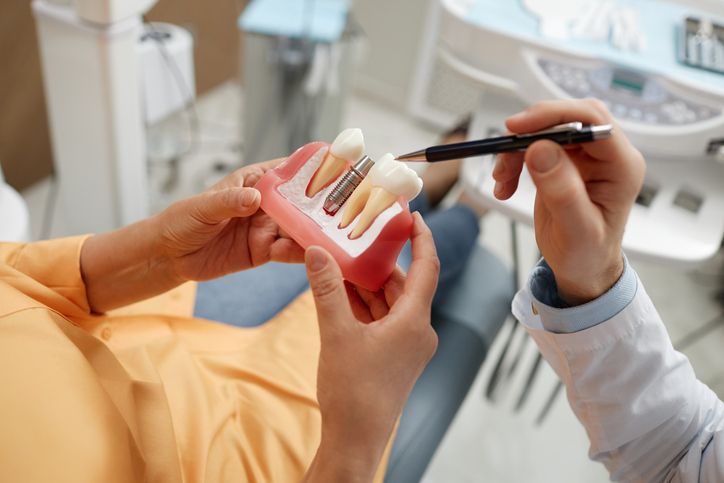
As synthetic roots for new teeth, titanium posts are surgically inserted into the jawbone from dental implants. These implants provide a solid basis for either detachable or fixed replacement teeth meant to complement your original teeth. 

Although dental implants have a high success rate and many advantages, including enhanced appearance, speech, comfort, and oral health, they need continuous maintenance to maintain their function and cosmetic appeal.

The Importance of a Family Dentist in Implant Maintenance

Long-term maintenance of your dental implants depends much on your family dentist. These are the main reasons your implants remain successful and last:

  1. Regular Check-ups and Monitoring

Regular check-ups to track the stability and general state of your dental implants constitute one of the most important duties of a family dentist. During these regular appointments, the dentist may evaluate the state of your implants, surrounding gums, and jawbone, thus guaranteeing no evidence of infection, bone loss, or other issues. Early identification of any abnormalities can help preserve the integrity of your implants and help prevent more serious problems from occurring.

  1. Professional Cleaning

Although they do not disintegrate as naturally occurring teeth do, dental implants are nonetheless vulnerable to gum disease and plaque development. Professional cleaning treatments from your family dentist will remove tartar and plaque missed by daily brushing and flossing. By helping to avoid peri-implantitis, a disorder comparable to gum disease that can cause implant failure if untreated.

  1. Personalized Oral Hygiene Advice

Perfect oral hygiene is essential for the lifetime of dental implants. Your family dentist will give personalized recommendations on how to keep your implants clean and healthy. This might include suggesting particular floss, interdental brushes, or toothbrushes meant for use with implants. Your dentist will also stress the need for consistent brushing, flossing, and using an antimicrobial mouthwash to lower the risk of illness.

  1. Addressing Gum Health

The success of dental implants depends on healthy gums. Gum disease might damage the durability of your implants, so your family dentist will regularly check your gum condition. If any indicators of gum disease arise, your dentist will advise suitable treatments, like thorough cleaning (scaling and root planing), to stop further damage and guarantee that your gums will stay healthy and support your implants.

The Role of a Family Dentist in Educating Patients

Apart from offering immediate treatment, a family dentist is very important in teaching patients about the long-term maintenance of their dental implants. This education includes:

  • Appreciating the Need for Frequent Visits: Many people might not understand the need for ongoing dental treatment after implant placement. Your family dentist will inform you of the requirement of frequent visits to track implant conditions and avoid any problems.
  • Diet Advice: Certain foods and behaviors might impact Your implants’ health. Your family dentist will counsel against behaviors like smoking, which raises the chance of implant failure, and provide direction on keeping a balanced diet that promotes oral health.

Conclusion

Long-term management of your dental implants depends much on the work of a family dentist. Your family dentist is your partner in guaranteeing the success and lifetime of your implants, from routine monitoring and thorough cleaning to tailored guidance and handling issues. Following advice and keeping a strong connection with your dentist can help you enjoy the numerous advantages of your dental implants for years to come, promoting your general oral health and well-being.

Your child tells you their tooth is loose as they rush into your room. It is now officially happening! Their huge kid smile is taking the place of their cute baby smile.

But as the days go by, you will discover that your child gets more irritated with their loosened tooth and that you can also see the apparent indication of their new permanent teeth erupting. Does that require any concern? If you are living in Merced, you have a lot of options for dental clinics. However, if your kid’s baby tooth does not fall out, contact Merced dentist.

Your baby’s tooth is not falling out–What’s next?

This is a common parental frustration. We all remember the times our parents or siblings tried to extract our loose teeth by slamming doors and tying cords to our teeth. Avoid trying this at home, please!

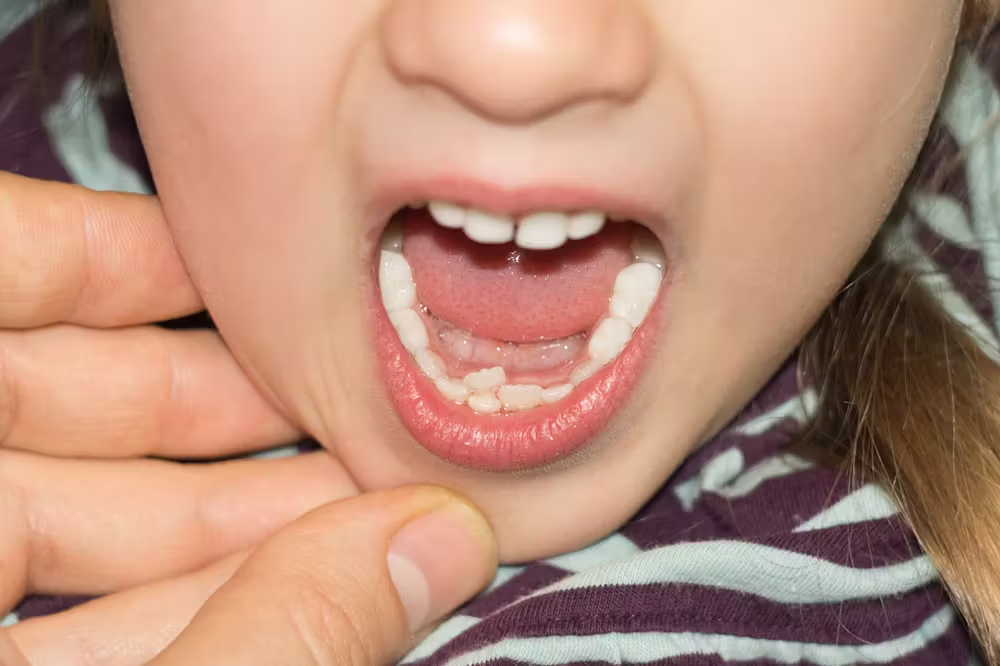
Therefore, will a loose tooth come out by itself? Yes, definitely! And these infant teeth are keen about staying in place for a reason. Neural tissue and roots are found in newborn teeth as well. These teeth have to fall out because the nerves and roots have to break down organically. Then, as their permanent teeth erupt, they fall out with less effort. Your child’s baby tooth may be loosened but not fall out because some permanent teeth take longer to erupt.

How can you extract the loose tooth comfortably?

So, what do you do if extracting teeth with the old string method is not safe? There are a few simple techniques you can try to extract a loose tooth, but sometimes the only solution is patience.

  1. Wiggle it gently

Most likely, your child is already doing this! Simply remind them to clean their hands before letting them touch their teeth, and show them how to do it gently.

  1. Eat crunchy foods

One safe and natural technique to loosen teeth is to bite and chew on an apple or carrot. As a further advantage, you get to see your child eat nutritiously!

  1. Rinse with warm water.

Tell your child to rinse in warm salt water to soothe any pain and reduce inflammation—especially if they are able to get out their loose tooth!

What happens if gum becomes attached to the loose tooth?

Waiting for your child’s loose tooth to fall out naturally is still a good idea in this case. But do not worry—the end is near! For a brief time, the gums will stick to this loose tooth until realizing the roots and nerves have been destroyed and separated from the tooth.

Your baby’s tooth is not falling out, and a new tooth is coming. What should you do next?

Do not worry! This is a common and normal situation. Do you recall that your child’s erupting permanent teeth would gently push out their loose baby tooth? This is precisely what is taking place!

A loose baby tooth should not be pulled or tugged because this could harm the permanent tooth that is just erupting.

When is the appropriate time to see a doctor regarding a baby tooth that refuses to come out?

From the moment your child turns six, it is suggested that you take them to the dentist. The baby’s teeth begin to fall out at this age. Your pediatric dentist is able to track the growth of your child’s jaw and teeth. Usually, there will not be much tooth loss or eruption between the ages of 8 and 10. It may be essential to undergo interceptive orthodontic treatment during this “break” of two years. For this reason, by the age of seven, the American Association of Orthodontics advises that all children get a diagnosis. 

A panoramic x-ray taken by a pedodontist is also a good idea when the incisors begin to develop, which is often around the age of six or eight. The dentist can then verify that the remaining teeth are erupting correctly or not.

Xerostomia also known as dry mouth is the condition in which your mouth does not make enough saliva to keep it wet. Although it might not seem like a major issue, xerostomia can have an extreme effect on your oral health and overall comfort says a dentist in Boynton Beach. This is why it is important to know where the associated causes, symptoms, and treatments for xerostomia are in Boynton Beach.

What Is Xerostomia?

Xerostomia is when the salivary glands fail to produce enough saliva to keep your mouth moist. Saliva is essential for maintaining oral health and neutralizing acids, digesting food, and well as used against tooth decay and gum diseases. Reduction in saliva production may result in various complications such as speech, eating, and swallowing difficulty.

Causes:

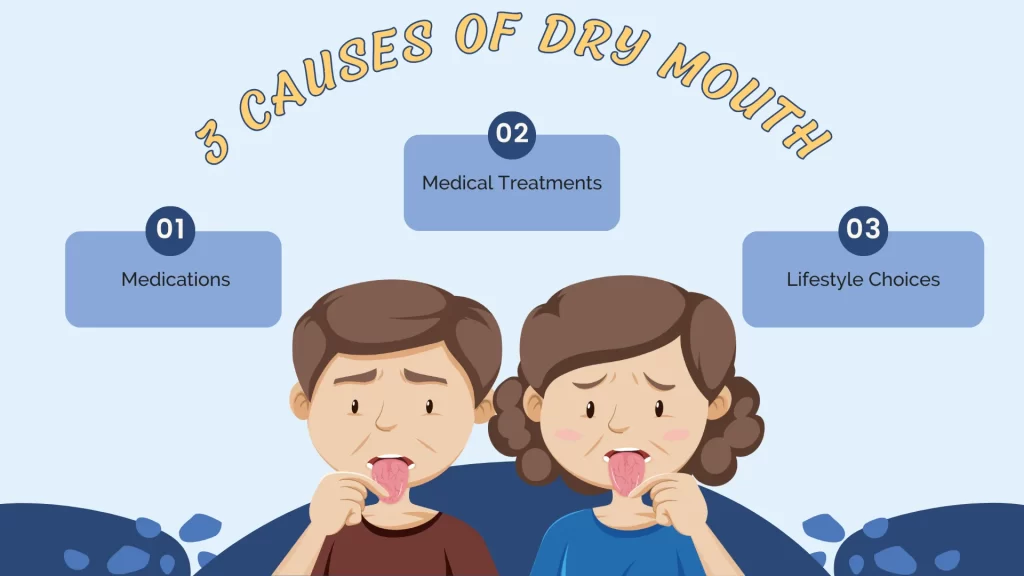
Xerostomia can be caused by some factors, and finding its cause is essential to treating it properly. Some common causes include:

1. Medications: Some prescription and over-the-counter medications can cause dry mouth. These can include antihistamines, decongestants, painkillers, and medications for high blood pressure or depression.

2. Aging: As people grow older, their salivary glands may naturally produce less saliva and a dry mouth is the outcome. Moreover, dry mouth is often a side effect of medication taken by the older population.

3. Illnesses or Diseases: Certain diseases — diabetes, Parkinson’s disease, and Sjogren’s syndrome can contribute to xerostomia. Radiation therapy for cancer, especially when aimed at the head and neck, can damage salivary glands as well.

4. Dehydration: A dry mouth can be triggered by dehydration when the body loses more fluids than it takes in through pressure or some other reasons such as exercise and high temperature.

5. Lifestyle: Practices like smoking or biting tobacco, and consuming excessive alcohol and air via the mouth can cause xerostomia.

A Big Impact on Oral Health from Xerostomia

That is a lot of potential impact on oral health! A dry mouth can put anyone at a higher risk of cavities, gum disease, and also oral infections coz there is not enough saliva to protect the teeth and gums. Saliva is also essential in rinsing out food particles and bacteria, so when you lack saliva flow chances of having bad breath and suffering from dental cavities increase.

Also, xerostomia can become a nuisance in your day-to-day. making it hard to enjoy food and speak properly; It can even translate to inconvenience and hatred in the mouth, making it harder for people to do everyday processes.

Treatment Strategies for Dry Mouth

Two key elements must be recognized while treating xerostomia — dealing with primary symptoms and tackling the root of the problem. Here are the common treatment options:

1. Water: Ensure you are well-hydrated. Make sure that you stay hydrated throughout the day as well by drinking water and avoiding alcohol or caffeine (both of which can also cause dehydration).

2. Over-the-counter saliva substitutes and oral rinses: These are designed to act like natural saliva and can help relieve dryness in the mouth as well as any discomfort it may cause.

3. Dietary Changes: Avoiding sugary or acidic foods, which can exacerbate tooth decay – a typical complication of xerostomia, can help. Chewing sugar-free gum or sucking on sugar-free candies can also assist in triggering the salivary glands to create saliva.

4. Addressing Underlying Conditions: If your xerostomia is caused by a certain disease or medication, your healthcare provider can recommend a different set of drugs to reduce the affliction or adjust your treatment strategy.

Xerostomia is far more than just an awkward sensation; it can have severe repercussions on your oral health. For Boynton Beach residents, being acquainted with symptoms, reasons, and treatment options for xerostomia is crucial for combating the disease. You may limit the health risks linked with xerostomia with good hydration, good oral hygiene, and expert dental treatment.

As primary caregivers and role models, parents play a vital role in shaping their child’s oral health habits and attitudes. By instilling good habits, monitoring dietary choices, and encouraging regular dental check-ups, parents can significantly impact their children’s oral health and set them up for a lifetime of healthy smiles. With their influence and guidance, parents can help their kids develop essential skills and routines that will benefit their overall health and well-being, making them crucial partners in improving oral health in kids.

Through this article, the dentist in Fresno explores the significant role parents play in improving oral health in kids, providing practical tips to ensure a healthy, happy smile for years to come.

Understanding the importance of oral health in kids 

Oral health is crucial for kids’ overall well-being, impacting their:

  • Self-esteem: A healthy smile boosts confidence and self-assurance.
  • Nutrition: Proper chewing and digestion ensure adequate nutrient absorption.
  • Communication: Clear speech and articulation rely on healthy teeth and gums.
  • Academic performance: Pain and discomfort can affect concentration and learning.
  • Social interactions: A healthy smile fosters positive social relationships.
  • Overall health: Research links oral health to systemic conditions like diabetes and heart disease.
  • Development: Proper oral health supports healthy growth and development.
  • Quality of life: Good oral health enhances overall comfort, happiness, and well-being.

Parental responsibilities in improving kid’s oral health 

Parental responsibilities in improving kids’ oral health include:

  • Supervising brushing and flossing: Ensuring proper technique and frequency.
  • Encouraging healthy habits: Promoting regular brushing, flossing, and dental check-ups.
  • Monitoring diet: Limiting sugary snacks and drinks, and encouraging a balanced diet.
  • Scheduling dental visits: Regular check-ups for preventive care and early detection.
  • Educating and motivating: Teaching oral health importance, encouraging good habits.
  • Leading by example: Demonstrating good oral hygiene habits themselves.
  • Making oral care fun: Using child-friendly products, making routines engaging.
  • Addressing concerns: Informing dentists of any oral health issues or concerns.
  • Providing necessary resources: Ensuring access to fluoride toothpaste, toothbrushes, and dental care.
  • Staying involved: Participating in oral health discussions, asking questions, and seeking guidance.

Exploring the negative consequences of poor oral health in kids

Poor oral health in kids can lead to:

  • Tooth decay: Pain, infection, and potentially, tooth loss.
  • Pain and discomfort: Affecting eating, speaking, and overall well-being.
  • Infections and abscesses: Potentially life-threatening if left untreated.
  • Malocclusion and orthodontic issues: Misaligned teeth, bite problems, and costly corrections.
  • Low self-esteem and confidence: Impacting social interactions, school performance, and emotional development.
  • Nutritional deficiencies: Difficulty chewing and digesting food, leading to malnutrition.
  • Speech difficulties: Articulation problems, affecting communication and social skills.
  • Systemic health issues: Links to diabetes, heart disease, and other systemic conditions.
  • Emergency visits and hospitalizations: Unnecessary costs, stress, and potential complications.
  • Long-term oral health problems: Increased risk of gum disease, tooth loss, and ongoing oral health issues.
  • Impact on academic performance: Pain, discomfort, and distraction affecting school attendance and grades.
  • Social and emotional consequences: Teasing, bullying, and emotional distress due to appearance or oral health issues.

Bottom line 

Parents play a vital role in shaping their children’s oral health habits and attitudes, laying the foundation for a lifetime of healthy smiles. By taking an active role in their child’s oral care, parents can help prevent oral health issues, promote good habits, and ensure regular dental check-ups. Through education, encouragement, and leading by example, parents can empower their kids to develop essential skills and routines to benefit their overall health and well-being. By prioritizing oral health, parents can give their children the gift of a healthy, confident smile, setting them up for success in all aspects of life.


Bioidentical Hormone Replacement Therapy (BHRT) is an increasingly popular approach for managing hormonal imbalances, especially in people experiencing symptoms related to aging, menopause, or andropause. Choosing the right BHRT practitioner is critical to ensure safety, effectiveness, and personalized care. With numerous options available, finding a provider who truly understands your needs can feel overwhelming. This article offers a step-by-step guide to help you make an informed decision.

Understand What BHRT Is

Before selecting a practitioner, it’s essential to have a basic understanding of what BHRT involves. BHRT uses hormones that are chemically identical to those produced by the human body. These are typically derived from plant sources and are formulated to match your body’s hormone levels. The treatment aims to restore hormonal balance and alleviate symptoms like fatigue, mood swings, weight gain, and reduced libido.

Check Credentials and Certifications

One of the first things to verify is whether the practitioner is licensed and has specialized training in hormone therapy. Look for certifications from reputable organizations such as the American Academy of Anti-Aging Medicine (A4M) or the Institute for Functional Medicine (IFM). These credentials indicate that the provider has undergone rigorous training in hormone balance and functional health.

Evaluate Experience and Specialization

Experience matters significantly in hormone therapy. You’ll want a practitioner who has been treating patients with BHRT for several years and stays updated with the latest research and best practices. Some clinics, like Quest 4 Health bhrt practitioners, are known for integrating a comprehensive approach, blending medical insight with personalized treatment plans. While evaluating experience, ask how many patients they’ve treated with BHRT and whether they handle cases similar to yours.

Review the Initial Consultation Process

A good BHRT practitioner will offer a thorough initial assessment. This typically includes a detailed medical history, lifestyle evaluation, and extensive lab testing to measure hormone levels. Avoid practitioners who suggest treatment without adequate diagnostics or those who rely solely on symptom questionnaires. The consultation should help the provider understand your unique hormonal needs and health goals.

Look for a Personalized Treatment Plan

BHRT is not a one-size-fits-all solution. A quality practitioner should tailor your treatment based on comprehensive diagnostics, taking into account your lifestyle, medical history, and symptom profile. This might include custom-compounded hormone prescriptions, dietary advice, and follow-up lab testing. Personalized care ensures greater accuracy and minimizes potential side effects.

Ask About Follow-Up and Monitoring

Ongoing monitoring is a vital part of BHRT. Hormone levels can fluctuate, and your body’s response to treatment can change over time. A responsible practitioner will schedule regular follow-ups to adjust dosages and monitor progress. Ask how often follow-up appointments occur and whether they use blood, saliva, or urine tests to track hormone levels.

Check Reviews and Testimonials

Online reviews and patient testimonials can provide insight into the practitioner’s effectiveness and bedside manner. Look for feedback on how well the practitioner listens, explains treatment options, and supports patients throughout the process. Pay attention to any red flags such as lack of communication, inconsistent care, or unresolved side effects.

Assess Communication and Comfort Level

You should feel comfortable discussing sensitive health issues with your BHRT provider. The right practitioner will take time to listen, answer your questions, and involve you in decision-making. Good communication fosters trust and leads to better treatment outcomes.

Conclusion

Selecting the right BHRT practitioner is a critical decision that can impact your health and well-being for years to come. By focusing on qualifications, experience, personalization, and ongoing support, you can find a provider who aligns with your health goals. BHRT is a powerful tool, but only when guided by expert hands committed to holistic and informed care.