

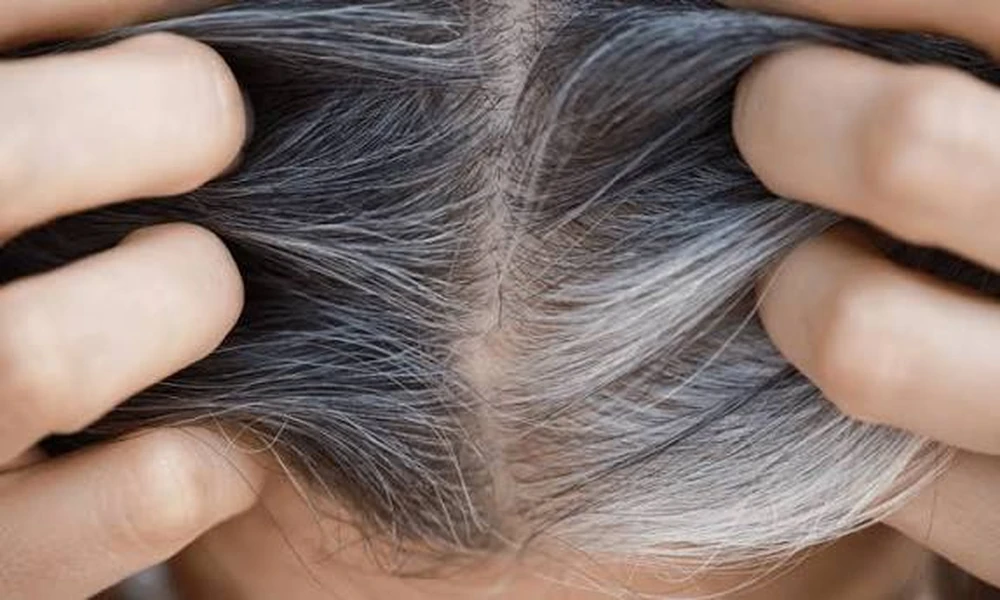
Hair fall can literally be frustrating to deal with on a daily basis. It is especially being noticed when you start noticing more strands on your pillow, comb or bathroom floor.
With so many shampoos now featuring botanical ingredients, saw palmetto shampoo for hair loss has literally become a very popular option for people who are actually looking for a more targeted hair-care routine.
Saw palmetto is a plant extract that has been studied for its potential role in hair thinning. It has particularly been researched in androgenetic or pattern hair loss.
Some research on topical and oral saw palmetto preparations has also noticed improvements in hair shedding, density or hair count.
The overall evidence is still limited and saw palmetto specifically in rinse-off shampoos are not strong enough to say that it can totally treat or reverse hair loss.
So, what is saw palmetto, how might it work and should you consider a shampoo which is power-packed with it?
What Is Saw Palmetto?
Saw palmetto is scientifically known as Serenoa repens which come from dark berries of Saw Palmetto Palm. It is a small palm plant native to the southeastern United States.
Its fruit contains compounds that have been investigated for various health as well as cosmetic applications. In hair-care products, saw palmetto extract is very often included in formulations.
It is very expertly designed for people who are actually concerned about thinning hair and excessive shedding.
Interest in the ingredient partly comes from its potential effects on androgen-related pathways. Laboratory or proposed mechanisms do not automatically mean that a shampoo will produce the same results in people.
This is why it is very crucial to look at clinical evidence rather than totally relying only on the ingredient’s reputation.
How Might Palmetto Help With Hair Loss?
Saw palmetto has been investigated because of its potential anti-androgenic activity. One area of interest is its possible effect on 5-alpha-reductase. It is an enzyme which is involved in the conversion of testosterone into dihydrotestosterone or DHT.
DHT is involved in androgenetic hair loss. In people who are genetically susceptible to this type of hair loss, hair follicles can become smaller, producing finer as well as shorter hair over a period of time in a gradual manner. Saw palmetto could have a role in supporting hair growth or reducing hair loss.
Saw Palmetto Shampoo vs Hair Loss Treatment
A shampoo and a medical hair-loss treatment totally serve different purposes.
A shampoo can help with all these:
- Cleansing the scalp
- Removing excess oil and buildup
- Supporting regular scalp hygiene
- Conditioning the hair, depending on the formula
- Reducing some forms of breakage
- Adding targeted cosmetic ingredients to your routine
A medical treatment is selected according to the underlying overall cause of hair loss.
For example, female pattern hair loss is a very common form of hereditary hair loss. Experts identify topical minoxidil as an established treatment option for female pattern hair loss. A saw palmetto shampoo should not automatically be considered an alternative to medically established treatments.
Who May Consider Saw Palmetto Shampoo?
Someone who is looking for a shampoo which is designed specifically around hair-thinning concerns may consider a saw palmetto formulation as part of their regular hair-care routine.
It may be particularly appealing if you want all these:
- A botanical-focused ingredient
- A shampoo aimed at thinning-hair concerns
- A targeted alternative to a basic cleansing shampoo
- A simple addition to your existing hair-care routine
Your expectations should remain realistic. If your hair is becoming progressively thinner then changing shampoos alone may not address the underlying reason.
What Should You Look for in a Saw Palmetto Shampoo?
Make sure not to simply choose a shampoo only because saw palmetto appears prominently on the label.
Also consider:
- Your scalp type
- The complete ingredient list
- Whether your hair is dry or oily
- Whether the shampoo is suitable for frequent use
- Whether it contains ingredients that your scalp does not tolerate
- The product’s directions for use
- Whether your expectations are realistic
If your scalp becomes oily in a rapid manner then you may prefer a lighter cleansing formula. If your lengths are dry then make sure to pair the shampoo with a suitable conditioner.
Can Saw Palmetto Shampoo Regrow Hair?
There is currently insufficient evidence to claim that saw palmetto shampoo can totally regrow hair.
Some topical as well as oral saw palmetto preparations have shown encouraging results in clinical studies but those formulations as well as methods of administration differ from ordinary shampoo.
So, terms such as guaranteed regrowth, permanent hair restoration or stopping hair loss completely should be approached in a very cautious manner.
The best shampoo for hair fall can be a useful part of a hair-care routine without being a cure for hair loss.
Consider professional evaluation if you notice all these:
- Sudden or heavy shedding
- A widening hair part
- Noticeable thinning on the scalp
- Bald patches
- Receding areas
- Persistent scalp itching or inflammation
- Hair loss that continues for several months
- Rapidly worsening hair density
Hair loss has many causes and the correct treatment totally depends on identifying the underlying cause.
A dermatologist can examine the scalp, assess the pattern of hair loss as well as determine whether further investigation or treatment is appropriate.
Final Thoughts
Saw palmetto is a very interesting botanical ingredient. It has attracted attention in the hair-loss space. Research involving certain topical and oral saw palmetto preparations has produced encouraging findings, but the evidence is still developing.
For this reason, saw palmetto shampoo can be the best anti hair fall shampoo which is considered a supportive hair-care option but it should not be presented as a guaranteed treatment for hair loss or hair regrowth.
If your main concern is breakage, dryness or general hair care then choosing a suitable shampoo for hair and following a gentle routine can help maintain the condition of your hair.
If you are experiencing persistent shedding or progressive thinning then identifying the total cause is very crucial than simply changing shampoos. A dermatologist can totally help determine whether the problem is related to hereditary hair loss, hormonal changes, nutritional issues, scalp conditions or another factor.
The best hair-loss routine is ultimately one that actually matches the cause of your hair concern, your scalp type as well as the level of evidence behind the treatment you choose.

Comments are closed.