

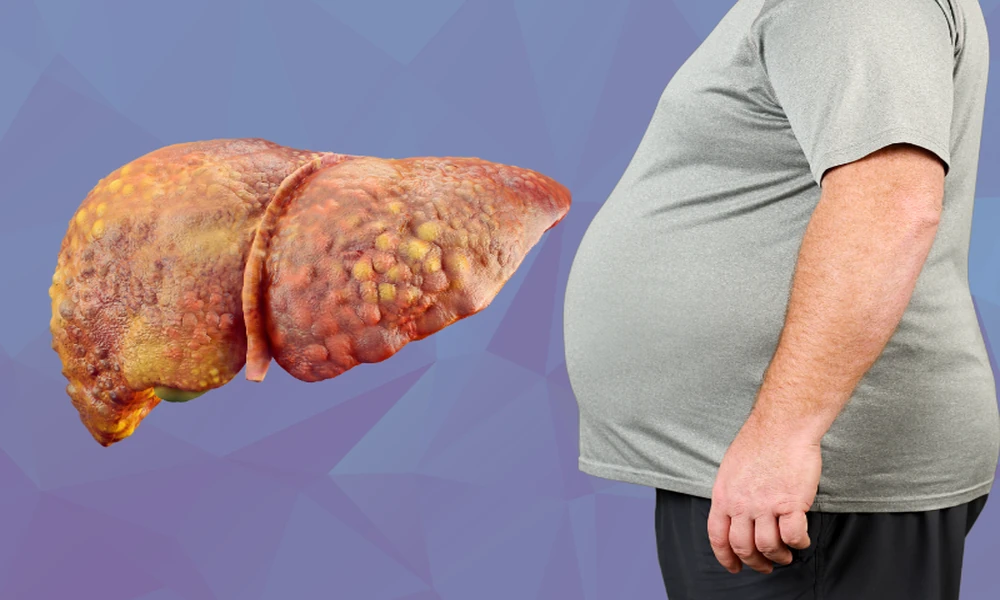
Fatty liver and diabetes often appear together because both can be linked with insulin resistance and metabolic health. A person may discover fatty liver during an ultrasound and assume it is only a liver problem. However, excess liver fat can sometimes occur alongside high blood sugar, high triglycerides, abdominal obesity and high blood pressure.
Fatty liver may develop quietly. Many people have no obvious symptoms and learn about it only after a routine blood test or abdominal scan. This makes broader metabolic assessment important, especially when a person also has diabetes, prediabetes, increased waist size or abnormal cholesterol levels.
Insulin resistance is one of the important connections between fatty liver and type 2 diabetes. When the body’s cells respond less effectively to insulin, blood sugar can rise. At the same time, excess energy may be stored as fat in the liver. This does not mean everyone with fatty liver will develop diabetes, but the overlap deserves attention.
Doctors may assess the situation using blood sugar, HbA1c, lipid profile, liver enzymes, weight, waist measurement and blood pressure. Depending on the individual, ultrasound or other liver investigations may also be recommended. Some people with fatty liver can have normal liver enzymes, so one blood report should not be used to rule the condition in or out.
Weight management can be useful when excess body weight is contributing to metabolic risk. The goal should be gradual and sustainable improvement rather than crash dieting. Reducing sugary drinks, sweets, refined flour, oversized carbohydrate portions and frequent fried foods may help improve overall calorie balance and metabolic health.
Physical activity is also important. Regular walking and suitable strength exercises may support insulin sensitivity, weight management and cardiovascular health. People with known heart disease, severe obesity, joint problems or other chronic conditions should choose an activity plan appropriate for their medical situation.
High triglycerides frequently occur alongside fatty liver and diabetes. Sugary beverages, excess refined carbohydrates, alcohol, weight gain and poorly controlled diabetes can contribute. Improving these factors may therefore benefit several health markers at the same time.
Readers looking for a broader approach to sugar, weight, blood pressure and lipid risk can explore Madhavbaug’s cardiometabolic lifestyle care resources. Any treatment plan should be based on individual assessment and should complement, rather than replace, necessary medical care.
Medicines may still be required. Diabetes medicines, cholesterol treatment, blood pressure medicines and other therapies should not be stopped simply because lifestyle changes have begun. As metabolic health improves, a qualified clinician can review whether treatment needs adjustment.
Alcohol intake, sleep and daily routine should also be discussed. Poor sleep can affect appetite, glucose control and weight, while regular alcohol intake can worsen liver health in some people. Patients should give their doctor an accurate picture of these habits rather than focusing only on food.
Fatty liver should not be treated as a cosmetic problem or ignored because it causes no pain. The more useful approach is to understand the complete metabolic picture and monitor progress over time.
Readers can also visit Madhavbaug chronic disease care for broader information on lifestyle-related health conditions.
Medical disclaimer: Fatty liver and diabetes require individual medical assessment. Liver tests, diabetes treatment and weight-management plans should be guided by qualified healthcare professionals.

Comments are closed.