

For practitioners looking to refine their skills, specialised training offers a clear path forward. The London School of Massage stands as the United Kingdom’s most successful institution for body therapy education. Its programmes are crafted for those wishing to broaden their knowledge and provide a more comprehensive set of services.
This professional development is available in London and across the UK. A core aim is to equip students with the ability to carry out highly tailored treatments. These sessions focus on the relief of muscular aches, tight knots, and general tension.
Successful completion leads to the well-recognised ITEC Professional qualification. This standard allows graduates to obtain full professional indemnity insurance. It is a significant step for any dedicated therapist aiming to elevate their practise.
The curriculum ensures a deep understanding of core principles, forming a robust foundation for future work. Learners gain the necessary expertise to address specific client needs with confidence and precision.
Key Takeaways
- The London School of Massage is the UK’s leading centre for massage and body therapy training.
- Specialised courses are designed to expand a practitioner’s knowledge and service range.
- Training culminates in the ITEC Professional qualification, enabling full professional insurance.
- Students learn to perform tailored treatments for muscular pain and tension.
- Programmes are available in London and throughout the United Kingdom.
Introduction to Advanced Therapeutic Massage Therapy Courses
This structured syllabus is designed for those ready to deepen their practical expertise and clinical reasoning. It provides a detailed overview of the diploma programme, integrating formal lectures with supervised practical classes.
Course Overview and Objectives
The curriculum combines formal lectures, hands-on practical classes, and home assignments. This blend ensures a comprehensive learning experience.
Participants are expected to have prior knowledge of Anatomy, Physiology, and Pathology. To support this, students receive comprehensive notes for independent study.
A primary aim is to equip every practitioner with the ability to create a bespoke treatment plan. This plan is based on careful postural observation of each client.
Understanding the Need for Advanced Training
Possessing a Level 3 qualification in massage is a mandatory prerequisite. This ensures all attendees have the essential foundational knowledge.
The step into this higher level of study is crucial for professional growth. It enables practitioners to move beyond standard relaxation techniques.
They learn to deliver specific, effective interventions for complex muscular concerns. Mastering these methods allows for more targeted and successful client outcomes.
Benefits of Advanced Training in Therapeutic Massage
For bodywork professionals, the leap into deeper study is justified by two core areas of development: treatment efficacy and technical versatility.
Improving Treatment Effectiveness
A primary advantage is learning to manage long-standing muscular complaints. Practitioners move beyond temporary relief.
They gain strategies to tackle the root causes of chronic pain and postural imbalance. This involves breaking down adhesive soft tissue build-up.
The focus shifts to creating sustainable change for the client. This leads to more successful and lasting outcomes.
Expanding Your Professional Skill Set
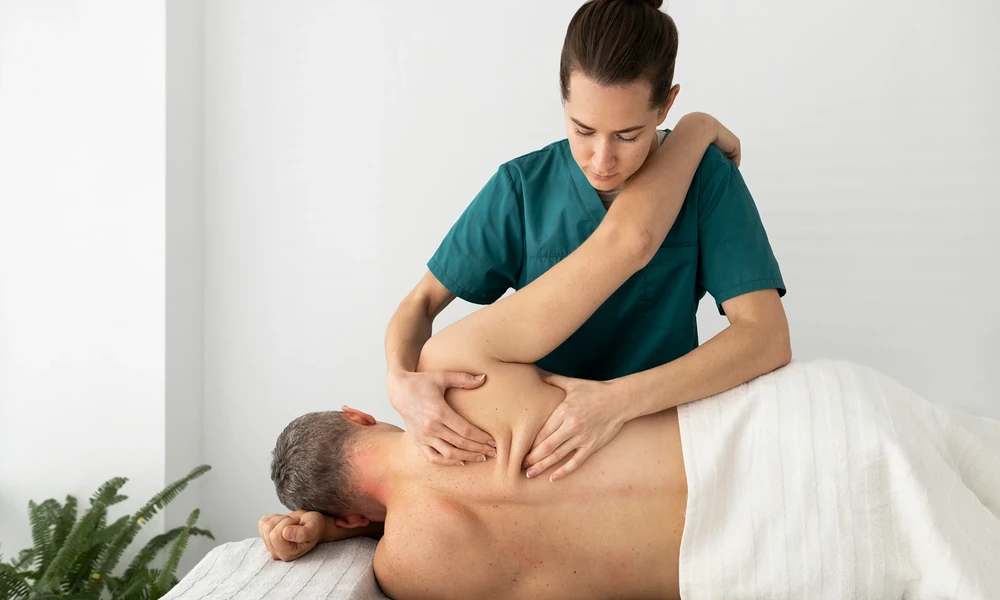
These courses introduce innovative positional techniques. Using side-lying and 3/4 leg positions unlocks access to often-neglected areas.
This expanded toolkit allows for a more comprehensive treatment. It helps build a sound reputation and a loyal client base.
The diploma programme provides the knowledge to formulate precise, root-cause plans. This sets a practitioner’s service apart from a basic body massage.
| Aspect of Practice | Standard Approach | Diploma-Level Approach |
|---|---|---|
| Client Assessment | General observation of tension. | Detailed postural analysis to identify dysfunction. |
| Technique Application | Primarily prone/supine positions. | Utilises side-lying & 3/4 leg for full access. |
| Outcome Focus | Immediate relaxation and stress relief. | Long-term resolution of chronic pain patterns. |
This comparative shift defines the value of committed further training.
What to Expect from Advanced Therapeutic Massage Therapy Courses
Those enrolling in this programme will encounter a curriculum built upon accelerated learning principles and clinical expertise. The structure is designed for maximum skill acquisition within a focused timeframe.
Detailed Curriculum Insights
This intensive programme unfolds over five consecutive days. Each day prioritises hands-on practice under expert supervision.
Lecturers share a wealth of practical information drawn from their own professional practice. They employ accelerated training methods, including Neuro-Linguistic Programming (NLP) techniques, to facilitate deeper understanding.
The syllabus provides detailed instruction on surface anatomy and precise palpation of body structures. Students learn to identify specific areas of tension and dysfunction within the muscular system.
A core component teaches the application of specialised soft tissue techniques. These methods are designed to resolve stubborn knots and improve overall muscle function effectively.
Key learning outcomes include:
- Gaining substantial practical experience through supervised sessions.
- Developing the ability to create targeted, effective treatment plans.
- Enhancing existing professional skills for more impactful client service.
Entry Requirements and Prerequisites
Gaining admission to this programme requires fulfilling a set of academic and practical prerequisites designed for success. These criteria ensure all learners are properly prepared for the intensive curriculum ahead.
Academic and Practical Eligibility
A Level 3 qualification in massage is mandatory. This prior study must cover Anatomy, Physiology, and Pathology.
Participants must submit a copy of their certificate for verification before attending. This step confirms the essential foundational knowledge is in place.
Access to a PC or laptop is also requested. It supports any computer-based work during the learning process.
Required Qualifications and Experience
For international applicants, evidence of English proficiency is needed. An IELTS score of 6-7, or equivalent, is typically required.
This diploma is intended for practising therapists seeking to enhance their skills. Those under 18 years old must have a parent or guardian complete the booking on their behalf.
Meeting these standards creates a cohesive and effective training environment for every student.
Practical Techniques and Deep Tissue Modalities
Learners engage directly with sophisticated bodywork modalities designed to release deep-seated tension. This part of the syllabus moves beyond theory into the tangible application of force.
Students master the proper use of tools like forearms, elbows, and knuckles. These methods allow for effective, sustained pressure without practitioner strain.
Hands-on Learning and Practical Assessments
Supervised practice is the cornerstone of skill development here. Competency is verified through ongoing practical assessments during the programme.
These evaluations ensure every participant can perform a deep tissue massage safely and with confidence. The focus is on building real-world, practical skills.
Integrating Neuromuscular and Tissue Therapies
The curriculum introduces neuromuscular techniques (NMT) as a logical extension of deep friction work. These techniques employ specific palpatory tools to diagnose issues within muscle fibres.
Trigger point therapy is taught to create localised ischemia, helping to resolve stubborn knots. Students also learn hands-free methods, blending Eastern and Western styles.
This integrated approach equips a therapist to address chronic pain patterns comprehensively. The training ensures a versatile and highly effective treatment routine.
Training Opportunities and Continued Professional Development
The journey of a bodywork specialist doesn’t end with initial qualification. It evolves through continuous learning and formal accreditation. This pathway offers clear training opportunities for dedicated practitioners.
CPD Benefits and Certification Process
Successful course completion provides a certificate of Advanced Therapeutic Massage Therapist. This qualification is recognised by major professional bodies across the UK.
Developing a CPD portfolio is essential for ongoing development. It helps maintain high standards and ensures your knowledge of techniques, like deep tissue massage, stays current.
Our training is accredited by organisations such as the International Guild of Complementary Therapists (IGCT) and the IICT. These groups set the benchmark for course providers in the natural therapies field.
The Complementary Medical Association (CMA) also promotes ethical, responsible practice. We encourage students to ask questions about the certification process. Our team is dedicated to supporting your professional growth.
This commitment to development better prepares a therapist to treat various client conditions. It builds the confidence to deliver high-quality treatments for years to come.
Venues, Dates and Booking Information
Practical arrangements, from session timetables to venue locations, are key to planning your continued education. This section provides all the logistical details you need to secure your place and prepare for your training days.
Course Dates and Session Timetables
We offer multiple intakes throughout the year to suit busy schedules. Available course dates include the 14th of May and the 17th of August.
For practitioners focusing on specific modalities, a deep tissue programme is scheduled for the 17th and 18th of June 2026. All sessions run from 09:30 to 17:00, providing a full day of immersive learning.
A deposit is required to confirm your booking. This secures your spot in our small-group classes.
Locations and Accessibility Across the UK
Our primary London venue is at Unit 54, Battersea Business Centre, 99-109 Lavender Hill, London SW11 5QL. This location is easily accessible by public transport.
Full venue information and directions are sent after your booking is confirmed. We also provide training opportunities in other regions across the United Kingdom.
Please check our website for the most current dates and booking information. Our team is ready to answer any questions about locations or timetables.
Expert Instructors and Tutor Support Featuring Penelope Academy Ltd
The quality of any educational programme is fundamentally shaped by the expertise and dedication of its teaching staff. At Penelope Academy Ltd, this principle is at the core of every session. The academy’s focus is on providing tuition led by seasoned professionals.
Leading the instruction is Joseph O’Dwyer, Director of Sport & Remedial Studies. He brings many years of direct clinical experience to the classroom. This real-world insight greatly enriches the learning content.
Experienced Professionals and Teaching Methods
All tutors at the academy hold professional teaching qualifications. These include PTLLS at level 3 or 4. This formal training in education ensures high-standard delivery.
Their teaching methods are deeply informed by their own professional practice. Instructors demonstrate how techniques apply to real-world client conditions. This bridges the gap between theory and practical work.
Class sizes are kept intentionally small, typically between 6 and 12 students. This group size is a key feature, allowing for significant individual attention. Every participant receives personalised guidance throughout the course.
Personalised Guidance and Aftercare
The tutors are passionate and caring, committed to each student’s progress. This support does not end when the final session concludes. Excellent aftercare is a standard part of their service.
Graduates are encouraged to contact tutors with any follow-up questions. This ongoing dialogue helps solidify understanding and aids professional application. It ensures the knowledge gained leads to confident practice.
This comprehensive approach, from qualified instruction to continued support, prepares learners thoroughly. It builds a strong foundation for achieving a recognised qualification and a successful career.
How Advanced Courses Enhance Career Prospects at Penelope Academy
Investing in further training at Penelope Academy opens doors to both independent practice and roles within established health and leisure venues. This professional development equips practitioners with a recognised qualification that is highly valued across the wellness industry.
Pathways for Private Practice and Employment
Graduates successfully progress to open their own private clinics. Many also find rewarding work in health clubs, luxury hotels, and even ski resorts.
Starting with part-time hours allows a therapist to supplement their income while building a loyal base of clients. The knowledge gained also provides a springboard for further study.
Students often continue their development with programmes in sports injuries or clinical aromatherapy. This continuous learning keeps their skills relevant in a competitive field.
Industry Recognition and Professional Insurance
A key benefit of course completion is immediate industry recognition. Major insurance providers recognise the Penelope Academy qualification.
This allows graduates to obtain full professional indemnity cover straight away. They can then charge for their treatments with confidence.
Bodies like the FHT, CTHA, and Thinktree support this professional standing. This endorsement is crucial for building a sustainable and respected practice.
Integrating Anatomy, Physiological Insights and Advanced Practice
Mastering the body’s complex structure is the cornerstone of delivering truly effective, client-focused bodywork. This programme integrates detailed anatomical knowledge with physiological principles. The goal is to inform every aspect of a practitioner’s treatment plan.
Careful postural observation becomes a powerful diagnostic tool. It helps identify imbalances and guides the creation of a bespoke session for each individual.
Understanding Muscular Anatomy and Trigger Points
The curriculum provides a deep dive into specific muscular anatomy. Students study the deep muscles of the legs, including hamstrings and quads.
They also cover the back, arms, shoulders, and feet in detail. This focus is vital for understanding the root causes of discomfort.
A key component is learning the rationale behind trigger point therapy. These hyperirritable spots are often the source of chronic pain and limited mobility. Identifying them is crucial for effective intervention.
Application of Hands-Free and Deep Tissue Techniques
This theoretical understanding directly supports practical skill. Surface anatomy is a major part of the syllabus, enabling precise palpation.
Armed with this knowledge, practitioners can apply deep tissue and hands-free techniques with greater accuracy. They learn to address specific conditions, such as repetitive strain injury.
The result is a more comprehensive assessment for every client. Treatments become highly tailored, moving beyond a generic approach to bodywork.
Conclusion
Finalising this training equips practitioners with a robust framework for long-term career success. The specialised course provides the essential knowledge and techniques to significantly improve client outcomes.
Mastering modalities like deep tissue work prepares you to address complex muscular conditions. Our commitment to small group learning ensures every student receives personalised support for successful completion.
We encourage you to review the upcoming dates and take this pivotal step in your professional development. Investing in your training now builds a rewarding future as a highly skilled therapist with a recognised qualification.

Comments are closed.