

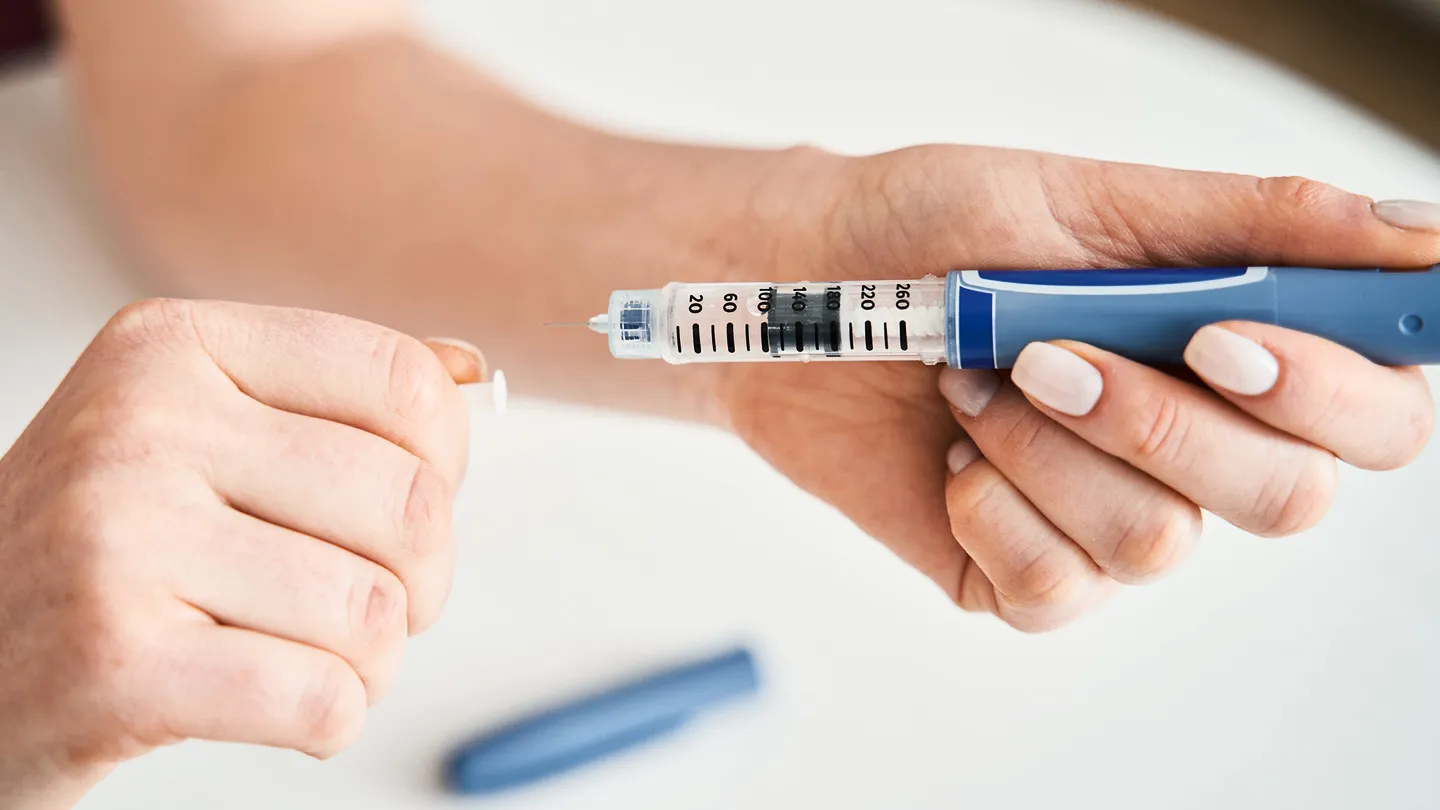
In recent years, the medical community has witnessed a significant breakthrough in the treatment of type 2 diabetes and obesity with the introduction of semaglutide injections. This innovative medication offered at the medical spa in Lancaster has shown remarkable efficacy in promoting weight loss and improving glycemic control, offering new hope for individuals struggling with these conditions.
In this article, we will delve into the world of semaglutide injections, exploring their mechanism of action, benefits, potential side effects, and practical considerations for patients.
What is the mechanism of action of Semaglutide injections?
Semaglutide, a glucagon-like peptide-1 (GLP-1) receptor agonist, works through several mechanisms to achieve its therapeutic effects:
- GLP-1 receptor activation: Semaglutide binds to GLP-1 receptors in the body, mimicking the action of natural GLP-1 hormone.
- Insulin secretion: Activated GLP-1 receptors stimulate insulin secretion from pancreatic beta cells, improving glucose uptake in muscles and reducing glucose production in the liver.
- Glucagon suppression: Semaglutide reduces glucagon secretion, leading to decreased glucose production in the liver and improved glucose metabolism.
- Delayed gastric emptying: Semaglutide slows gastric emptying, reducing postprandial glucose spikes and improving glucose control.
- Appetite suppression: Activation of GLP-1 receptors in the brain reduces appetite and increases feelings of fullness, leading to weight loss.
- Cardiovascular effects: Semaglutide has been shown to lower blood pressure, reduce inflammation, and improve lipid profiles, contributing to its cardiovascular benefits.
- Beta-cell protection: Semaglutide may help protect pancreatic beta cells from damage, preserving insulin secretion capacity.
By targeting multiple pathways, semaglutide effectively improves glycemic control, promotes weight loss, and reduces cardiovascular risk in patients with type 2 diabetes and obesity.
What are the benefits of Semaglutide injections?
Semaglutide injections offer several benefits, including:
- Improved glycemic control: Reduces HbA1c levels, fasting plasma glucose, and postprandial glucose excursions.
- Significant weight loss: Achieves substantial weight reduction, with an average loss of 10-15% of initial body weight.
- Cardiovascular risk reduction: Lowers the risk of major adverse cardiovascular events, such as heart attacks, strokes, and deaths.
- Blood pressure reduction: Decreases systolic and diastolic blood pressure.
- Lipid profile improvement: Reduces triglycerides, LDL cholesterol, and total cholesterol.
- Improved renal outcomes: Reduces the risk of kidney damage and slows kidney function decline.
- Reduced risk of hypoglycemia: Lowers the risk of hypoglycemic events compared to other diabetes medications.
- Convenient once-weekly dosing: Easy to administer and incorporate into a patient’s treatment regimen.
- Potential anti-inflammatory effects: May have anti-inflammatory properties, which could contribute to its cardiovascular benefits.
- Beneficial effects on quality of life: Improves patient-reported outcomes, such as health-related quality of life and treatment satisfaction.
How are Semaglutide injections administered and what is the dosage?
Administration
- Semaglutide injections are administered via subcutaneous injection once weekly.
- Inject in the abdomen, thigh, or upper arm.
- Rotate injection sites to minimize local reactions.
- Patients can self-administer or have a healthcare professional administer the injection.
Dosage
- Initial dose: 0.5 mg once weekly for 4 weeks.
- Maintenance dose: 1.0 mg once weekly.
- Maximum dose: 1.0 mg once weekly.
It’s essential to follow the recommended administration and dosage guidelines to ensure safe and effective treatment with semaglutide injections.
Practical Considerations
- Patients should be monitored for signs of pancreatitis and thyroid cancer
- Semaglutide may increase the risk of hypoglycemia when used with other diabetes medications
- Patients should follow a healthy diet and exercise regimen to maximize weight loss benefits
Bottom line
Semaglutide injections represent a groundbreaking advancement in the treatment of type 2 diabetes and obesity. By harnessing the power of GLP-1 receptor agonism, semaglutide offers a safe and effective solution for patients seeking to manage their condition and achieve significant weight loss. As with any medication, it’s essential to discuss the potential benefits and risks with a healthcare professional to determine if semaglutide is right for you.

Comments are closed.